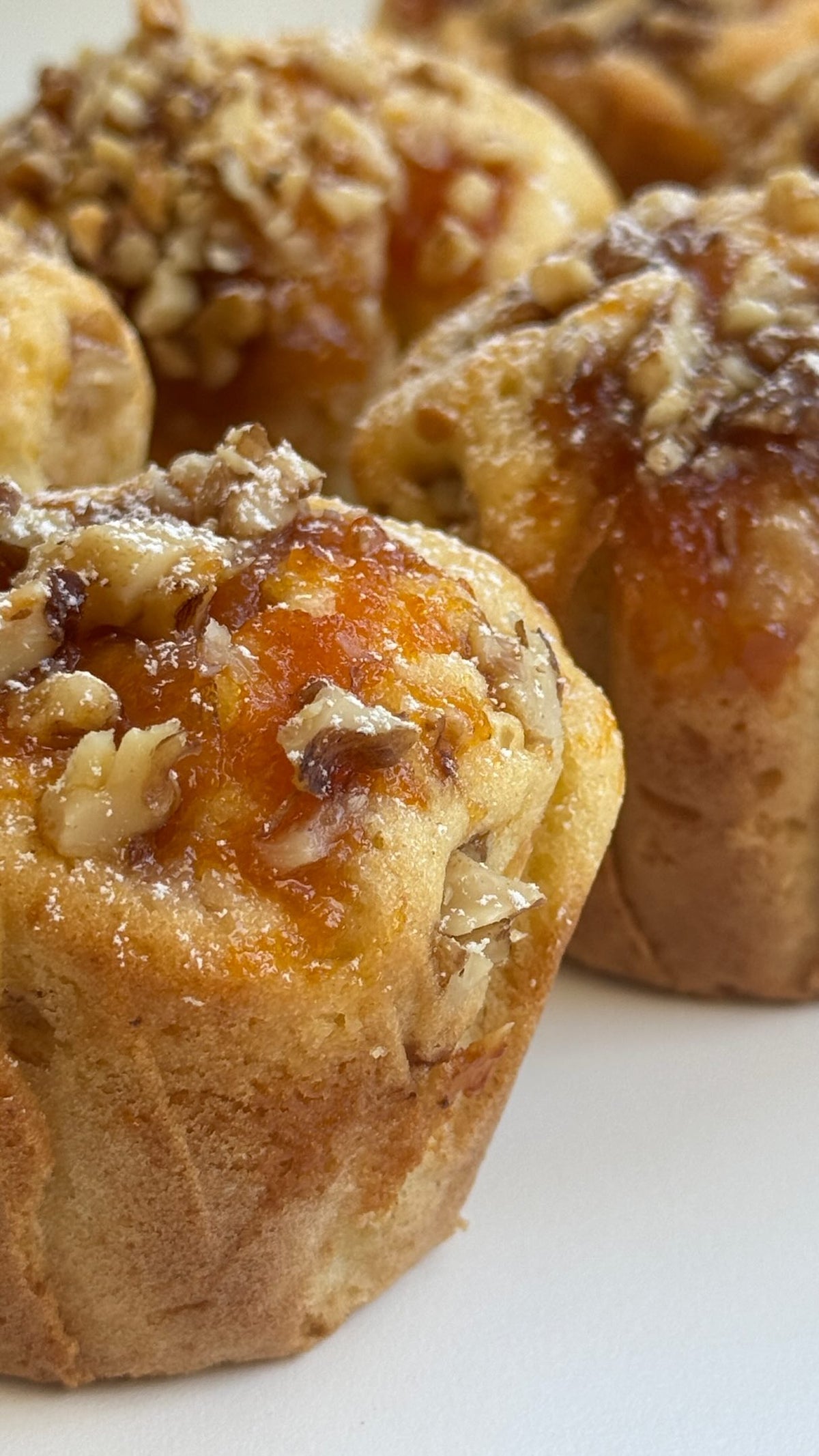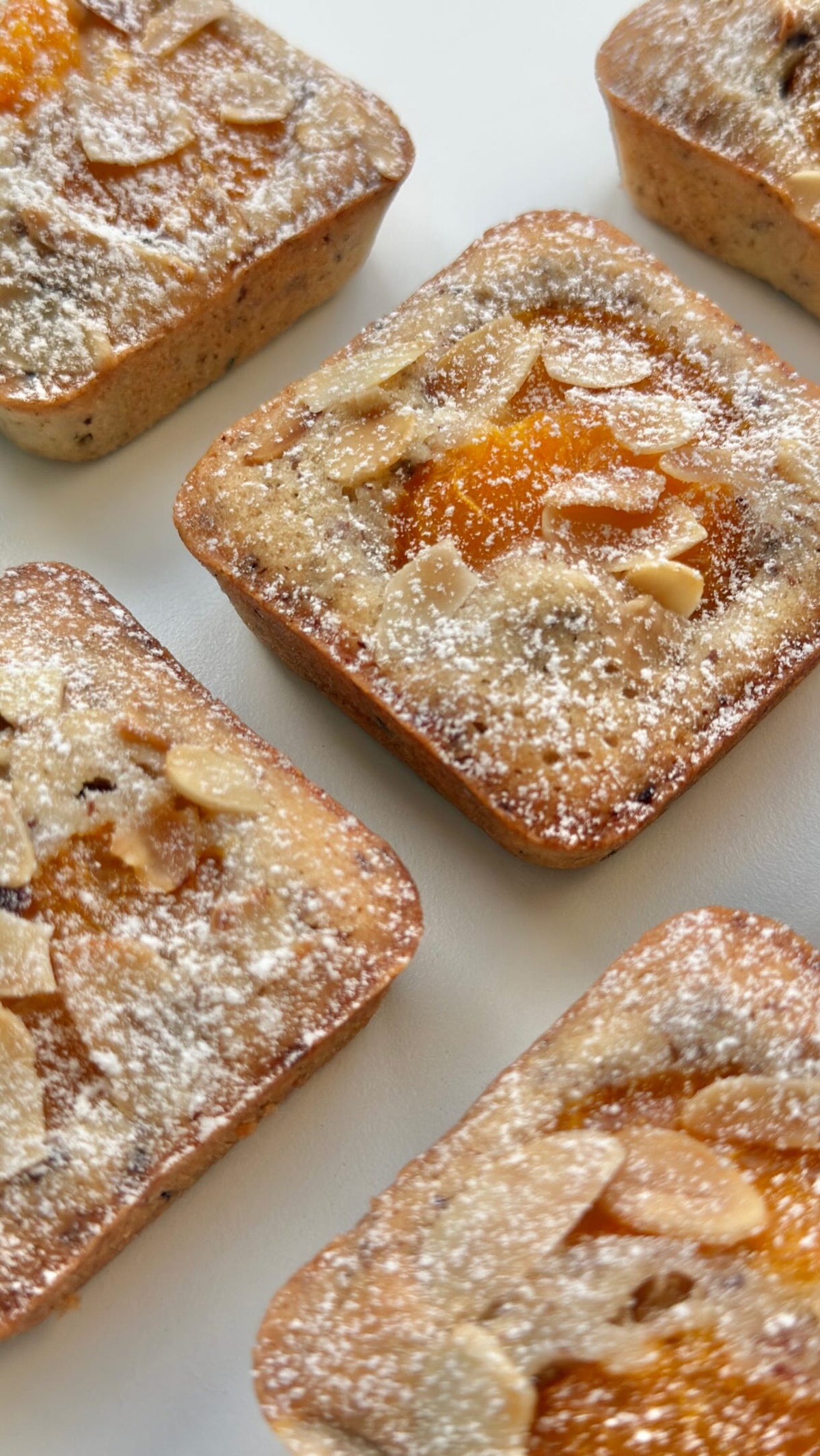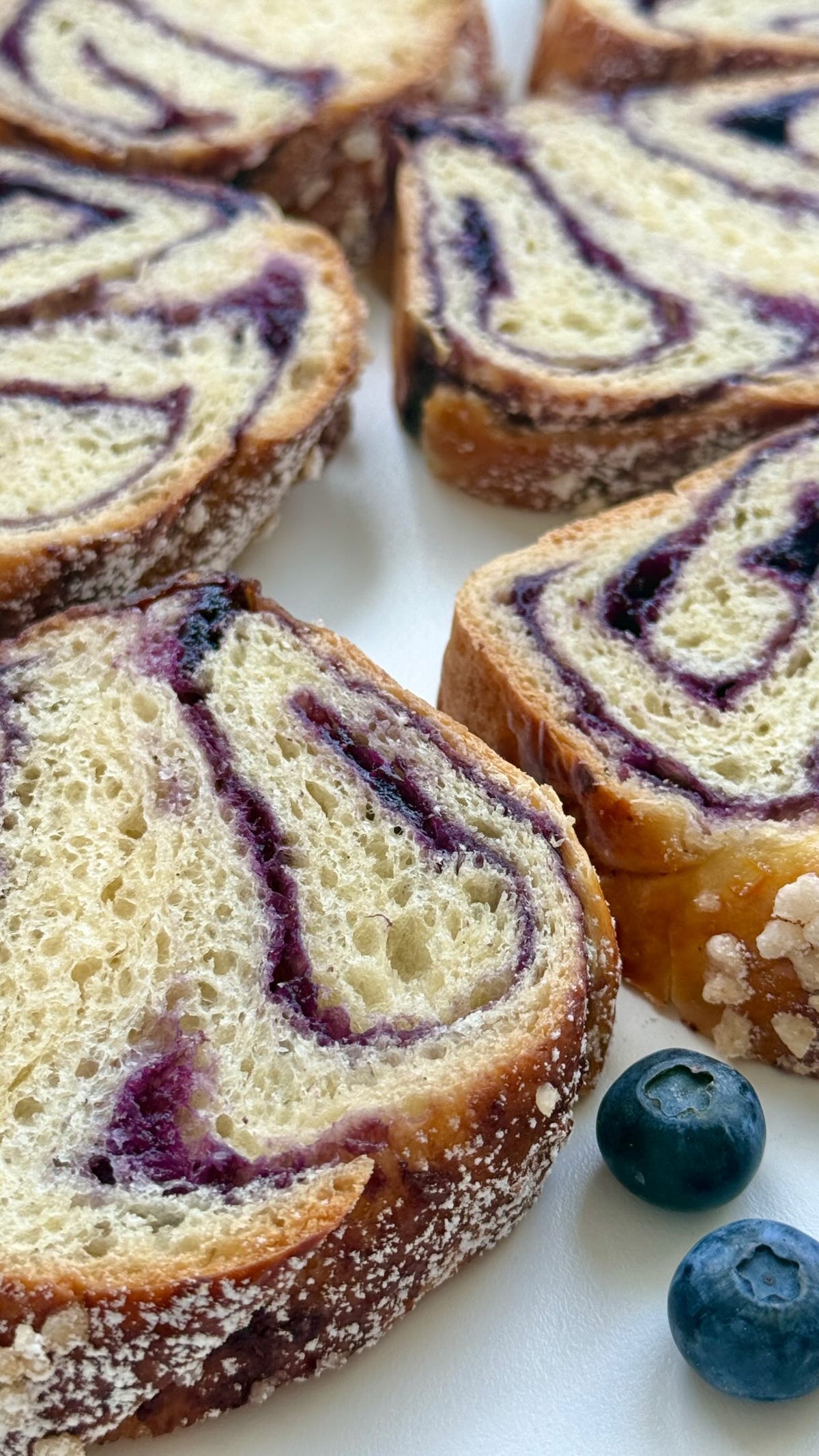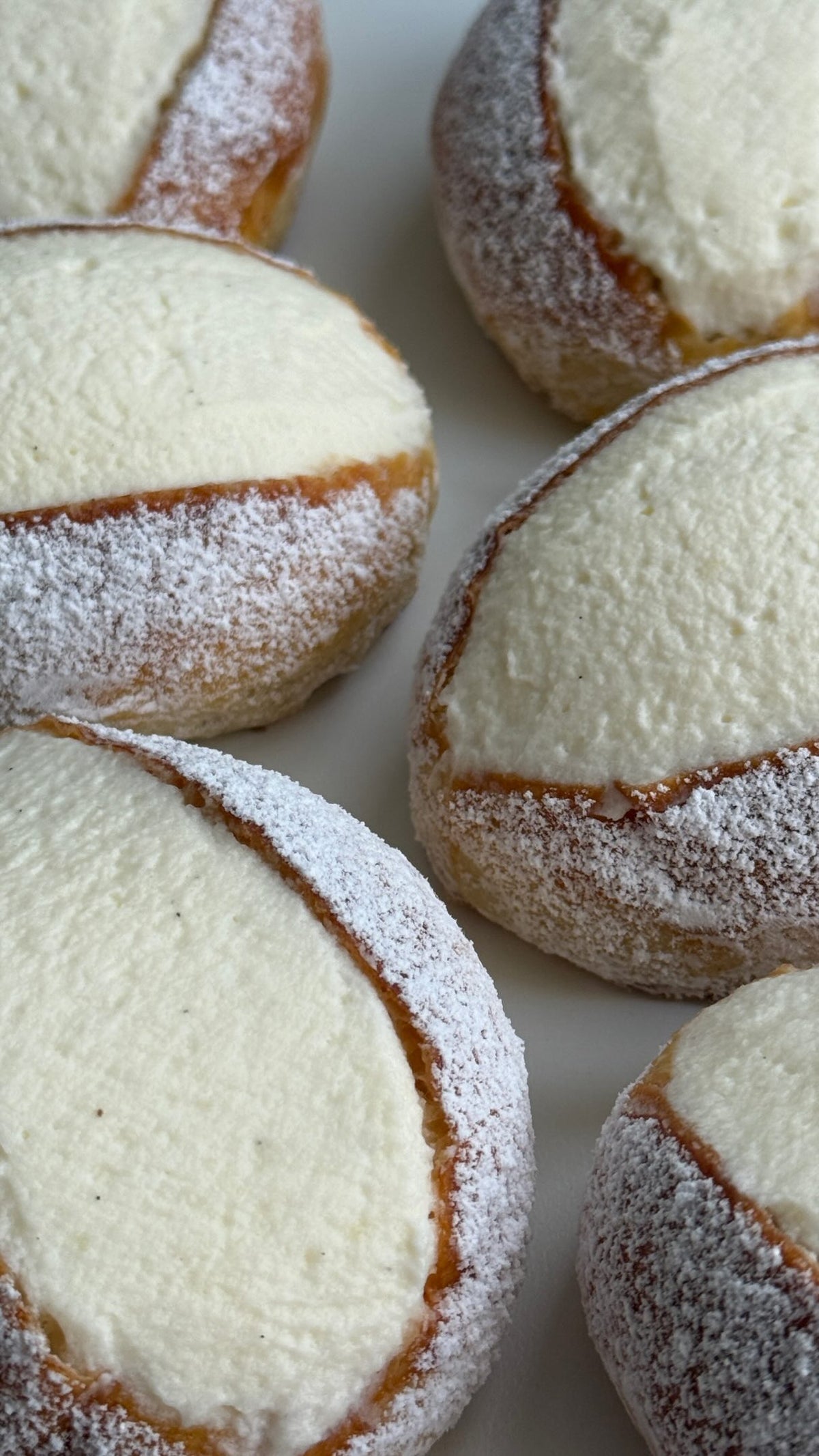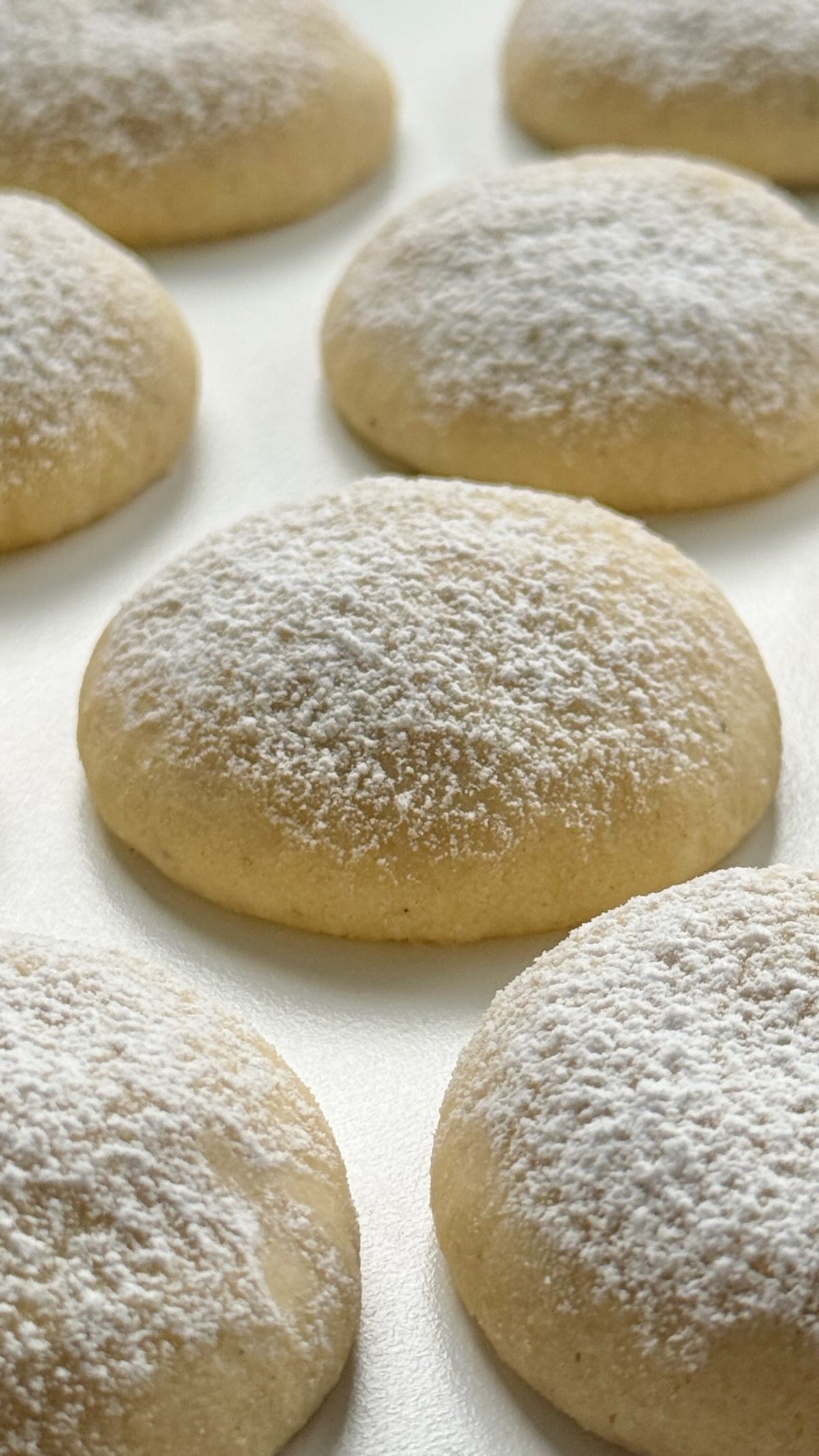

Lemon Custard Triangles von Food with Style, fertig angerichtet
Brioche

Triângulos de Creme de Limão

Triângulos crocantes de massa folhada recheados com um sedoso creme de limão e baunilha - leves, elegantes e perfeitos para o verão.

Compartilhar
Porções
12 peças
Cozimento 18 minutos

Ingredientes

  • Para pincelar

Modo de preparo

  1. 1
    Preaqueça o forno a 190°C (375°F), com calor em cima e embaixo. Forre uma assadeira com papel-manteiga.
  2. 2
    Dobre a massa ao meio e pressione delicadamente para unir. Corte em 12 triângulos.
  3. 3
    Pincele com a mistura de gema e leite, salpique o açúcar em grãos e asse por 18-22 minutos, até dourar. Deixe esfriar completamente.
  4. 4
    Misture o açúcar com as raspas de limão, esfregando com as pontas dos dedos. Junte as gemas, o amido de milho, as sementes da fava de baunilha e um pouco do leite, mexendo até ficar liso.
  5. 5
    Aqueça o restante do leite junto com a fava de baunilha raspada. Retire a fava, incorpore a mistura de gemas batendo com o fouet e cozinhe, mexendo sem parar, até engrossar. Misture o suco de limão e a manteiga. Cubra com filme plástico em contato com a superfície e deixe esfriar completamente.
  6. 6
    Mexa rapidamente o creme gelado até ficar liso e transfira para um saco de confeitar.
  7. 7
    Corte os triângulos de massa ao meio na horizontal, recheie com o creme de limão e baunilha, recoloque as tampas e polvilhe levemente com açúcar de confeiteiro.

Video

Lemon Custard Triangles Questions

Lumps usually mean the egg yolk mixture wasn't fully smooth before it went into the hot milk, or the pan wasn't stirred constantly while thickening. Whisk the yolks, sugar, cornstarch and vanilla seeds with a little cold milk until completely smooth first, then whisk the hot milk in. If lumps still appear, push the finished custard through a fine sieve while it's warm, then stir in the lemon juice and butter.

Yes, puff pastry works and gives a crisper, flakier triangle, though it will be less soft and bready than croissant dough. Keep the same treatment: fold the sheet in half, press gently, cut 12 triangles, brush with the yolk-milk wash and add pearl sugar. Watch the oven closely, since puff pastry can colour faster than the 18-22 minutes given here.

The custard is the best make-ahead part: cook it a day early, press cling film directly onto the surface so no skin forms, and chill it. The baked triangles are best on the day they're baked, but they can be baked a few hours ahead and left uncovered at room temperature so they stay crisp. Only slice, fill and dust with powdered sugar shortly before serving.

Because they contain a milk-and-egg custard, filled triangles belong in the fridge in a covered container and are best eaten the same day. The pastry softens as it sits against the custard, so texture suffers by day two even if the flavour is fine. Let them stand a few minutes at room temperature before eating and dust with fresh powdered sugar, since the first dusting dissolves in the fridge.

Flat triangles usually come from dough that got warm and soft before baking - chill the cut triangles briefly if your kitchen is hot, and don't press the folded sheet harder than needed to join the layers. Leaking is a sign the custard was still too soft or the pastry was overfilled, so chill the custard fully until it's pipeable and add it in a restrained line rather than packing it in. Piping into the horizontally sliced halves rather than into a cut pocket also keeps the filling contained.

delicioso, testado e pronto para inspirar
Explore 400+ Receitas Saborosas