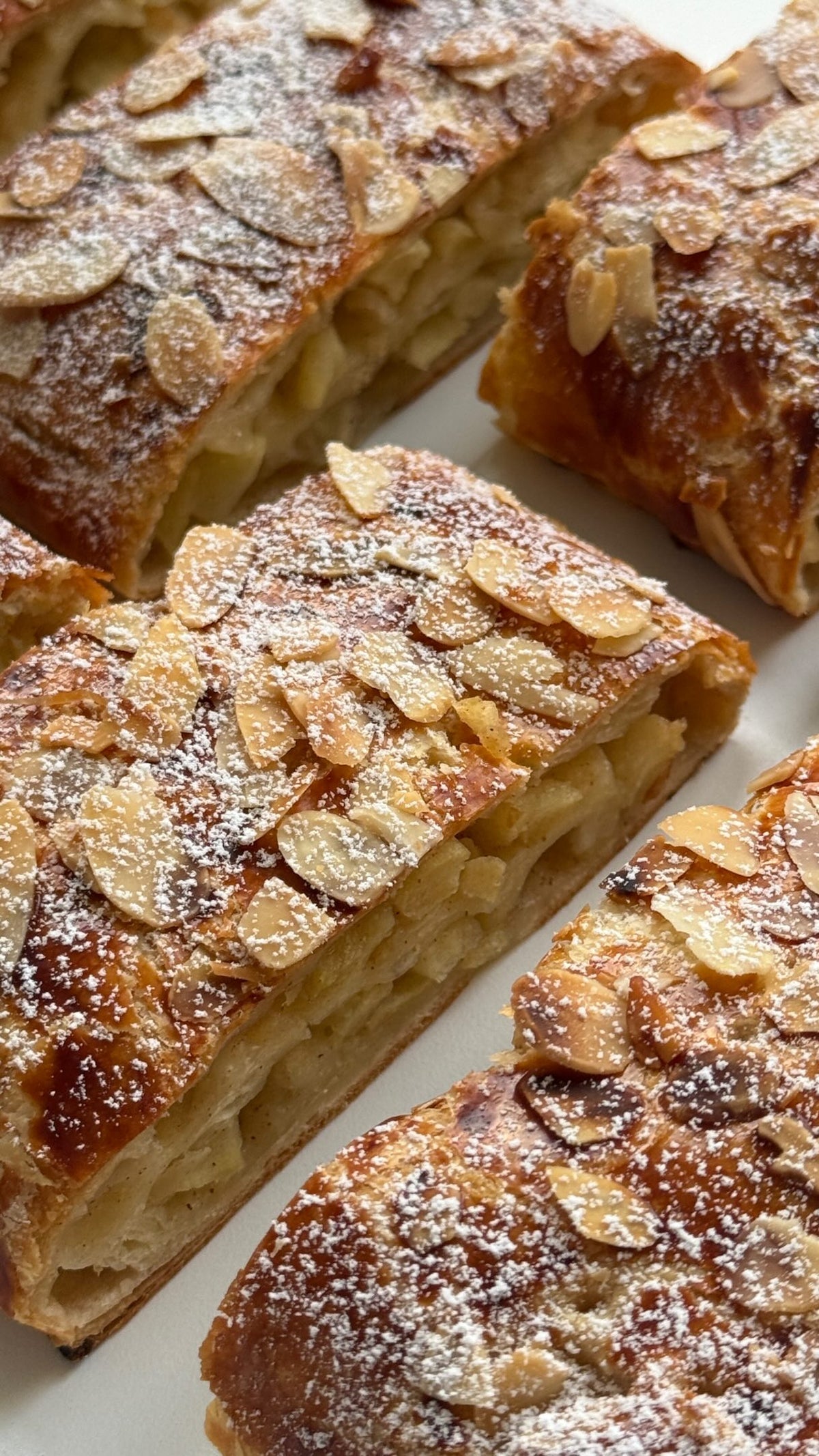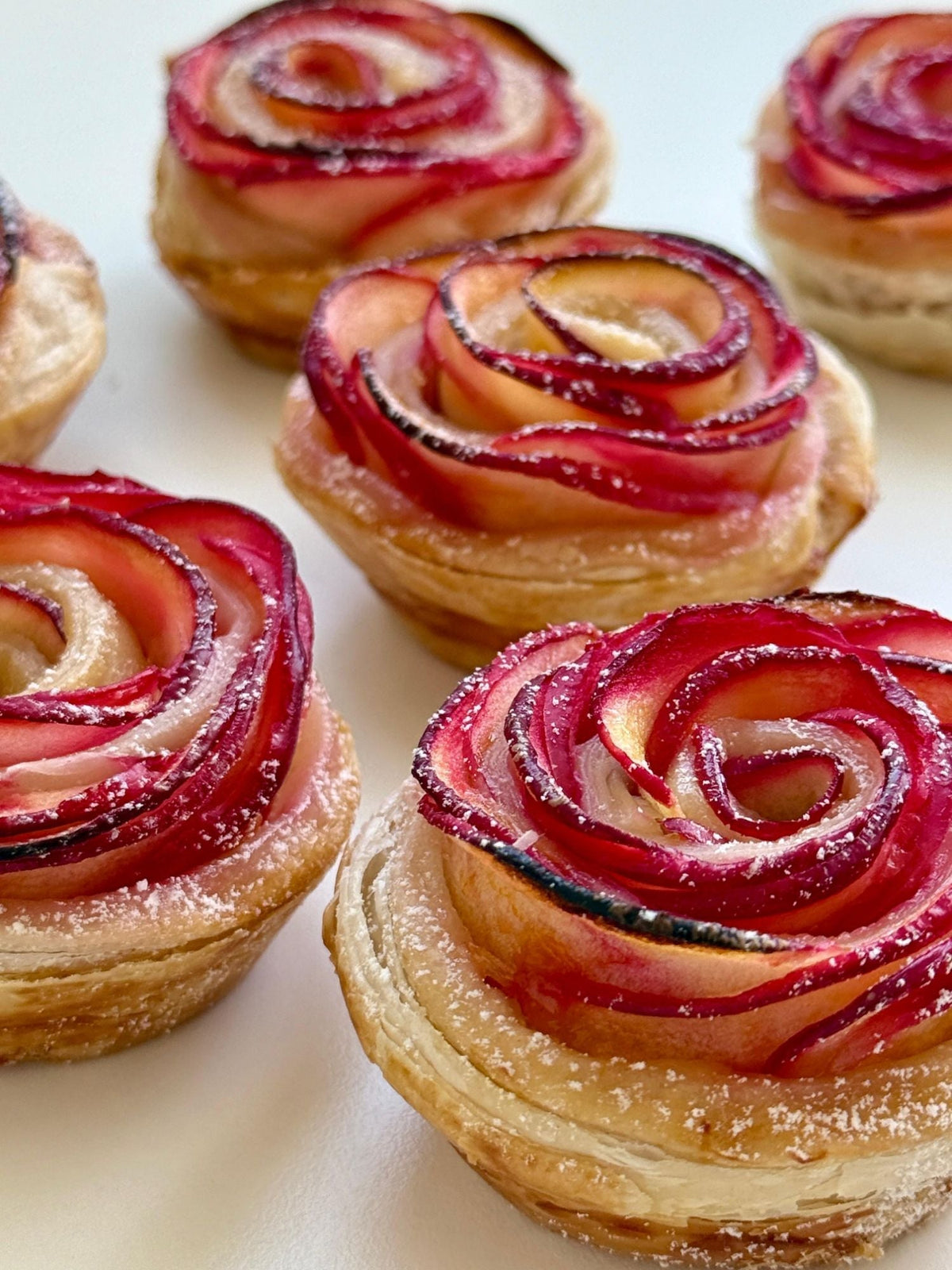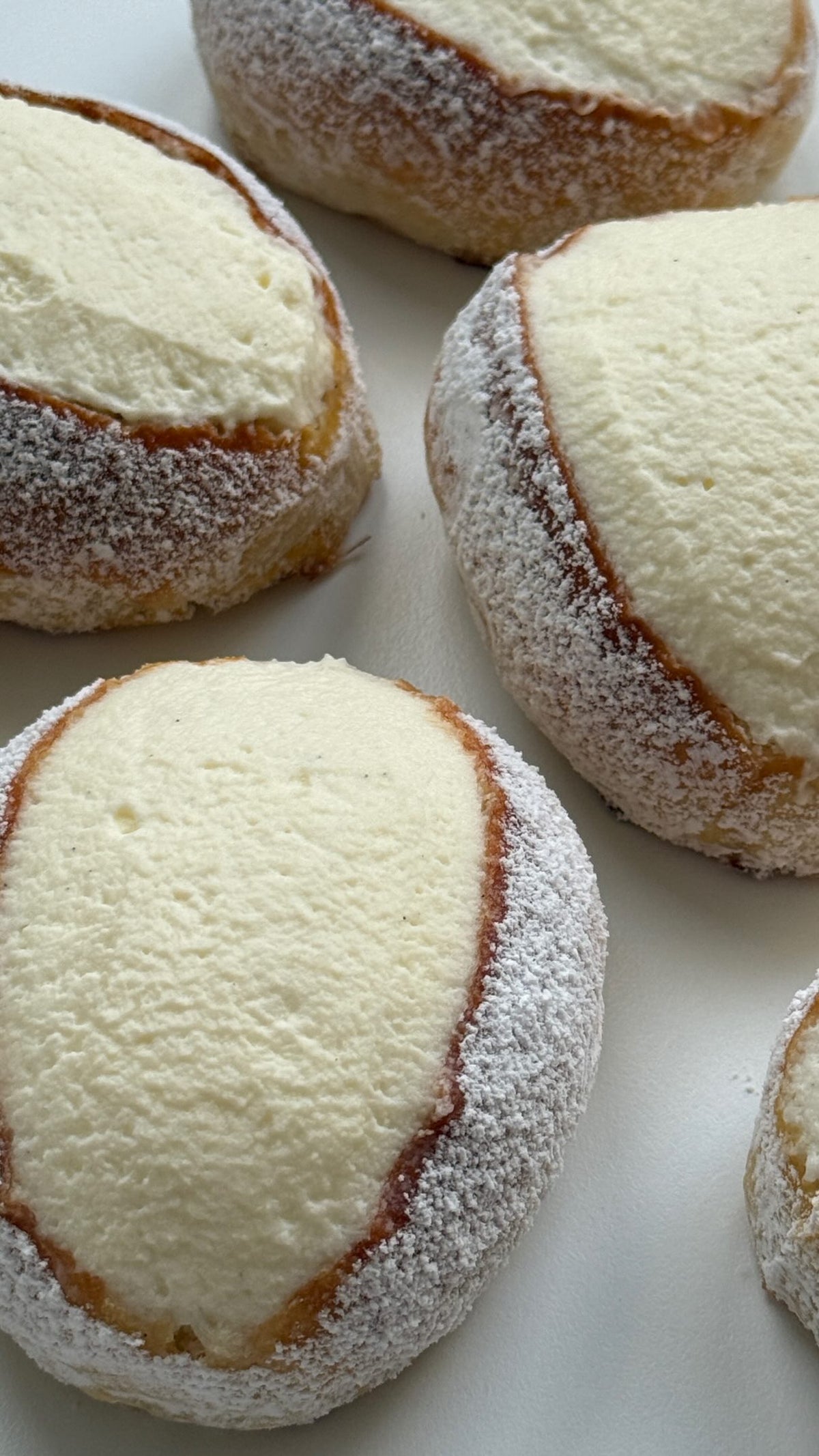



Apricot Pastry von Food with Style, fertig angerichtet
Brioche

Trança de Damasco

Crocante, dourada e frutada - essas tranças de damasco são o acompanhamento perfeito para um cafezinho ou uma sobremesa elegante. Fáceis de fazer, mas...

Compartilhar
Porções
8 peças
Cozimento 20 minutos

Ingredientes

Modo de preparo

  1. 1
    Abra a massa folhada e espalhe a geleia de damasco por cima, de maneira uniforme.
  2. 2
    Dobre a massa uma vez no sentido do comprimento.
  3. 3
    Corte em tiras de cerca de 5 cm (2 inches) de largura.
  4. 4
    Corte cada tira no sentido do comprimento em 3 tiras finas, deixando-as presas na parte de cima.
  5. 5
    Trance as três tiras e dobre as pontas para baixo.
  6. 6
    Coloque as tranças em uma assadeira forrada com papel-manteiga e pincele com um pouco de leite.
  7. 7
    Asse em forno preaquecido a 180 °C (350 °F) por cerca de 20-25 minutos, até dourar.
  8. 8
    Tire do forno, deixe amornar e polvilhe com açúcar de confeiteiro. Folhada, amanteigada e delicadamente frutada - uma massa com cara de confeitaria francesa, mas que leva só alguns passos simples.

Video

Apricot Pastry Questions

Yes, any thick jam works the same way here, since the jam is simply spread on the dough before folding. Choose a firm, low-moisture preserve such as plum, raspberry or cherry, because runny jam leaks out along the cut strips while baking. Very chunky jams should be chopped or pressed through a sieve so the braids still fold cleanly.

Usually too much jam was spread on, or it was spread all the way to the edge of the dough. Use the 2 tbsp as a thin, even layer and leave a narrow border free so the folded edges can seal. Also make sure the ends of each braid are tucked firmly underneath - loose ends open up in the oven and let the jam run onto the tray.

Yes, shape the braids on the parchment-lined baking sheet, cover them and chill them until you want to bake. Cold dough actually holds its shape better, so the layers rise more cleanly. Brush with milk only just before baking, and add a couple of minutes to the 20-25 minutes if the pastries go into the oven straight from the fridge.

Keep them at room temperature in a loosely covered container or paper bag for a day or two - an airtight box traps steam and softens the flaky layers. They are best on the day they are baked. To refresh them, warm them briefly in the oven at around 180 °C (350 °F) and dust with fresh powdered sugar afterwards, since the first dusting dissolves.

The two big ones are cutting all the way through at the top, so the three strips fall apart, and working with dough that has become warm and sticky. Leave the strips joined at the top end and braid loosely rather than pulling tight, or the layers get compressed and rise unevenly. If the dough softens while you work, put the tray in the fridge for a few minutes before brushing with milk and baking.

delicioso, testado e pronto para inspirar
Explore 400+ Receitas Saborosas