







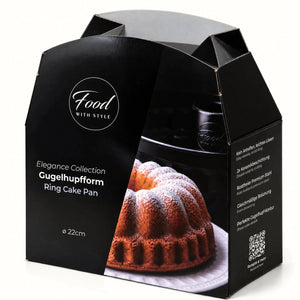

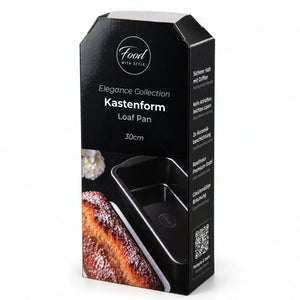


Porções
Forma
cm
cm
Unidades
Preparo
1 hora
Cozimento
30 minutos
Ingredientes
- Para uma forma de bolo inglês
- Para a massa
- Para o recheio de canela (que aparece depois de assar)
- Para pincelar
Modo de preparo
-
1
Aqueça o leite e dissolva nele o fermento biológico seco. Em uma tigela, misture a farinha, o açúcar, o sal e a essência de baunilha. Acrescente a mistura de fermento, o ovo e a manteiga em ponto de pomada. Sove até obter uma massa lisa, por cerca de 8-10 minutos. Cubra e deixe crescer em lugar morno por mais ou menos 1 hora, ou até dobrar de volume.

-
2
Para o recheio, misture a manteiga em ponto de pomada com o açúcar mascavo, a canela, a farinha e o sal até formar uma pasta homogênea.

-
3
Abra a massa crescida com o rolo em uma superfície levemente enfarinhada, formando um retângulo (cerca de 30 x 40 cm). Espalhe o recheio por igual até as bordas.

-
4
Enrole a massa bem apertada pelo lado maior. Corte o rolo ao meio no sentido do comprimento, atravessando toda a massa, para obter duas tiras longas. Mantenha as partes cortadas viradas para cima.

-
5
Trance as duas tiras uma na outra, como uma corda, deixando sempre as partes cortadas à mostra para formar aquele desenho lindo.

-
6
Coloque com cuidado a massa trançada em uma forma de bolo inglês untada ou forrada com papel-manteiga. Cubra e deixe crescer novamente por cerca de 30 minutos.

-
7
Preaqueça o forno a 180 °C (350 °F). Pincele a superfície com a gema e asse por 30-35 minutos, até dourar.

-
8
Deixe esfriar completamente e polvilhe com açúcar de confeiteiro antes de servir. Uma delícia aconchegante e cheia de canela, tão bonita quanto gostosa - melhor ainda quando compartilhada ainda morna.

Video

Food with Style Baking Club
Faça passo a passo com vídeo
Módulo do curso: Massa doce fermentada
- Curso de confeitaria com 9 módulos e 34 videoaulas
- Chat 1:1 com a Baking Chef da Food with Style
- Chat da Community e e-book com 100 receitas
A partir de 14,90 € por mês, cancele mês a mês
FAQ
Perguntas sobre Cinnamon Twist Loaf
delicioso, testado e pronto para inspirar