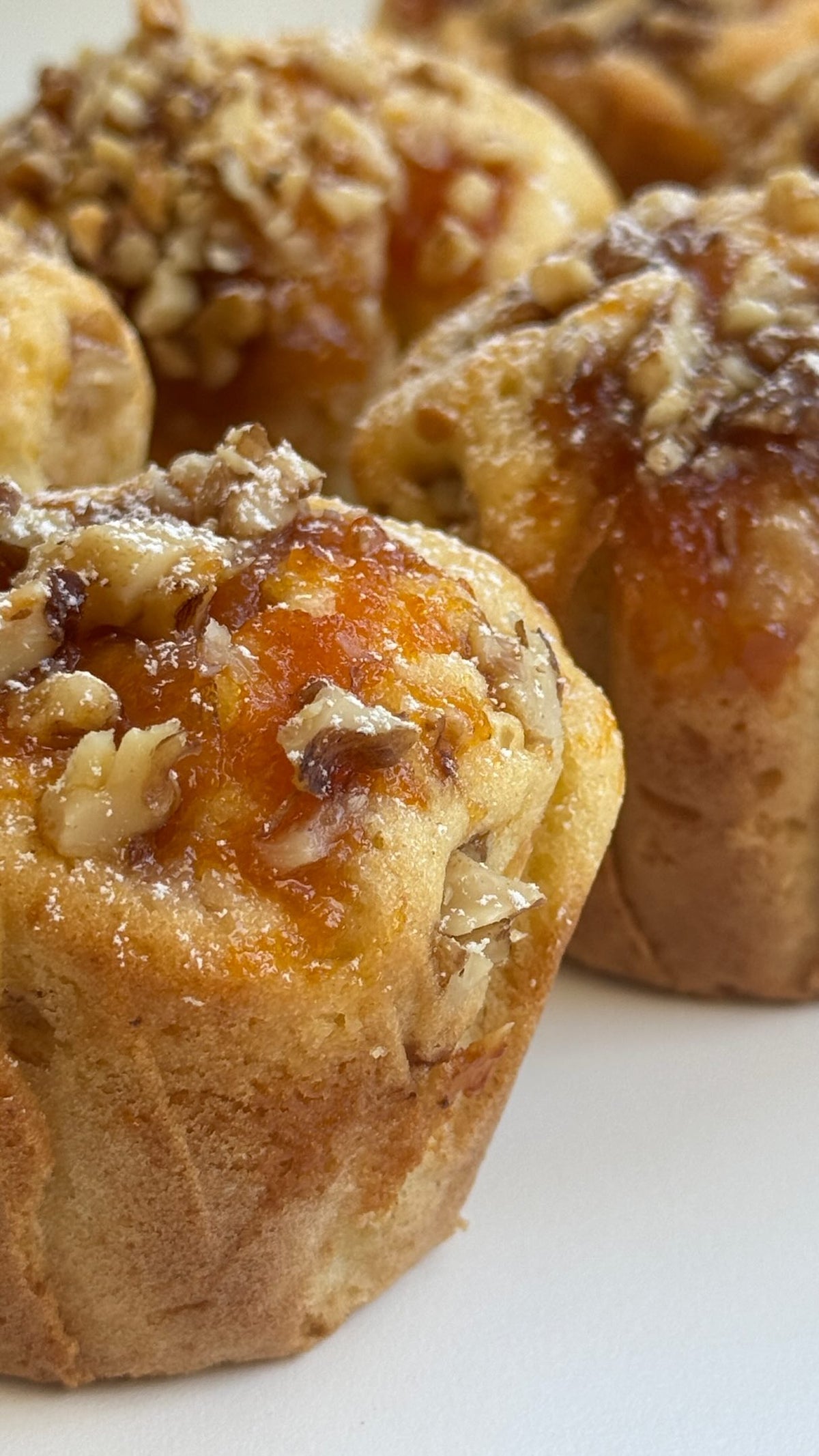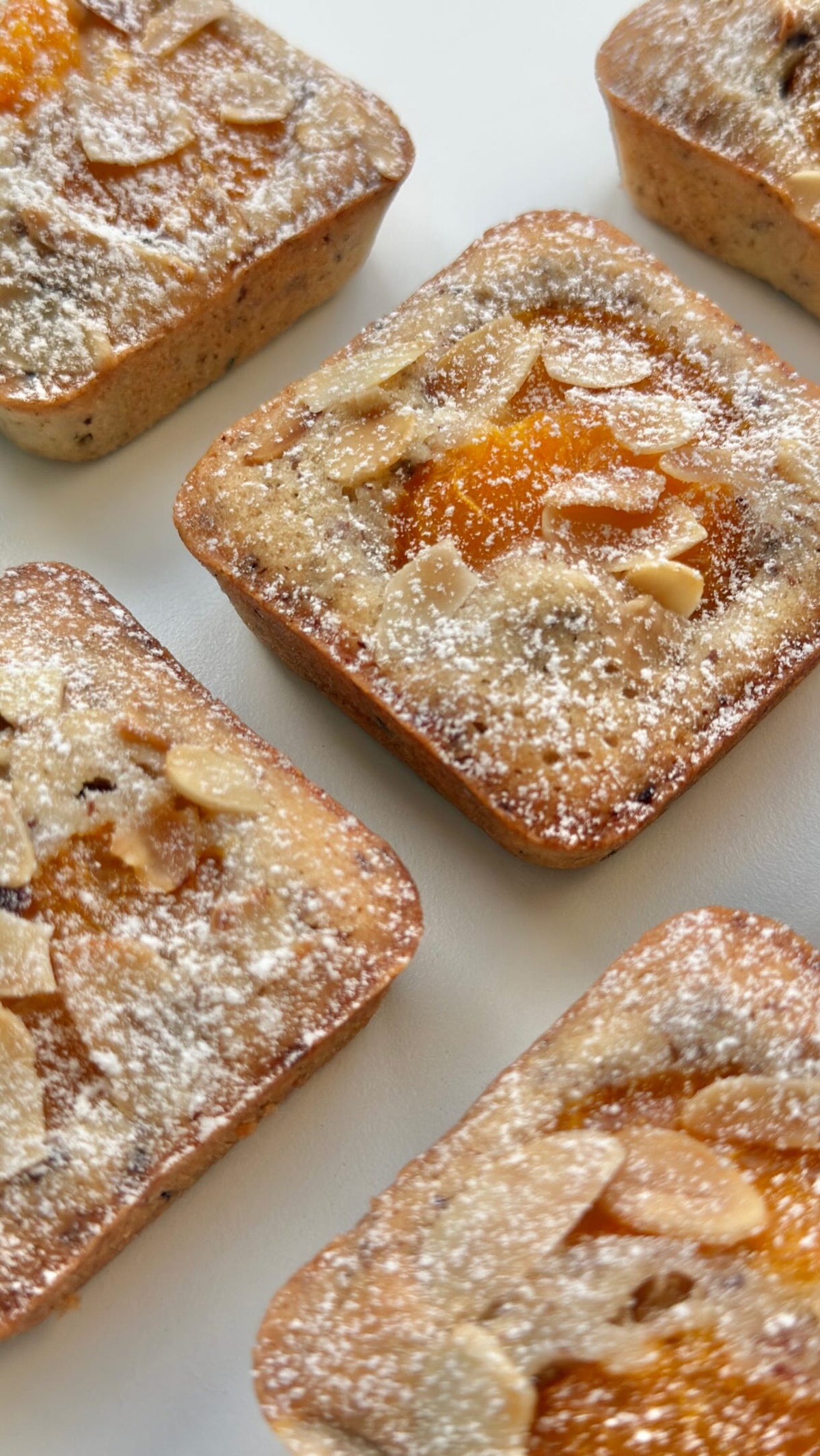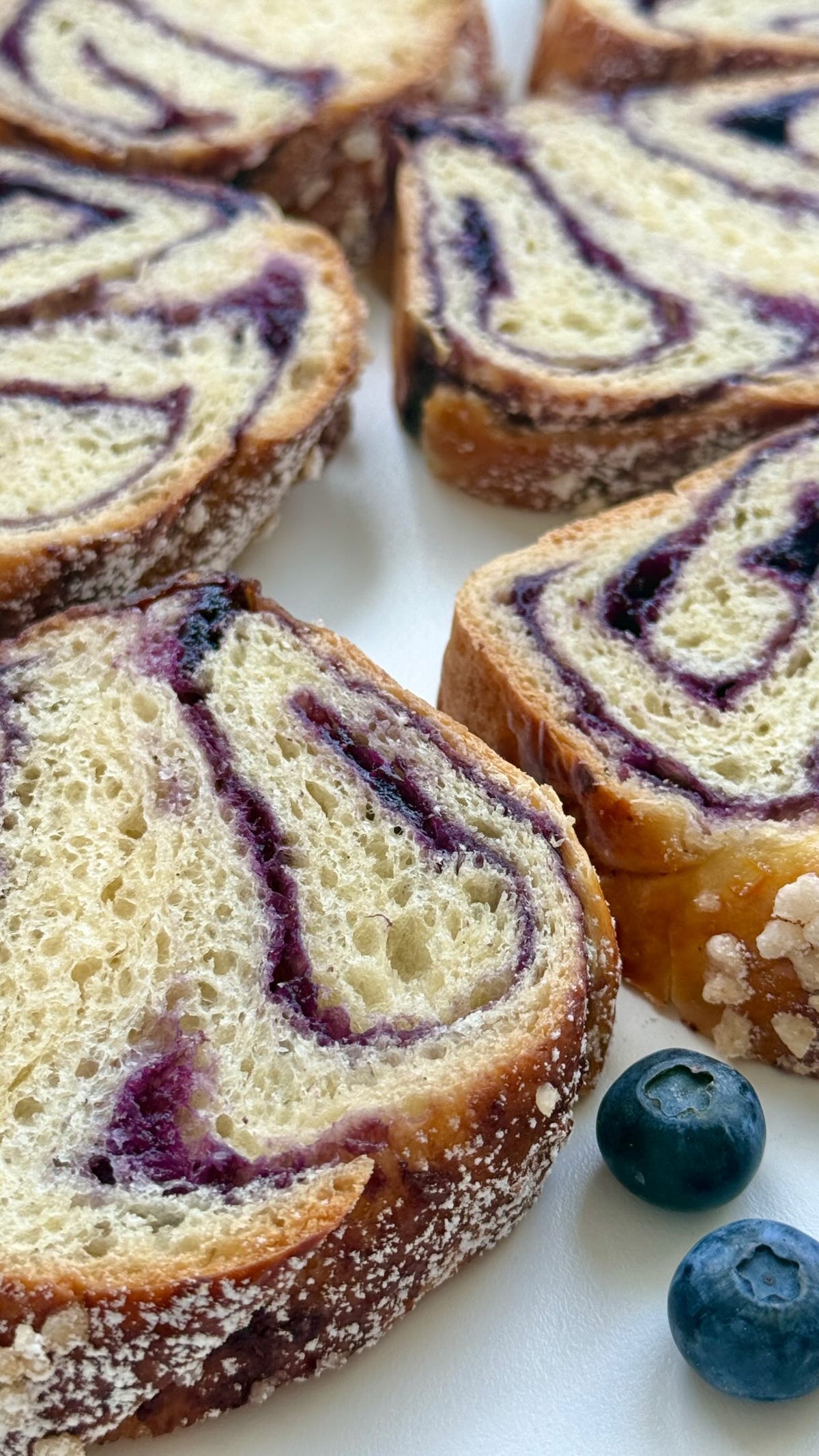


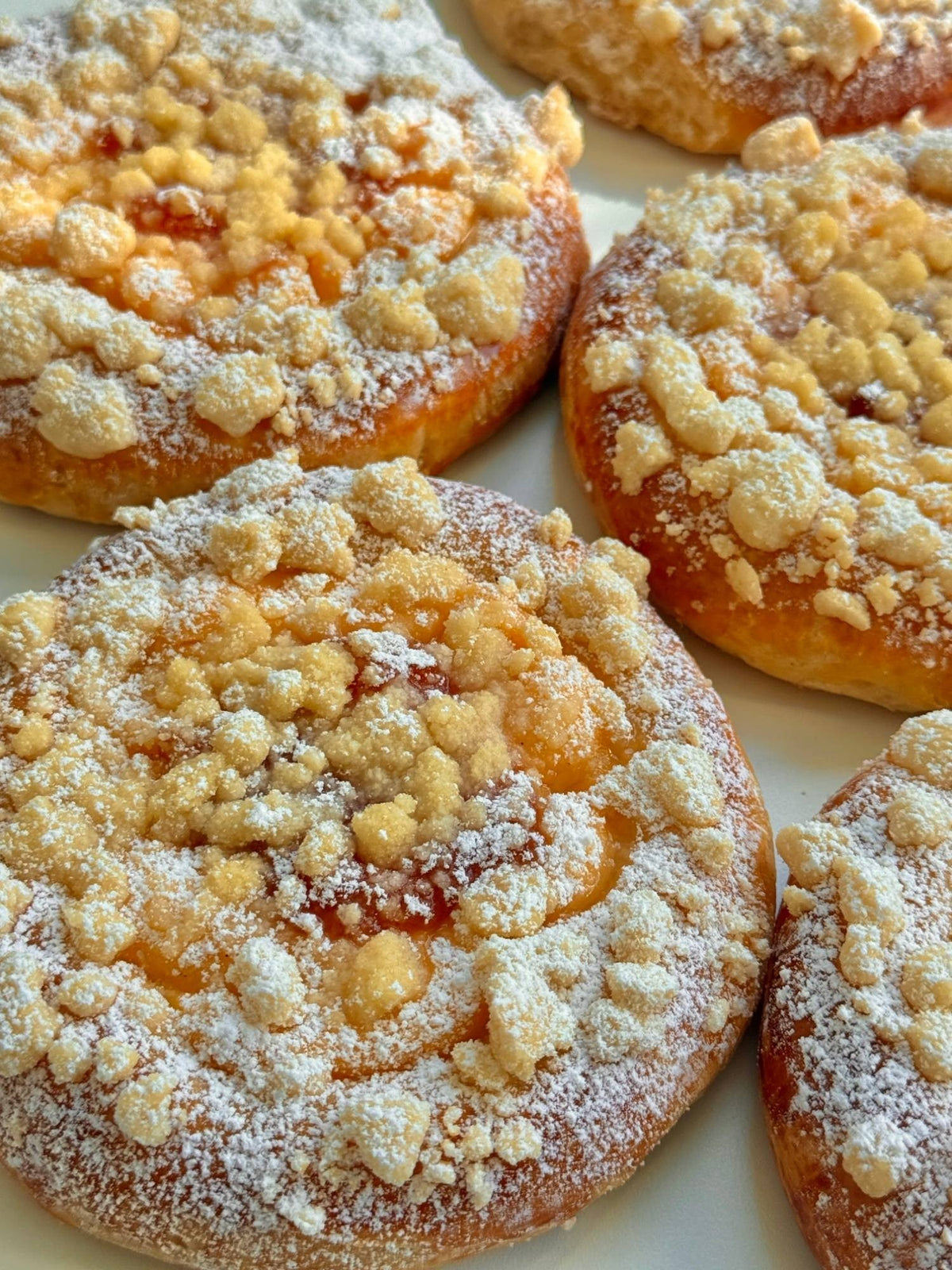
Franzbrötchen von Food with Style, fertig angerichtet
Pastry

Franzbrötchen

Estes Franzbrötchen ficam divinamente macios e têm um cheiro irresistível. Perfeitos para quem ama um docinho!

Compartilhar
Porções
6 peças
Preparo 1 hora
Cozimento 15 minutos

Ingredientes

  • Para a massa
  • Para o recheio

Modo de preparo

  1. 1
    Peneire a farinha em uma tigela e faça um buraco no centro. Coloque nele o fermento, 1 tsp de açúcar e 2-3 tbsp do leite morno. Misture delicadamente e deixe descansar por 10 minutos, até espumar.
  2. 2
    Junte à tigela o restante do leite, o açúcar, o ovo e o sal. Sove até obter uma massa lisa. Acrescente a manteiga em ponto de pomada aos pedaços e continue sovando até a massa ficar elástica. Cubra e deixe crescer em lugar morno por cerca de 1 hora, ou até dobrar de volume.
  3. 3
    Em outra tigela, misture o açúcar mascavo, a canela e a manteiga em ponto de pomada até formar uma pasta fácil de espalhar.
  4. 4
    Abra a massa com o rolo em uma superfície levemente enfarinhada, formando um retângulo de cerca de 20 x 30 cm (8 x 12 inches).
  5. 5
    Espalhe a mistura de manteiga com açúcar e canela por toda a massa, de maneira uniforme.
  6. 6
    Enrole a massa bem apertada a partir do lado mais comprido e corte em fatias de cerca de 5 cm ( 2 inches) de largura.
  7. 7
    Coloque as fatias com o corte para baixo em uma assadeira forrada com papel-manteiga. Com o auxílio de uma colher de pau, pressione firmemente o centro de cada fatia para dar aos Franzbrötchen o formato tradicional.
  8. 8
    Cubra e deixe crescer por mais 30 minutos.
  9. 9
    Preaqueça o forno a 180°C (350°F) com calor em cima e embaixo (160°C se for turbo). Asse os Franzbrötchen por 15-18 minutos, até dourarem.
  10. 10
    Pincele os Franzbrötchen ainda mornos com manteiga derretida e deixe esfriar cobertos com um pano. Se quiser, polvilhe com açúcar e canela ou açúcar de confeiteiro.

Video

Franzbrötchen Questions

After stirring the yeast with 1 tsp sugar and 2-3 tbsp lukewarm milk in the well, let it sit for 10 minutes as the recipe directs. You should see foam or bubbles on the surface - that means the yeast is alive and the dough will rise. If the mixture stays flat and smooth after 10 minutes, discard it and start again with fresh yeast, since the whole dough depends on this step.

Yes. The recipe already starts the yeast in lukewarm milk with a little sugar, so active dry yeast works in the same amount and simply needs the full 10 minutes to foam. Fresh yeast also works - crumble it into the milk in the well and stir until dissolved. Whichever you use, keep the milk lukewarm, not hot, or you will kill the yeast.

This usually happens when the butter in the filling is too soft or the dough is rolled too loosely. Mix the brown sugar, cinnamon, and butter into a spreadable paste rather than a runny one, and spread it evenly so no thick pockets form. Roll the dough tightly from the long side, and always bake on parchment paper as the recipe says - some caramel escaping is normal and lifts right off the paper.

Yes. Knead the dough through the butter stage, then cover it and let it rise slowly in the fridge overnight instead of at room temperature. The next morning, let it come back to room temperature before rolling it into the 20 x 30 cm rectangle, otherwise the cold dough will crack and the butter filling won't spread. Then continue with shaping, the 30-minute rise, and baking as written.

Let them cool completely, then keep them in an airtight container at room temperature - the butter in both the dough and the filling keeps them tender for a couple of days. To refresh them, warm them briefly in the oven at the same 180°C (350°F) until the filling softens again. They also freeze well once cooled; thaw and reheat the same way.

delicioso, testado e pronto para inspirar
Explore 400+ Receitas Saborosas