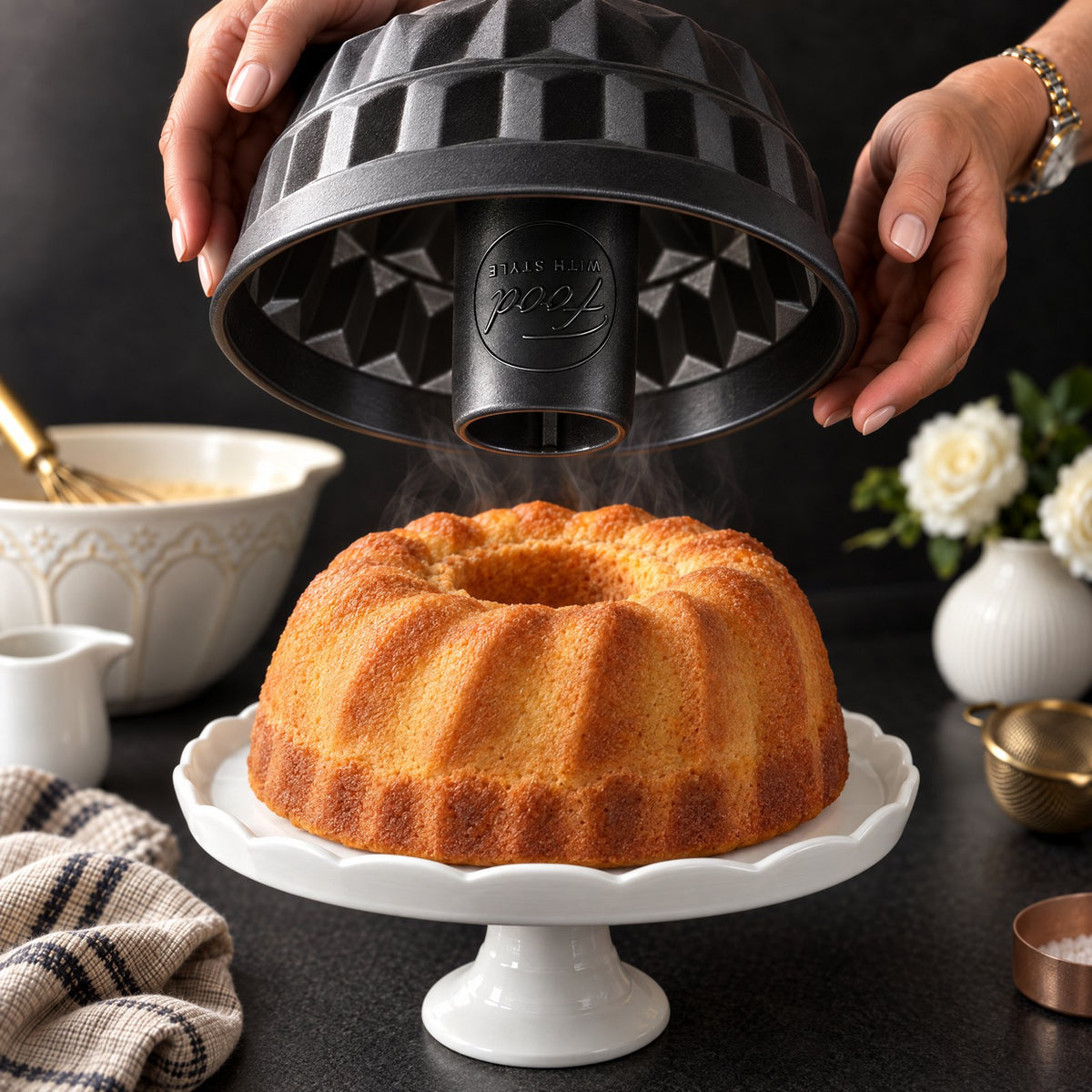


Caprilù al Limone von Food with Style, fertig angerichtet
Pastry

Caprilù al Limone

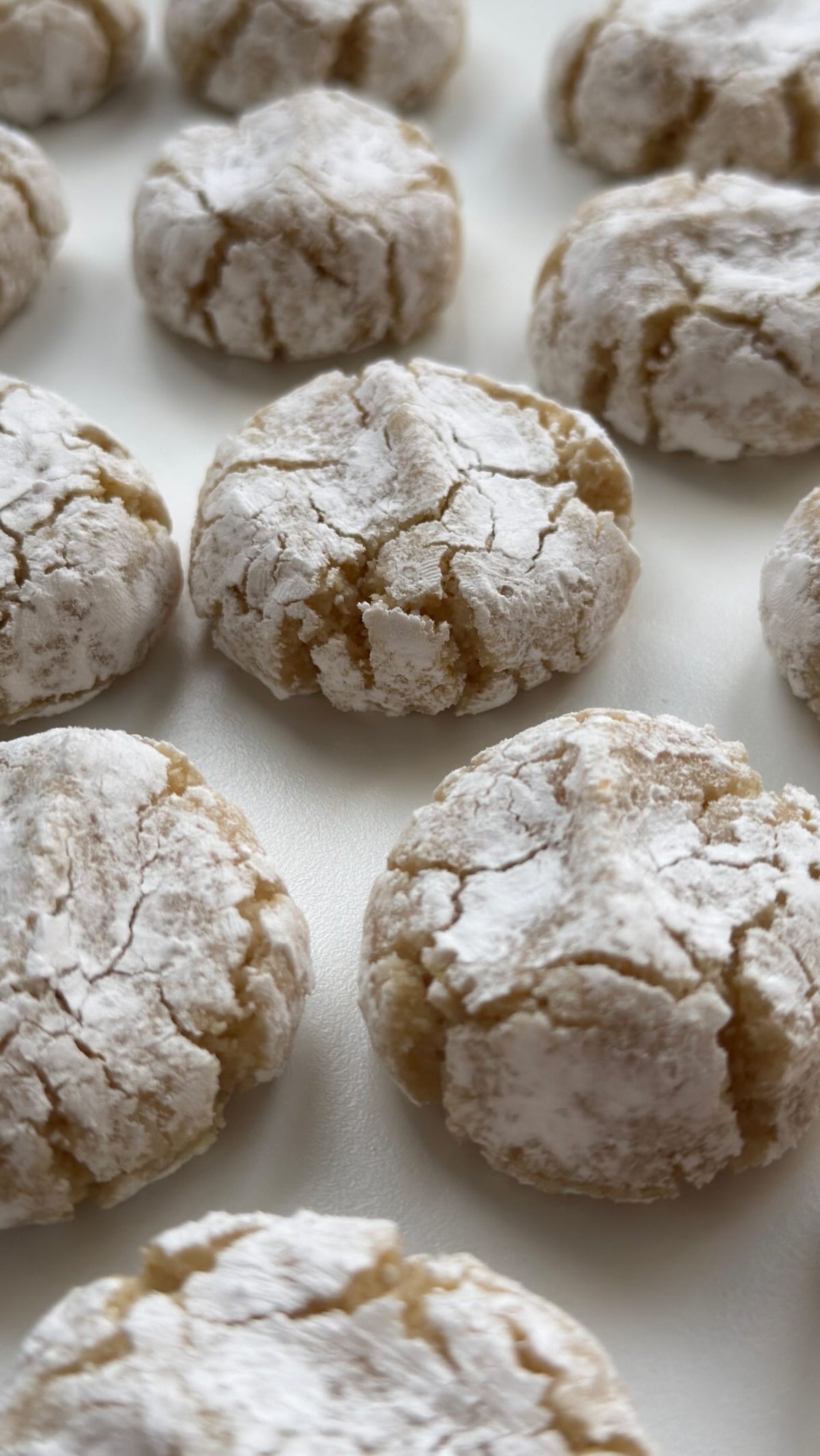
Os Caprilù são biscoitinhos tradicionais de amêndoa da Itália, muito populares em Capri. Ficam levemente crocantes por fora, macios por dentro e cheios de...

Compartilhar
Porções
20 peças
Cozimento 12 minutos

Ingredientes

Modo de preparo

  1. 1
    Misture bem o açúcar com as raspas de limão siciliano em uma tigela, até os aromas se incorporarem.
  2. 2
    Acrescente a farinha de amêndoas e misture novamente até ficar bem homogêneo.
  3. 3
    Incorpore aos poucos as claras levemente batidas e o suco de limão siciliano, até formar uma massa macia e levemente pegajosa. Se a massa ficar muito mole, adicione mais farinha de amêndoas aos poucos, até conseguir modelar.
  4. 4
    Com as mãos levemente umedecidas, modele porções pequenas da massa (aprox. 25 g cada) em retângulos um pouco alongados.
  5. 5
    Passe cada porção levemente no açúcar de confeiteiro e coloque em uma assadeira forrada com papel-manteiga. Com três dedos, pressione delicadamente o centro para formar o desenho típico dos Caprilù.
  6. 6
    Asse em forno preaquecido a 170 °C (340 °F) por 12-15 minutos. Os biscoitos devem continuar claros, sem dourar demais.
  7. 7
    Deixe os biscoitos esfriarem completamente antes de manusear, pois ficam muito macios quando saem do forno e firmam ao esfriar. Delicadamente crocantes por fora, macios e úmidos por dentro, com aroma fresco de limão siciliano - é assim que os Caprilù são na Itália.

Video

Caprilù al Limone Questions

The dough should be soft and slightly sticky, but still hold its shape when you press a piece together in your hand. If it feels too loose to shape, add a little more ground almonds a spoonful at a time rather than all at once. Moistening your hands before shaping keeps the sticky dough from clinging to your fingers.

Unblanched ground almonds work but give the cookies a darker, speckled look and a more rustic almond flavour. Very fine almond flour absorbs more moisture, so start with a little less than the full 300 g and add the rest only if the dough stays too wet. Avoid almond meal that has been defatted, as it makes the cookies dry rather than tender.

Let them cool completely first, then store them in an airtight tin at room temperature so the outside stays delicately crisp while the inside remains soft. Don't refrigerate them, as the moisture makes the powdered sugar coating dissolve and turn sticky. If the coating fades after a few days, dust the cookies with a little fresh powdered sugar before serving.

Yes, you can mix the dough and keep it covered in the fridge for a few hours, then let it come back to room temperature before shaping so it is pliable. You can also shape and sugar-coat the cookies and leave them on the lined baking sheet until you are ready to bake. Mixing the sugar with the lemon zest a little in advance is fine too and lets the aroma develop further.

The biggest one is overbaking: after 12-15 minutes at 170 °C the cookies should still look pale, and any noticeable browning means they will turn dry instead of tender. The second is moving them too early, since they are very soft straight from the oven and only firm up as they cool. Finally, adding all the egg white at once can make the dough too wet, so fold it in gradually along with the lemon juice.

delicioso, testado e pronto para inspirar
Explore 400+ Receitas Saborosas