

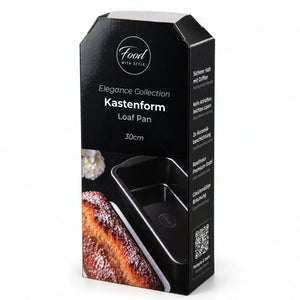
Brutti ma Buoni von Food with Style, fertig angerichtet
Pastry

Brutti ma Buoni

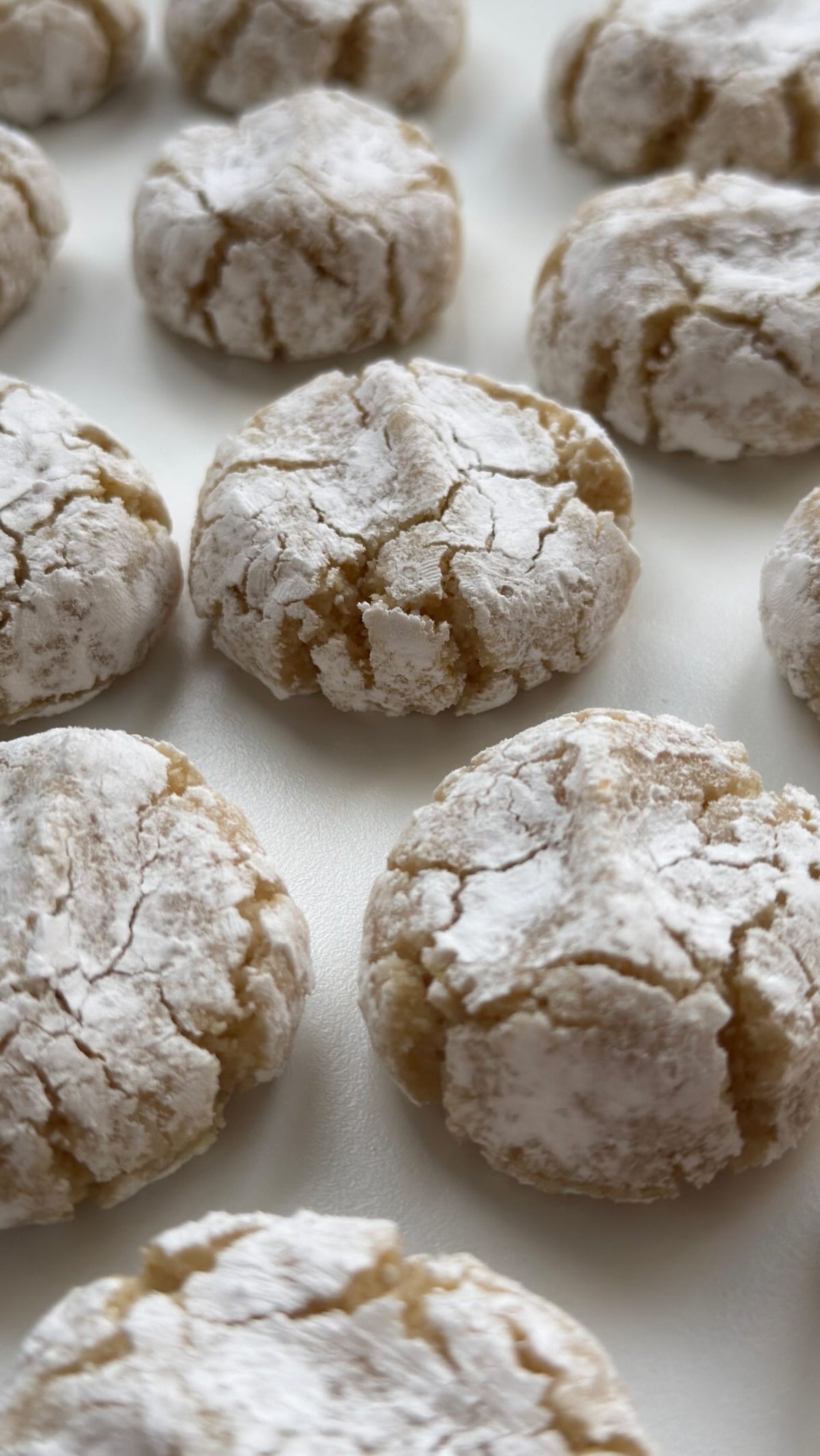
Crocante por fora, macio e mastigável por dentro. Esses biscoitos italianos tradicionais são simples, puros e naturalmente deliciosos.

Compartilhar
Porções
22 biscoitos
Cozimento 18 minutos

Ingredientes

Modo de preparo

  1. 1
    Preaqueça o forno a 150 °C (300 °F) com calor em cima e embaixo. Forre uma assadeira com papel-manteiga.
  2. 2
    Torre as avelãs na assadeira por 8-10 minutos a 160 °C (320 °F). Pique grosseiramente - deixe pedaços maiores para dar textura.
  3. 3
    Bata as claras em neve firme. Junte o sal e continue batendo, depois acrescente o açúcar aos poucos até a mistura ficar brilhante e firme. Incorpore a baunilha.
  4. 4
    Adicione as castanhas delicadamente com uma espátula, misturando com movimentos envolventes. A massa fica grossa e pegajosa - é assim mesmo.
  5. 5
    Aqueça a massa levemente (método tradicional): leve a uma panela e mexa em fogo baixo por 2-3 minutos, até engrossar um pouco. Não deixe ferver.
  6. 6
    Modele os biscoitos: com duas colheres de chá, coloque montinhos rústicos e irregulares na assadeira - o formato torto é tradicional.
  7. 7
    Asse por 18-22 minutos, até ficarem levemente dourados por fora, mas ainda macios por dentro. Eles firmam só um pouquinho ao esfriar.
  8. 8
    Deixe esfriar completamente. Macios, com muita castanha, rústicos e cheios de charme italiano - o docinho perfeito para acompanhar um café ou chá.

Video

Brutti ma Buoni Questions

Yes - the recipe already allows a blend of 70% hazelnuts and 30% almonds, and you can push that further toward almonds if you prefer a milder flavour. Keep the total nut weight at 210 g so the ratio of nuts to meringue stays the same, otherwise the mixture becomes either too loose or too dry. Roast and roughly chop whatever nuts you use, since the small chunks are what give these cookies their texture.

Let them cool completely first - they only firm up slightly as they cool, and packing them warm traps steam that turns the soft interior sticky. Store them in an airtight tin at room temperature, ideally with parchment between the layers, since the sugary surface makes them cling to each other. Keep them away from the fridge: the moisture there softens the crisp outside.

It's best not to. The beaten egg whites lose volume and start weeping if the mixture sits, and once the nuts are folded in, the batter gets progressively wetter. What you can do ahead is roast and chop the hazelnuts - that step is done a day or two in advance without any loss, so on baking day you only whip, fold, warm and shape.

Almost always fat: a trace of yolk in the whites or a greasy bowl or beater will stop them from holding. Wipe the bowl dry and start with fresh whites if any yolk got in. Also add the 150 g sugar gradually rather than all at once - dumping it in collapses the foam before it turns glossy and stable.

Go by colour and edge, not by firmness: after 18-22 minutes at 150 °C they should be lightly golden on the outside while the centre still gives. Don't wait for them to feel crisp on the sheet - they set up as they cool, so a cookie that already feels firm in the oven will be dry. If your mounds are larger than two teaspoons' worth, lean toward the upper end of the time range.

delicioso, testado e pronto para inspirar
Explore 400+ Receitas Saborosas