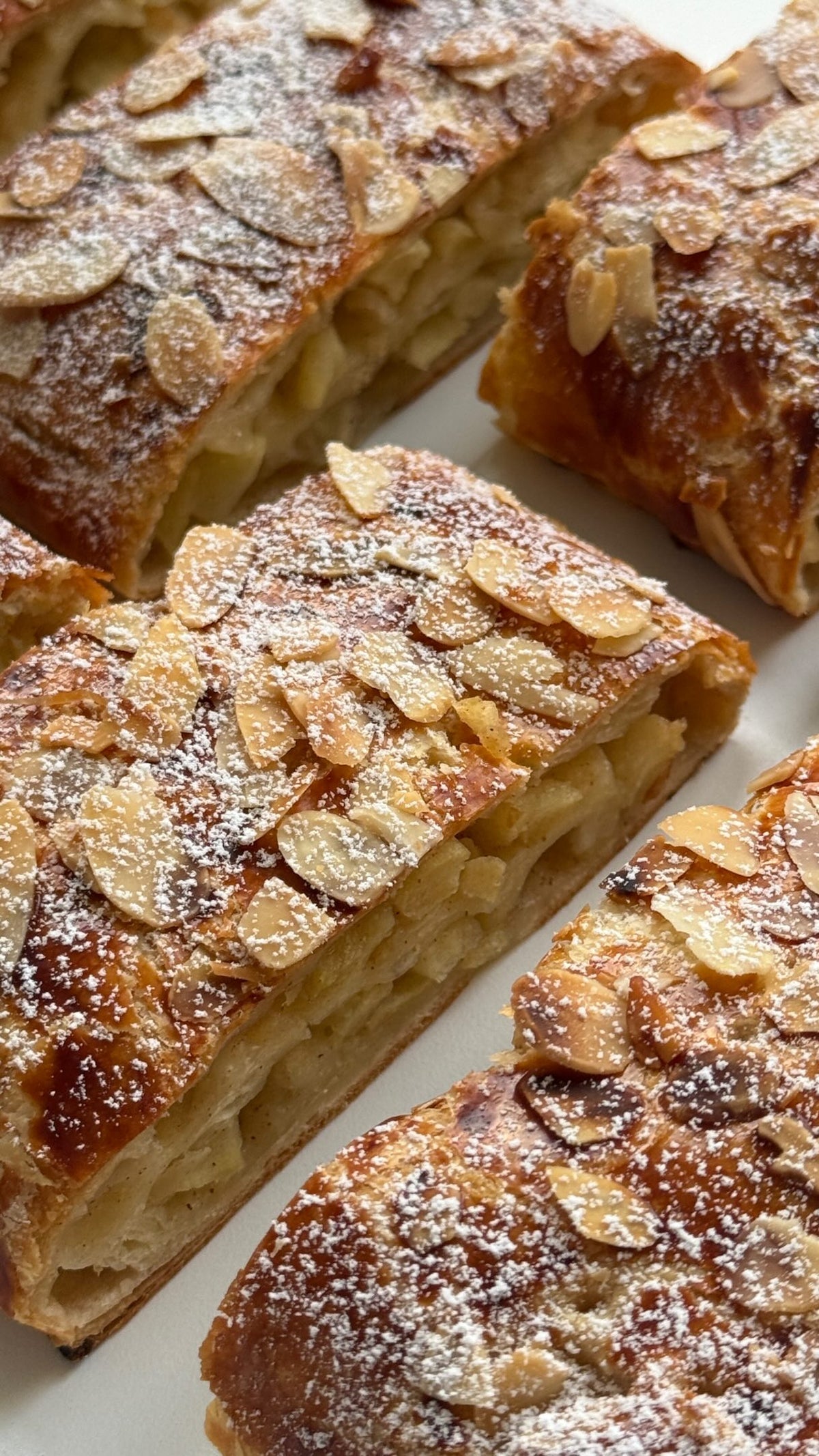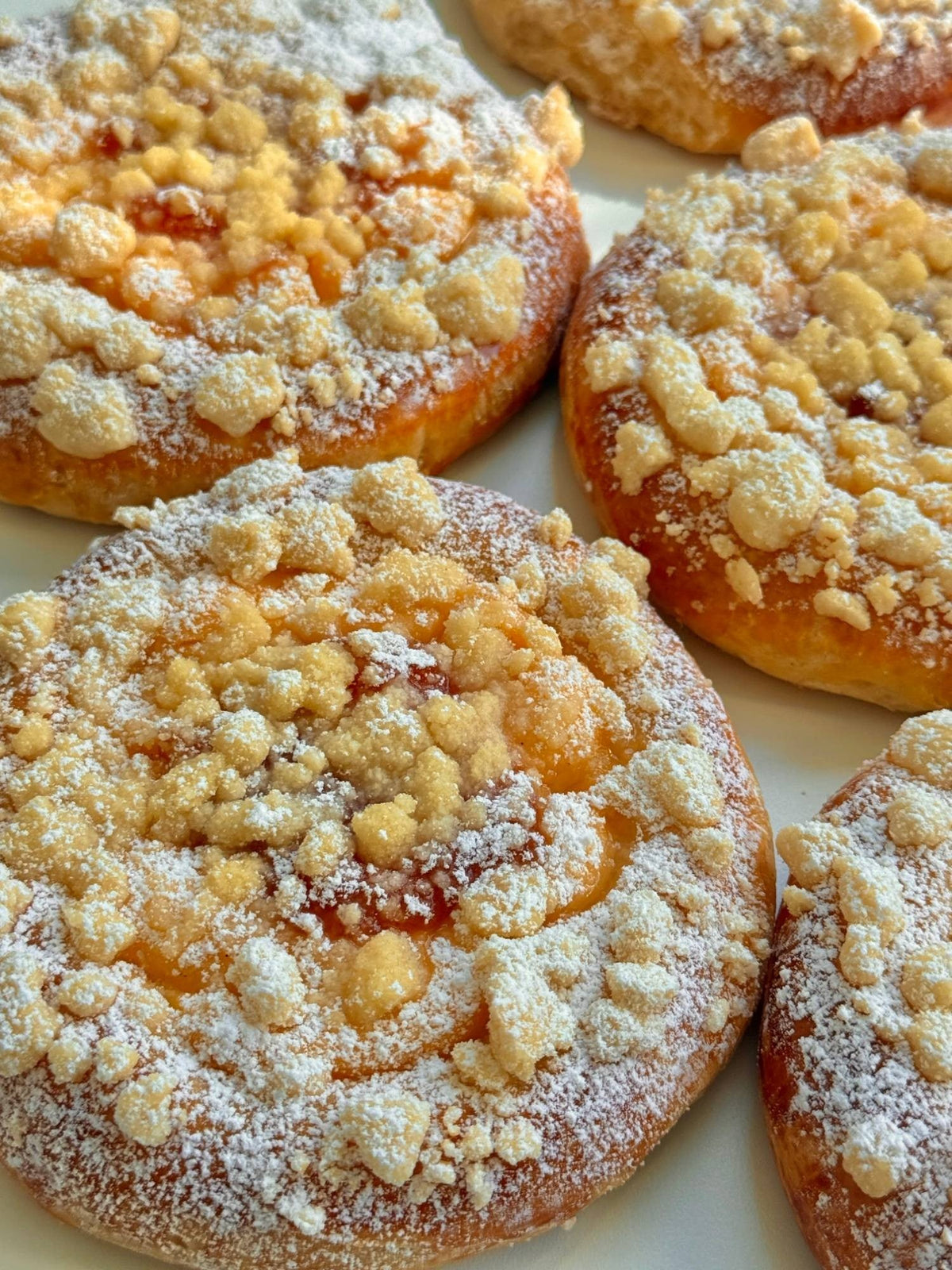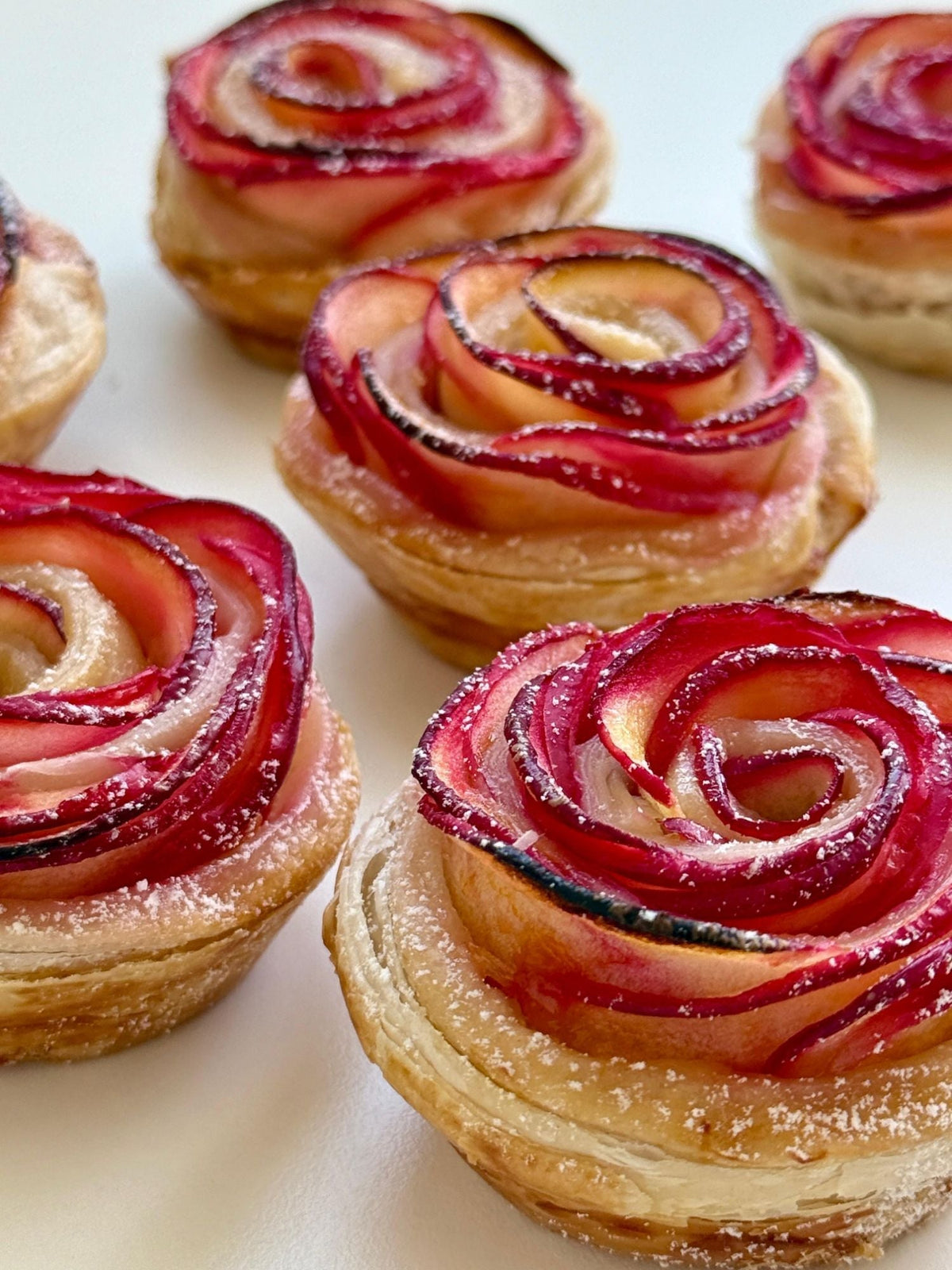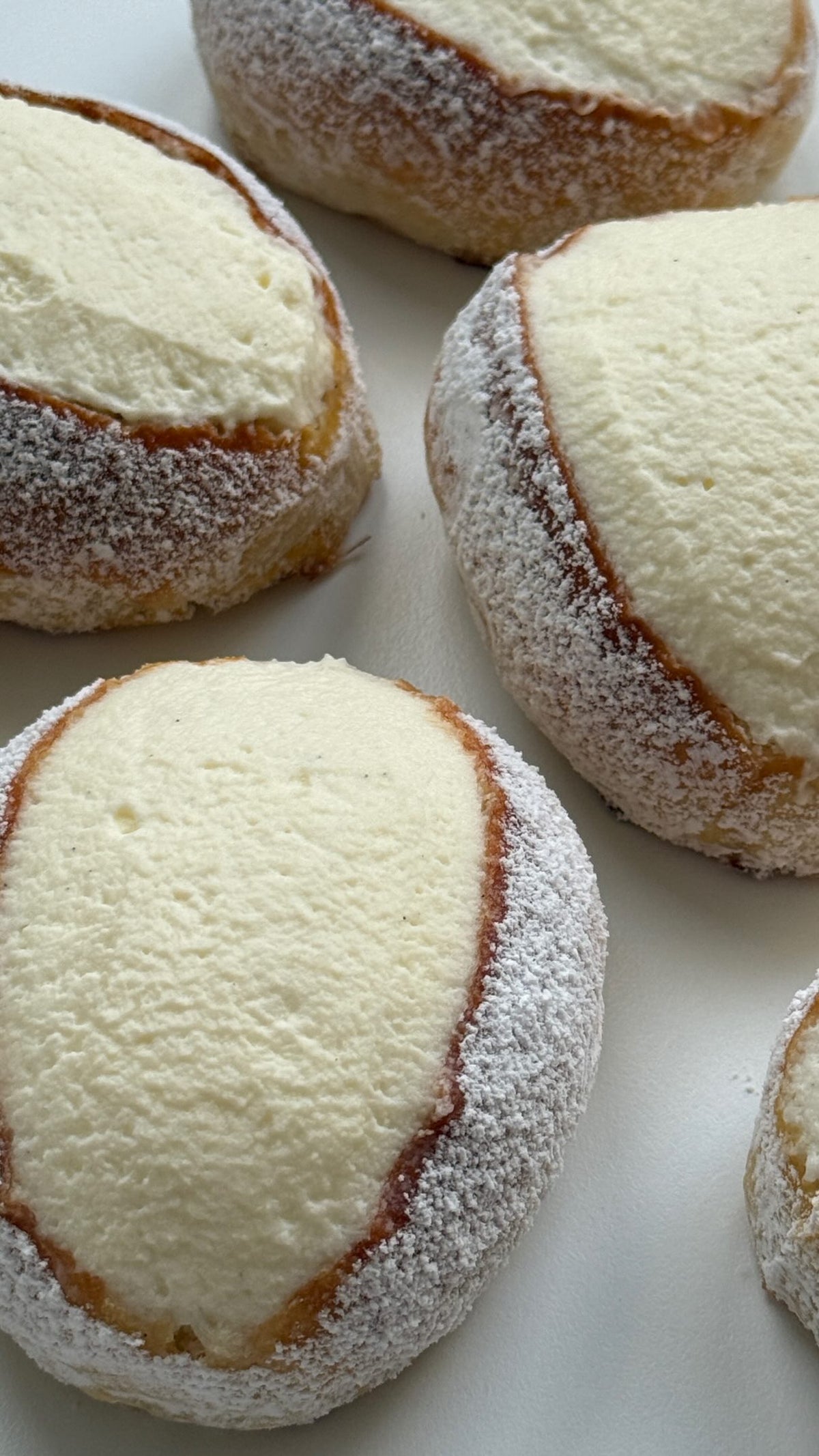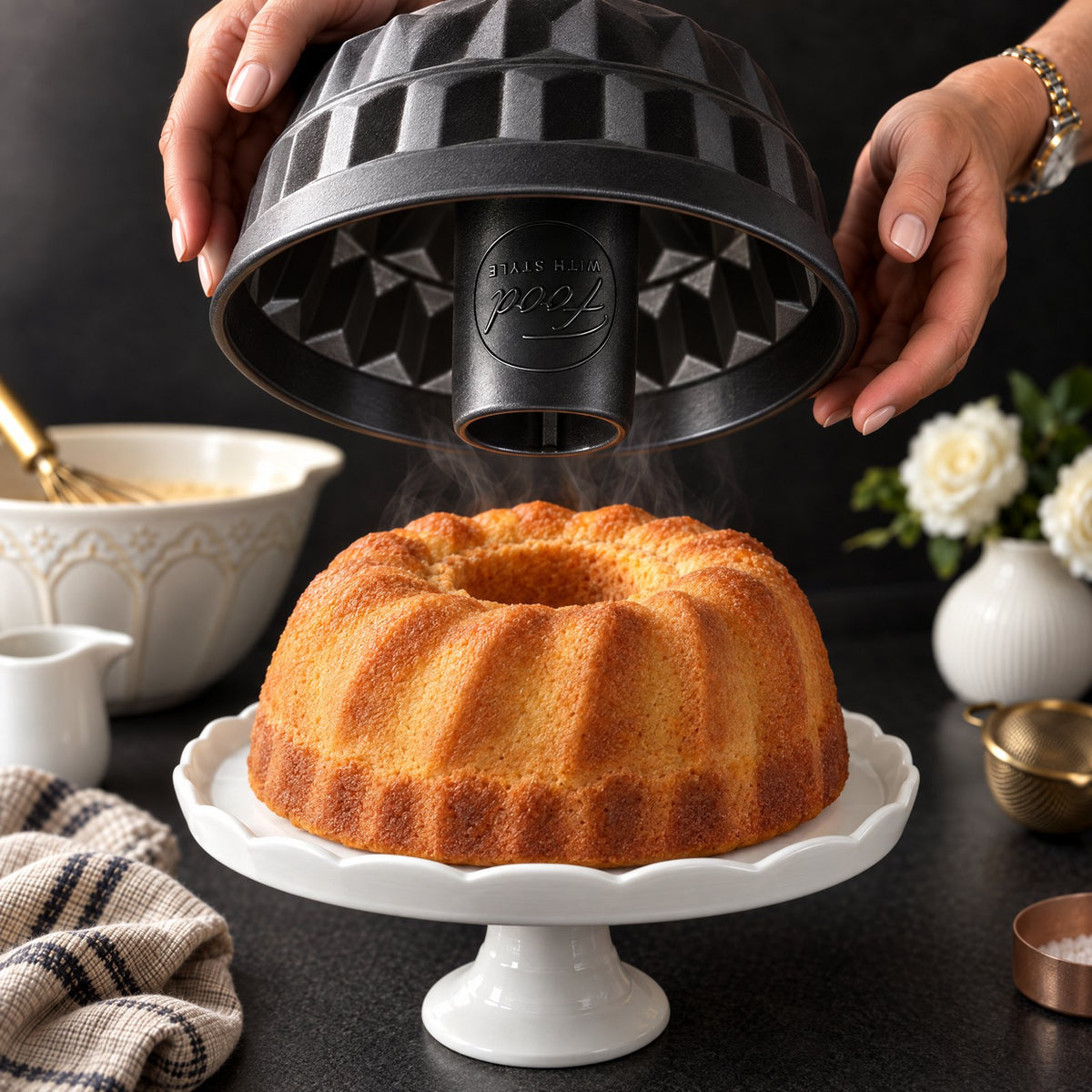


Brioche Parisienne von Food with Style, fertig angerichtet
Brioche

Receita de Brioche Parisienne

O Brioche Parisienne (Brioche à Tête), um dos destaques da confeitaria francesa, é amado pela textura macia e amanteigada e pelo formato elegante. Perfeito...

Compartilhar
Cozimento 20 minutos

Ingredientes

Modo de preparo

  1. 1
    Peneire a farinha em uma tigela e faça um buraco no centro. Coloque o fermento biológico seco no buraco, acrescente uma colher de chá de açúcar e o leite morno. Misture e deixe espumar por alguns instantes.
  2. 2
    Junte os ovos no centro e sove tudo até formar uma massa lisa.
  3. 3
    Incorpore a manteiga em ponto de pomada aos poucos, sovando até a massa ficar lisa e elástica.
  4. 4
    Cubra a massa e deixe crescer em temperatura ambiente por cerca de 1 hora, ou até dobrar de volume.
  5. 5
    Divida a massa em 45 porções iguais, de aproximadamente 12 g cada. Monte cada brioche colocando 4 bolinhas como base em uma forma de muffin untada e, em seguida, acrescente mais uma bolinha no centro, formando um desenho de flor.
  6. 6
    Deixe os brioches modelados crescerem por mais 45 minutos, cobertos.
  7. 7
    Pincele os brioches com a gema e asse em forno preaquecido a 180°C (350°F) (calor convencional) por 20-25 minutos, ou até ficarem dourados.
  8. 8
    Depois de assar, pincele os brioches com um pouco de manteiga derretida e deixe esfriar. Quentinhos ou frios - esses brioches são uma delícia! Bom apetite!

Video

Brioche Parisienne Questions

A brioche dough with 100 g butter to 250 g flour is meant to feel slack and tacky, so don't panic and don't rescue it with extra flour. Add the softened butter gradually as the recipe says, kneading each addition in fully before the next, and keep going until the dough turns smooth and elastic. If it still smears, chill it for 20-30 minutes and knead again - cold butter firms up and the dough pulls together.

Yes - the 3 g of dry yeast can be replaced with about 9 g of fresh yeast, crumbled into the well with the teaspoon of sugar and the lukewarm milk exactly as described. For the 2 tablespoons of milk, any plant drink works since the amount is small and the richness comes from the eggs and butter. The butter itself is harder to substitute: it carries the flavour and the tender crumb, so a firm block-style vegan butter is the only swap worth making.

Keep them at room temperature in a bread box or a paper bag rather than the fridge, which dries an egg-and-butter dough out fast. They're at their best on baking day, so for anything beyond that freeze them once fully cooled and warm them straight from frozen in a 180°C (350°F) oven for a few minutes. The brush of melted butter after baking also helps keep the crust soft.

Yes, and it's the friendliest way to bake these for breakfast. Instead of the 1-hour rise at room temperature, cover the kneaded dough and let it rise slowly in the fridge overnight - the cold dough is also far easier to divide into the 45 small 12 g pieces and roll smooth. Next morning, shape the brioches in the greased muffin tin, let them do their second rise of about 45 minutes (a little longer if the dough is still cold), then brush with egg yolk and bake.

The classic culprit is a top ball that's just resting on the base instead of being anchored into it - press it down firmly into the centre of the four base balls so it sits in a proper dip. Also brush the egg yolk carefully over the top rather than letting it pool where the ball meets the base, since egg wash running into that seam works like glue in the wrong place and can push the head sideways. Finally, don't overproof the second rise: after roughly 45 minutes the shaped brioches should still feel springy, not slack and puffy.

delicioso, testado e pronto para inspirar
Explore 400+ Receitas Saborosas