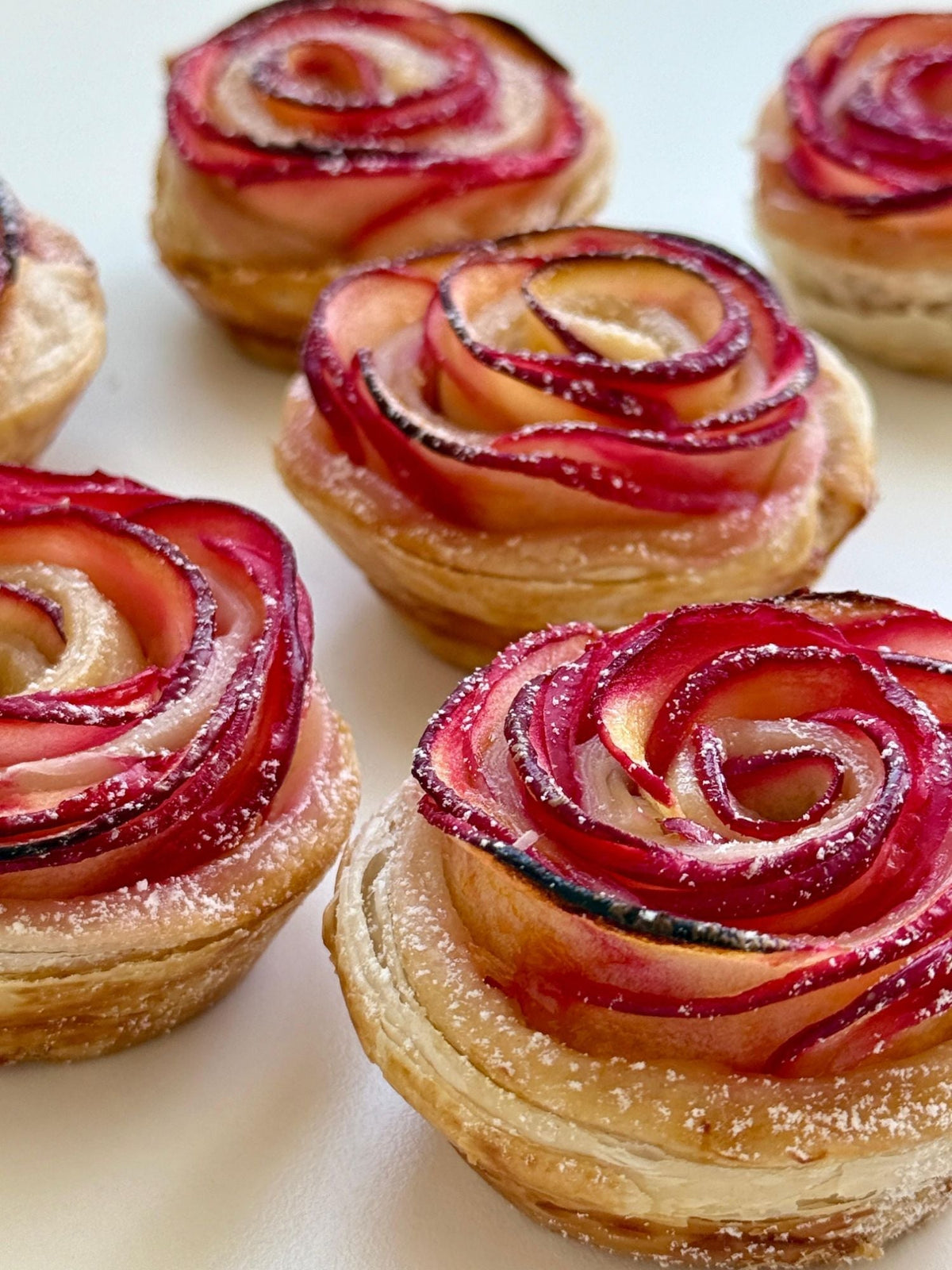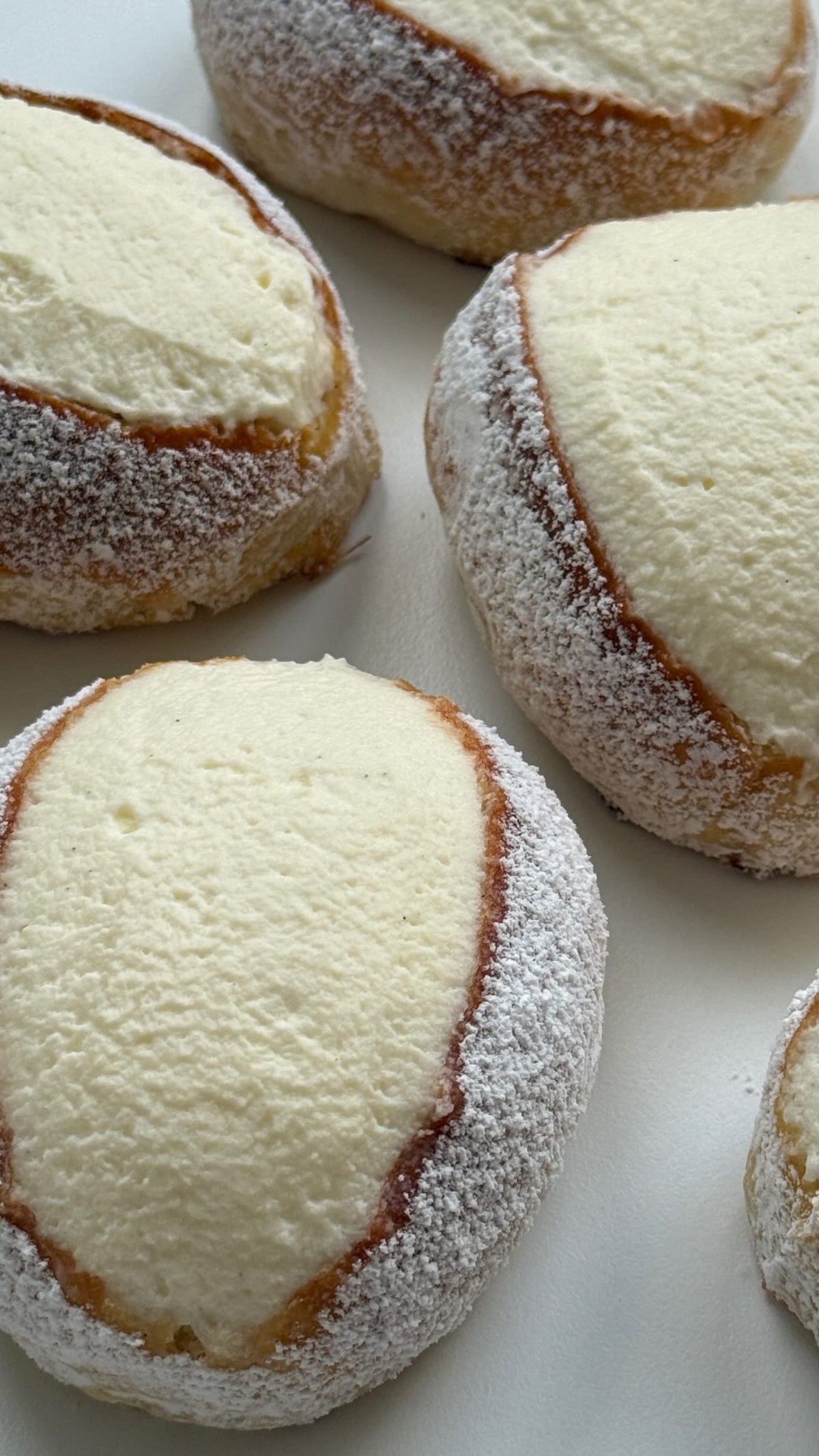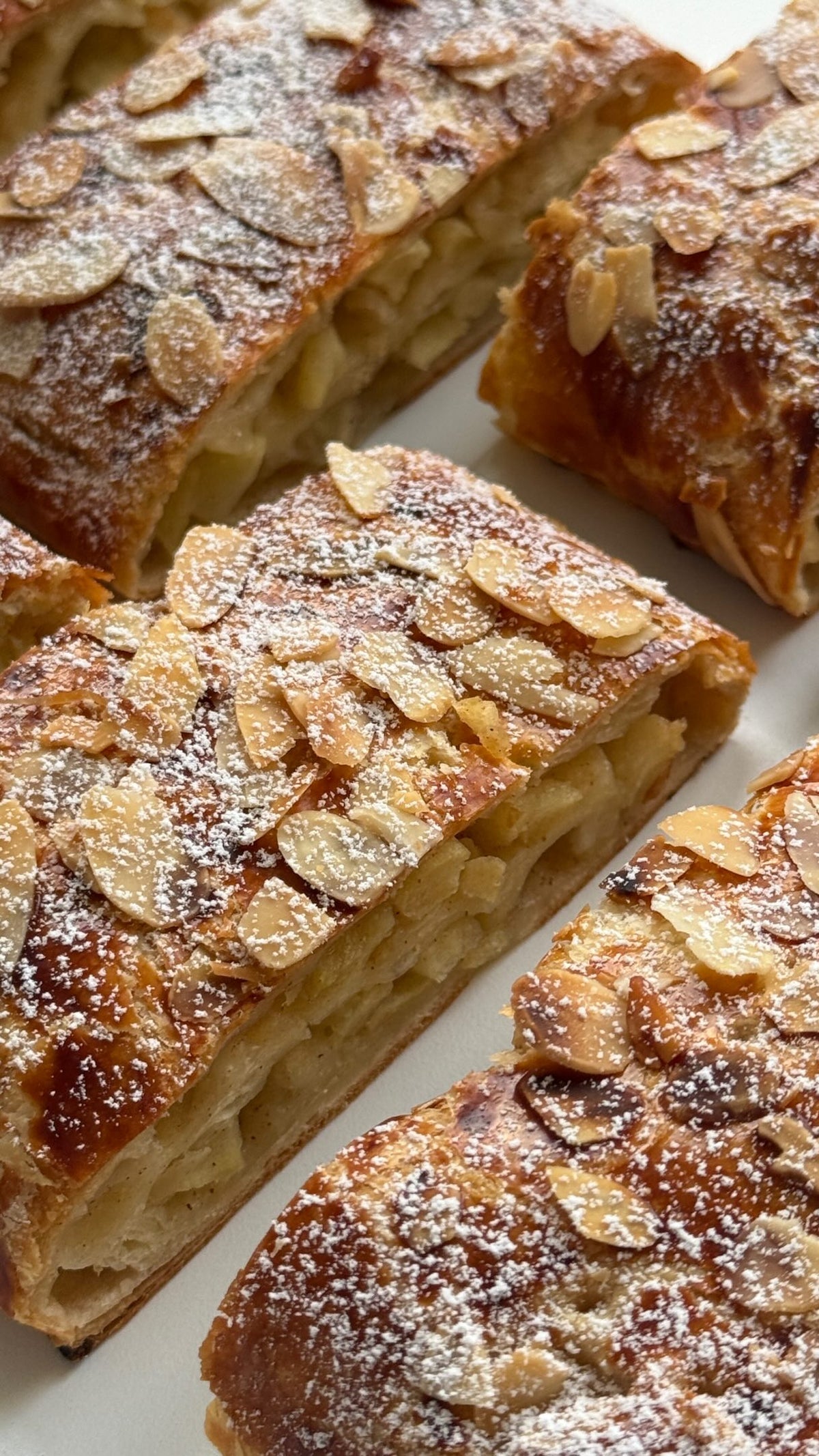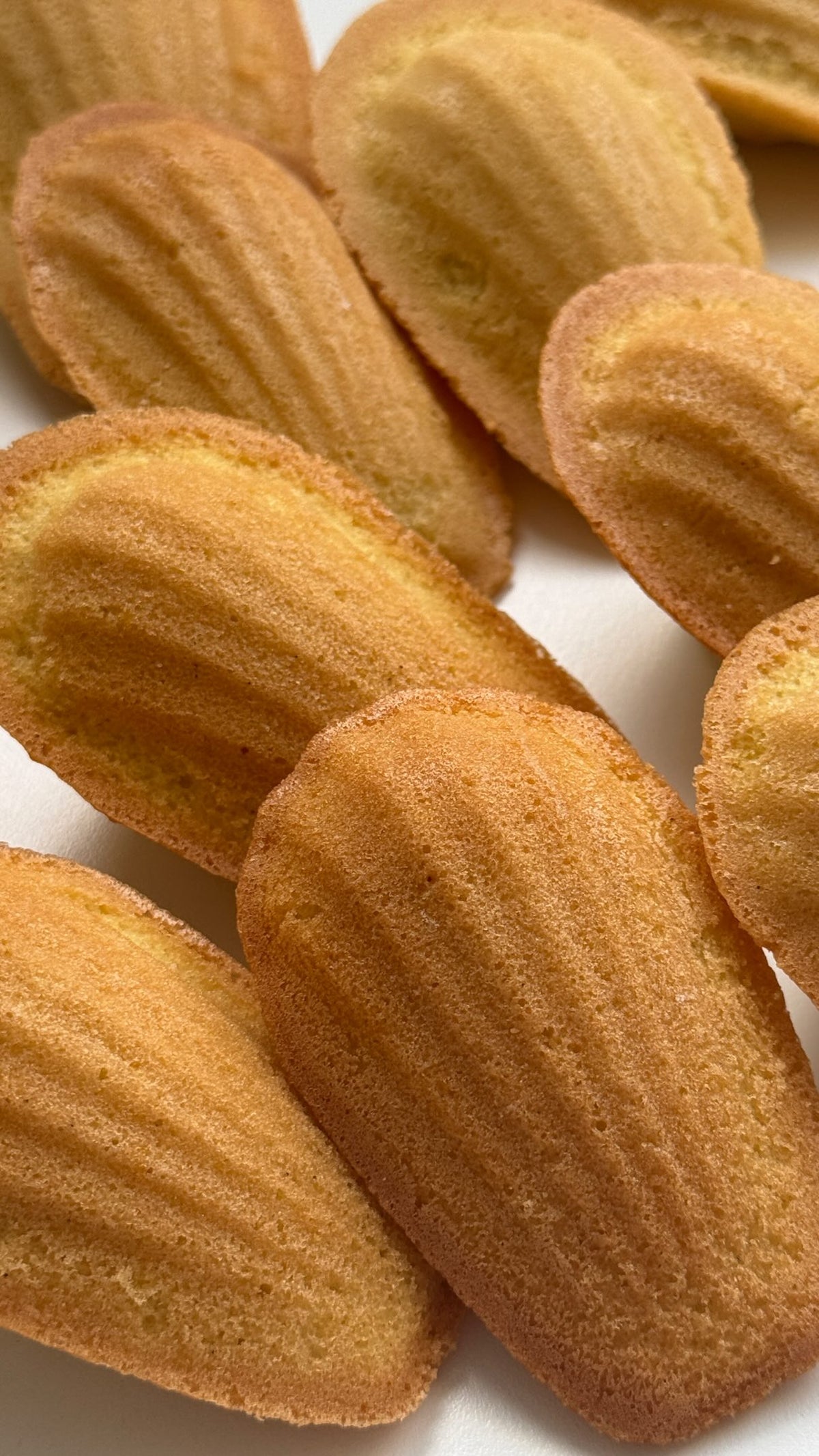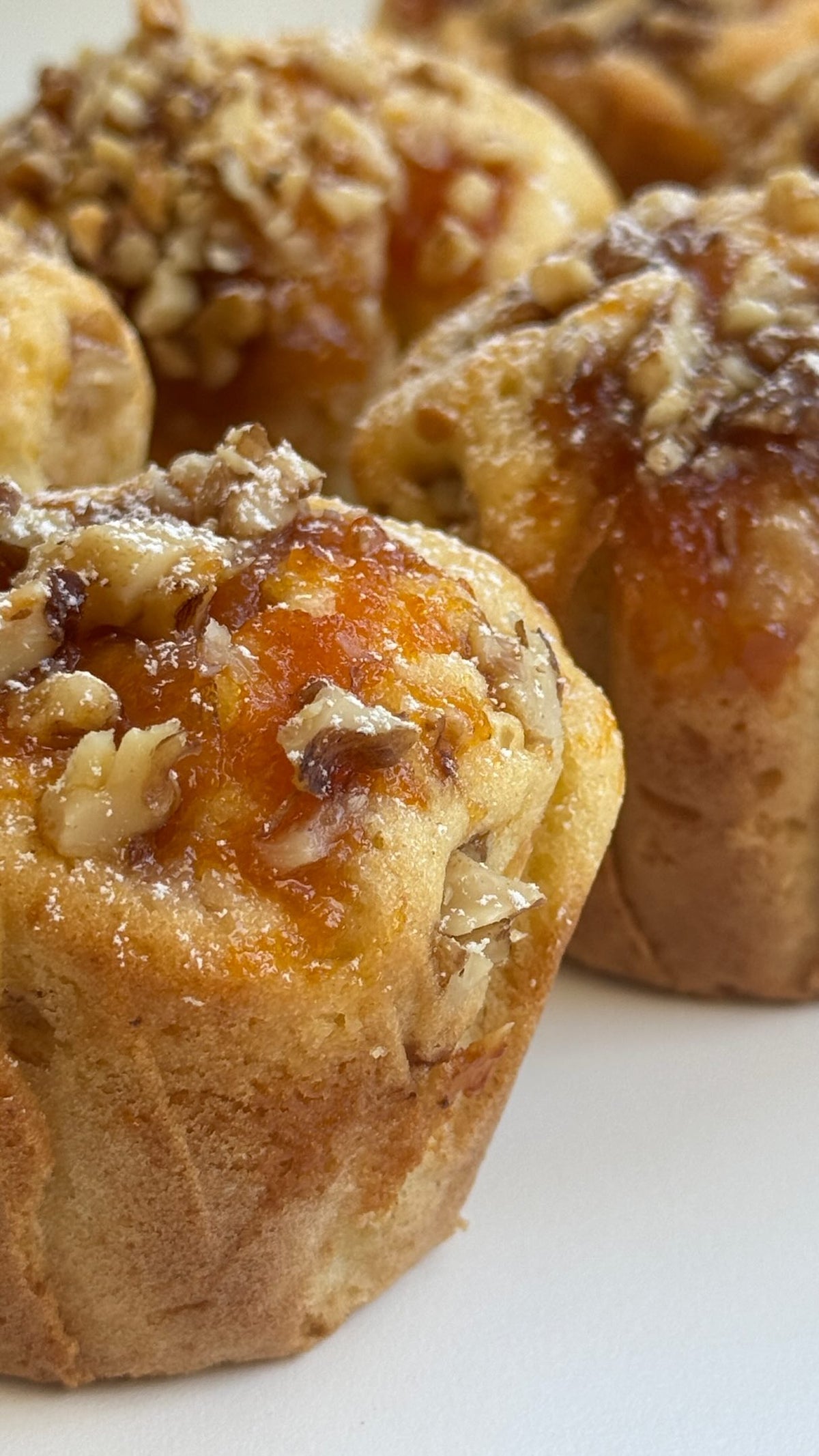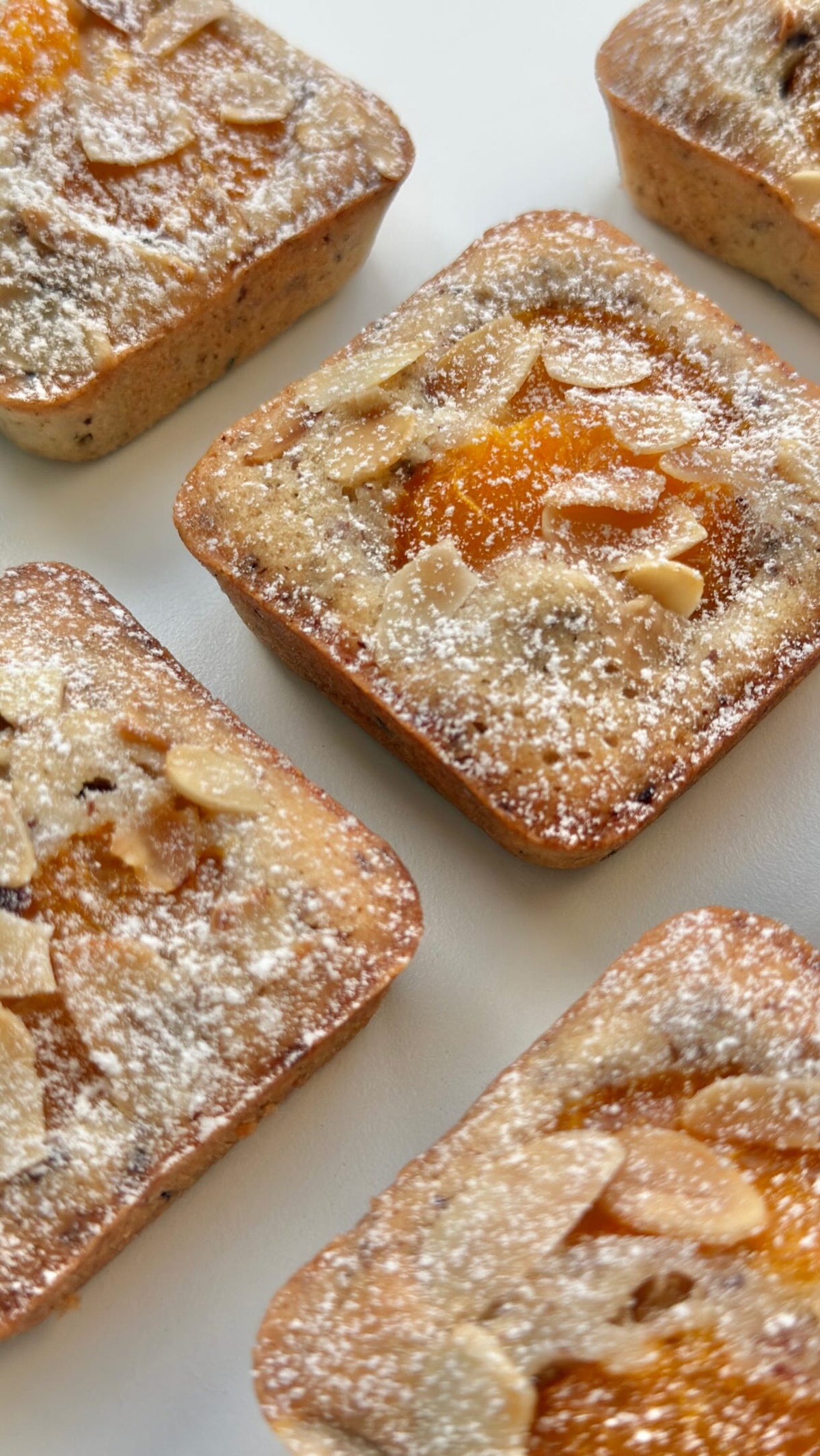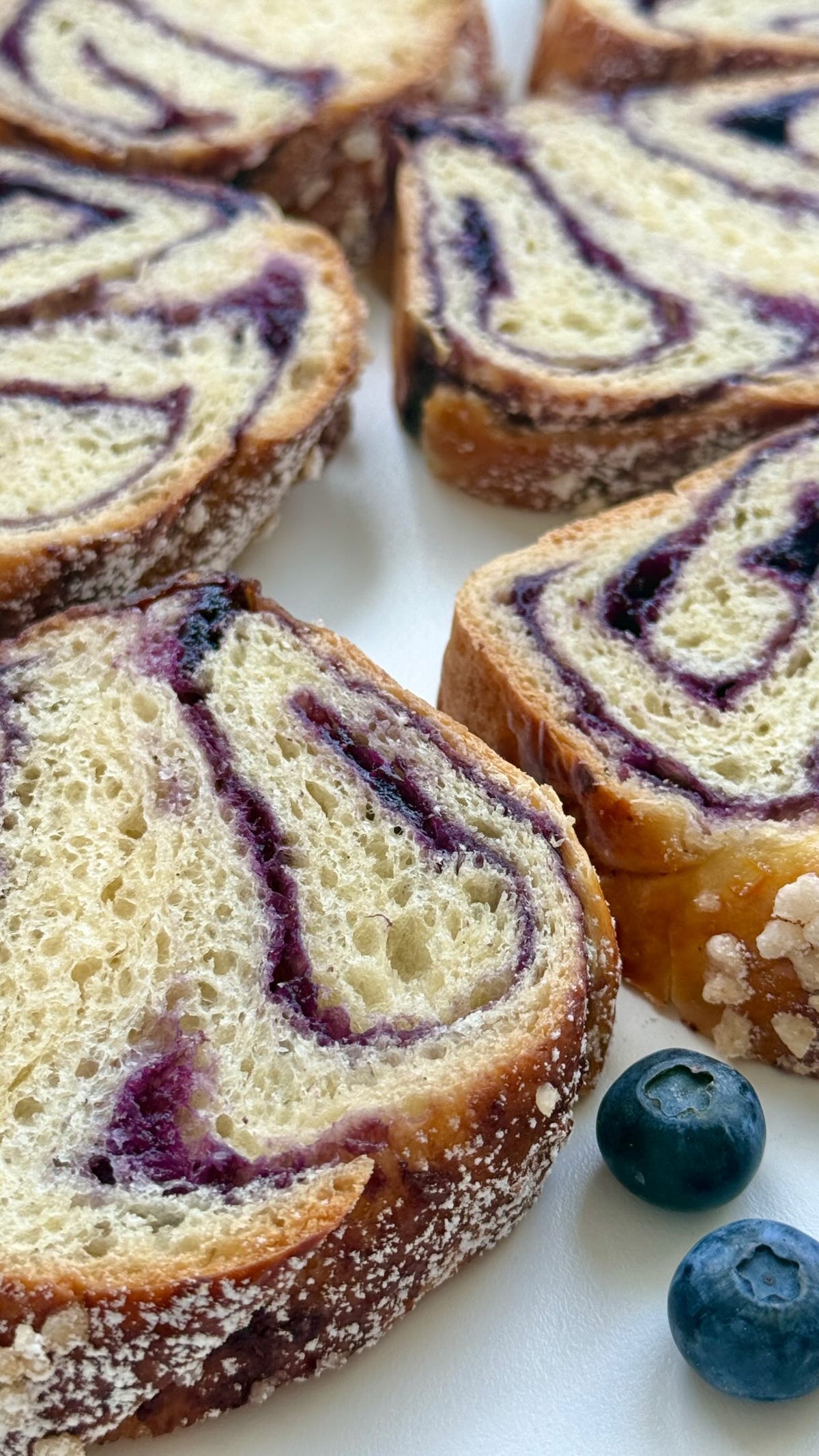

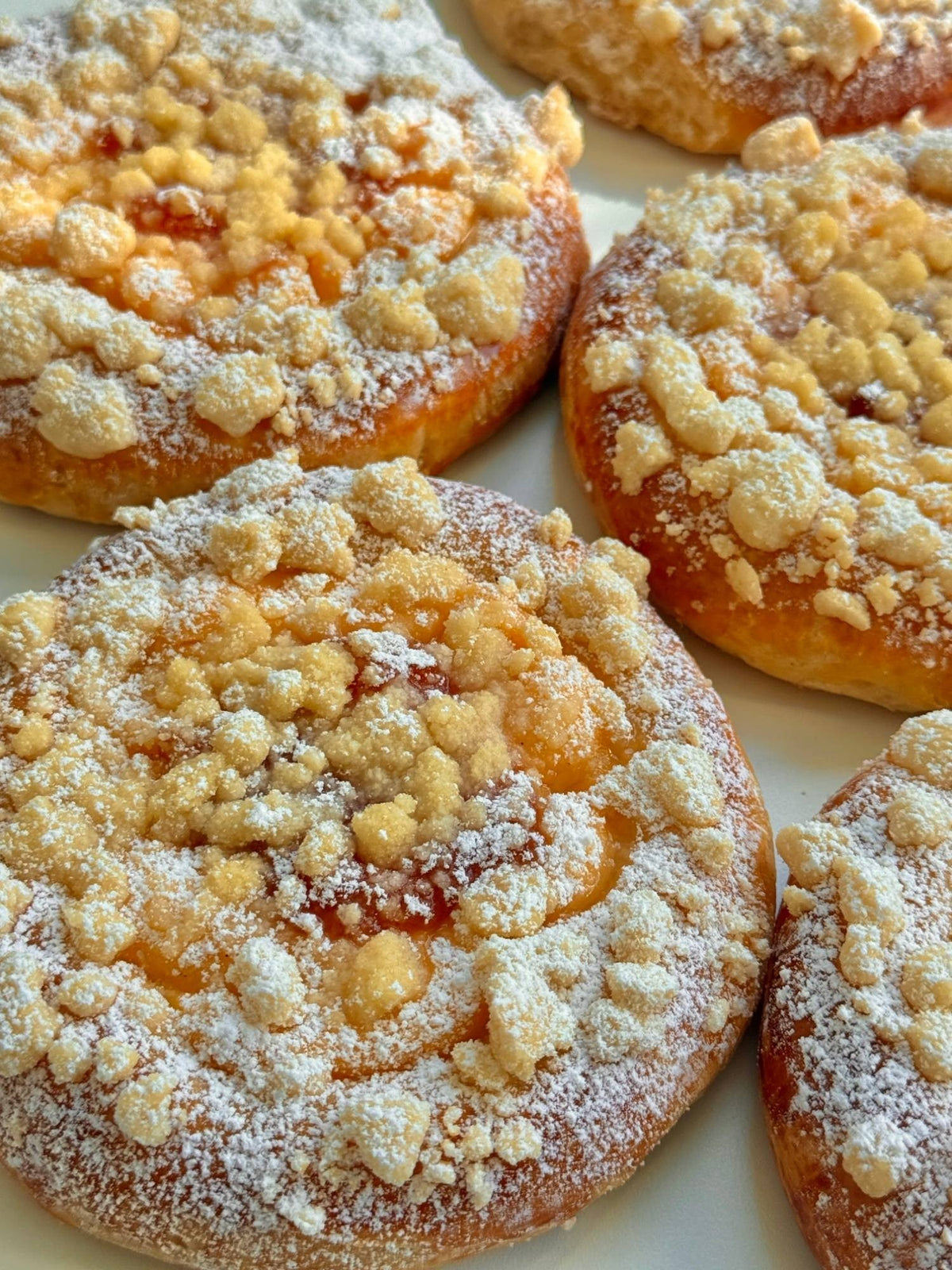
Franzbrötchen von Food with Style, fertig angerichtet
Pastry

Franzbrötchen

Deze Franzbrötchen zijn hemels zacht en ruiken onweerstaanbaar lekker. Perfect voor iedereen die van iets zoets houdt!

Delen
Porties
6 stuks
Voorbereiding 1 uur
Baktijd 15 minuten

Ingrediënten

  • Voor het deeg
  • Voor de vulling

Bereiding

  1. 1
    Zeef de bloem in een kom en maak een kuiltje in het midden. Doe de gist, 1 tsp suiker en 2-3 tbsp lauwe melk in het kuiltje. Roer voorzichtig door en laat 10 minuten staan tot het gaat schuimen.
  2. 2
    Voeg de rest van de melk, de suiker, het ei en het zout toe aan de kom. Kneed tot een soepel deeg. Voeg de zachte boter in stukjes toe en kneed door tot het deeg elastisch wordt. Dek af en laat op een warme plek ongeveer 1 uur rijzen, of tot het deeg in volume is verdubbeld.
  3. 3
    Meng in een aparte kom de bruine basterdsuiker, de kaneel en de zachte boter tot een smeerbare pasta.
  4. 4
    Rol het deeg op een licht met bloem bestoven werkblad uit tot een rechthoek van ongeveer 20 x 30 cm (8 x 12 inches).
  5. 5
    Verdeel het kaneelsuiker-botermengsel gelijkmatig over het deeg.
  6. 6
    Rol het deeg strak op vanaf de lange kant en snijd er stukken van ongeveer 5 cm ( 2 inches) breed van.
  7. 7
    Leg de stukken met de snijkant naar beneden op een met bakpapier beklede bakplaat. Druk met een houten lepelsteel stevig in het midden van elk stuk, zodat de traditionele Franzbrötchen-vorm ontstaat.
  8. 8
    Dek af en laat nog 30 minuten rijzen.
  9. 9
    Verwarm de oven voor op 180°C (350°F) boven- en onderwarmte (160°C hetelucht). Bak de Franzbrötchen in 15-18 minuten goudbruin.
  10. 10
    Bestrijk de warme Franzbrötchen met gesmolten boter en laat ze onder een theedoek afkoelen. Bestrooi ze desgewenst met kaneelsuiker of poedersuiker.

Video

Franzbrötchen Questions

After stirring the yeast with 1 tsp sugar and 2-3 tbsp lukewarm milk in the well, let it sit for 10 minutes as the recipe directs. You should see foam or bubbles on the surface - that means the yeast is alive and the dough will rise. If the mixture stays flat and smooth after 10 minutes, discard it and start again with fresh yeast, since the whole dough depends on this step.

Yes. The recipe already starts the yeast in lukewarm milk with a little sugar, so active dry yeast works in the same amount and simply needs the full 10 minutes to foam. Fresh yeast also works - crumble it into the milk in the well and stir until dissolved. Whichever you use, keep the milk lukewarm, not hot, or you will kill the yeast.

This usually happens when the butter in the filling is too soft or the dough is rolled too loosely. Mix the brown sugar, cinnamon, and butter into a spreadable paste rather than a runny one, and spread it evenly so no thick pockets form. Roll the dough tightly from the long side, and always bake on parchment paper as the recipe says - some caramel escaping is normal and lifts right off the paper.

Yes. Knead the dough through the butter stage, then cover it and let it rise slowly in the fridge overnight instead of at room temperature. The next morning, let it come back to room temperature before rolling it into the 20 x 30 cm rectangle, otherwise the cold dough will crack and the butter filling won't spread. Then continue with shaping, the 30-minute rise, and baking as written.

Let them cool completely, then keep them in an airtight container at room temperature - the butter in both the dough and the filling keeps them tender for a couple of days. To refresh them, warm them briefly in the oven at the same 180°C (350°F) until the filling softens again. They also freeze well once cooled; thaw and reheat the same way.

heerlijk, getest en klaar om te inspireren
Ontdek 400+ Heerlijke Gerechten