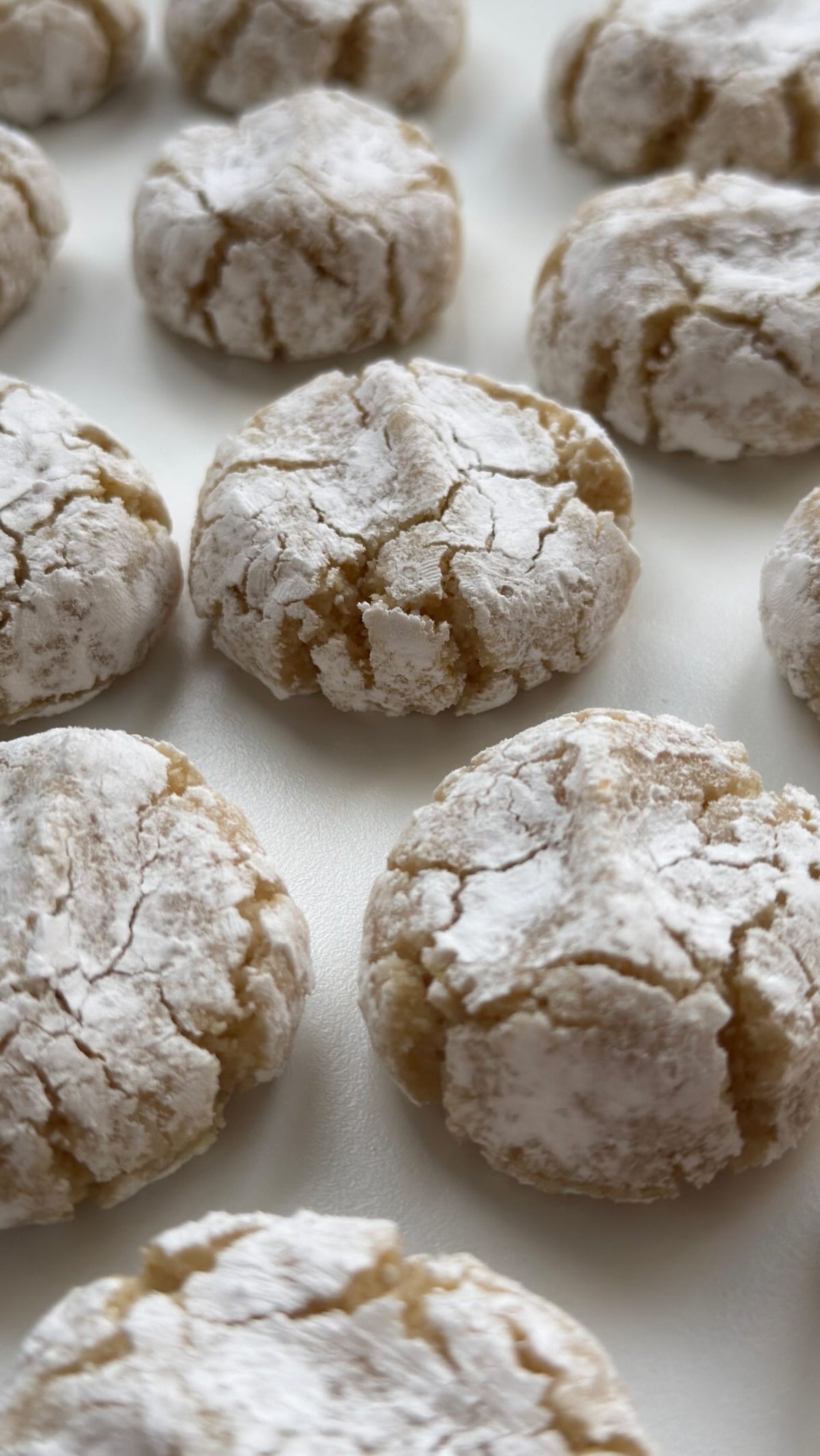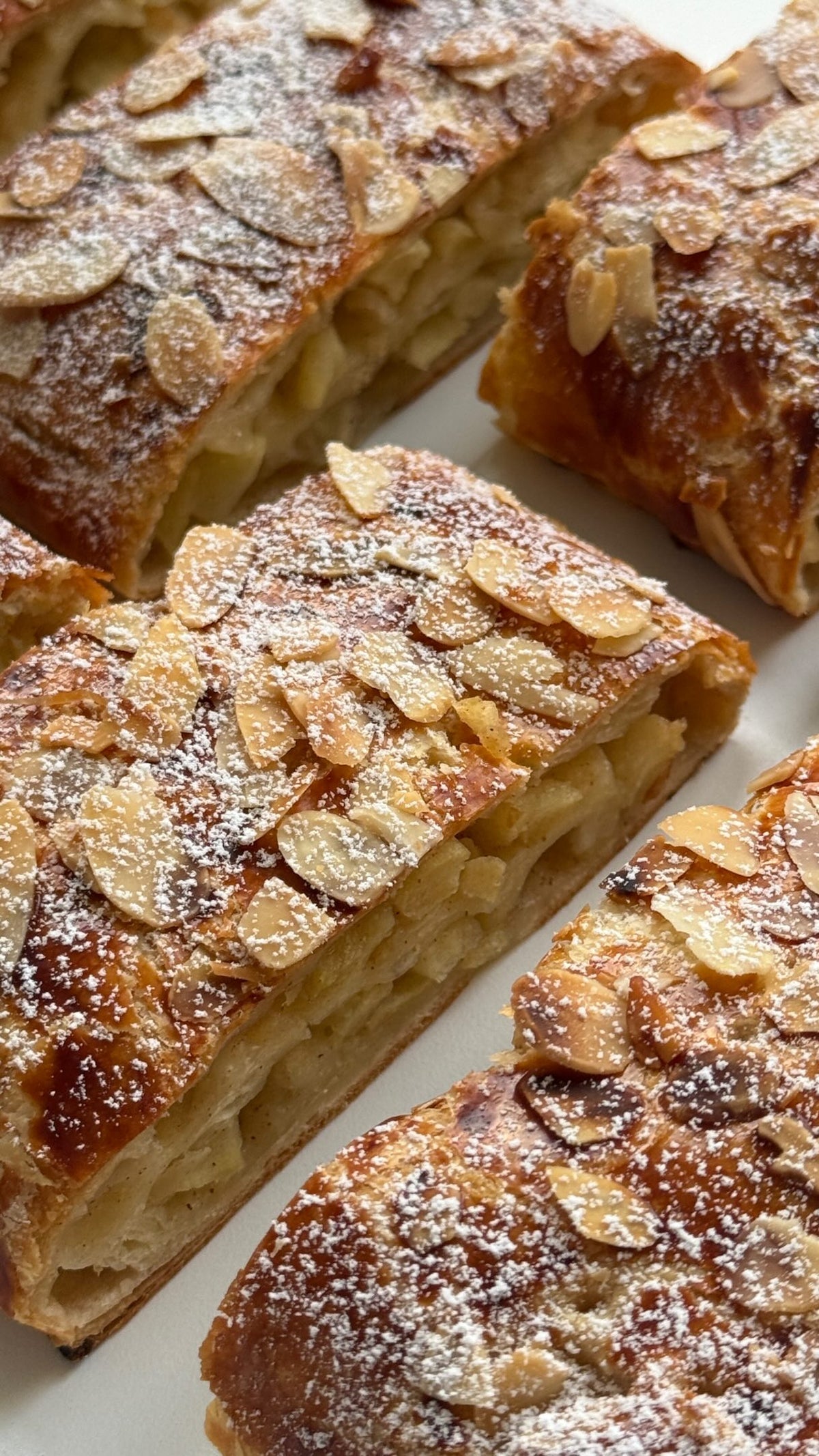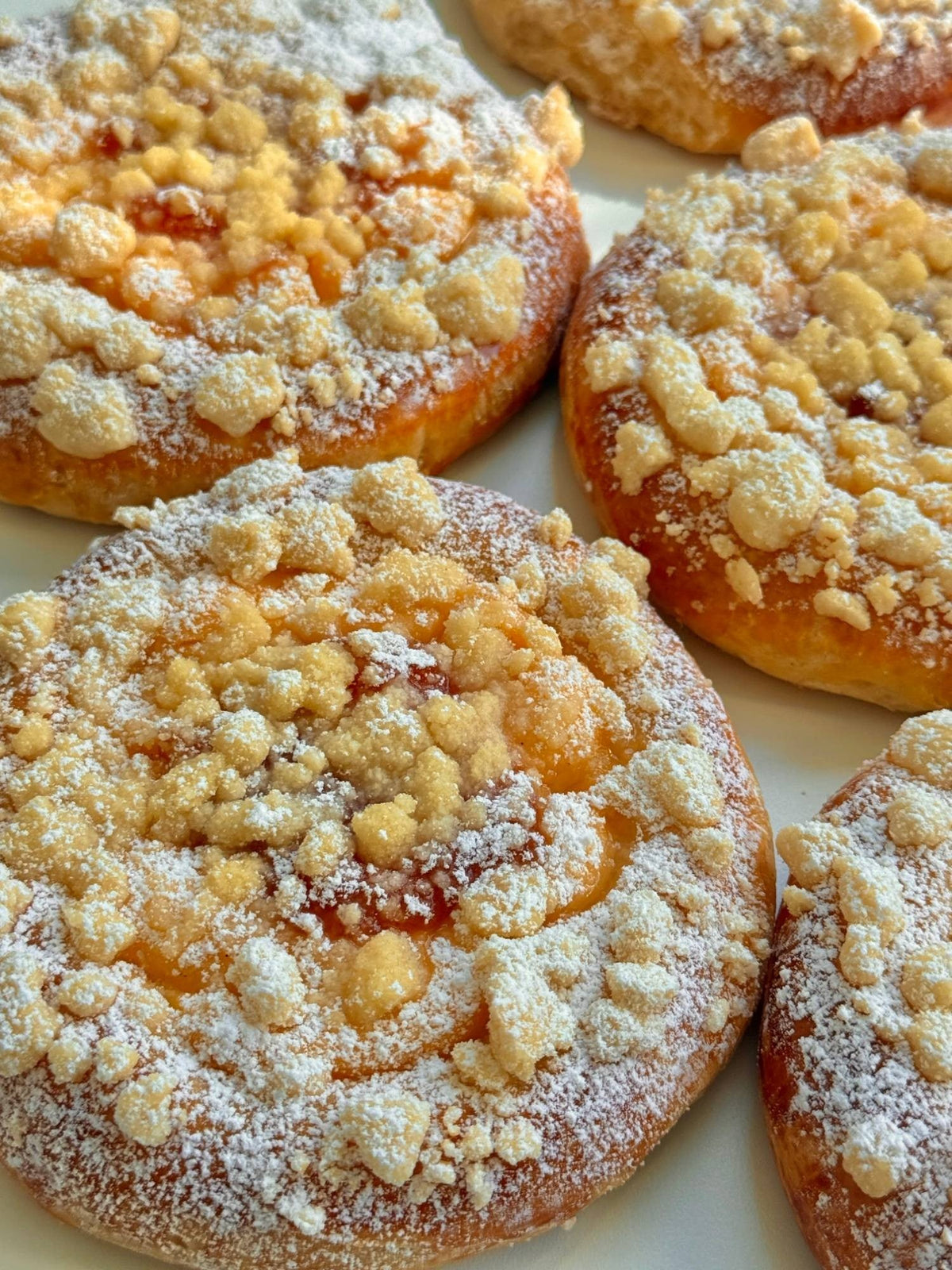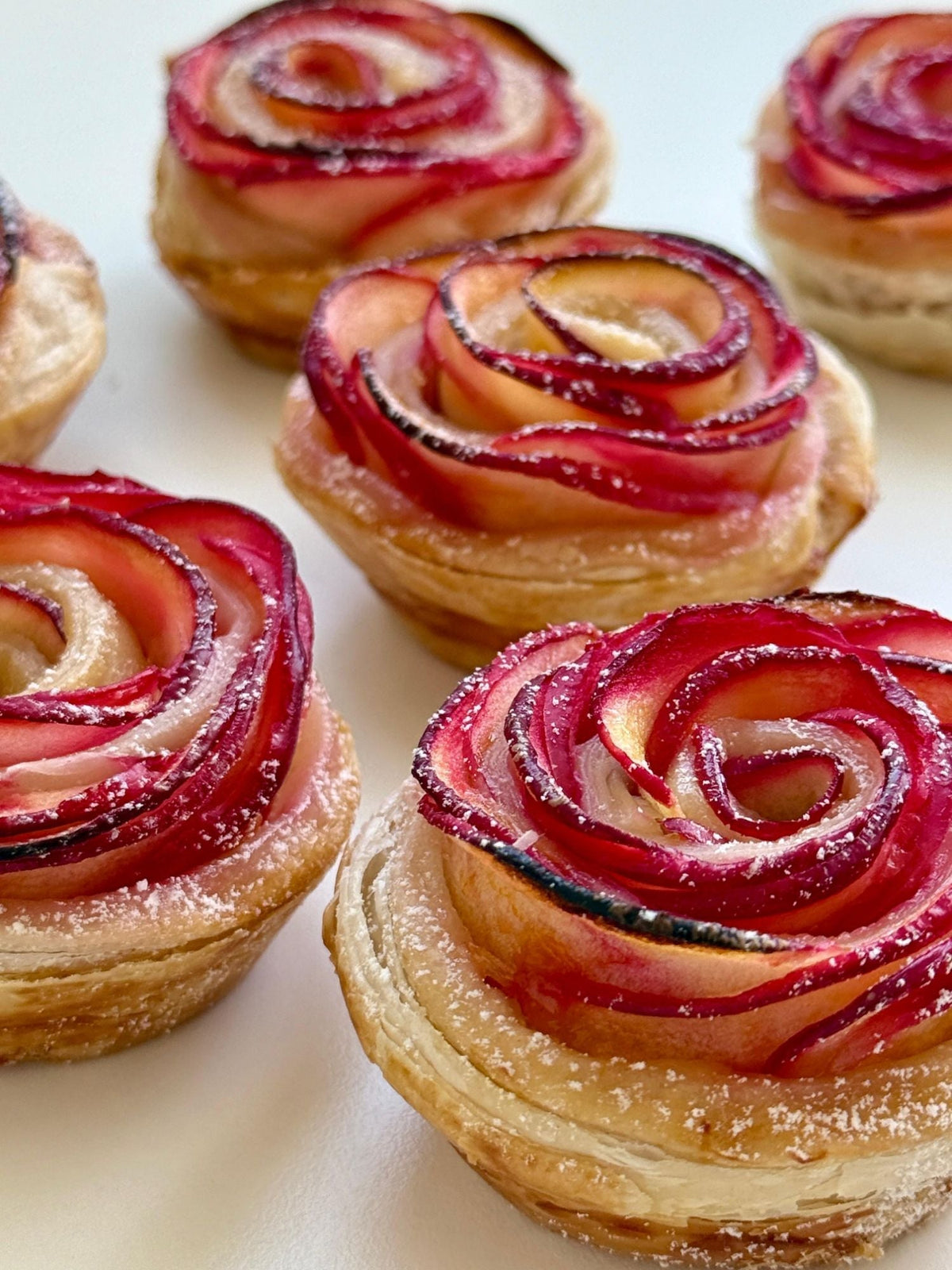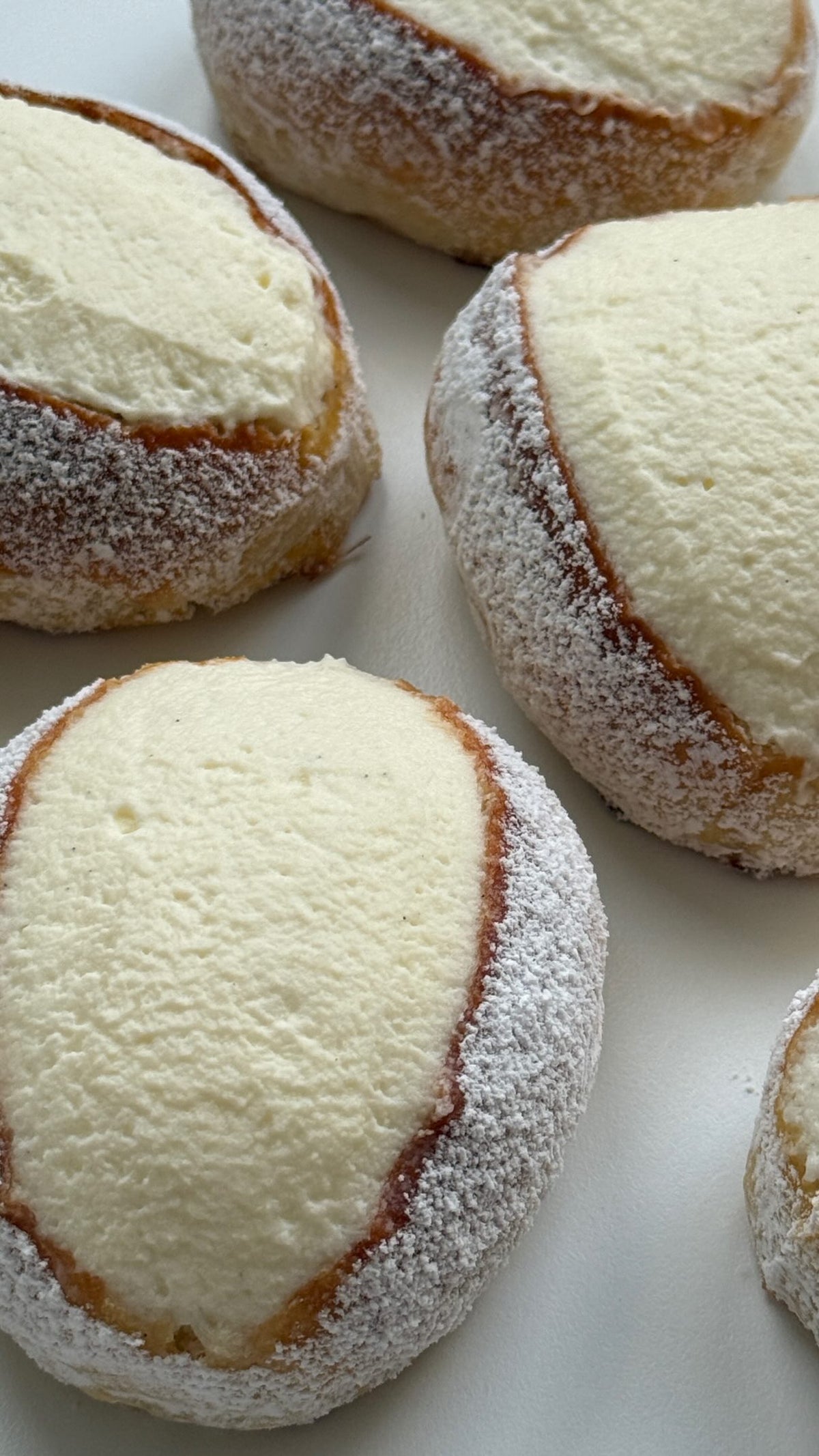
Vanilla Sugar Knots von Food with Style, fertig angerichtet
Brioche

Vanilkové uzlíky

Tyto nadýchané vanilkové uzlíky jsou ideální na pohodové odpoledne nebo jako sladké potěšení kdykoli během dne. Pro milovníky vanilky jako stvořené!

Sdílet
Příprava 1 hodina
Pečení 15 minut

Suroviny

  • Na vanilkovou náplň
  • Na potření
  • Na posypání

Postup

  1. 1
    Mouku dejte do mísy a uprostřed udělejte důlek. Do důlku nasypte sušené droždí, 1 tsp cukru a přilijte 2-3 tbsp vlažného mléka. Lehce zamíchejte a nechte asi 10 minut odpočinout, dokud kvásek nezačne bublat.
  2. 2
    Přidejte zbylé mléko, cukr, sůl, měkké máslo a vejce. Vypracujte hladké těsto, které se odlepuje od stěn mísy. Zakryjte a nechte na teplém místě asi 1 hodinu kynout, dokud nezdvojnásobí objem.
  3. 3
    Na náplň utřete měkké máslo s vanilkovým extraktem a krupicovým cukrem dohladka.
  4. 4
    Vykynuté těsto rozválejte na pomoučeném vále na velký obdélník. Vanilkovou máslovou náplň rovnoměrně rozetřete po těstě.
  5. 5
    Těsto přeložte: jednu stranu přehněte do středu a druhou stranu přeložte přes ni. Nakrájejte na stejně široké proužky.
  6. 6
    Každý proužek nakrojte po délce na tři díly, ale neprokrojte je až nadoraz. Spleťte je do copánku a stočte do uzlíků.
  7. 7
    Uzlíky vložte do vymazané formy na muffiny nebo je poklaďte na plech vyložený pečicím papírem. Nechte je 20-30 minut znovu nakynout. Mezitím předehřejte troubu na 180°C (350°F).
  8. 8
    Posypte perlovým cukrem.
  9. 9
    Pečte 15-18 minut dozlatova. Uzlíky potřete rozpuštěným máslem a před podáváním nechte mírně vychladnout.

Video

Vanilla Sugar Knots Questions

The most common cause is milk that was too hot, which kills the yeast, so keep it lukewarm rather than steaming. A cold kitchen is the other culprit: this dough needs a genuinely warm spot to rise, and a cold egg straight from the fridge slows things down further, which is why the recipe calls for a room-temperature egg. If the pre-ferment in the well doesn't get foamy after resting, start over with fresh yeast rather than kneading on.

Yes - swap the 3.5 g of dry yeast for about 10 g of fresh yeast, crumbled into the well with the sugar and lukewarm milk the same way. Plant-based milk works too; just warm it to lukewarm as you would dairy milk. You can also replace the vanilla extract in the filling with the seeds of a vanilla bean or vanilla sugar, though with vanilla sugar you may want to cut back the 30 g of sugar slightly.

These are at their best the day they're baked, since the butter filling and soft crumb dry out quickly. Keep leftovers in an airtight container at room temperature for a day or two - not the fridge, which makes yeast pastries stale faster. To revive them, warm them briefly in a 180°C (350°F) oven; freezing the baked knots and reheating from frozen also works well.

Yes - after kneading, let the dough rise slowly in the fridge overnight instead of in a warm place, then bring it back to room temperature before rolling it out. You can also mix the vanilla butter filling a day ahead, but let it soften again so it spreads evenly over the dough. Shaped knots can go into the muffin tin and do their second 20-30 minute rise while the oven preheats to 180°C (350°F).

Filling escapes when the butter mixture is too soft or spread too thickly right up to the edges - leave a small border bare so the folded dough can seal. Rolling the rectangle too thin is the other issue: the strips then tear as you braid and twist them, and the filling runs out. Baking in a greased muffin tin, as the recipe suggests, contains any leakage and keeps the knots tall rather than spreading flat.

lahodné, testované a připravené inspirovat

Prozkoumejte 400+ Chutných Pokrmů