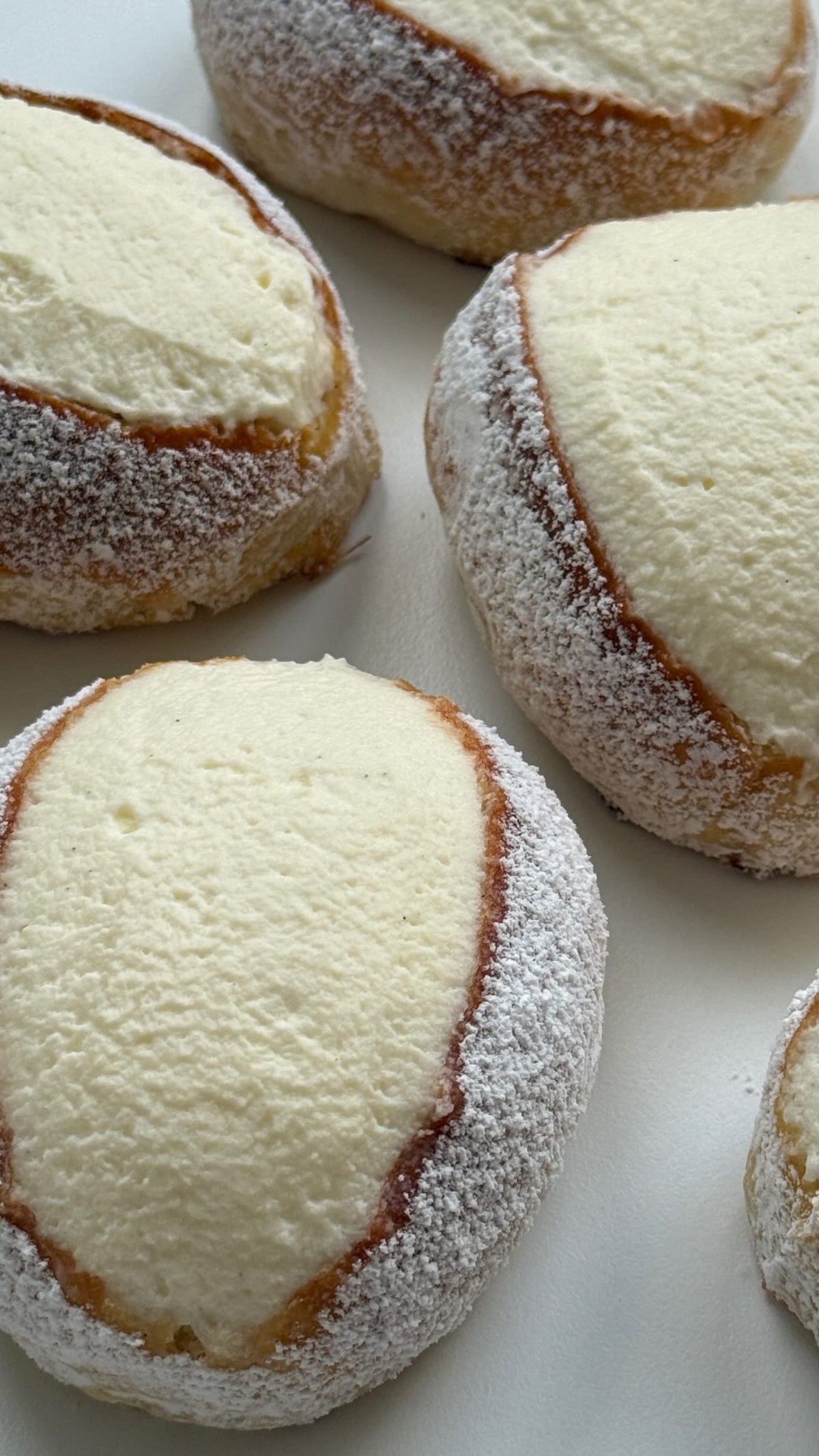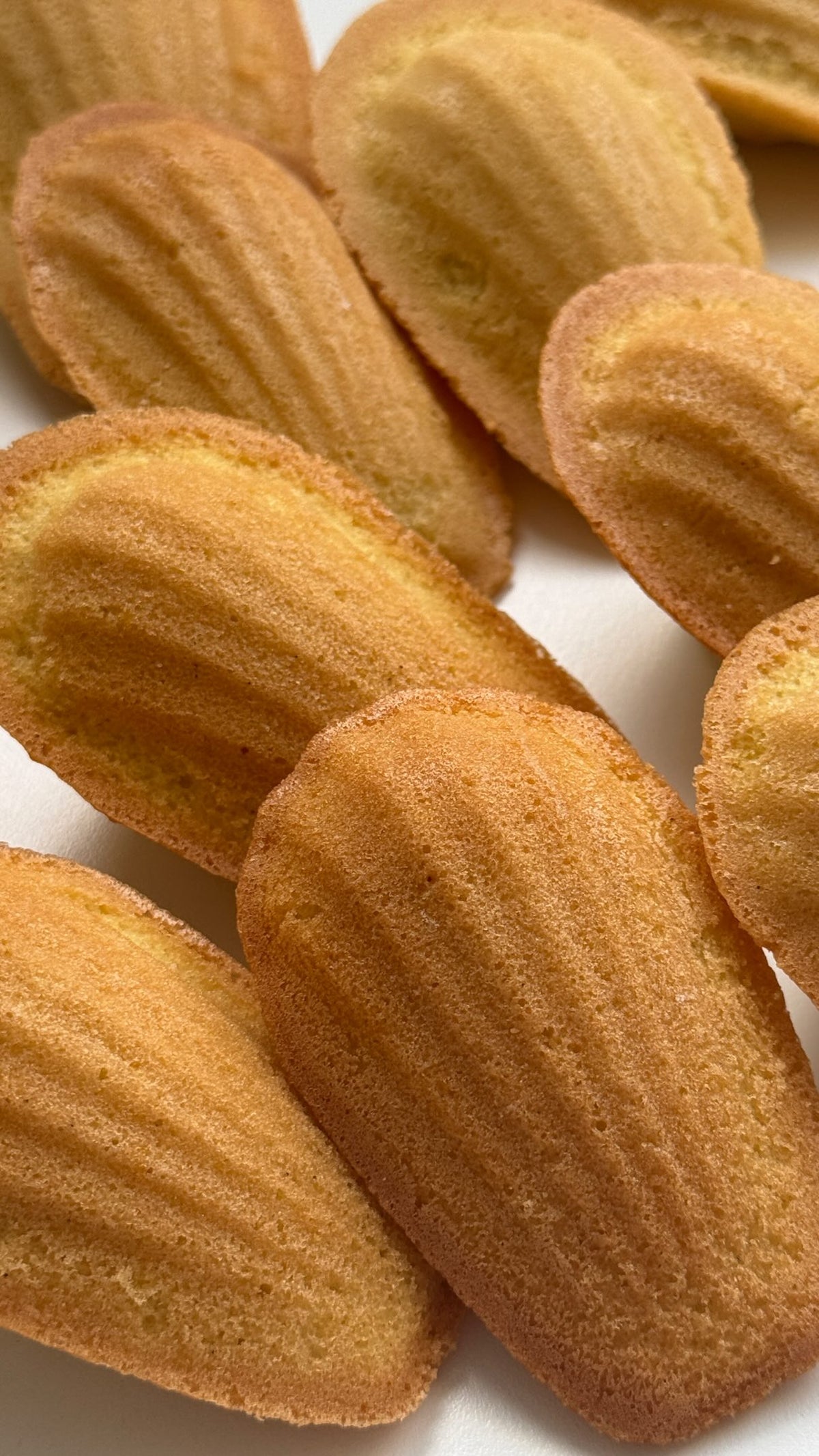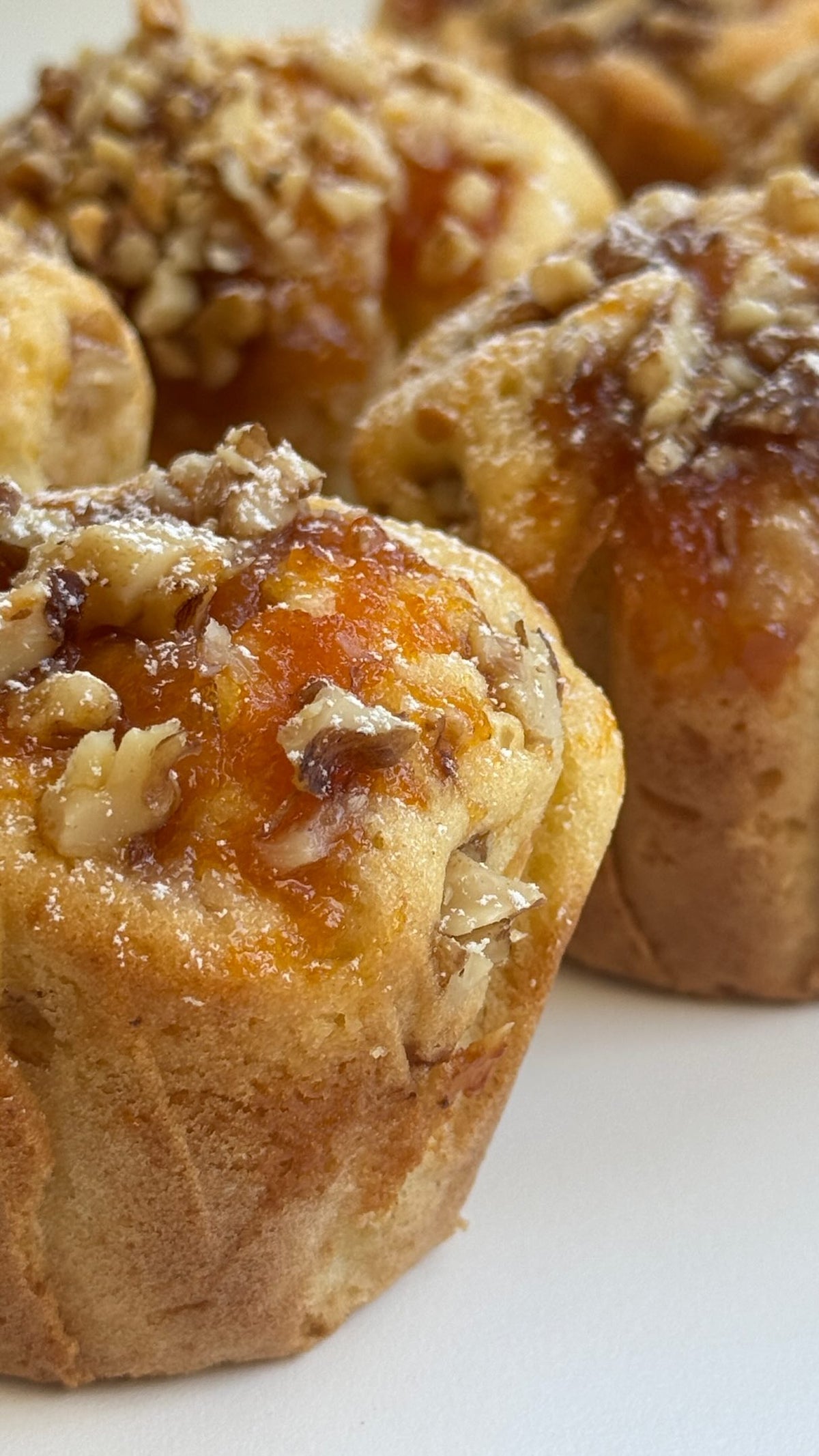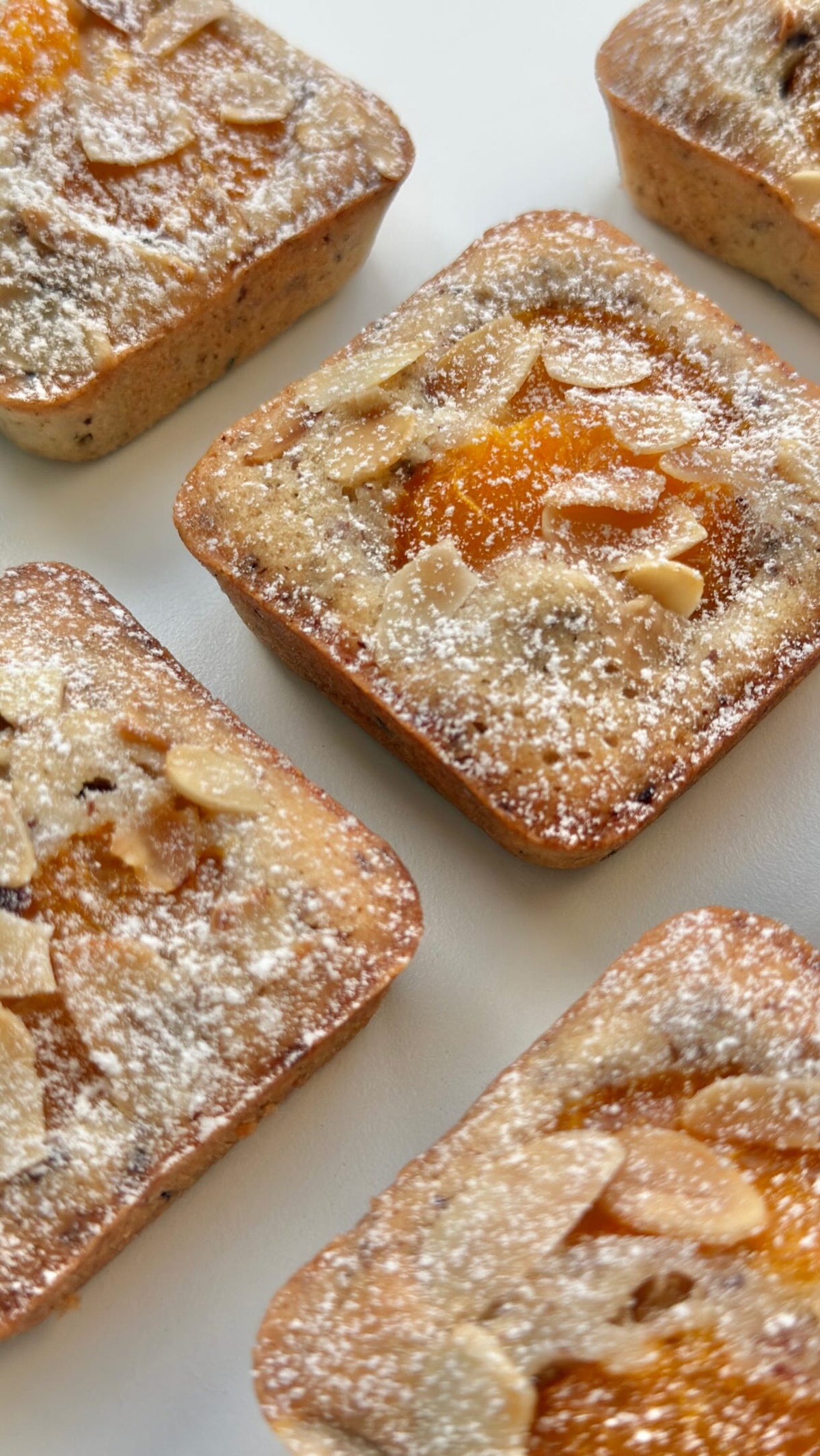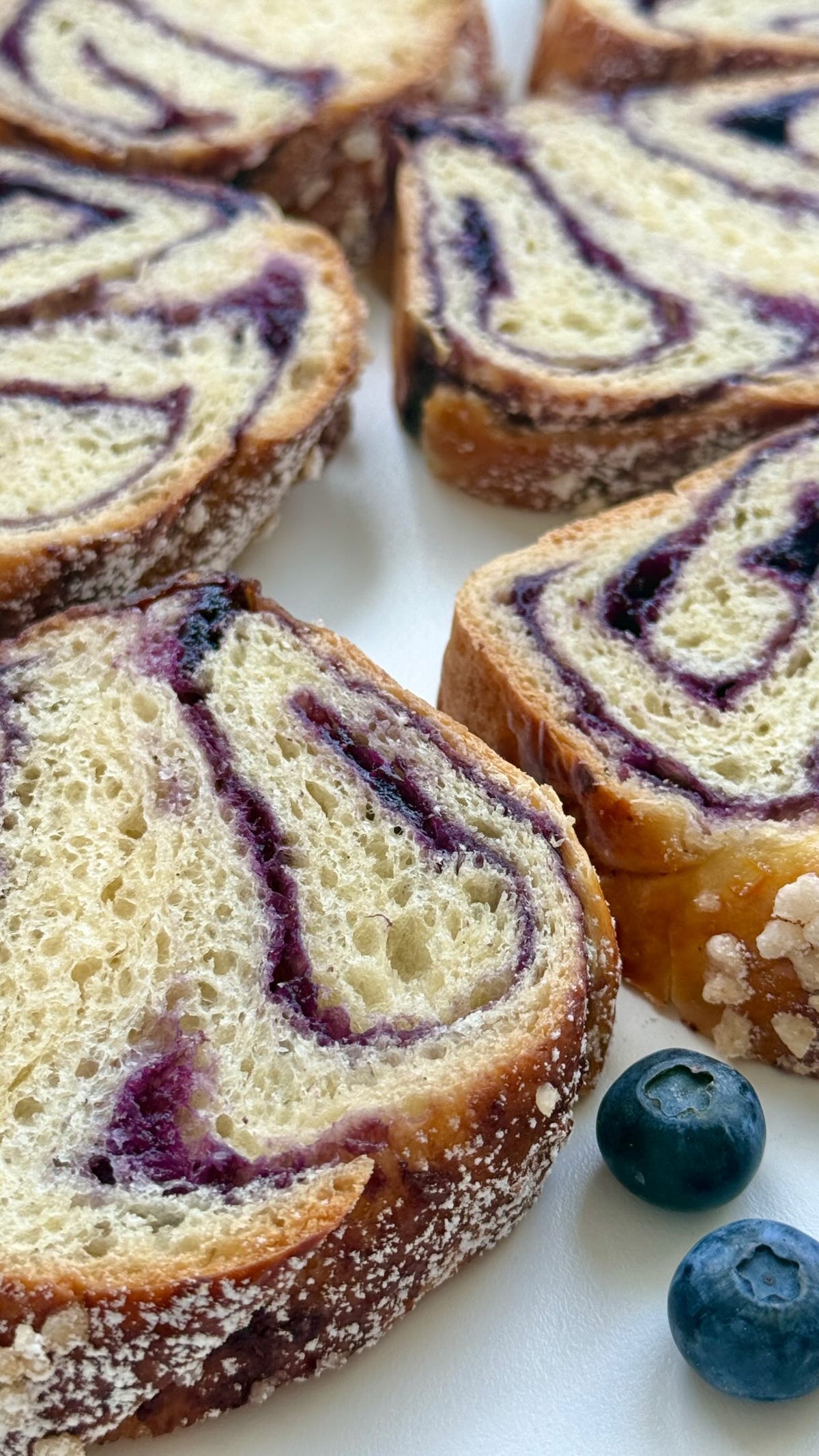
Melonpan von Food with Style, fertig angerichtet
Pastry

Melonpan

Melonpan je nadýchané japonské sladké pečivo pokryté křupavou sušenkovou krustou. Čerstvě upečené je uvnitř měkké a vláčné, zvenku jemně křupavé.

Sdílet
Porce
6 porcí
Příprava 1 hodina
Pečení 18 minut

Suroviny

  • Na kynuté těsto
  • Na sušenkové těsto (poleva)

Postup

  1. 1
    Mouku na kynuté těsto prosejte do mísy. Uprostřed udělejte důlek, vsypte droždí, trochu cukru a přilijte část vlažného mléka. Lehce promíchejte a nechte asi 10 minut vzejít, dokud kvásek nezačne bublat.
  2. 2
    Přidejte zbytek cukru, sůl, zbylé mléko, žloutek a měkké máslo. Vypracujte měkké, mírně lepivé těsto (asi 8-10 minut). Zakryjte a nechte na teplém místě asi 1 hodinu kynout, dokud nezdvojnásobí objem.
  3. 3
    Mezitím si připravte sušenkové těsto: smíchejte mouku, cukr a vanilkový extrakt. Přidejte měkké máslo a 1 tbsp mléka a krátce zpracujte v hladké těsto. V případě potřeby přidejte ještě trochu mléka. Zabalte do potravinářské fólie a dejte vychladit do lednice.
  4. 4
    Vykynuté kynuté těsto rozdělte na 6 stejných dílů a vytvarujte z nich kuličky. Sušenkové těsto rozdělte na 6 kusů a každý rozválejte na placku (v případě potřeby podsypte moukou).
  5. 5
    Každou kuličku těsta přikryjte plackou ze sušenkového těsta - jako čepičku, ale ne až úplně ke spodku. Vršek nařízněte ostrým nožem do mřížky a posypte krystalovým cukrem.
  6. 6
    Melonpan nechte ještě 30 minut zakryté odpočívat.
  7. 7
    Pečte v předehřáté troubě na 180 °C (350 °F) horní a spodní ohřev asi 18-20 minut do světle zlatava. Nepřepečte je - mají zůstat měkké. Melonpan chutná nejlépe čerstvý - s křupavou krustou a měkkým středem. Pokud vám nějaké zbydou, stačí je krátce ohřát a i druhý den budou vynikající.

Video

Melonpan Questions

The topping only has 90 g flour, 40 g sugar, 30 g butter and 1-2 tbsp milk, so it is a stiff dough that needs the butter to be genuinely soft. If it crumbles, knead in the second tablespoon of milk a little at a time until it comes together smoothly. Roll the circles between two sheets of parchment or on a lightly floured surface, and if the dough warms up too much and tears, chill it briefly before shaping.

Fresh yeast works if you crumble it into the well with the sugar and lukewarm milk instead of the 1 tsp instant yeast, and let it stand until it foams before mixing in the rest. For the 100 ml milk in the dough and the 1-2 tbsp in the topping, an unsweetened plant milk works fine - the milk mainly supplies liquid and a little richness. Keep the butter soft in both doughs, since the texture of the yeast dough and the cookie crust depends on it being workable rather than melted.

Let the buns cool completely before storing, otherwise steam from the soft yeast dough softens the sugar-sprinkled crust from underneath. Keep them at room temperature in a loosely covered container or paper bag rather than an airtight box, and eat them within a day or two. To revive the crust, warm them for a few minutes in an oven at the baking temperature of 180 °C (350 °F).

Yes - the cookie dough is the easiest part to make ahead, since it keeps well wrapped in the fridge; just let it soften slightly before rolling it into circles. The yeast dough can also do its first rise slowly in the fridge overnight instead of at room temperature, then be divided into 6 balls the next morning. Either way, keep the final 30-minute rest after topping the balls, since that is what gives the buns their lift in the oven.

The recipe has you place the cookie circle like a cap that does not reach all the way to the bottom, which leaves room for the yeast dough to expand upward without pushing the crust off. If the circles are rolled too thin they tear apart as the bun rises, and if they are wrapped too far down they can slip. Score the criss-cross pattern with a sharp knife so the crust has defined lines to split along, and press the topping gently onto the ball so it sticks before the final 30-minute rest.

lahodné, testované a připravené inspirovat

Prozkoumejte 400+ Chutných Pokrmů