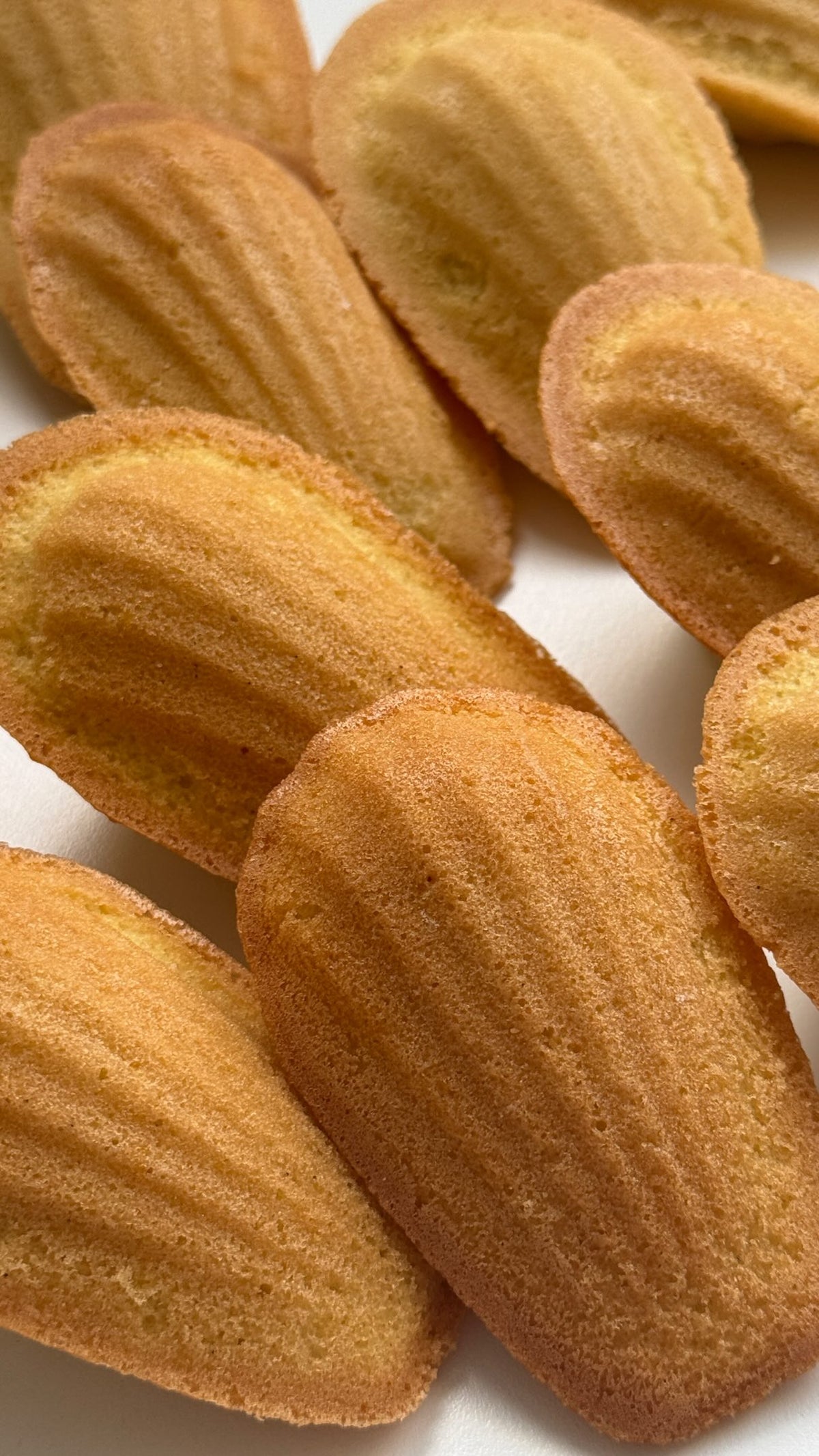


Magdalenas von Food with Style, fertig angerichtet
Pastry

Magdalenas

Te tradycyjne hiszpańskie magdalenas mają piękny, wysoko wyrośnięty kapelusz, chrupiącą wierzchnią warstwę i puszyste wnętrze. Ze świeżo startą skórką z cytryny są prostym, a...

Udostępnij
Porcje
6 porcji
Pieczenie 10 minut

Składniki

Przygotowanie

  1. 1
    Jajko, cukier i sól ubijaj mikserem ręcznym przez około 3-4 minuty, aż masa będzie jasna, gęsta i puszysta.
  2. 2
    Dodaj skórkę z cytryny, mleko i olej. Wymieszaj krótko, tylko do połączenia.
  3. 3
    Przesiej mąkę z proszkiem do pieczenia. Mieszaj tylko do momentu, aż ciasto będzie gładkie.
  4. 4
    Ciasto rozłóż do 6 papilotek włożonych do formy na muffiny (napełnij każdą do około ¾ wysokości). Żeby kapelusze ładniej wyrosły, wstaw napełnioną formę na 15-30 minut do lodówki.
  5. 5
    Tuż przed pieczeniem posyp każdą magdalenę odrobiną cukru - dzięki temu wierzch będzie klasycznie chrupiący.
  6. 6
    Piecz w piekarniku nagrzanym do 220 °C (430 °F) przez 5 minut, następnie zmniejsz temperaturę do 180 °C (350 °F) i piecz jeszcze 10-12 minut, aż magdalenas będą złociste i wyrośnięte.
  7. 7
    Wyjmij z piekarnika i ostudź. To wysoka temperatura na starcie daje magdalenas ich charakterystyczne kapelusze. Najlepiej smakują świeże - miękkie, pachnące i idealne do filiżanki kawy.

Video

Magdalenas Questions

The recipe relies on 60 ml liquid oil, which stays fluid in the batter and keeps the crumb moist and light for days. If you swap in melted butter, use the same amount and let it cool slightly before adding, or it can start cooking the egg mixture. Expect a slightly denser, more buttery crumb and a less pronounced dome than with oil.

The dome comes from the heat shock: the tray must go into a fully preheated 220 °C (430 °F) oven, and only after 5 minutes do you drop to 180 °C (350 °F). Opening the oven during those first minutes or skipping the preheat lets the temperature fall and the tops stay flat. Chilling the filled tray for 15-30 minutes beforehand and filling the liners a good ¾ full also help the batter rise upward rather than outward.

You can refrigerate the batter for a few hours, and the recipe already builds in a 15-30 minute chill, so a longer rest is fine. Keep it covered and stir it only very briefly before filling the liners, since the air beaten into the egg and sugar is what makes them light. Do not leave it overnight if you can avoid it: the baking powder starts reacting once it meets the moist batter and loses lift.

Let them cool completely, then keep them in an airtight container at room temperature; the oil in the batter keeps them soft for a couple of days. Avoid the fridge, which dries them out and dulls the lemon zest aroma. They taste best fresh, so if you want that crunchy sugar top at its peak, bake them the same day you plan to eat them.

Overmixing after the flour goes in - the recipe says to mix just until smooth for a reason, because extra beating develops gluten and gives you tough, tunnelled muffins. The other frequent slip is cutting short the 3-4 minutes of beating the egg, sugar, and salt; that mixture needs to become pale, thick, and airy, since it carries most of the lift. Sift the flour and baking powder as directed so you do not have to stir out lumps later.

pyszne, sprawdzone i gotowe do inspiracji

Odkryj 400+ Smacznych Przepisów