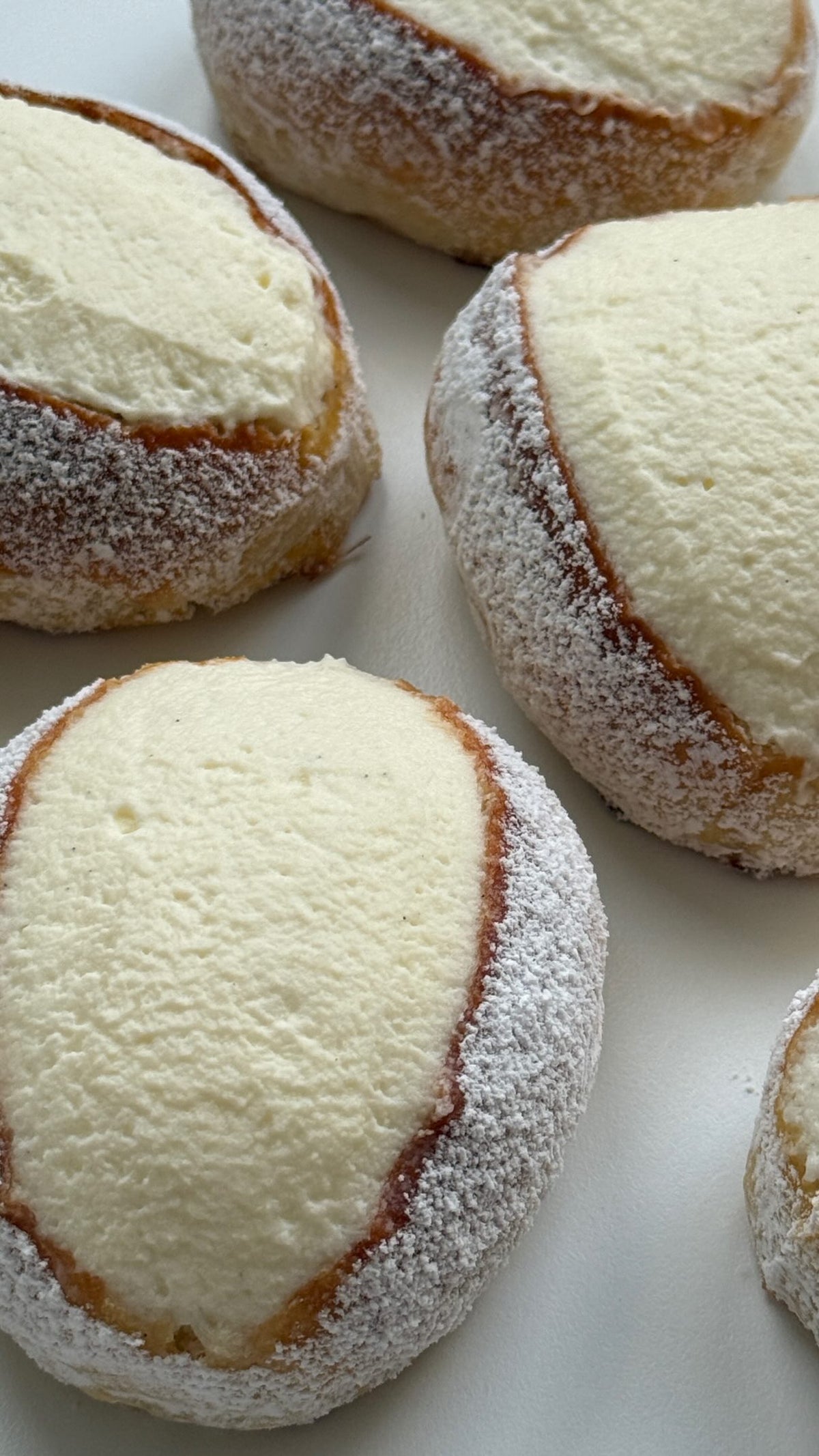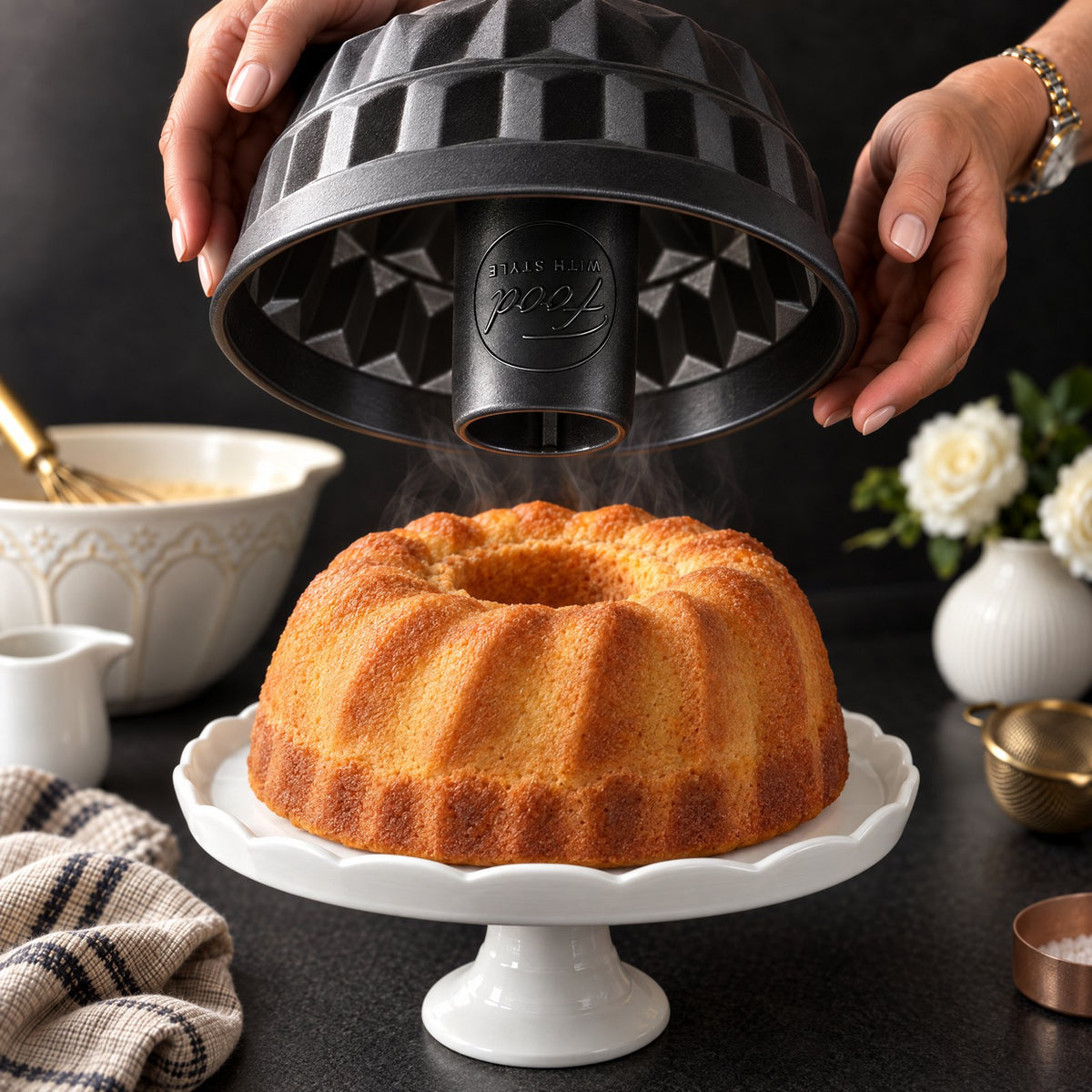


Crème Caramel von Food with Style, fertig angerichtet
Pastry

Krem karmelowy

Ponadczasowy klasyk o jedwabistej konsystencji i delikatnej warstwie karmelu - ten krem karmelowy z łatwością przygotujesz w domu.

Udostępnij
Pieczenie 55 minut

Składniki

  • Na karmel
  • Na masę

Przygotowanie

  1. 1
    Rozgrzej piekarnik do 160 °C / 320 °F (grzanie góra/dół). Przygotuj dużą brytfannę do kąpieli wodnej.
  2. 2
    Cukier i wodę podgrzewaj w małym rondlu bez mieszania, aż powstanie złocisty karmel. Od razu przelej go do formy 16 cm i delikatnie obracaj formą, aby równomiernie pokrył dno. Odstaw do zastygnięcia.
  3. 3
    Mleko podgrzej, aż będzie gorące, ale niezagotowane. Zdejmij z ognia i lekko przestudź.
  4. 4
    W misce delikatnie rozmieszaj trzepaczką jajka, cukier, wanilię i sól, tylko do połączenia składników. Nie napowietrzaj masy.
  5. 5
    Ciepłe mleko wlewaj powoli do masy jajecznej, cały czas delikatnie mieszając.
  6. 6
    Przetrzyj masę przez drobne sitko do czystej miski. Aby uzyskać wyjątkowo jedwabistą konsystencję, przelej masę przez sitko 2-3 razy, aż będzie całkowicie gładka, bez pęcherzyków i grudek.
  7. 7
    Ostrożnie wlej masę na zastygnięty karmel.
  8. 8
    Wstaw formę do większej brytfanny i wlej gorącą wodę, tak aby sięgała mniej więcej do połowy wysokości formy.
  9. 9
    Piecz przez 55-65 minut. Brzegi powinny być ścięte, a środek nadal lekko się trząść.
  10. 10
    Wyjmij z piekarnika i pozostaw w kąpieli wodnej na 10 minut, następnie wyjmij i całkowicie ostudź.
  11. 11
    Wstaw do lodówki na co najmniej 4 godziny, najlepiej na całą noc.
  12. 12
    Przed podaniem oddziel masę od brzegów formy i wyłóż na talerz. Karmel spłynie po kremie samoistnie. Resztę karmelu, która została w formie, możesz polać na wierzch. Wskazówka praktyczna Najlepiej sprawdzi się forma bez wyjmowanego dna, bo jest całkowicie szczelna. Jeśli używasz tortownicy, dokładnie zabezpiecz dno 2-3 warstwami folii aluminiowej, zawijając ją na boki, aby podczas pieczenia woda nie dostała się do środka.

Video

Crème Caramel Questions

Judge it by movement, not by a clean skewer: after 55-65 minutes the outer edges should be firmly set while the middle still wobbles gently as one soft mass when you nudge the pan. If the centre still ripples like liquid milk, give it another 5-10 minutes in the water bath and check again. Ovens differ, and a colder milk-egg mixture or a deeper pan of water will both stretch the baking time.

Whole milk is what gives this flan its creamy set, so low-fat milk will work but the result tastes thinner and less rich; if anything, swap a small part of the 600 ml for cream rather than going leaner. Vanilla extract can be replaced with the seeds of a vanilla pod - add them to the milk while it heats so the flavour infuses. Keep the 4 eggs and 95 g sugar unchanged, since they are what set the custard and balance the bitter caramel.

Let it cool to room temperature, then chill it in the pan, covered, in the fridge - it keeps well for about two to three days. Chilling is not optional if you want clean slices and a proper caramel sauce: the hard caramel layer slowly dissolves into syrup as it rests. Unmould it only just before serving, by running a thin knife around the edge and inverting it onto a rimmed plate that can catch the sauce.

Yes, and it is actually better that way - bake it a day ahead and leave it in its pan in the fridge overnight so the caramel has time to turn into liquid sauce. What you should not do in advance is pour the caramel and let it sit empty for days; caramel poured into the 16 cm pan is meant to be topped with the custard the same day. Unmould straight from the fridge onto a deep plate right before it goes to the table.

Three things go wrong most often: stirring the sugar and water while it caramelises, which makes it crystallise; whipping air into the eggs instead of gently whisking them, which leaves foam and bubbles in the baked flan; and pouring hot milk into the eggs too fast, which scrambles them. The fourth is skipping the sieve - passing the mixture through it 2-3 times is what makes the texture silky rather than grainy. Also make sure the water bath reaches about halfway up the pan, since too little water lets the custard heat too fast and turn rubbery.

pyszne, sprawdzone i gotowe do inspiracji

Odkryj 400+ Smacznych Przepisów