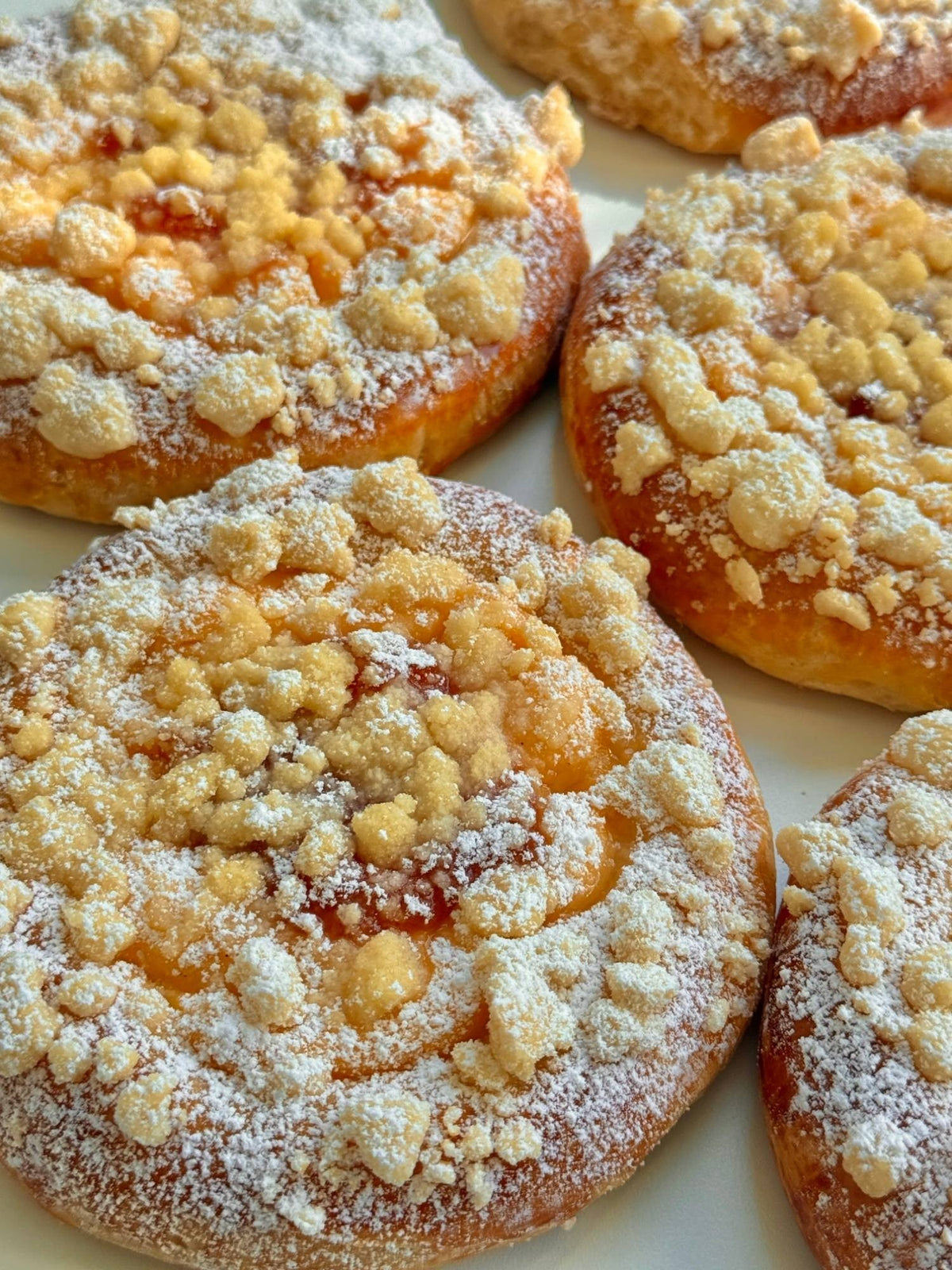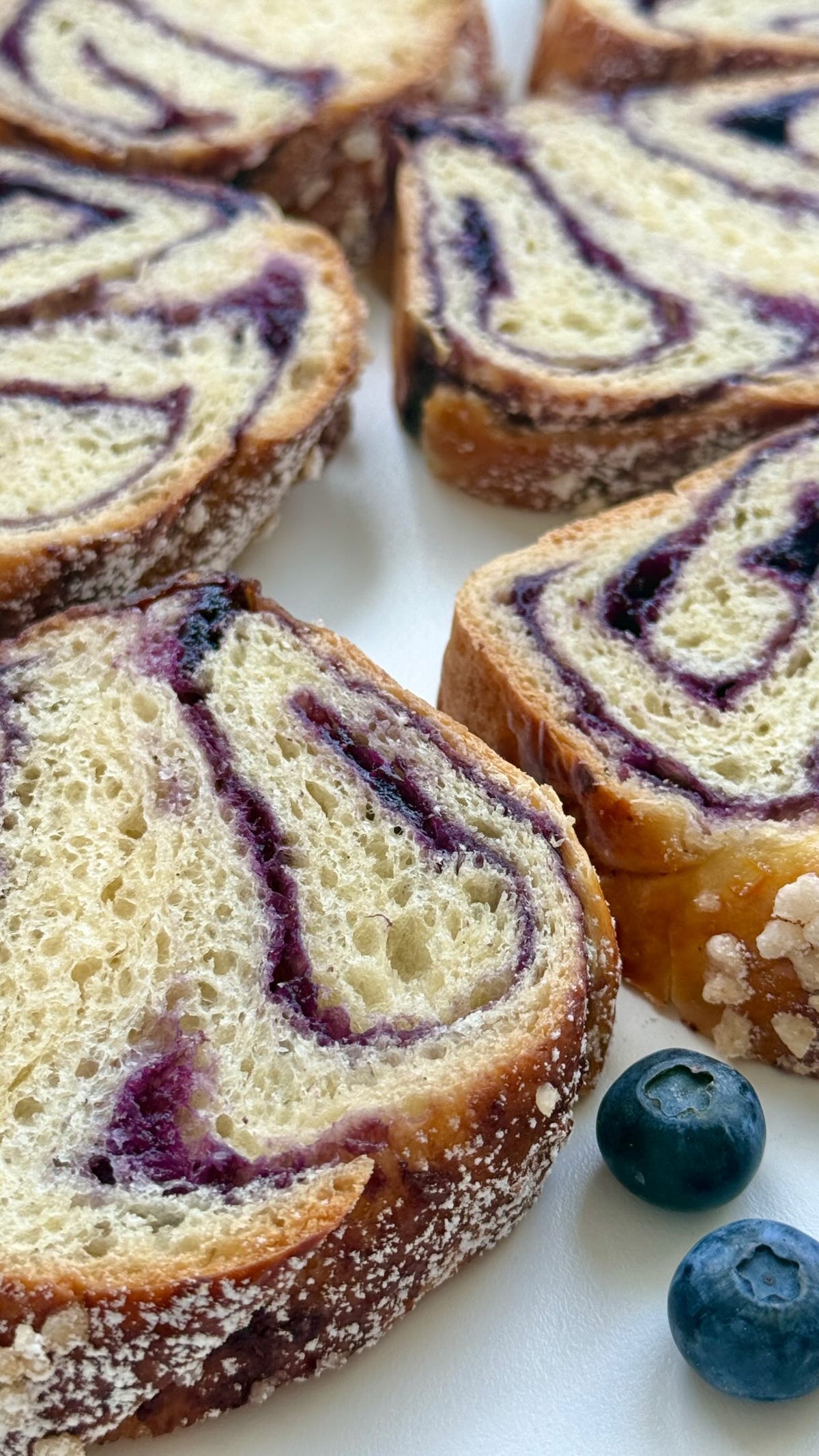


Franzbrötchen von Food with Style, fertig angerichtet
Pastry

Franzbrötchen

Te Franzbrötchen są niebiańsko miękkie i pachną nie do odparcia. Idealne dla każdego, kto kocha słodkości!

Udostępnij
Porcje
6 sztuk
Przygotowanie 1 godzina
Pieczenie 15 minut

Składniki

  • Ciasto
  • Nadzienie

Przygotowanie

  1. 1
    Mąkę przesiej do miski i zrób w środku dołek. Do dołka wsyp drożdże, 1 tsp cukru i wlej 2-3 tbsp letniego mleka. Delikatnie wymieszaj i odstaw na 10 minut, aż zaczyn zacznie się pienić.
  2. 2
    Do miski dodaj resztę mleka, cukier, jajko i sól. Wyrabiaj, aż powstanie gładkie ciasto. Dodaj miękkie masło po kawałku i wyrabiaj dalej, aż ciasto stanie się elastyczne. Przykryj i odstaw w ciepłe miejsce na około 1 godzinę, aż podwoi objętość.
  3. 3
    W osobnej misce wymieszaj brązowy cukier, cynamon i miękkie masło na masę, którą da się rozsmarować.
  4. 4
    Ciasto rozwałkuj na lekko oprószonym mąką blacie na prostokąt o wymiarach około 20 x 30 cm (8 x 12 inches).
  5. 5
    Masę cynamonowo-cukrową równomiernie rozsmaruj po całym cieście.
  6. 6
    Ciasto ciasno zwiń w rulon od dłuższego boku i potnij na kawałki o szerokości około 5 cm ( 2 inches).
  7. 7
    Kawałki ułóż przekrojem do dołu na blasze wyłożonej papierem do pieczenia. Trzonkiem drewnianej łyżki mocno dociśnij środek każdego kawałka, tworząc charakterystyczny kształt Franzbrötchen.
  8. 8
    Przykryj i odstaw do wyrośnięcia na kolejne 30 minut.
  9. 9
    Piekarnik rozgrzej do 180°C (350°F), grzanie góra/dół (160°C z termoobiegiem). Piecz Franzbrötchen przez 15-18 minut na złoty kolor.
  10. 10
    Ciepłe Franzbrötchen posmaruj roztopionym masłem i odstaw do wystudzenia pod ściereczką. W razie ochoty posyp cukrem z cynamonem lub cukrem pudrem.

Video

Franzbrötchen Questions

After stirring the yeast with 1 tsp sugar and 2-3 tbsp lukewarm milk in the well, let it sit for 10 minutes as the recipe directs. You should see foam or bubbles on the surface - that means the yeast is alive and the dough will rise. If the mixture stays flat and smooth after 10 minutes, discard it and start again with fresh yeast, since the whole dough depends on this step.

Yes. The recipe already starts the yeast in lukewarm milk with a little sugar, so active dry yeast works in the same amount and simply needs the full 10 minutes to foam. Fresh yeast also works - crumble it into the milk in the well and stir until dissolved. Whichever you use, keep the milk lukewarm, not hot, or you will kill the yeast.

This usually happens when the butter in the filling is too soft or the dough is rolled too loosely. Mix the brown sugar, cinnamon, and butter into a spreadable paste rather than a runny one, and spread it evenly so no thick pockets form. Roll the dough tightly from the long side, and always bake on parchment paper as the recipe says - some caramel escaping is normal and lifts right off the paper.

Yes. Knead the dough through the butter stage, then cover it and let it rise slowly in the fridge overnight instead of at room temperature. The next morning, let it come back to room temperature before rolling it into the 20 x 30 cm rectangle, otherwise the cold dough will crack and the butter filling won't spread. Then continue with shaping, the 30-minute rise, and baking as written.

Let them cool completely, then keep them in an airtight container at room temperature - the butter in both the dough and the filling keeps them tender for a couple of days. To refresh them, warm them briefly in the oven at the same 180°C (350°F) until the filling softens again. They also freeze well once cooled; thaw and reheat the same way.

pyszne, sprawdzone i gotowe do inspiracji

Odkryj 400+ Smacznych Przepisów