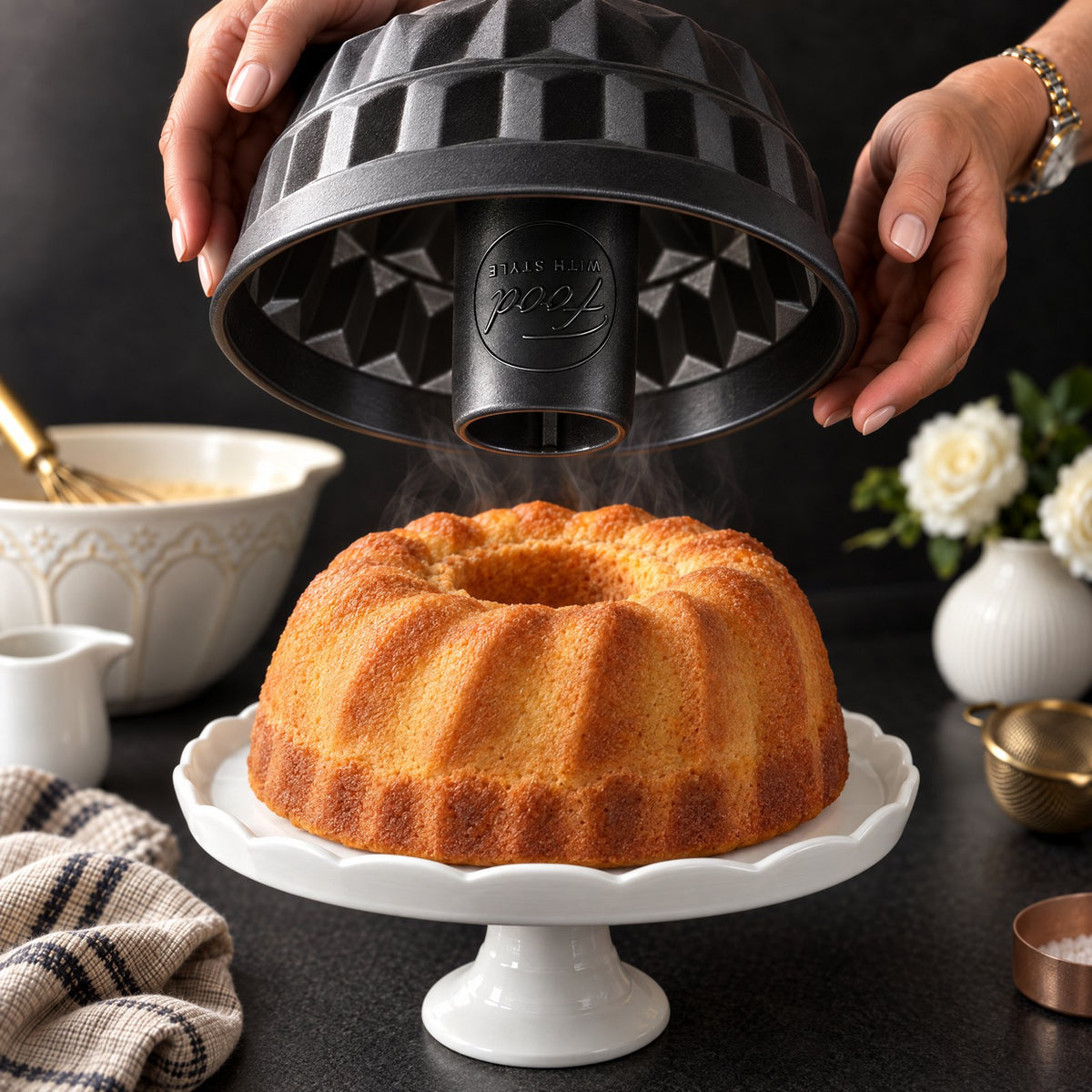


Vanilla Sugar Knots von Food with Style, fertig angerichtet
Brioche

Vaníliás csomók

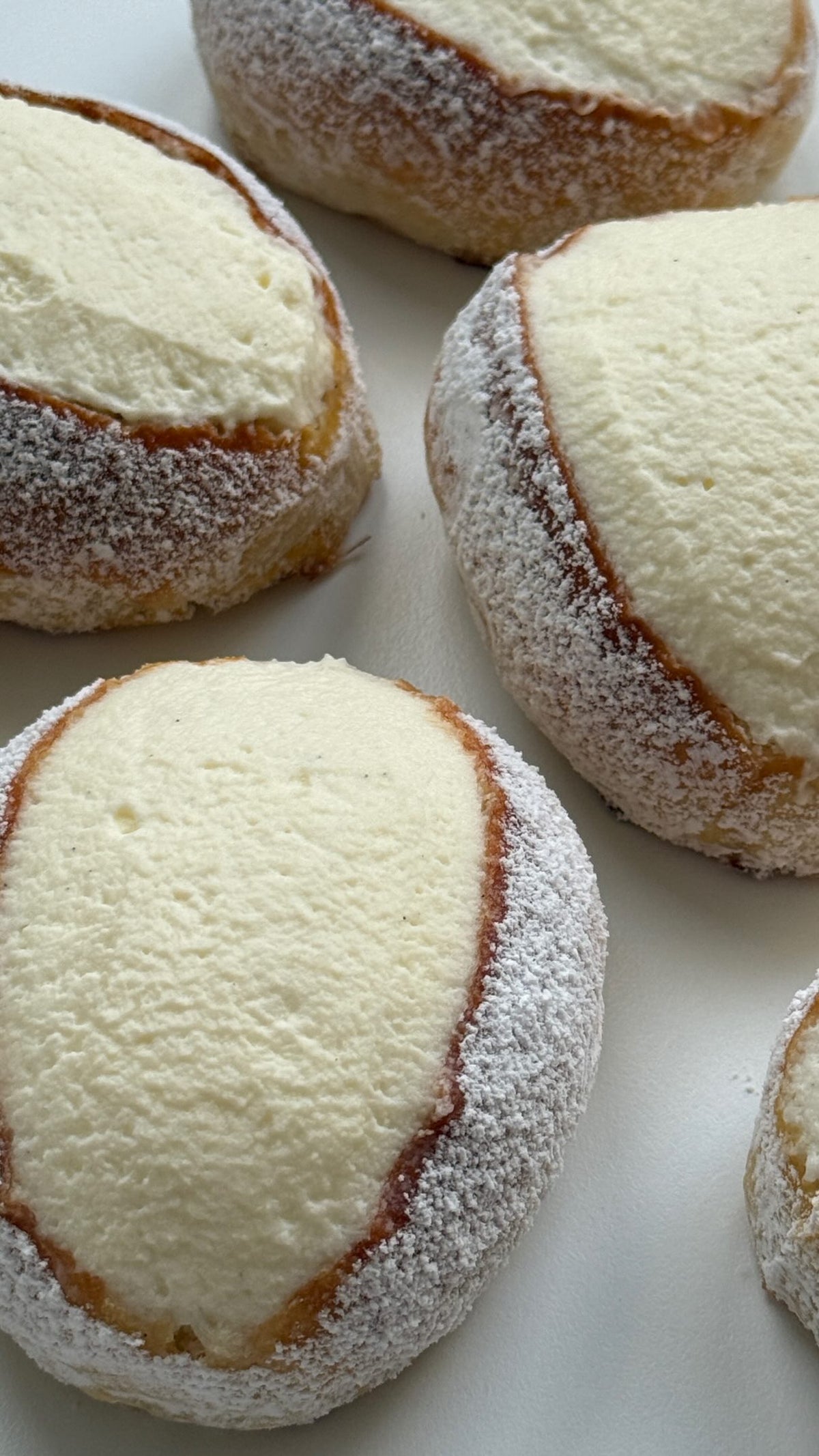
Ezek a puha, foszlós vaníliás csomók tökéletesek egy hangulatos délutánhoz, vagy édes falatnak a nap bármely szakában. Igazi kedvenc a vanília szerelmeseinek!

Megosztás
Előkészítés 1 óra
Sütés 15 perc

Hozzávalók

  • A vaníliás töltelékhez
  • A kenéshez
  • A tetejére

Elkészítés

  1. 1
    A lisztet tedd egy tálba, és a közepébe készíts egy mélyedést. Szórd bele a szárított élesztőt, 1 tsp cukrot, és önts rá 2-3 tbsp langyos tejet. Keverd el kissé, majd hagyd állni kb. 10 percig, amíg elkezd habosodni.
  2. 2
    Add hozzá a maradék tejet, a cukrot, a sót, a puha vajat és a tojást. Dagaszd sima tésztává, amely elválik a tál falától. Takard le, és meleg helyen kelaszd kb. 1 órán át, amíg a duplájára nem nő.
  3. 3
    A töltelékhez keverd simára a puha vajat a vaníliakivonattal és a kristálycukorral.
  4. 4
    Ha a tészta megkelt, lisztezett felületen nyújtsd ki nagy téglalap alakúra. Kend el rajta egyenletesen a vaníliás vajas tölteléket.
  5. 5
    Hajtsd össze a tésztát: az egyik oldalát hajtsd a közepéig, majd a másik oldalát hajtsd rá. Vágd egyenlő csíkokra.
  6. 6
    Minden csíkot vágj hosszában három részre úgy, hogy a végét ne vágd át. Fond be őket, majd csavard csomóba.
  7. 7
    Tedd a csomókat kivajazott muffinformába vagy sütőpapírral bélelt tepsire. Hagyd újra kelni 20-30 percig. Közben melegítsd elő a sütőt 180°C (350°F) fokra.
  8. 8
    Szórd meg gyöngycukorral.
  9. 9
    Süsd 15-18 percig, amíg enyhén aranybarna lesz. A csomókat kend meg olvasztott vajjal, és tálalás előtt hagyd kissé kihűlni.

Video

Vanilla Sugar Knots Questions

The most common cause is milk that was too hot, which kills the yeast, so keep it lukewarm rather than steaming. A cold kitchen is the other culprit: this dough needs a genuinely warm spot to rise, and a cold egg straight from the fridge slows things down further, which is why the recipe calls for a room-temperature egg. If the pre-ferment in the well doesn't get foamy after resting, start over with fresh yeast rather than kneading on.

Yes - swap the 3.5 g of dry yeast for about 10 g of fresh yeast, crumbled into the well with the sugar and lukewarm milk the same way. Plant-based milk works too; just warm it to lukewarm as you would dairy milk. You can also replace the vanilla extract in the filling with the seeds of a vanilla bean or vanilla sugar, though with vanilla sugar you may want to cut back the 30 g of sugar slightly.

These are at their best the day they're baked, since the butter filling and soft crumb dry out quickly. Keep leftovers in an airtight container at room temperature for a day or two - not the fridge, which makes yeast pastries stale faster. To revive them, warm them briefly in a 180°C (350°F) oven; freezing the baked knots and reheating from frozen also works well.

Yes - after kneading, let the dough rise slowly in the fridge overnight instead of in a warm place, then bring it back to room temperature before rolling it out. You can also mix the vanilla butter filling a day ahead, but let it soften again so it spreads evenly over the dough. Shaped knots can go into the muffin tin and do their second 20-30 minute rise while the oven preheats to 180°C (350°F).

Filling escapes when the butter mixture is too soft or spread too thickly right up to the edges - leave a small border bare so the folded dough can seal. Rolling the rectangle too thin is the other issue: the strips then tear as you braid and twist them, and the filling runs out. Baking in a greased muffin tin, as the recipe suggests, contains any leakage and keeps the knots tall rather than spreading flat.

ízletes, kipróbált és inspiráló
Fedezzen fel 400+ Finom Étel