








Mennyiség
Mértékegység
Előkészítés
1 óra
Sütés
10 perc
Hozzávalók
- A piskótához
- A vaníliás pudingkrémhez
- A szóráshoz
Elkészítés
-
1
Melegítsd elő a sütőt 180 °C / 350 °F-ra (alsó-felső sütés). Egy tepsit (30 × 40 cm / 12 × 16 in) bélelj ki sütőpapírral.

-
2
Tedd a tojásokat és a sót egy tálba, és habosítsd 1 percig. Fokozatosan add hozzá a cukrot, és verd tovább 5 percig, amíg világos és habos nem lesz. Keverd bele a vaníliát.

-
3
Keverd össze a lisztet, a kukoricakeményítőt és a sütőport. Szitáld a tojásos masszára, és óvatosan forgasd bele, amíg sima, könnyű masszát nem kapsz.

-
4
Simítsd a masszát a tepsibe, és süsd 10-12 percig, amíg aranybarna nem lesz. Hagyd kicsit hűlni, majd vágd a piskótát hosszában két egyforma lapra.

-
5
Melegíts fel 300 ml tejet a vaníliával. Egy tálban keverd habosra a tojássárgáját, a cukrot, a kukoricakeményítőt és a maradék 100 ml tejet. Lassan öntsd hozzá a forró tejet, öntsd vissza a lábasba, és főzd sűrűre. Fedd le folpackkal úgy, hogy az közvetlenül a krém felületére simuljon, és hagyd teljesen kihűlni.

-
6
Keverd habosra a puha vajat, majd kanalanként dolgozd bele a kihűlt pudingot, amíg sima krémet nem kapsz. Töltsd habzsákba.

-
7
Nyomd a krémet az első piskótalapra, tedd rá a másik lapot, és nyomd le egy kicsit.

-
8
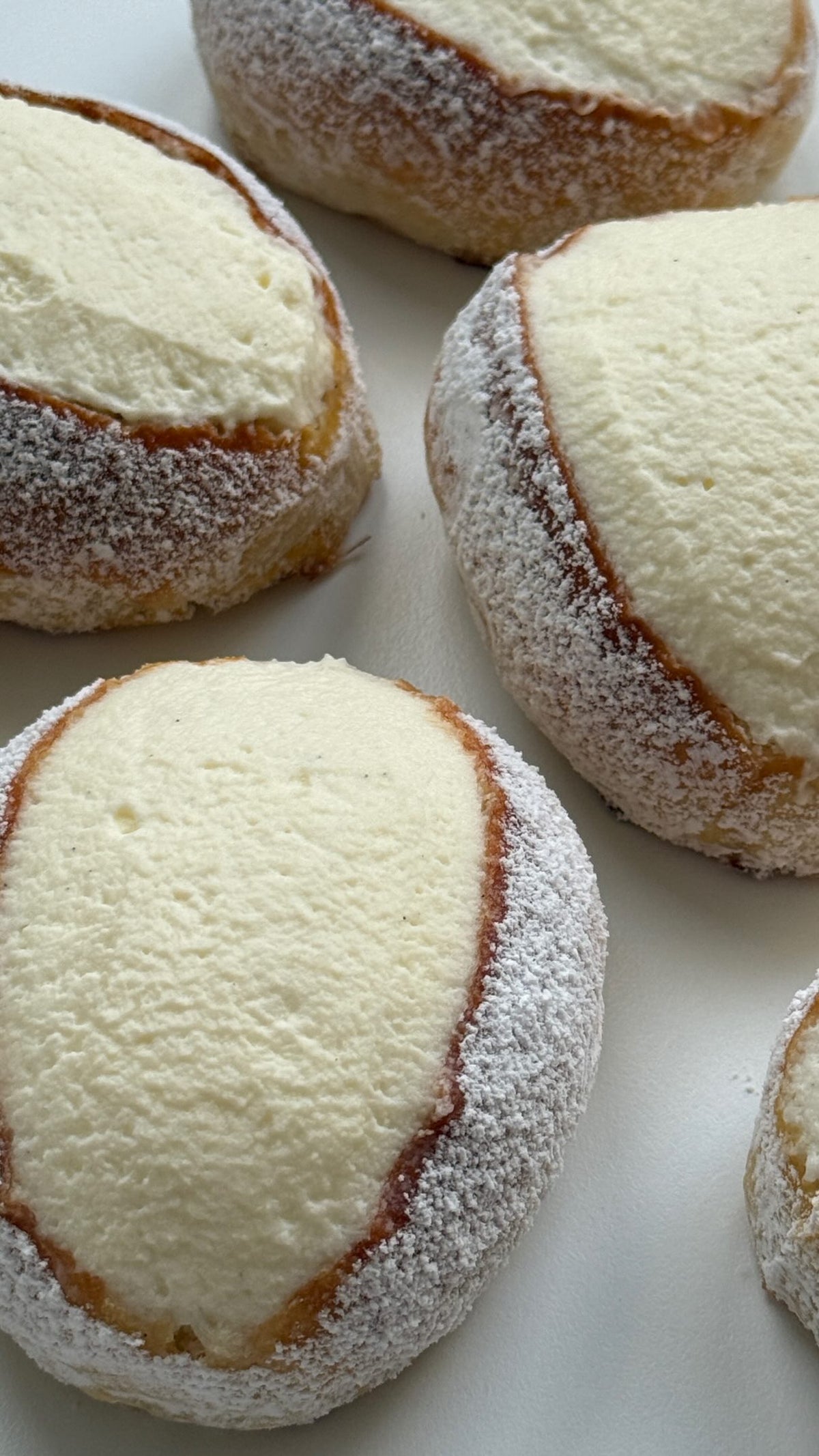
Szórd meg porcukorral, vágd szeletekre, és tálalás előtt hűtsd legalább 1 órát. Könnyed, krémes és tökéletesen kiegyensúlyozott - elegáns krémes szeletek, amelyekbe azonnal beleszeretsz

Video

Food with Style Baking Club
Süsd meg lépésről lépésre, videóval
Az ehhez illő kurzusmodul: Kevert tészta
- Sütőkurzus 9 modullal és 34 videóleckével
- 1:1 chat a Food with Style Baking Chef-fel
- Community chat és e-könyv 100 recepttel
Havonta már 14,90 € összegtől, havonta lemondható
1 év benne van a Sütőforma-szett + tanfolyam & Baking Club csomagban
FAQ
Kérdések a Vanilla Patisserie Slices kapcsán
ízletes, kipróbált és inspiráló