






Adag
Mértékegység
Sütés
18 perc

Elkészítés
-
1
Szitáld a lisztet egy tálba, és készíts a közepébe mélyedést. Tedd bele az élesztőt, 1 tk cukrot és egy kevés langyos tejet. Hagyd állni 8-10 percig, amíg felfut.

-
2
Add hozzá a maradék cukrot, a tojást, a tejet, a sót és a vaníliát. Dagaszd sima tésztává, majd dolgozd bele a vajat, és dagaszd 8-10 percig, amíg puha, rugalmas és kissé fényes nem lesz.

-
3
Takard le, és keleszd 60-90 percig, amíg a duplájára nő.

-
4
Melegítsd fel a tejet a vaníliával (ne forrald fel). Keverd habosra a tojássárgákat a cukorral és a keményítővel, majd keverd hozzá a forró tejet, és öntsd vissza a lábosba.

-
5
Folyamatos kevergetés mellett főzd sűrű, pudingos állagúra. Szedd át egy tálba, fedd le közvetlenül a krém felületén, és hagyd teljesen kihűlni.

-
6
A kihűlt krémet keverd simára, és töltsd kerek csővéges habzsákba.

-
7
Oszd a tésztát kb. 10 részre (50 g), formázz belőlük gombócokat, nyújtsd mindegyiket kerekre, és egy kisebb szaggatóval jelöld meg finoman a közepét.

-
8
A külső részt vágd vékony csíkokra úgy, hogy a közepe érintetlen maradjon.

-
9
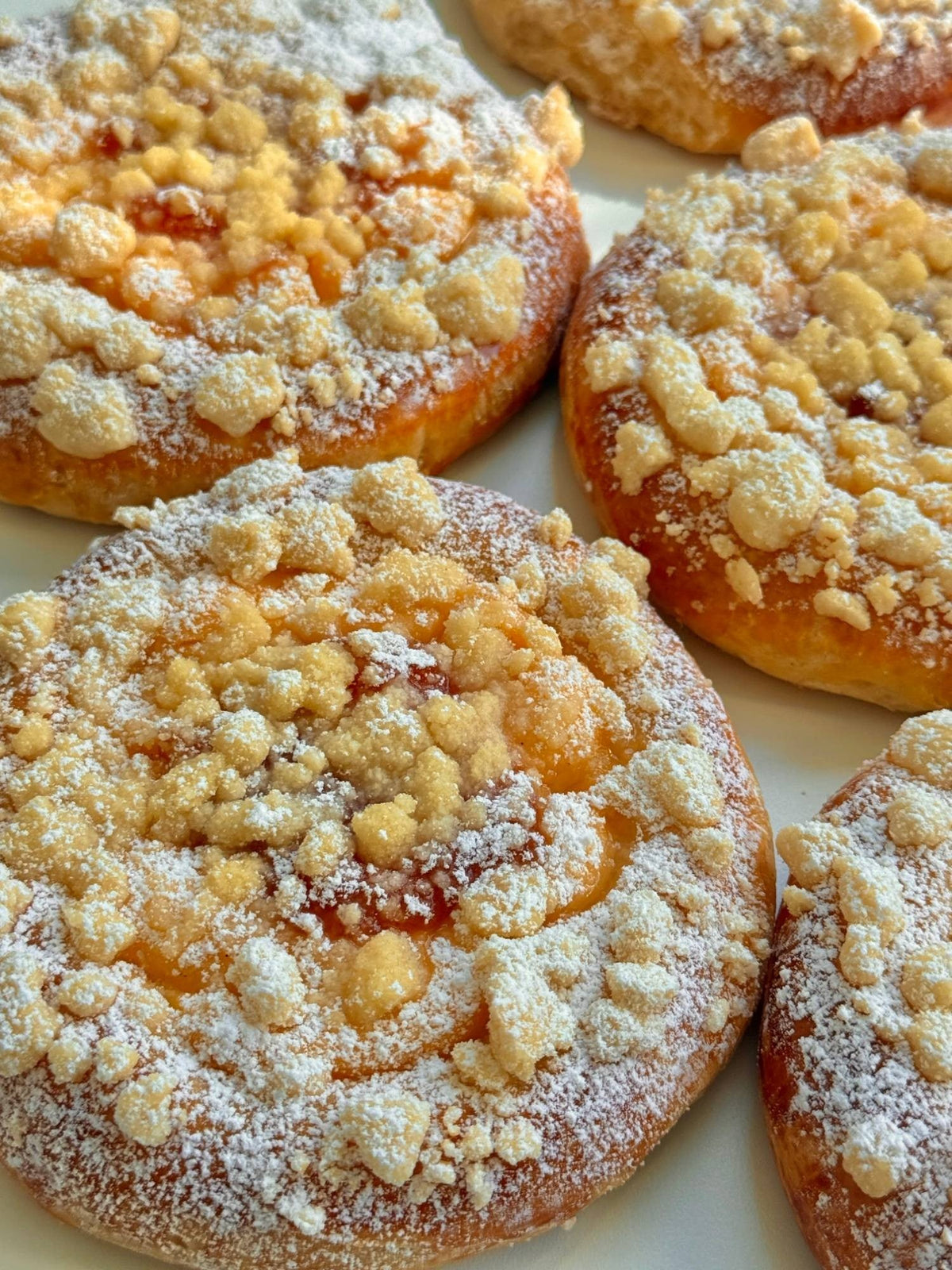
Nyomj egy alacsony gyűrűt a vaníliakrémből a közepére, majd hajtsd a csíkokat óvatosan a közép felé, kissé egymásra fektetve.

-
10
Tegyél egy szem áfonyát a közepére, takard le, és pihentesd 20-30 percig.

-
11
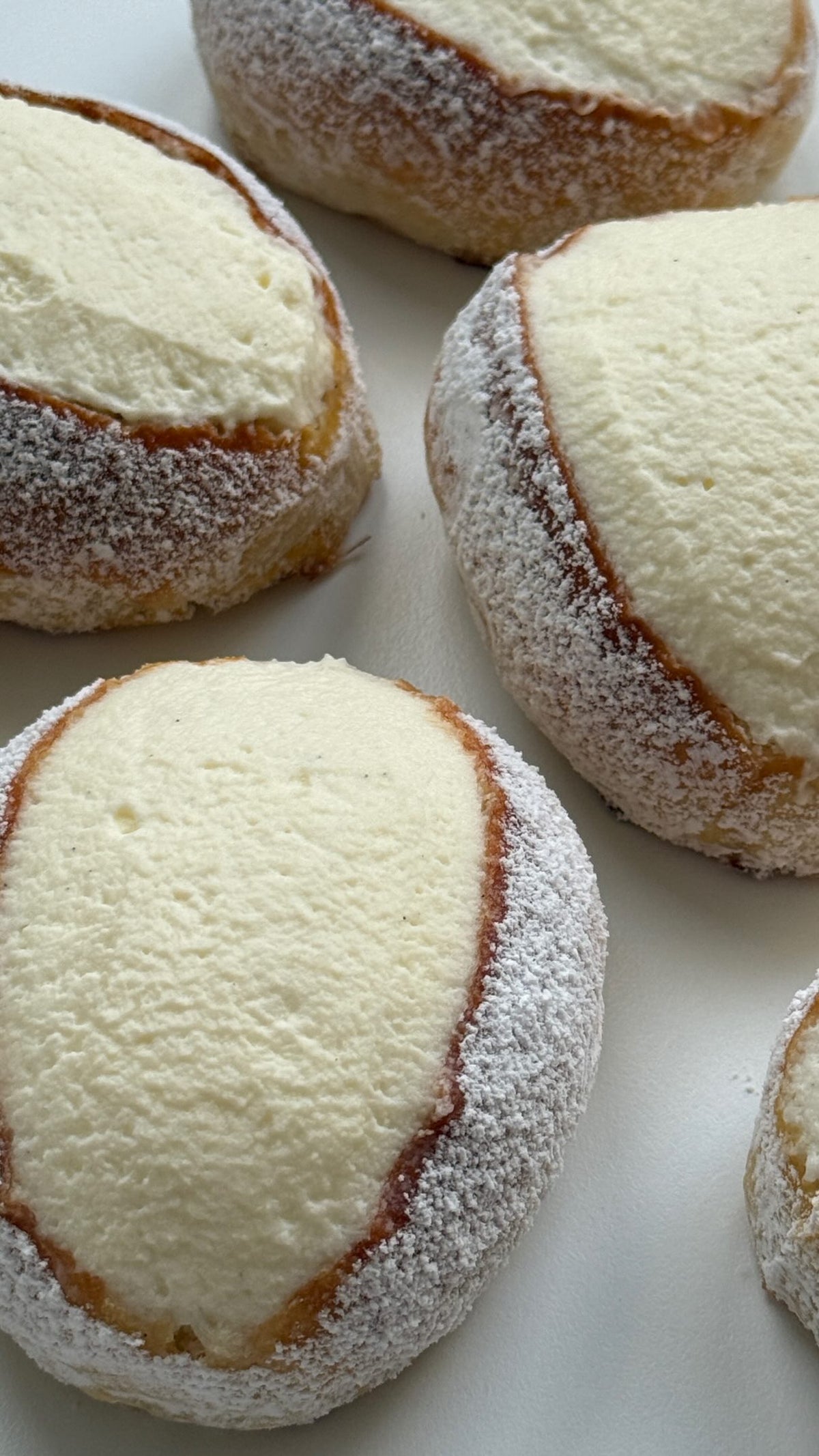
Keverd össze a tojássárgáját a tejjel, kend meg vele a süteményeket, és süsd 180 °C / 350 °F fokon 18-22 percig, amíg aranybarnák nem lesznek. Hagyd kicsit hűlni, és szórd meg porcukorral. Puha, finom kelt tésztás sütemények lágy vaníliás töltelékkel légiesek, elegánsak és egyszerűen ellenállhatatlanok.

Video

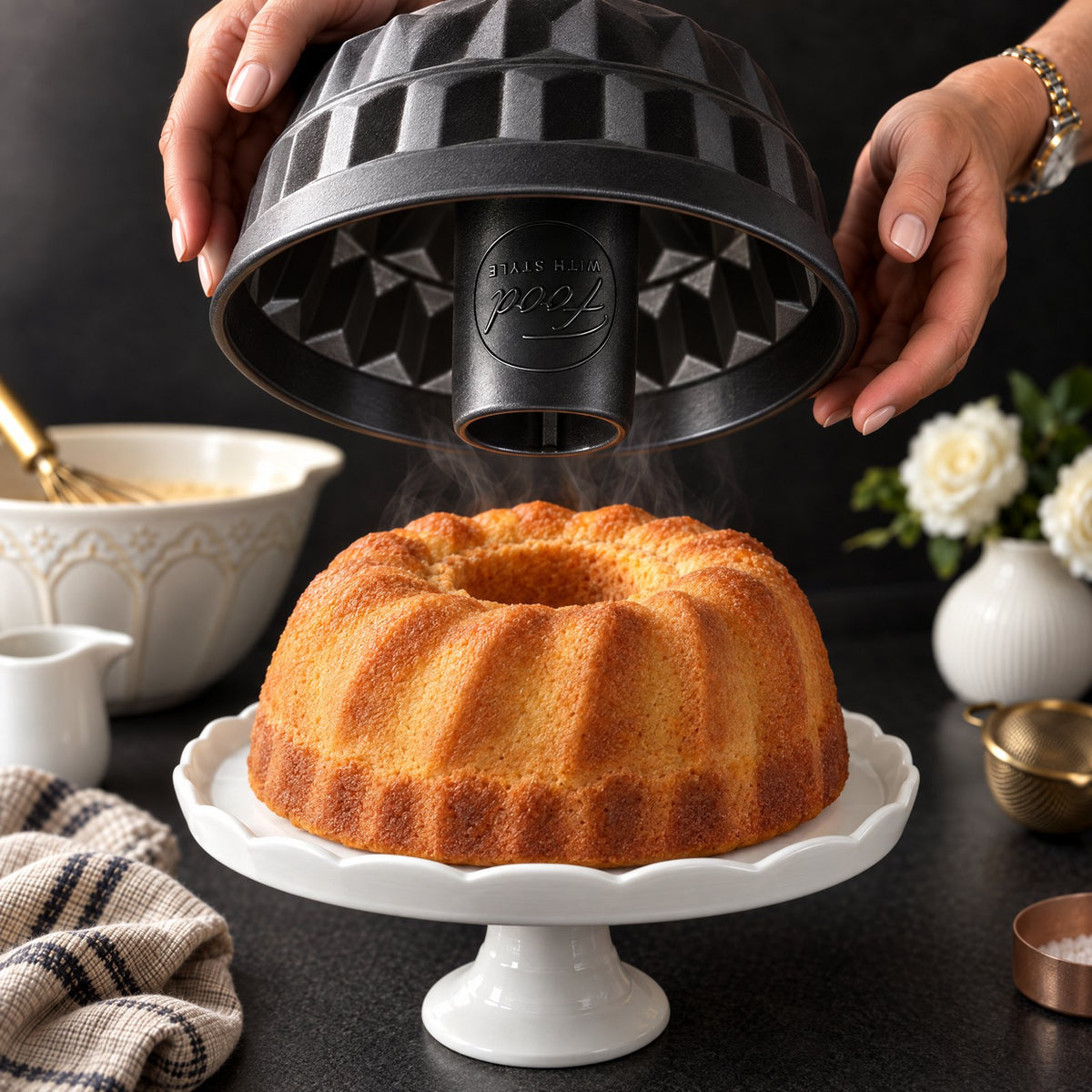
Semmi sem ragad le. Minden könnyen kijön.
A süti mindig tisztán kijön a formából.
- Dupla kerámia tapadásmentes bevonat, PFAS-mentes
- Alumíniumozott acél 10 év garanciával
- 1 év sütőtanfolyam + e‑könyv benne van
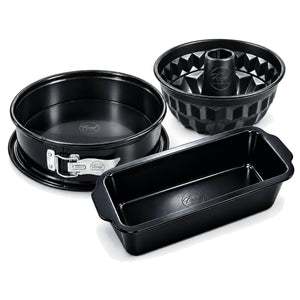
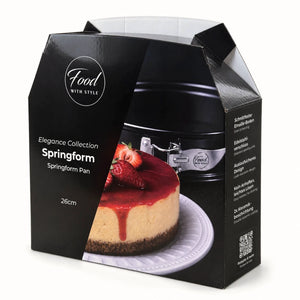
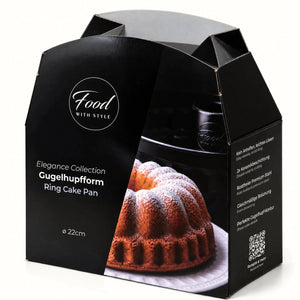
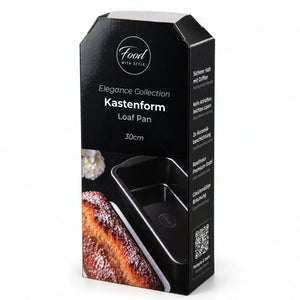
Sütőforma-szett + tanfolyam & E-könyv · 89,90 €
Megnézem a szettet

Food with Style Baking Club
Süsd meg lépésről lépésre, videóval
- Sütőkurzus 9 modullal és 34 videóleckével
- 1:1 chat a Food with Style Baking Chef-fel
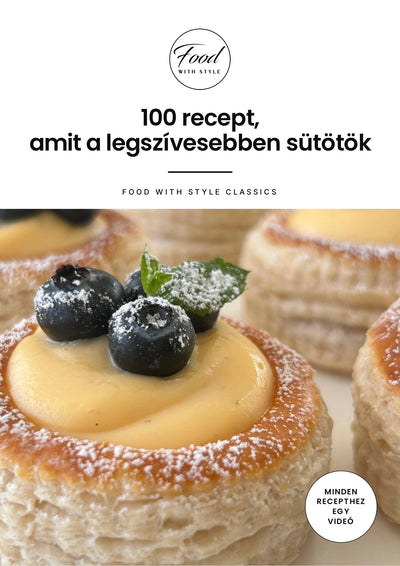
- Community chat és e-könyv 100 recepttel
Havonta már 14,90 € összegtől, havonta lemondható
1 év benne van a Sütőforma-szett + tanfolyam & E-könyv csomagban
FAQ
Kérdések a Vanilla Pastry-hez
ízletes, kipróbált és inspiráló