











Adag
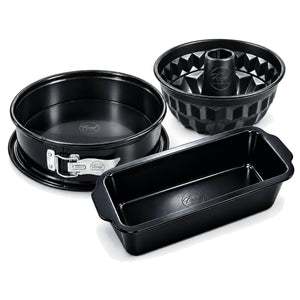
Sütőforma
cm
cm
Mértékegység
Előkészítés
1 óra
Sütés
30 perc
Hozzávalók
- Egy kenyérformához
- A tésztához
- A fahéjas töltelékhez (sütés után is látszik)
- A kenéshez
Elkészítés
-
1
Melegítsd meg a tejet, és oldd fel benne a szárított élesztőt. Egy tálban keverd össze a lisztet, a cukrot, a sót és a vaníliakivonatot. Add hozzá az élesztős tejet, a tojást és a puha vajat. Dagaszd sima tésztává körülbelül 8-10 perc alatt. Takard le, és meleg helyen keleszd nagyjából 1 órán át, amíg a duplájára nő.

-
2
A töltelékhez keverd simára a puha vajat a barna cukorral, a fahéjjal, a liszttel és a sóval.

-
3
A megkelt tésztát lisztezett felületen nyújtsd téglalap alakúra (kb. 30 x 40 cm). Kend meg egyenletesen a töltelékkel, egészen a szélekig.

-
4
Tekerd fel a tésztát szorosan a hosszabbik oldala felől. Vágd ketté a rudat hosszában, teljesen átvágva, hogy két hosszú szálat kapj. A vágott felük nézzen felfelé.

-
5
Fond össze a két szálat, mint egy kötelet, ügyelve arra, hogy a vágott felületek végig látszódjanak - ettől lesz szép a mintázat.

-
6
Óvatosan tedd a csavart tésztát kivajazott vagy sütőpapírral bélelt kenyérsütő formába. Takard le, és keleszd újabb 30 percig.

-
7
Melegítsd elő a sütőt 180 °C-ra (350 °F). Kend meg a tetejét tojássárgájával, és süsd 30-35 percig, amíg aranybarna nem lesz.

-
8
Hagyd teljesen kihűlni, majd tálalás előtt szórd meg porcukorral. Otthonos, fahéjas finomság, ami legalább olyan szép, amilyen finom - melegen, megosztva a legjobb.

Video

Food with Style Baking Club
Süsd meg lépésről lépésre, videóval
Az ehhez illő kurzusmodul: Kelt tészta
- Sütőkurzus 9 modullal és 34 videóleckével
- 1:1 chat a Food with Style Baking Chef-fel
- Community chat és e-könyv 100 recepttel
Havonta már 14,90 € összegtől, havonta lemondható
1 év benne van a Sütőforma-szett + tanfolyam & Baking Club csomagban
FAQ
Kérdések a Cinnamon Twist Loaf receptről
ízletes, kipróbált és inspiráló