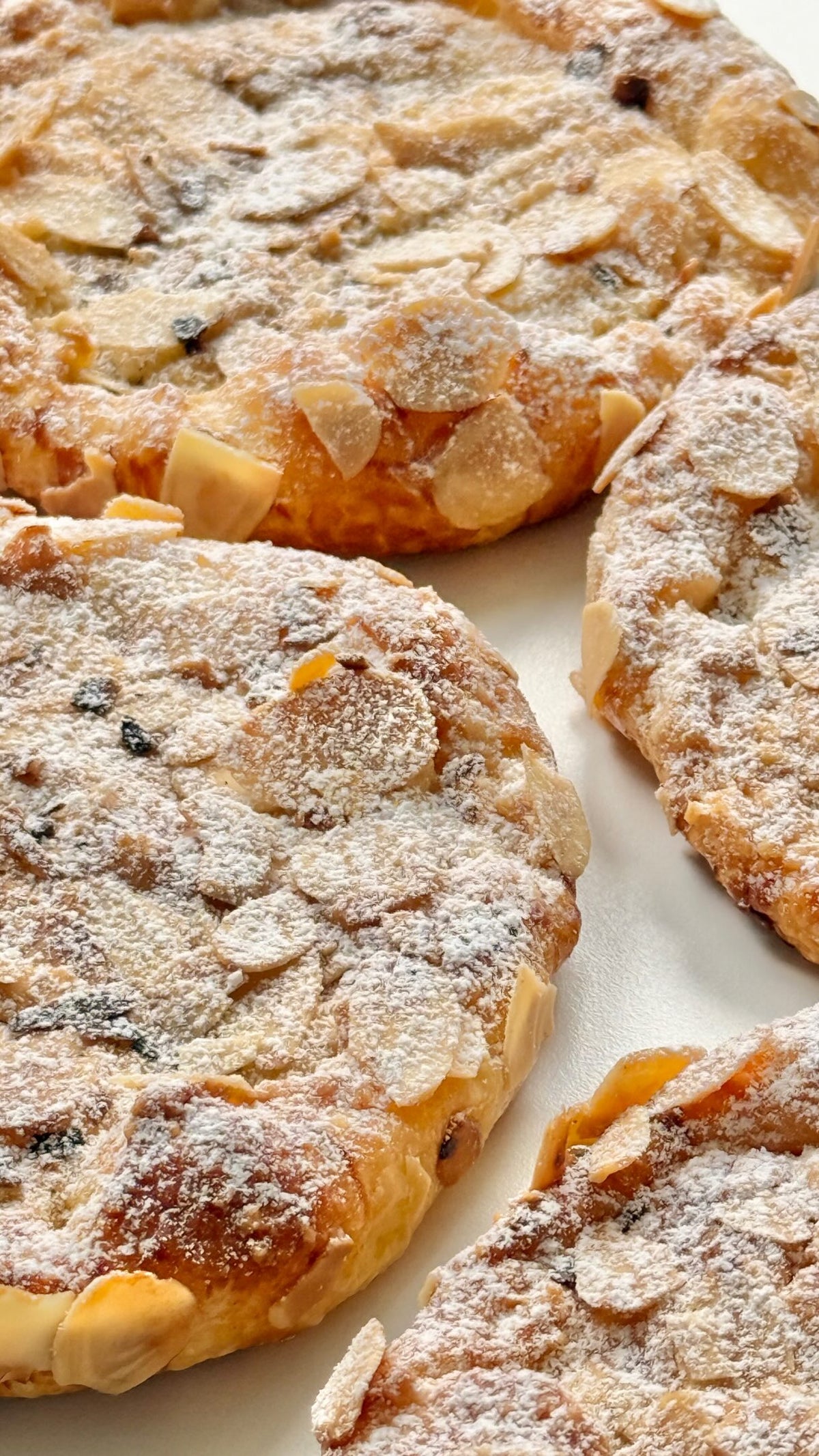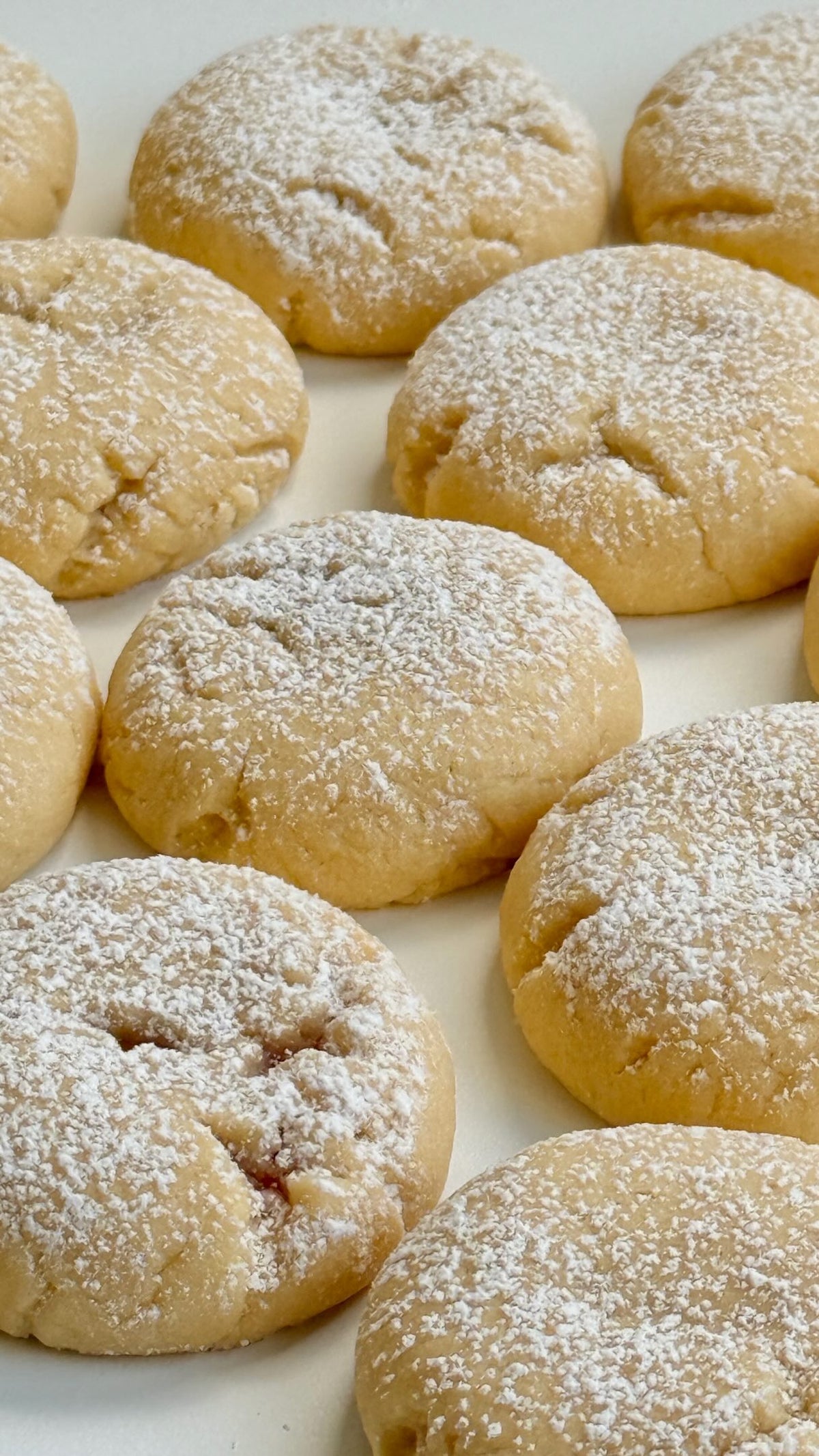
Magdalenas von Food with Style, fertig angerichtet
Pastry

Magdalenas

Aceste brioșe tradiționale spaniole au un vârf frumos bombat, ușor crocant deasupra și un miez pufos. Aromate cu coajă proaspătă de lămâie, sunt o...

Distribuie
Porții
6 porții
Coacere 10 minute

Ingrediente

Preparare

  1. 1
    Bate oul cu zahărul și sarea cu mixerul de mână aproximativ 3-4 minute, până când compoziția devine deschisă la culoare, groasă și spumoasă.
  2. 2
    Adaugă coaja de lămâie, laptele și uleiul. Amestecă scurt, doar cât să se omogenizeze.
  3. 3
    Cerne făina împreună cu praful de copt peste compoziție. Amestecă doar până obții un aluat neted.
  4. 4
    Împarte compoziția în 6 forme de hârtie pentru brioșe, așezate într-o tavă de brioșe (umple fiecare cam ¾). Pentru un vârf mai bombat, dă tava umplută la frigider pentru 15-30 de minute.
  5. 5
    Chiar înainte de coacere, presară puțin zahăr peste fiecare brioșă, pentru crusta crocantă clasică.
  6. 6
    Coace în cuptorul preîncălzit la 220 °C (430 °F) timp de 5 minute, apoi redu temperatura la 180 °C (350 °F) și mai coace 10-12 minute, până când brioșele sunt aurii și crescute.
  7. 7
    Scoate-le din cuptor și lasă-le să se răcească. Temperatura mare de la început este cea care dă Magdalenas vârful lor bombat caracteristic. Sunt cele mai bune proaspete - pufoase, parfumate și numai bune alături de o ceașcă de cafea.

Video

Magdalenas Questions
The recipe relies on 60 ml liquid oil, which stays fluid in the batter and keeps the crumb moist and light for days. If you swap in melted butter, use the same amount and let it cool slightly before adding, or it can start cooking the egg mixture. Expect a slightly denser, more buttery crumb and a less pronounced dome than with oil.

The dome comes from the heat shock: the tray must go into a fully preheated 220 °C (430 °F) oven, and only after 5 minutes do you drop to 180 °C (350 °F). Opening the oven during those first minutes or skipping the preheat lets the temperature fall and the tops stay flat. Chilling the filled tray for 15-30 minutes beforehand and filling the liners a good ¾ full also help the batter rise upward rather than outward.

You can refrigerate the batter for a few hours, and the recipe already builds in a 15-30 minute chill, so a longer rest is fine. Keep it covered and stir it only very briefly before filling the liners, since the air beaten into the egg and sugar is what makes them light. Do not leave it overnight if you can avoid it: the baking powder starts reacting once it meets the moist batter and loses lift.

Let them cool completely, then keep them in an airtight container at room temperature; the oil in the batter keeps them soft for a couple of days. Avoid the fridge, which dries them out and dulls the lemon zest aroma. They taste best fresh, so if you want that crunchy sugar top at its peak, bake them the same day you plan to eat them.

Overmixing after the flour goes in - the recipe says to mix just until smooth for a reason, because extra beating develops gluten and gives you tough, tunnelled muffins. The other frequent slip is cutting short the 3-4 minutes of beating the egg, sugar, and salt; that mixture needs to become pale, thick, and airy, since it carries most of the lift. Sift the flour and baking powder as directed so you do not have to stir out lumps later.

delicios, testat și gata să inspire

Explorează peste 400 de Rețete Delicioase