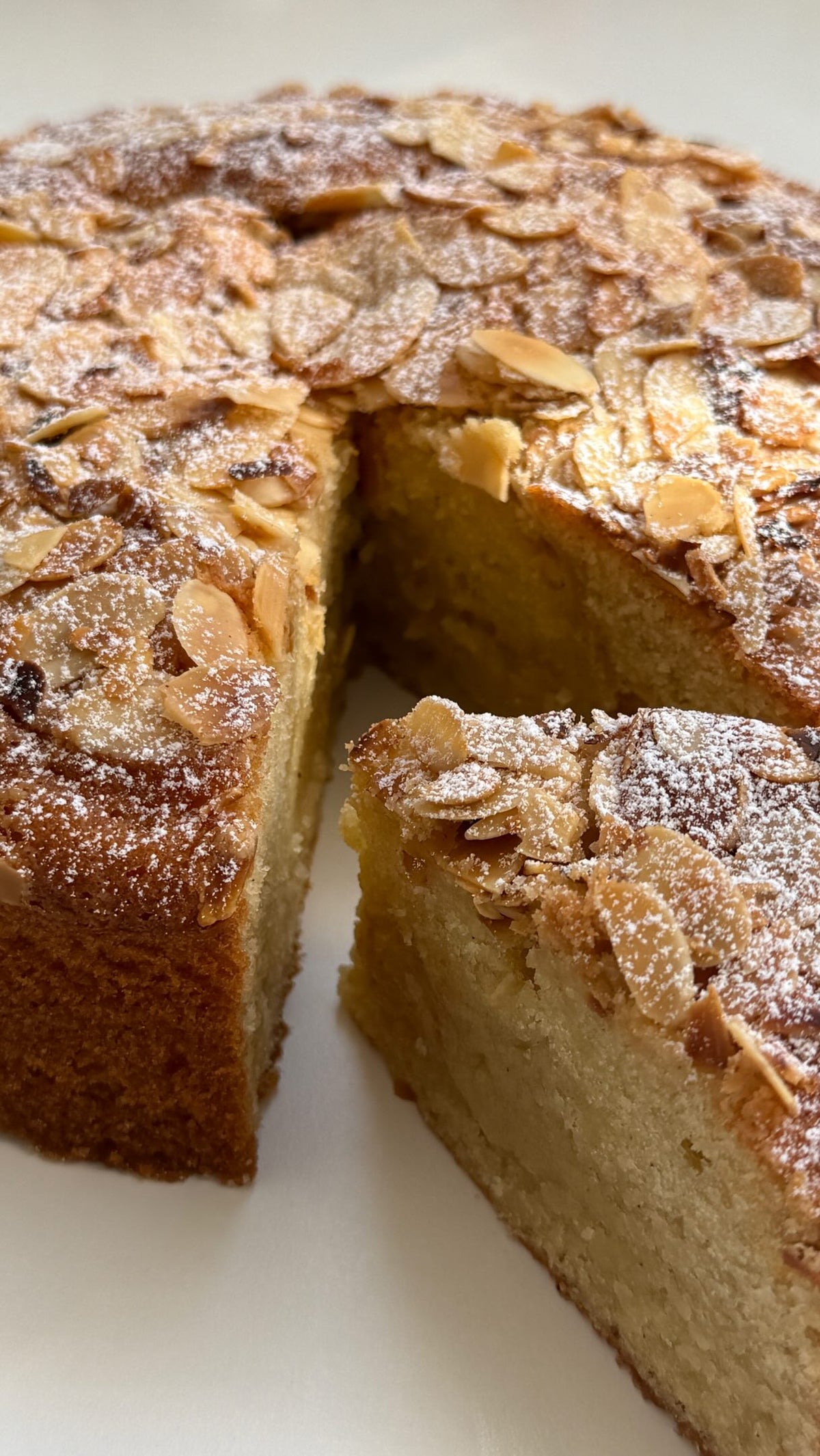
Galettes aux pommes von Food with Style, fertig angerichtet
Galette

Galettes aux pommes

Delicate, aurii și frumos lucioase - o prăjitură elegantă cu mere care cucerește prin simplitatea ei rafinată. Perfecte la o cafea sau ca desert...

Distribuie
Coacere 25 minute

Ingrediente

  • Pentru aluat
  • Pentru umplutură
  • Pentru uns și decorat

Preparare

  1. 1
    Amestecă făina, zahărul și sarea. Adaugă cuburile de unt rece și freacă-le cu vârfurile degetelor sau cu un blender de patiserie până obții un amestec nisipos. Adaugă iaurtul și frământă ușor, doar cât să se lege aluatul. Înfășoară-l în folie alimentară și lasă-l la rece cel puțin 30 de minute.
  2. 2
    Curăță merele de coajă, scoate-le cotorul și taie-le felii subțiri. Amestecă-le cu puțin suc de lămâie ca să nu se oxideze. Preîncălzește cuptorul la 350°F (180°C).
  3. 3
    Întinde aluatul pe blatul presărat cu puțină făină și decupează 6 cercuri egale (cu diametrul de aproximativ 5 inches / 12 cm). Așază fiecare cerc pe o tavă tapetată cu hârtie de copt și întinde în mijloc cam 1 teaspoon de gem de caise, lăsând o margine liberă de ¾-inch (2 cm) de jur împrejur.
  4. 4
    Aranjează feliile de măr în formă de evantai (trei evantaie mici, ușor suprapuse) și presară deasupra puțin zahăr brun.
  5. 5
    Pliază marginile aluatului cam ½ inch (1 cm) spre interior, peste mere. Unge ușor marginile cu amestecul de suc de mere și lămâie și presară migdale feliate.
  6. 6
    Coace 25-30 de minute, până când galettes sunt rumenite frumos.
  7. 7
    Cât sunt încă calde, unge merele cu puțin gem de caise, ca să capete luciu. Pudrează marginile cu zahăr pudră înainte de servire. O prăjitură rafinată, care arată ca dintr-o patiserie franțuzească - și are un gust pe măsură.

Video

Galettes aux pommes Questions

The most common cause is overworking the dough after adding the yogurt - knead only until it just comes together, as the recipe says, so the butter stays in visible pieces. Those cold butter pockets are what create the flaky layers, so if the butter softens while you rub it in, chill the dough before rolling. Warm hands and a heavy pastry cutter both work against you here.

Yes - the jam is used twice, once in the filling and once as a glaze after baking, and any smooth, light-colored jam will do the same job. Peach, quince, or apple jelly all glaze well and keep the apples glossy without overpowering them. If your jam has chunks, warm it briefly and press it through a sieve so it brushes on evenly.

Very juicy apples release liquid as they bake, which is why the recipe calls for slightly tart varieties like Elstar or Boskop - they hold their shape better than soft, watery apples. Slice the apples thinly and drain off most of the lemon-juice marinade before arranging them, keeping just a little for brushing the edges. A thin smear of apricot jam under the fruit also helps seal the dough.

The dough is the ideal make-ahead component: wrap it and refrigerate it for a day or two, or cut out the 12 cm circles and stack them between parchment. Slice and toss the apples with lemon juice only shortly before assembling, since they soften and darken as they sit. Assemble, then bake fresh at 180°C so the pastry edges stay crisp.

Keep them loosely covered at room temperature for a day or two rather than in the fridge, which makes buttery pastry limp. To bring back the crispness, warm them for a few minutes in the oven at the same 180°C, then dust with powdered sugar just before serving. Add the powdered sugar only at the end, since it dissolves on the warm apricot glaze.

delicios, testat și gata să inspire

Explorează peste 400 de Rețete Delicioase