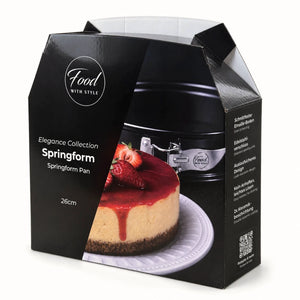
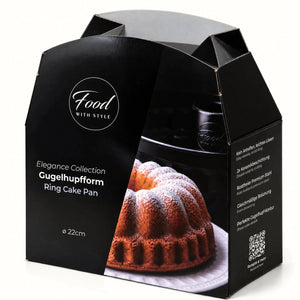
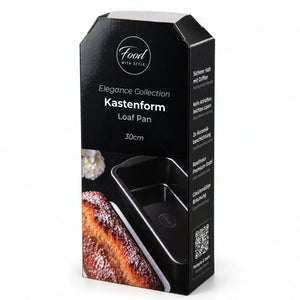
Baumstriezel (Kürtőskalács) von Food with Style, fertig angerichtet
Pastry

Kürtőskalács

Perfect pentru a aduce acasă gustul de kürtőskalács de la bâlci, în variantă mini - pufos în interior, caramelizat la exterior și minunat de...

Distribuie
Pregătire 1 oră
Coacere 20 minute

Ingrediente

  • Pentru aluatul cu drojdie
  • Pentru învelișul de zahăr cu scorțișoară

Preparare

  1. 1
    Cerne făina și fă o adâncitură la mijloc. Pune în adâncitură drojdia, 1 tsp zahăr și puțin lapte călduț. Lasă maiaua să se activeze 10 minute.
  2. 2
    Adaugă restul de lapte, zahărul, untul, oul și sarea, apoi frământă până obții un aluat moale și elastic. Acoperă-l și lasă-l la crescut 1 oră.
  3. 3
    Întinde aluatul pe blatul presărat cu puțină făină, într-o foaie de aproximativ 3-4 mm grosime. Taie fâșii lungi (late de aprox. 1.5 cm).
  4. 4
    Unge bine formele de cannoli. Înfășoară fâșiile de aluat strâns în jurul fiecărei forme, suprapunându-le ușor.
  5. 5
    Unge mini kürtőskalács-urile cu unt topit și tăvălește-le prin zahărul cu scorțișoară sau presară din belșug.
  6. 6
    Coace la 180 °C (350 °F) circa 20-25 de minute, până se rumenesc frumos și se caramelizează.
  7. 7
    Lasă-le să se răcorească puțin, apoi scoate-le ușor de pe forme. Dacă vrei, mai tăvălește-le o dată prin zahăr cu scorțișoară. Mici, caramelizate, crocante și parfumate cu scorțișoară - mini kürtőskalács perfecți la cafea, pentru musafiri sau pur și simplu de ronțăit între mese.

Video

Baumstriezel (Kürtőskalács) Questions

After the 1 hour rise, the dough should have visibly grown and feel soft and airy, springing back slowly when you press it with a finger. If your kitchen is cool it may need longer - go by the look and feel, not strictly by the clock. A dough that is still dense and firm will be hard to roll to 3-4 mm and the strips will shrink back as you wrap them.

Yes. Instant yeast can be mixed straight into the flour with the sugar and salt, so you can skip the 10-minute activation step in the well and just add the lukewarm milk with the other ingredients. For fresh yeast, crumble roughly three times the weight of the 1 tsp dry yeast into the well with a little sugar and milk and let it foam as described.

Any heatproof cylinder works as long as you grease it well, since the recipe relies on being able to slide the baked cake off. Thick wooden dowels or metal cream-horn moulds are the classic substitutes; you can also wrap sturdy aluminium foil tightly into a cylinder around a wooden spoon handle. Keep the diameter small so the 20-25 minutes at 180 °C still bake the dough through.

They are best on the day they are baked, while the caramelized cinnamon sugar is still crisp; keep them loosely covered at room temperature rather than in an airtight box, which softens the crust. The yeast dough is the part to prepare ahead - after kneading you can let it rise slowly in the fridge overnight, then bring it to room temperature before rolling. A quick few minutes in a warm oven revives leftovers before serving.

Unravelling usually means the strips were not wrapped tightly and overlapping enough, or the ends were not pressed firmly against the dough underneath before baking. Sticking almost always comes down to greasing: the molds need a generous coat, and the cakes should cool only slightly before you slide them off - fully cooled caramelized sugar glues them in place. Also press the strip ends down well so the cinnamon sugar does not run under the dough and weld it to the mold.

delicios, testat și gata să inspire

Explorează peste 400 de Rețete Delicioase