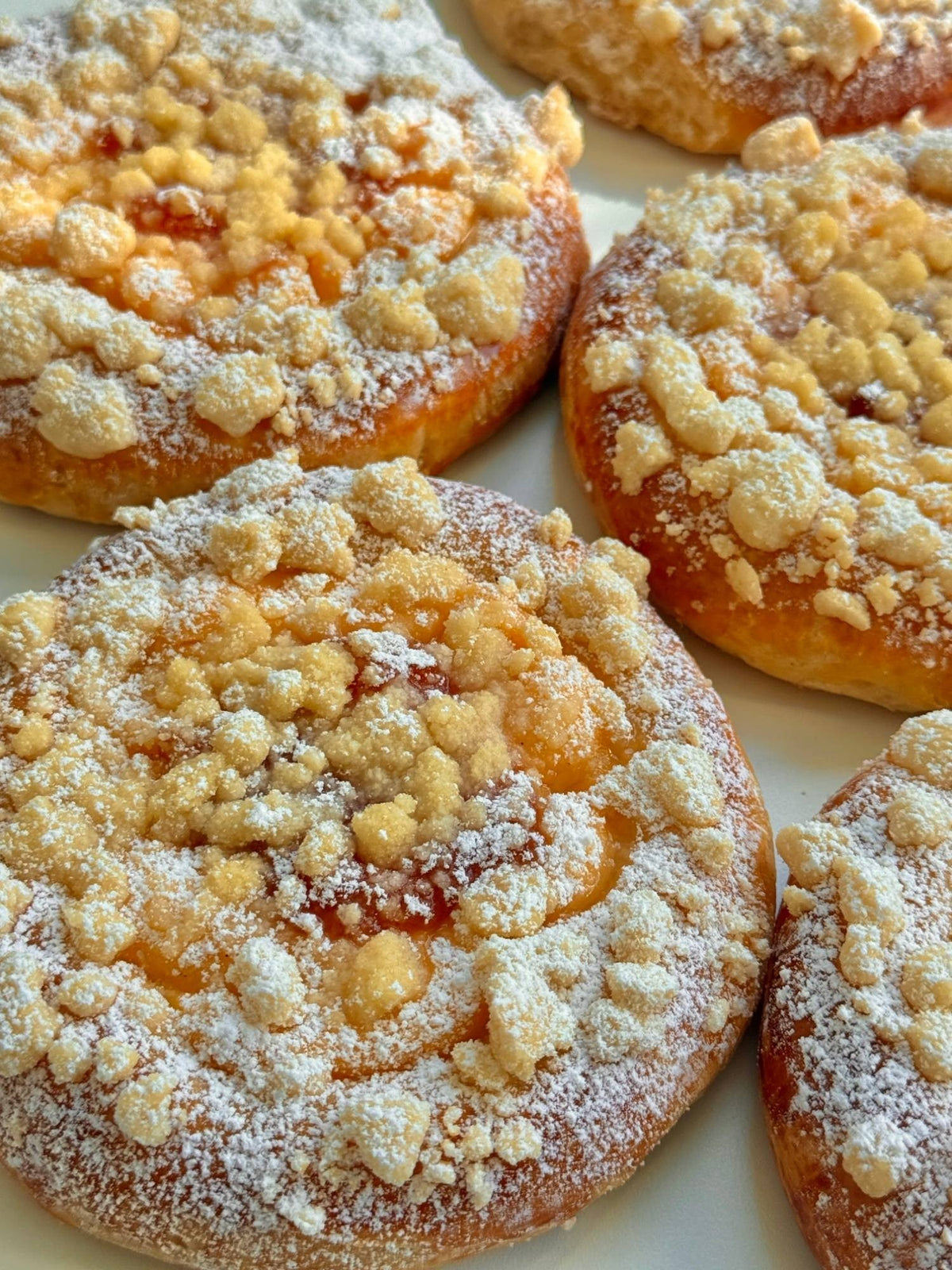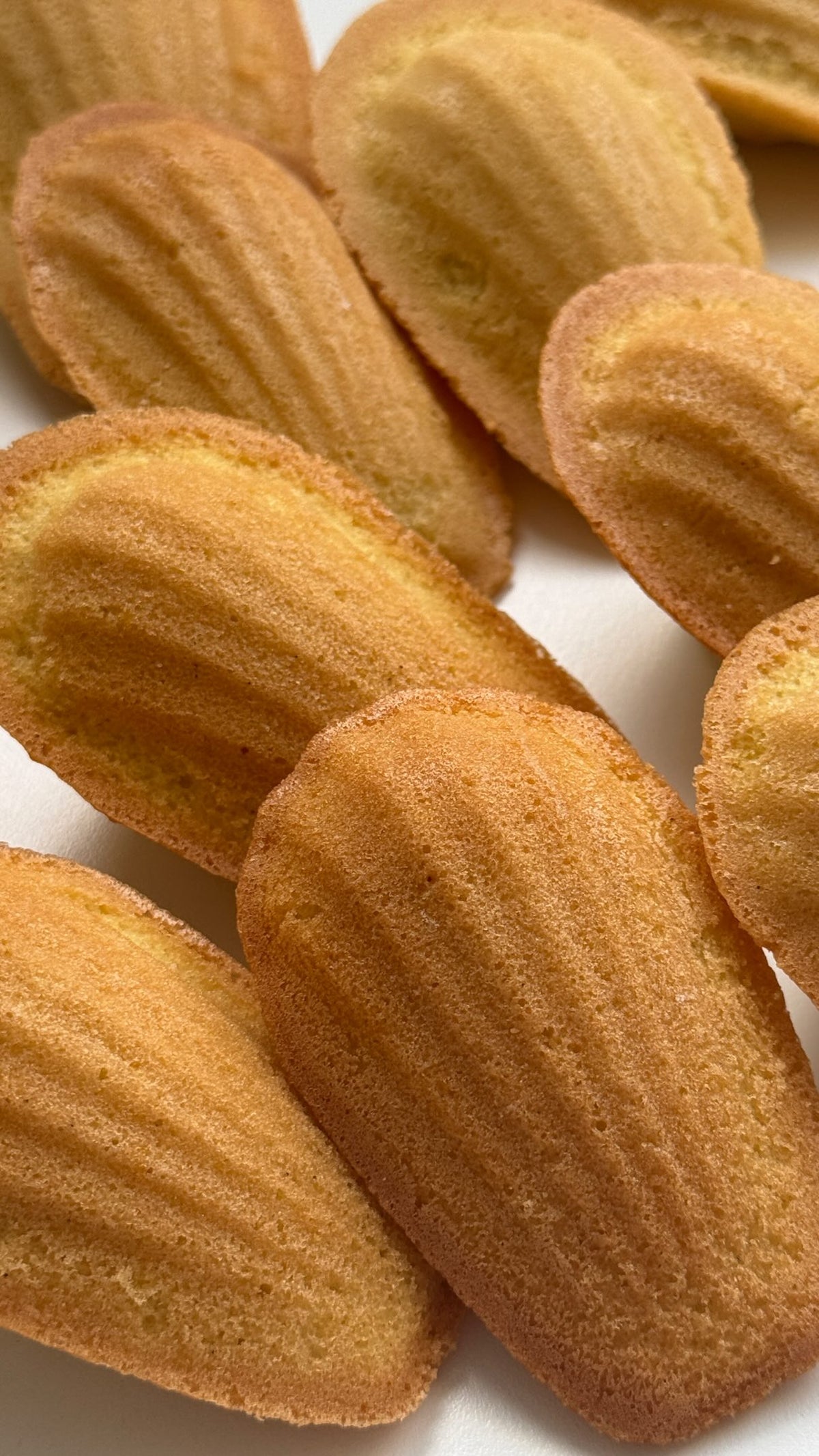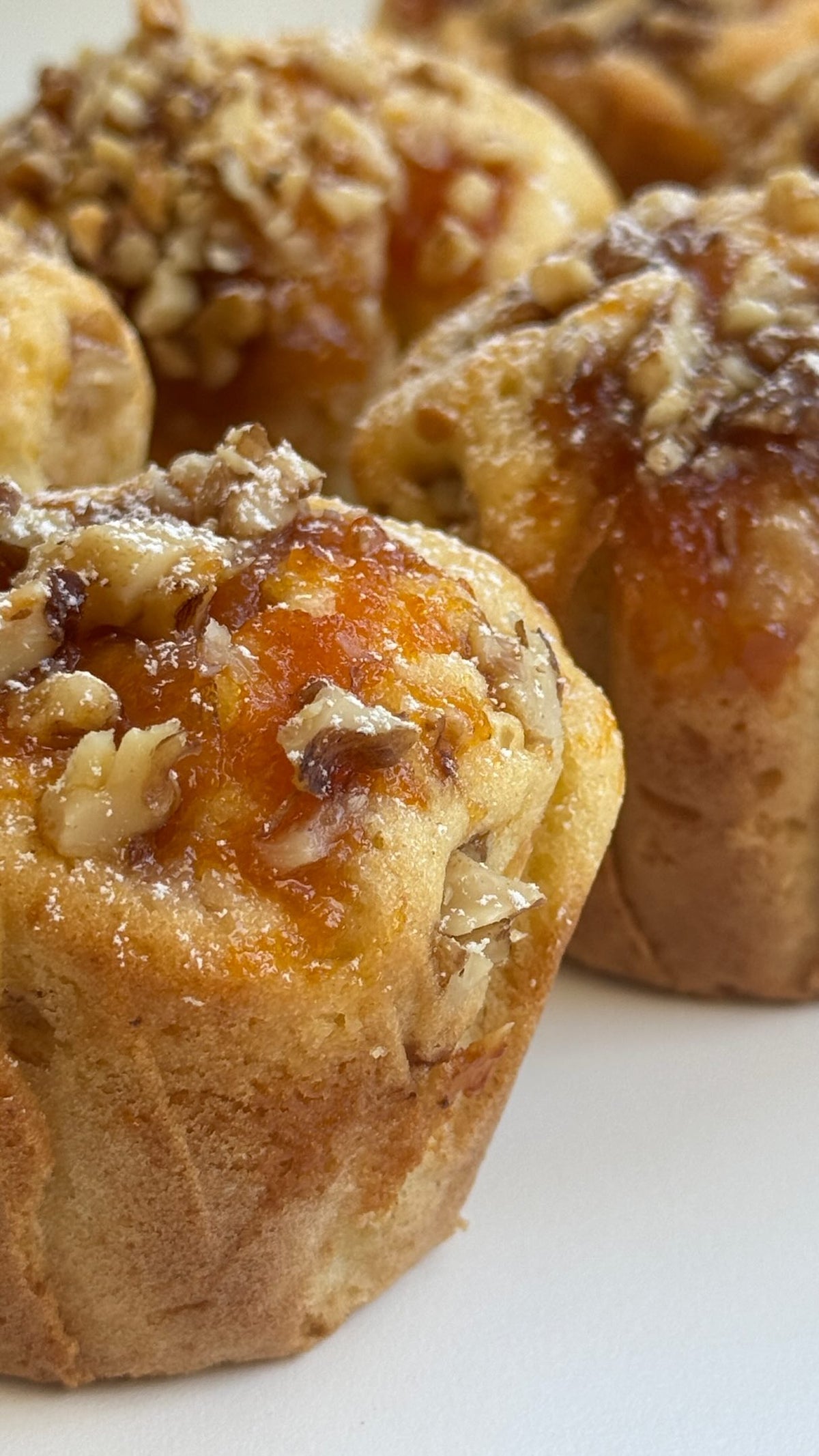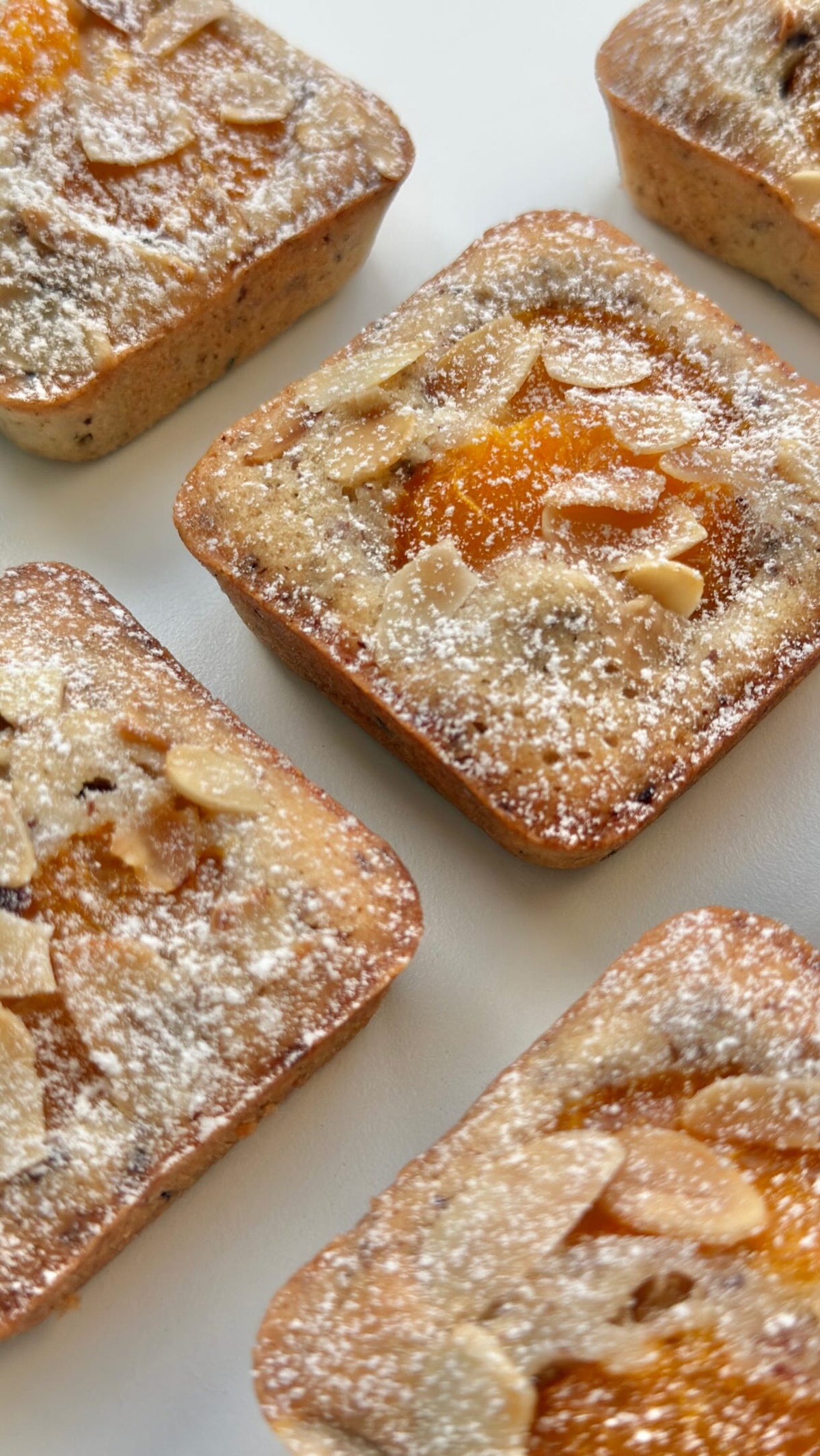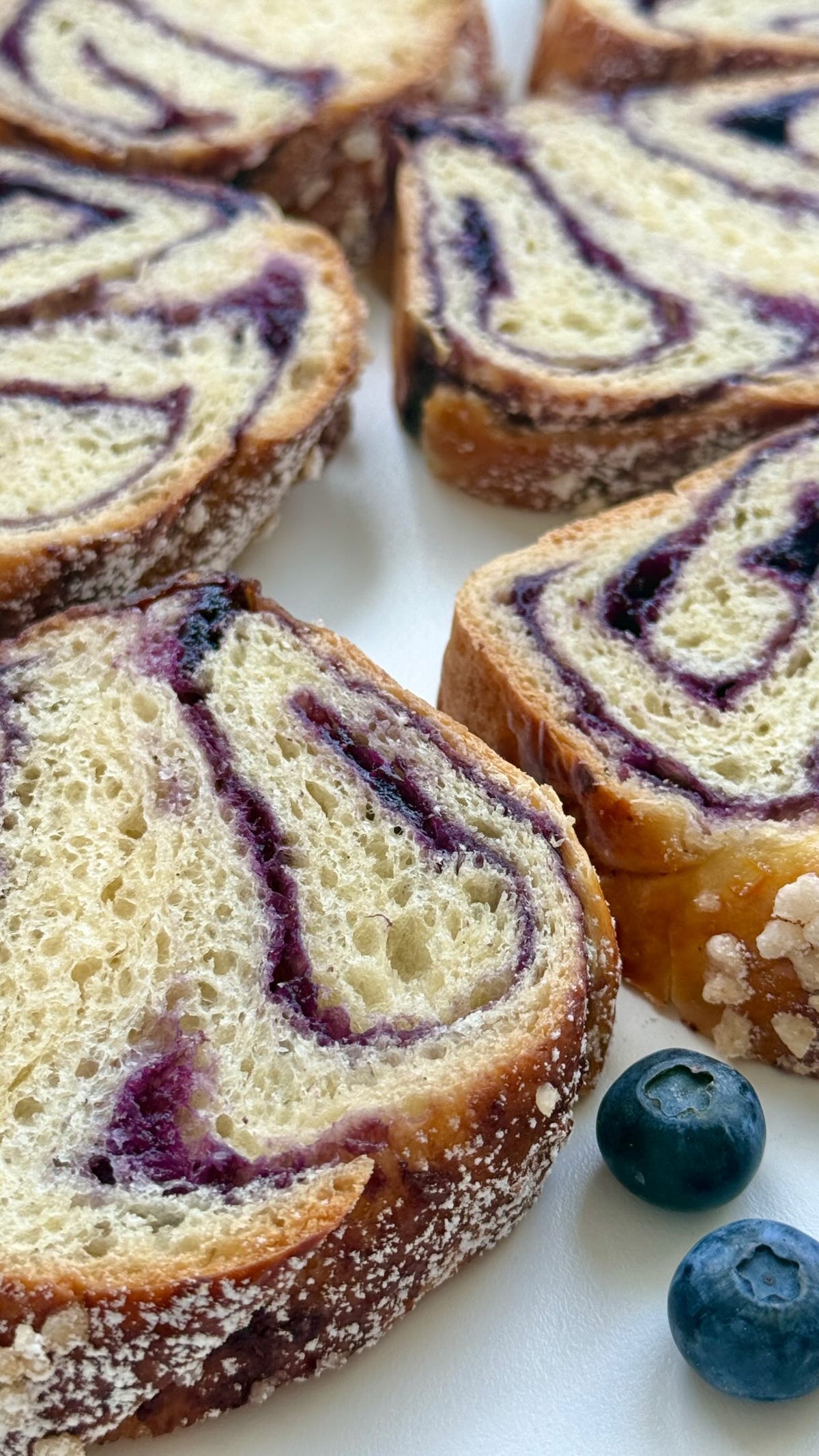
Franzbrötchen von Food with Style, fertig angerichtet
Pastry

Franzbrötchen

Aceste Franzbrötchen sunt divin de pufoase și miros irezistibil. Perfecte pentru oricine iubește un răsfăț dulce!

Distribuie
Porții
6 bucăți
Pregătire 1 oră
Coacere 15 minute

Ingrediente

  • Pentru aluat
  • Pentru umplutură

Preparare

  1. 1
    Cerne făina într-un bol și fă o adâncitură la mijloc. Pune în adâncitură drojdia, 1 tsp zahăr și 2-3 tbsp lapte călduț. Amestecă ușor și lasă 10 minute, până face spumă.
  2. 2
    Adaugă în bol restul de lapte, zahărul, oul și sarea. Frământă până obții un aluat neted. Adaugă untul moale bucăți și frământă în continuare până când aluatul devine elastic. Acoperă și lasă la crescut la loc cald aproximativ 1 oră, până își dublează volumul.
  3. 3
    Într-un bol separat, amestecă zahărul brun, scorțișoara și untul moale până obții o pastă ușor de întins.
  4. 4
    Întinde aluatul pe blatul presărat cu puțină făină, într-o foaie dreptunghiulară de aproximativ 20 x 30 cm (8 x 12 inches).
  5. 5
    Întinde uniform peste aluat crema de unt cu scorțișoară și zahăr.
  6. 6
    Rulează strâns aluatul pe latura lungă și taie-l în bucăți late de aproximativ 5 cm ( 2 inches).
  7. 7
    Așază bucățile cu tăietura în jos într-o tavă tapetată cu hârtie de copt. Apasă ferm cu un bețișor pe mijlocul fiecărei bucăți, ca să obții forma tradițională de Franzbrötchen.
  8. 8
    Acoperă și mai lasă la crescut încă 30 de minute.
  9. 9
    Preîncălzește cuptorul la 180°C (350°F), căldură sus/jos (160°C cu ventilație). Coace Franzbrötchen 15-18 minute, până se rumenesc frumos.
  10. 10
    Unge Franzbrötchen calde cu unt topit și lasă-le să se răcească acoperite cu un prosop. Presară deasupra zahăr cu scorțișoară sau zahăr pudră, după preferință.

Video

Franzbrötchen Questions

After stirring the yeast with 1 tsp sugar and 2-3 tbsp lukewarm milk in the well, let it sit for 10 minutes as the recipe directs. You should see foam or bubbles on the surface - that means the yeast is alive and the dough will rise. If the mixture stays flat and smooth after 10 minutes, discard it and start again with fresh yeast, since the whole dough depends on this step.

Yes. The recipe already starts the yeast in lukewarm milk with a little sugar, so active dry yeast works in the same amount and simply needs the full 10 minutes to foam. Fresh yeast also works - crumble it into the milk in the well and stir until dissolved. Whichever you use, keep the milk lukewarm, not hot, or you will kill the yeast.

This usually happens when the butter in the filling is too soft or the dough is rolled too loosely. Mix the brown sugar, cinnamon, and butter into a spreadable paste rather than a runny one, and spread it evenly so no thick pockets form. Roll the dough tightly from the long side, and always bake on parchment paper as the recipe says - some caramel escaping is normal and lifts right off the paper.

Yes. Knead the dough through the butter stage, then cover it and let it rise slowly in the fridge overnight instead of at room temperature. The next morning, let it come back to room temperature before rolling it into the 20 x 30 cm rectangle, otherwise the cold dough will crack and the butter filling won't spread. Then continue with shaping, the 30-minute rise, and baking as written.

Let them cool completely, then keep them in an airtight container at room temperature - the butter in both the dough and the filling keeps them tender for a couple of days. To refresh them, warm them briefly in the oven at the same 180°C (350°F) until the filling softens again. They also freeze well once cooled; thaw and reheat the same way.

delicios, testat și gata să inspire

Explorează peste 400 de Rețete Delicioase