






Porții
Unități
Coacere
18 minute

Preparare
-
1
Cerne făina într-un bol și fă o adâncitură la mijloc. Adaugă drojdia, 1 linguriță zahăr și puțin lapte călduț. Lasă să stea 8-10 minute, până face spumă.

-
2
Adaugă restul de zahăr, oul, laptele, sarea și vanilia. Frământă până obții un aluat omogen, apoi încorporează untul și mai frământă 8-10 minute, până devine moale, elastic și ușor lucios.

-
3
Acoperă și lasă la crescut 60-90 de minute, până își dublează volumul.

-
4
Încălzește laptele cu vanilia (fără să dea în clocot). Freacă gălbenușurile cu zahărul și amidonul, toarnă peste ele laptele fierbinte amestecând continuu, apoi pune totul înapoi în crăticioară.

-
5
Fierbe amestecând încontinuu, până se îngroașă ca o cremă de budincă. Mută crema într-un bol, pune folie direct pe suprafață și las-o să se răcească complet.

-
6
Amestecă bine crema rece până devine fină și pune-o într-un poș cu dui rotund.

-
7
Împarte aluatul în aproximativ 10 bucăți (câte 50 g), modelează bile, întinde fiecare bilă în formă rotundă și marchează ușor mijlocul cu un decupator mic.

-
8
Taie marginea exterioară în fâșii subțiri, lăsând mijlocul întreg.

-
9
Toarnă cu poșul un inel subțire de cremă de vanilie în mijloc, apoi pliază ușor fâșiile spre centru, suprapunându-le puțin.

-
10
Pune o afină în mijloc, acoperă și lasă la dospit 20-30 de minute.

-
11
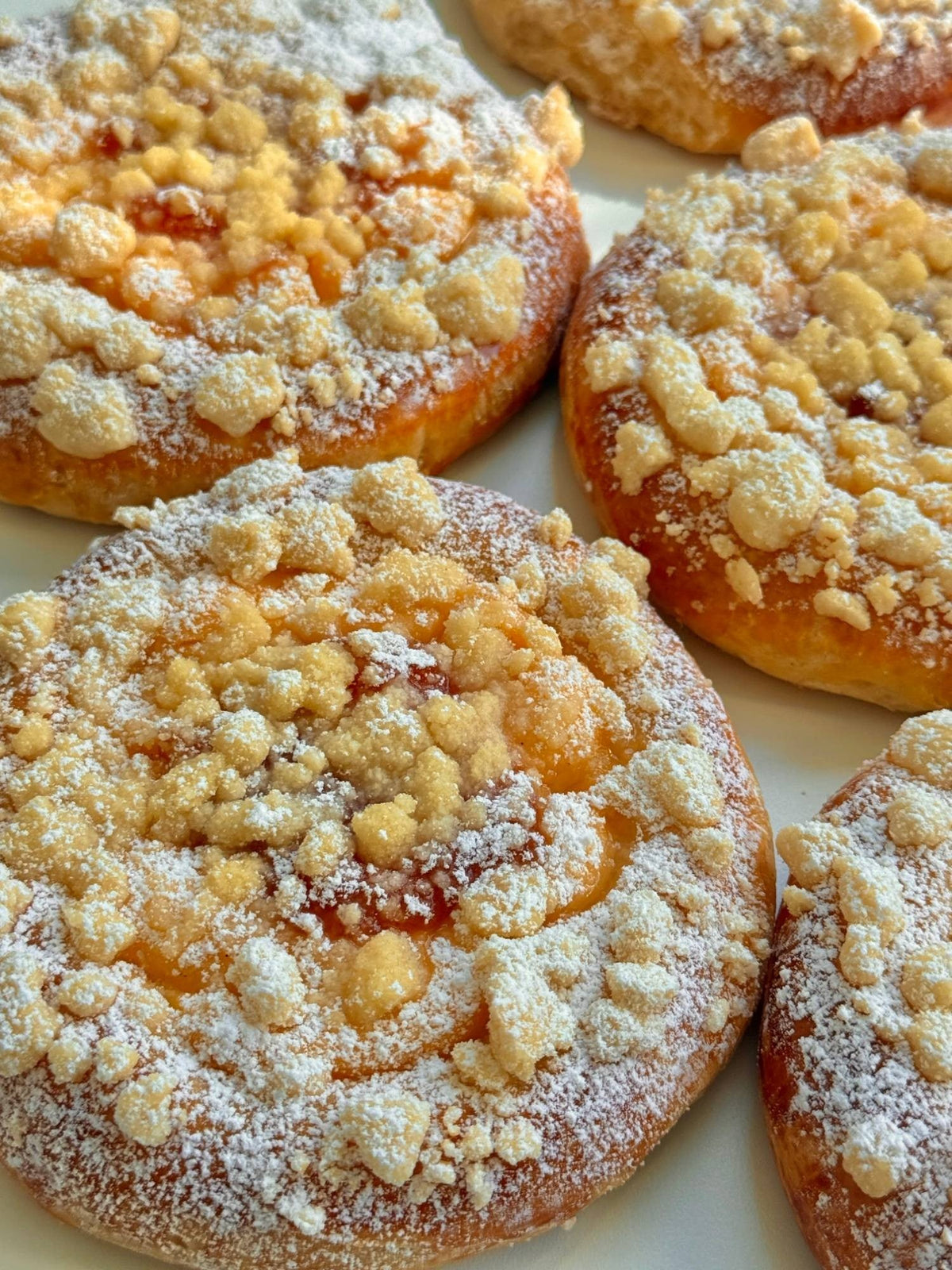
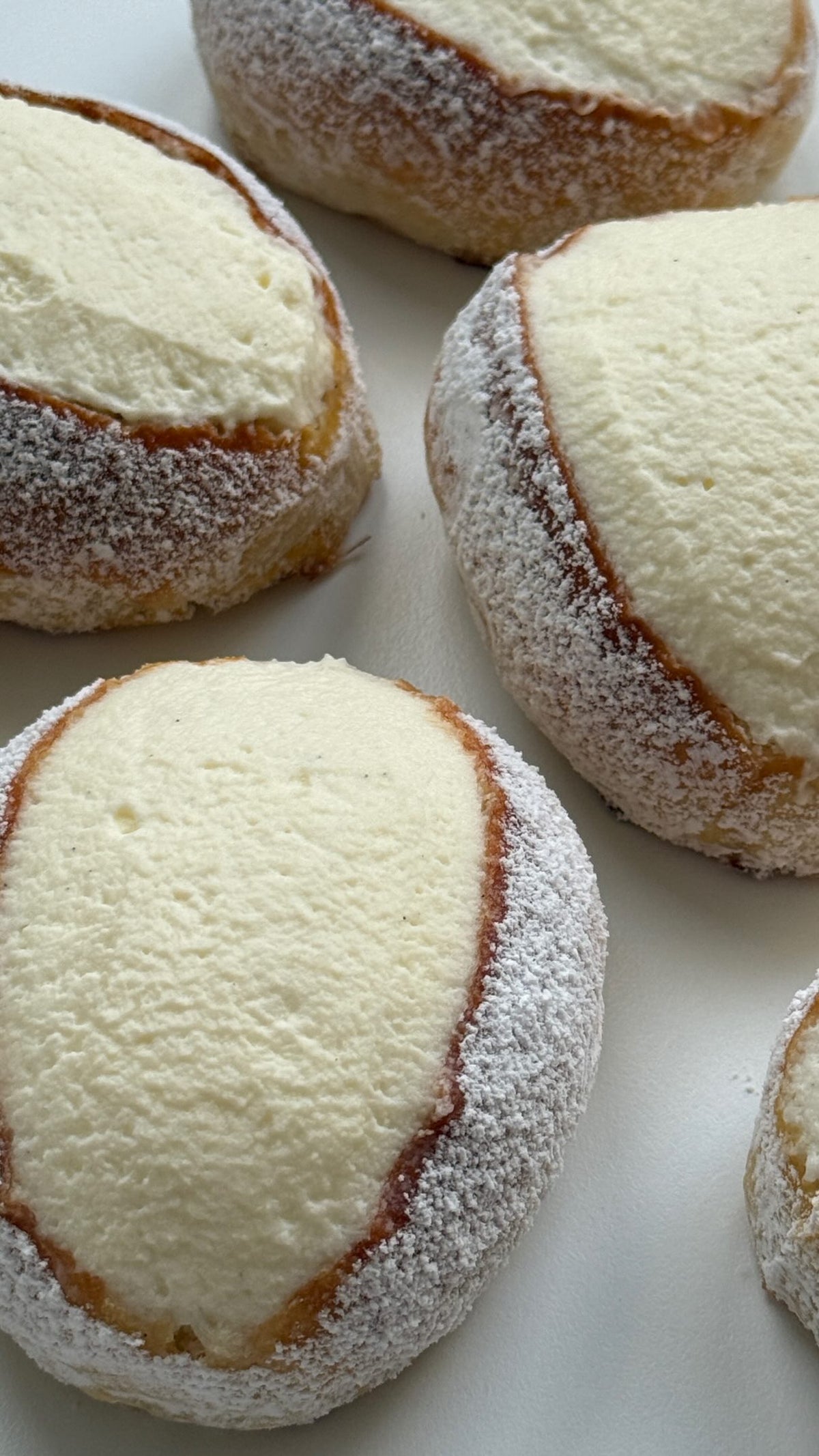
Amestecă gălbenușul cu laptele, unge prăjiturelele și coace-le la 180 °C / 350 °F timp de 18-22 de minute, până se rumenesc frumos. Lasă-le să se răcorească puțin și pudrează-le cu zahăr pudră. Prăjiturele pufoase și fragede din aluat dospit, cu o umplutură fină de vanilie - aerate, elegante și pur și simplu irezistibile.

Video

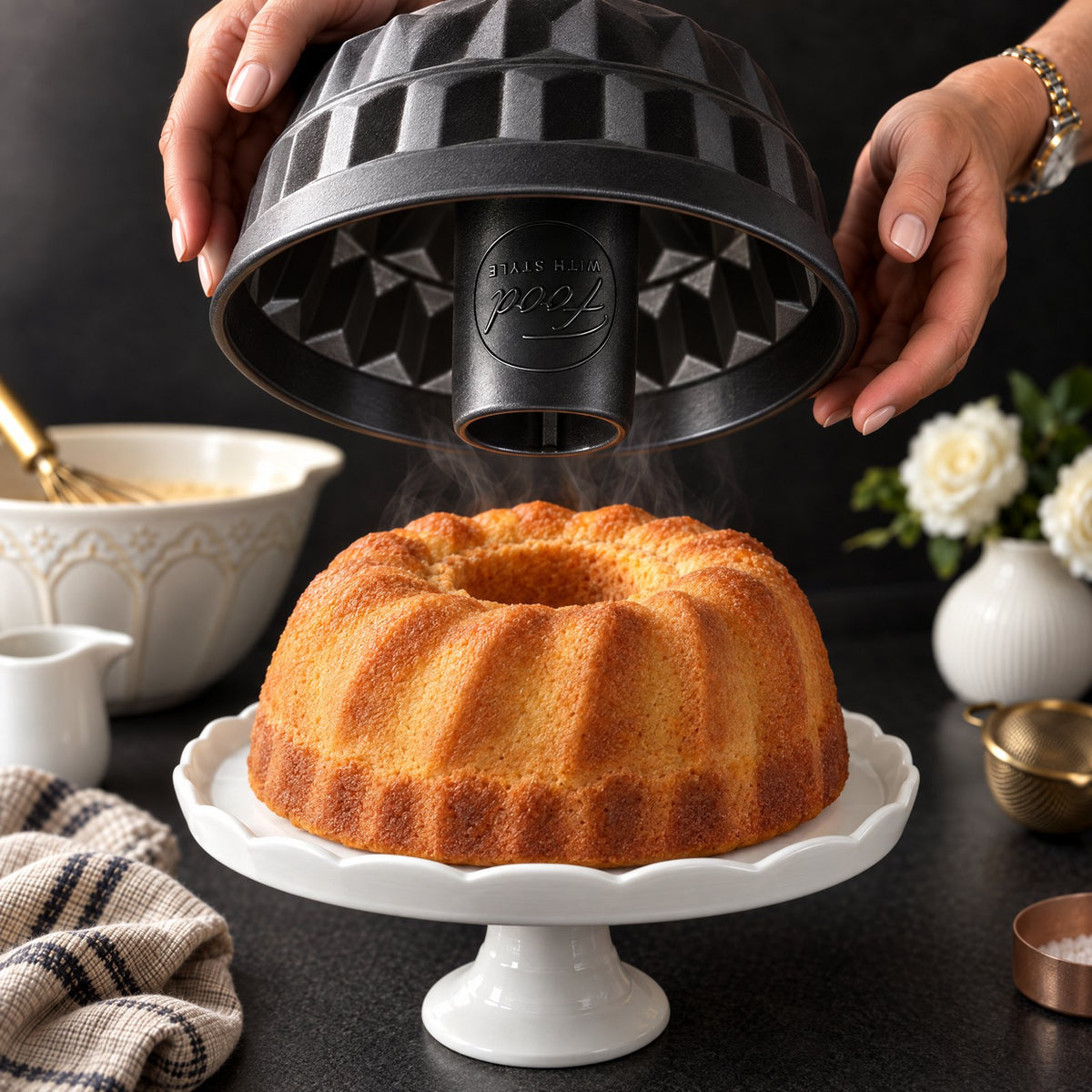
Nimic nu se lipește. Totul se desprinde.
Prăjitura iese curat din formă, de fiecare dată.
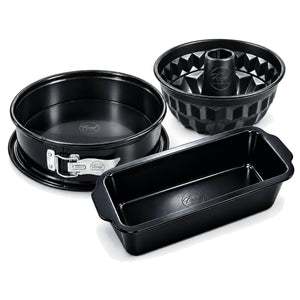
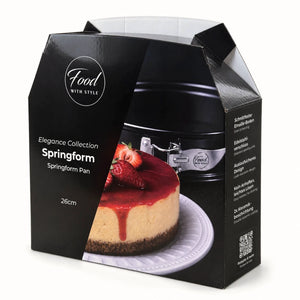
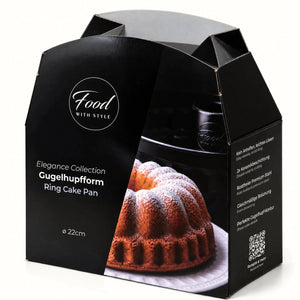
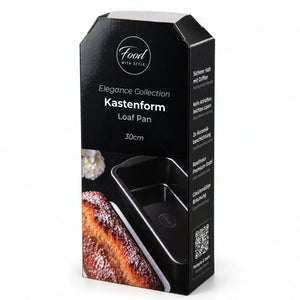
- Strat dublu antiaderent ceramic, fără PFAS
- Oțel aluminizat cu 10 ani garanție
- 1 an de curs de patiserie + e‑book inclus
Set de patiserie + curs & E-book · 89,90 €
Vezi setul

Food with Style Baking Club
Coace-o pas cu pas, cu video
- Curs de patiserie cu 9 module și 34 de lecții video
- Chat 1:1 cu Food with Style Baking Chef
- Chat Community și e-book cu 100 de rețete
De la 14,90 € pe lună, poți renunța lunar
FAQ
Întrebări despre prăjitura cu cremă de vanilie
delicios, testat și gata să te inspire