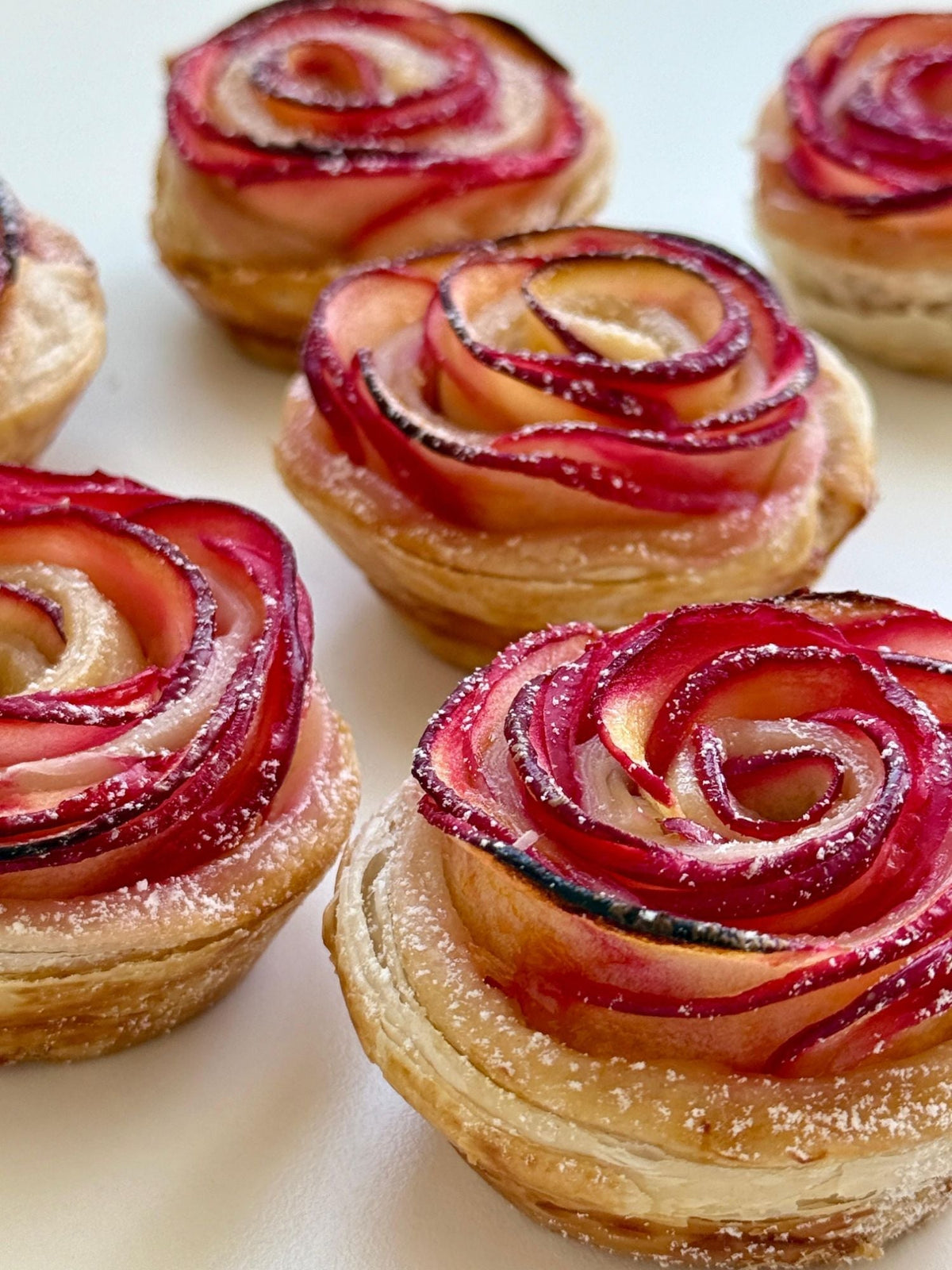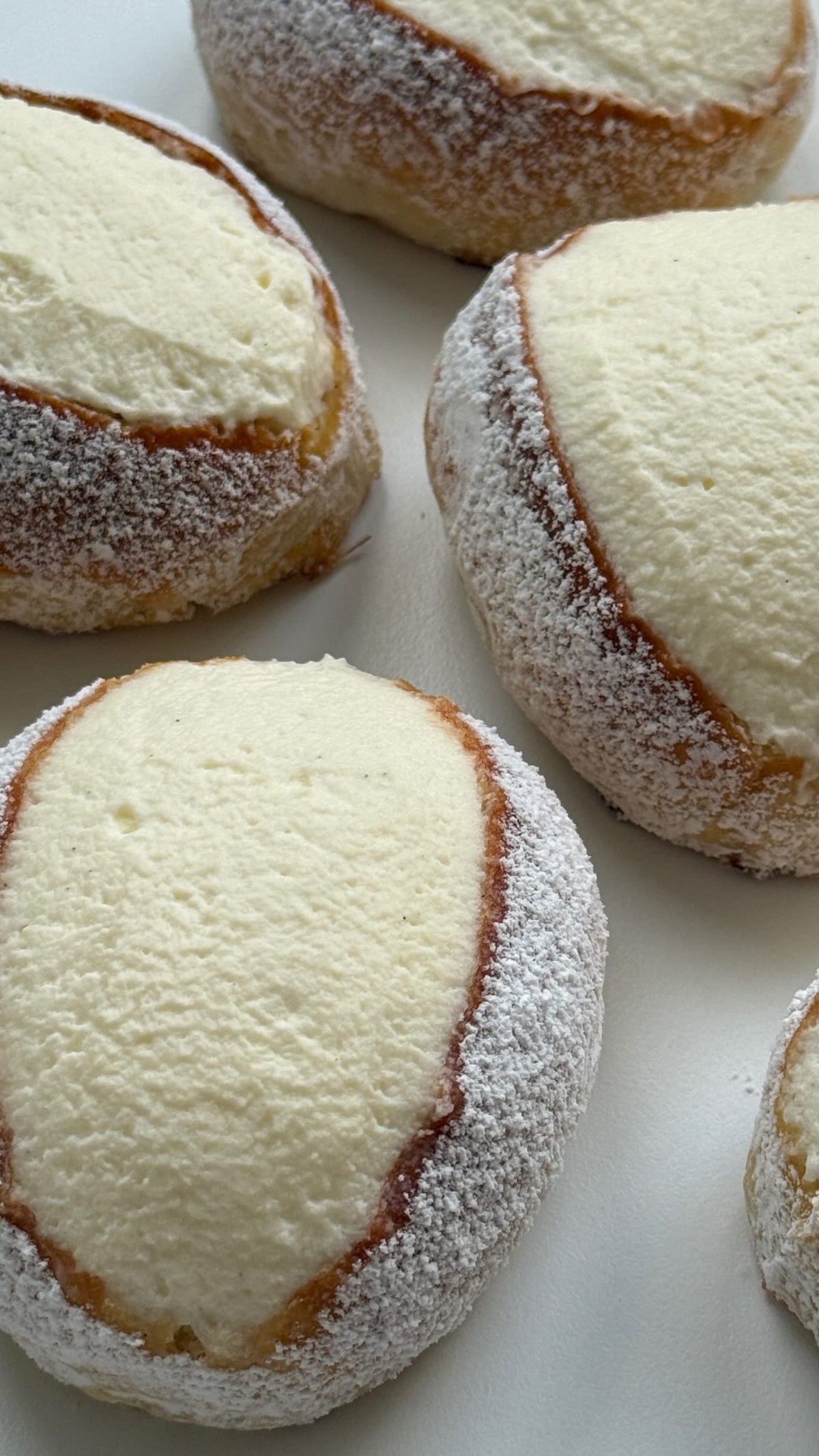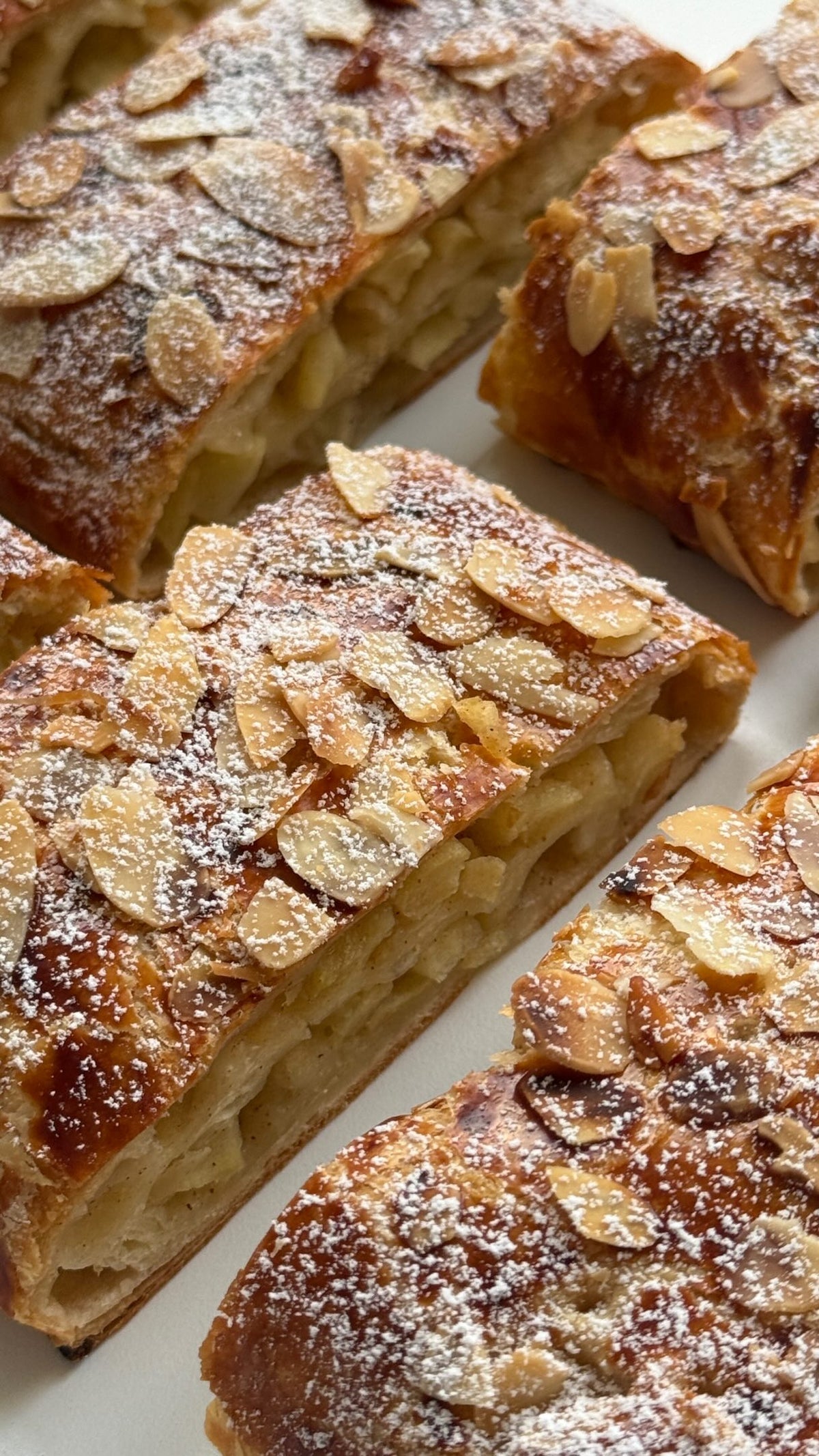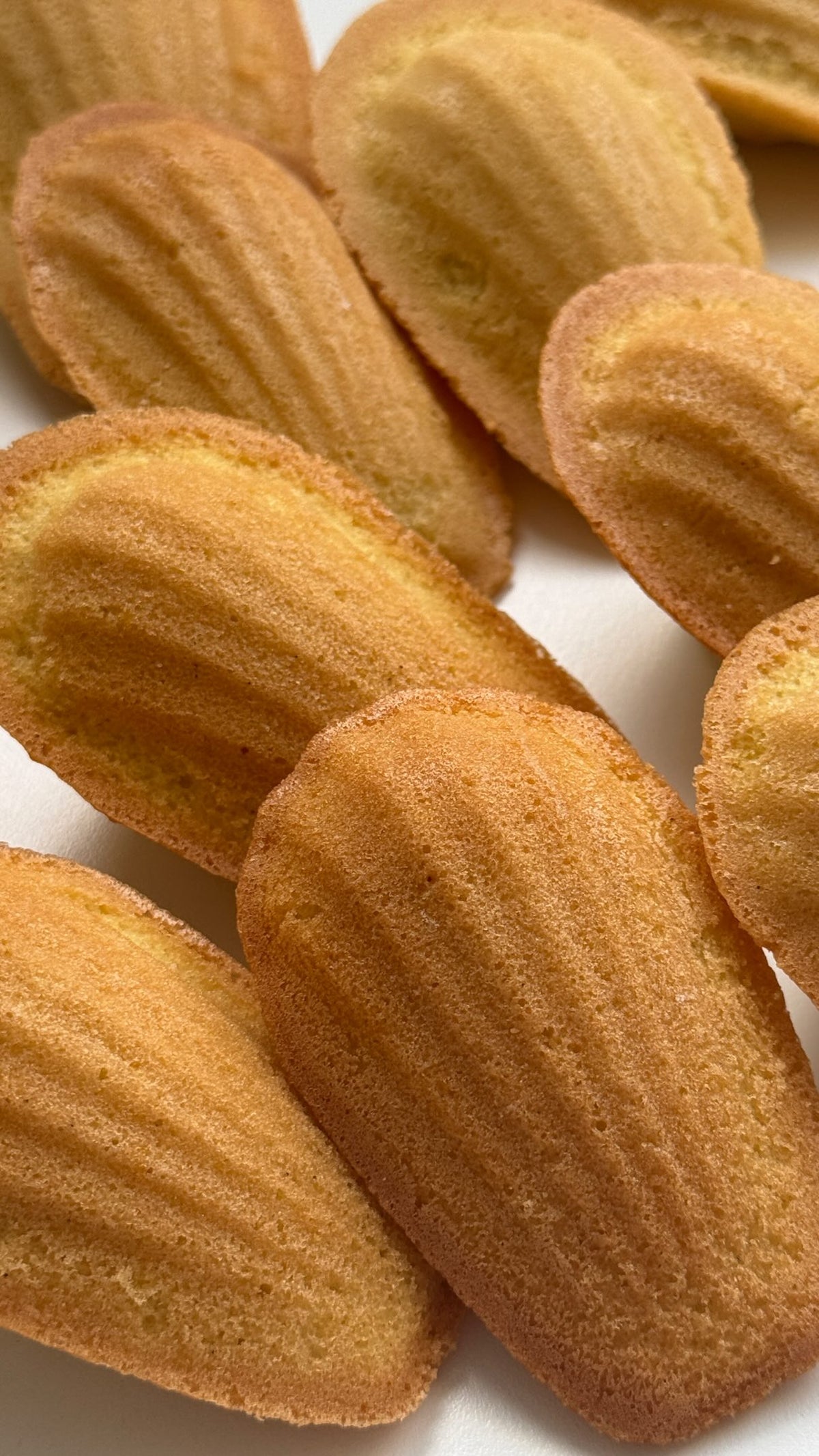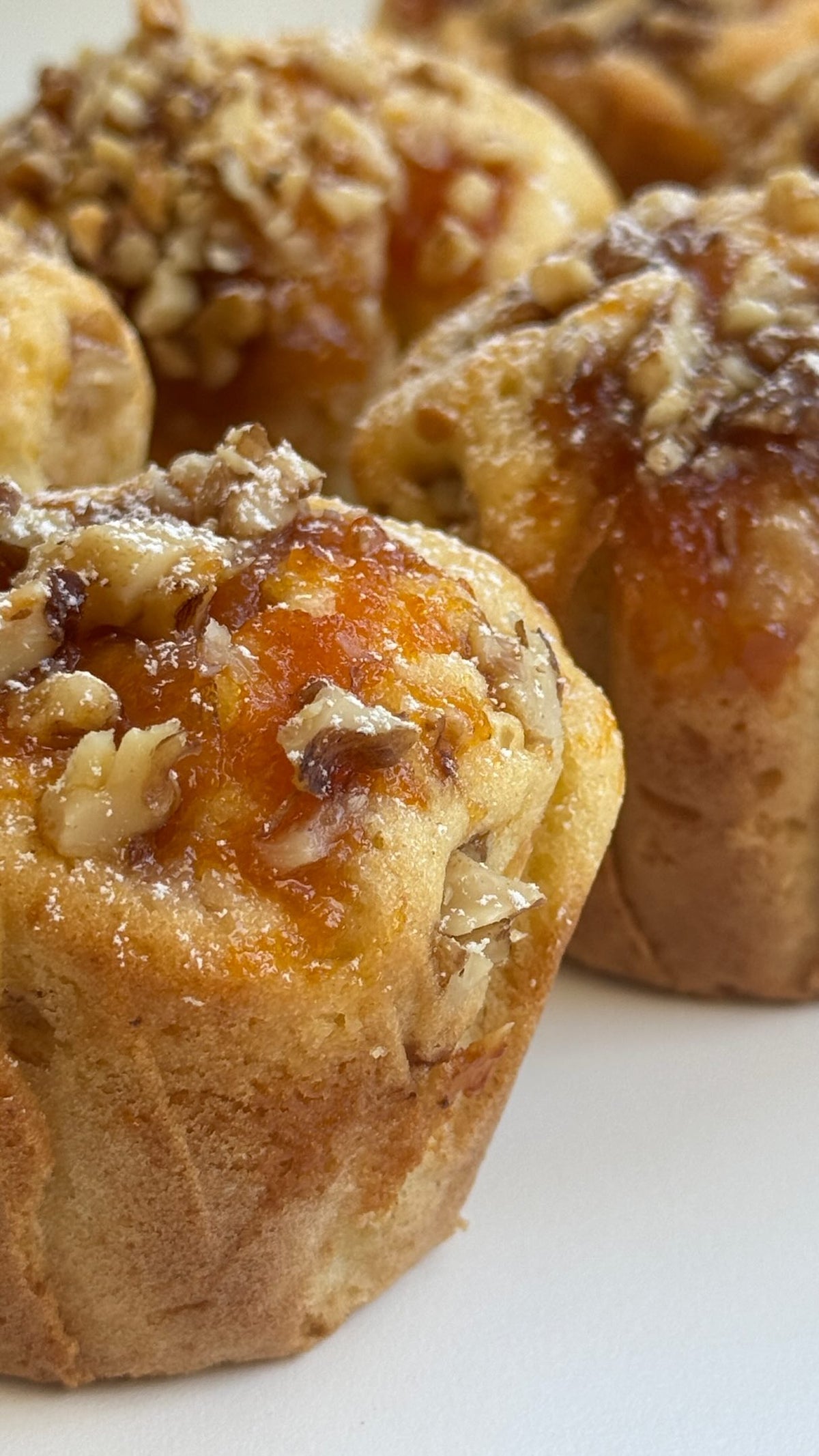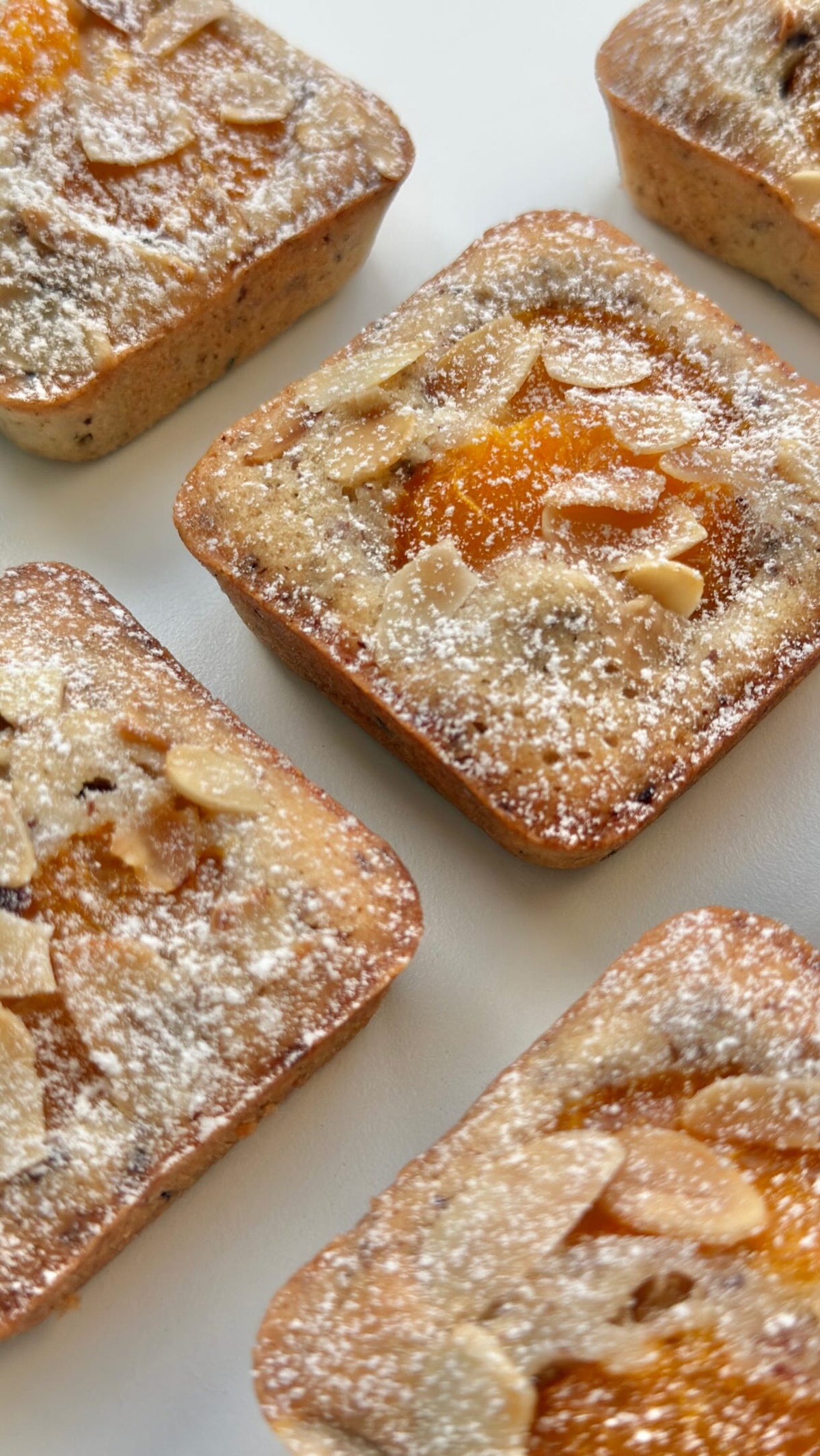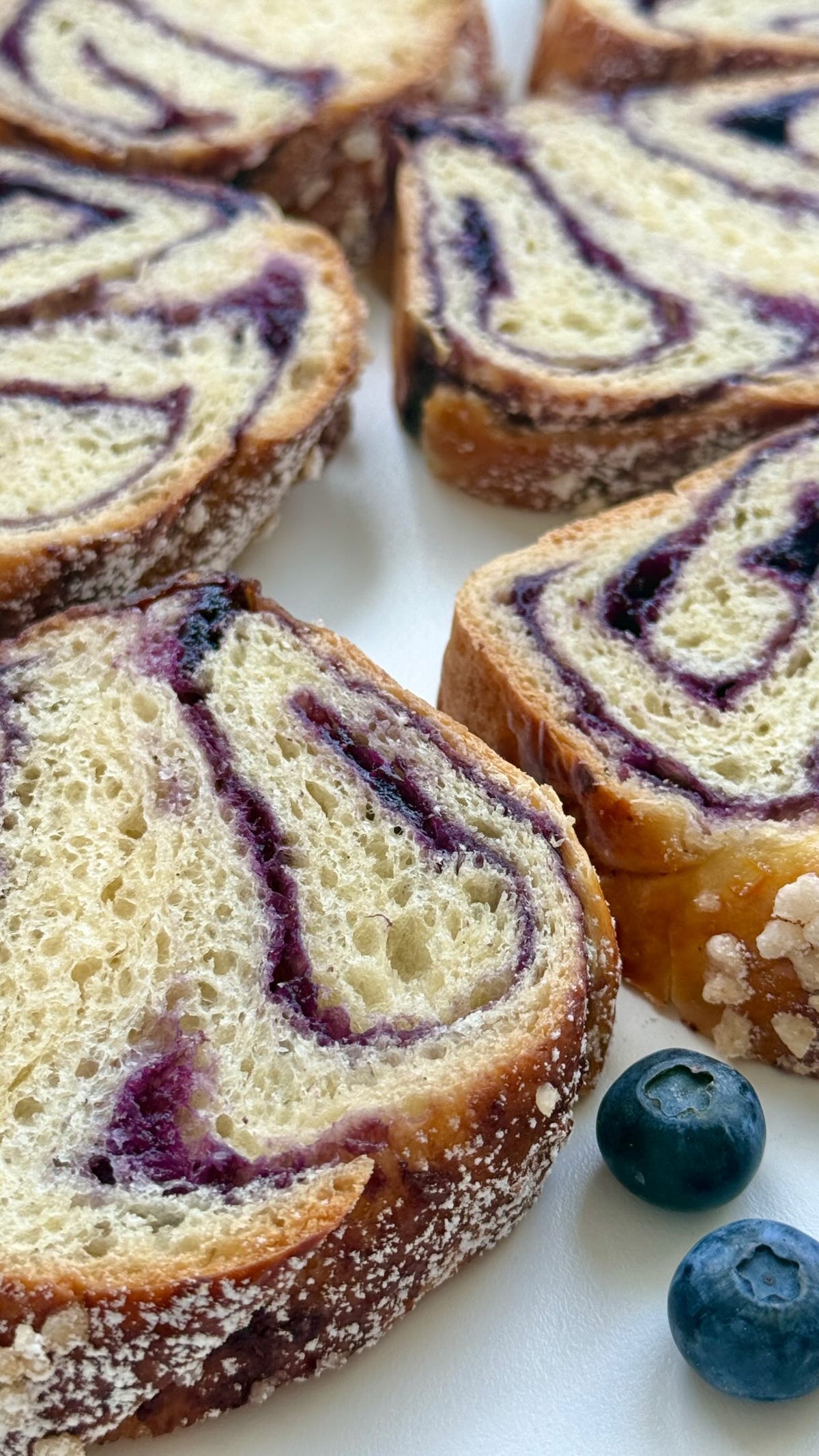
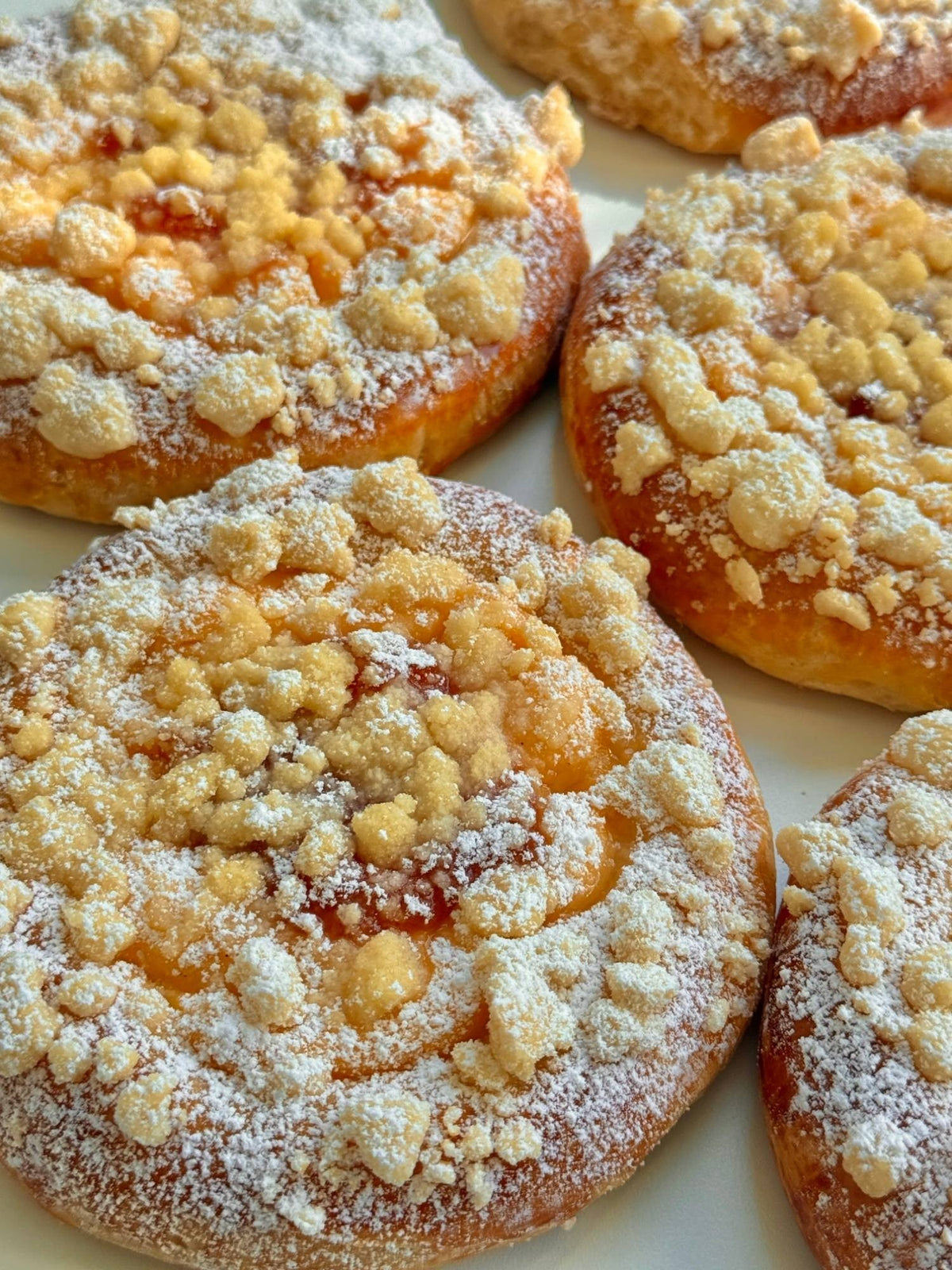
Franzbrötchen von Food with Style, fertig angerichtet
Pastry

Franzbrötchen

Αυτά τα Franzbrötchen είναι ονειρεμένα αφράτα και μυρίζουν υπέροχα. Ιδανικά για όσους λατρεύουν το γλυκό!

Κοινοποίηση
Μερίδες
6 κομμάτια
Προετοιμασία 1 ώρα
Ψήσιμο 15 λεπτά

Υλικά

  • Για τη ζύμη
  • Για τη γέμιση

Εκτέλεση

  1. 1
    Κοσκινίστε το αλεύρι σε ένα μπολ και κάντε μια λακκούβα στο κέντρο. Ρίξτε στη λακκούβα τη μαγιά, 1 tsp ζάχαρη και 2-3 tbsp χλιαρό γάλα. Ανακατέψτε απαλά και αφήστε το για 10 λεπτά μέχρι να αφρίσει.
  2. 2
    Προσθέστε στο μπολ το υπόλοιπο γάλα, τη ζάχαρη, το αυγό και το αλάτι. Ζυμώστε μέχρι να γίνει μια λεία ζύμη. Ρίξτε το μαλακό βούτυρο σε κομματάκια και συνεχίστε το ζύμωμα μέχρι η ζύμη να γίνει ελαστική. Σκεπάστε και αφήστε τη να φουσκώσει σε ζεστό μέρος για περίπου 1 ώρα ή μέχρι να διπλασιαστεί σε όγκο.
  3. 3
    Σε ξεχωριστό μπολ, ανακατέψτε την καστανή ζάχαρη, την κανέλα και το μαλακό βούτυρο μέχρι να γίνει μια κρέμα που να απλώνεται.
  4. 4
    Ανοίξτε τη ζύμη με τον πλάστη σε ελαφρώς αλευρωμένη επιφάνεια σε ένα ορθογώνιο περίπου 20 x 30 cm (8 x 12 inches).
  5. 5
    Απλώστε ομοιόμορφα το μείγμα βουτύρου με κανέλα και ζάχαρη πάνω στη ζύμη.
  6. 6
    Τυλίξτε σφιχτά τη ζύμη ρολό από τη μεγάλη πλευρά και κόψτε την σε κομμάτια πλάτους περίπου 5 cm ( 2 inches).
  7. 7
    Τοποθετήστε τα κομμάτια με την κομμένη πλευρά προς τα κάτω σε ταψί στρωμένο με λαδόκολλα. Με ένα ξυλάκι πιέστε δυνατά στο κέντρο του κάθε κομματιού, για να πάρουν το χαρακτηριστικό σχήμα των Franzbrötchen.
  8. 8
    Σκεπάστε τα και αφήστε τα να φουσκώσουν για άλλα 30 λεπτά.
  9. 9
    Προθερμάνετε τον φούρνο στους 180°C (350°F) στις αντιστάσεις πάνω-κάτω (160°C στον αέρα). Ψήστε τα Franzbrötchen για 15-18 λεπτά μέχρι να ροδίσουν.
  10. 10
    Αλείψτε τα ζεστά Franzbrötchen με λιωμένο βούτυρο και αφήστε τα να κρυώσουν σκεπασμένα με μια πετσέτα. Αν θέλετε, πασπαλίστε τα με ζάχαρη κανέλας ή άχνη ζάχαρη.

Video

Franzbrötchen Questions

After stirring the yeast with 1 tsp sugar and 2-3 tbsp lukewarm milk in the well, let it sit for 10 minutes as the recipe directs. You should see foam or bubbles on the surface - that means the yeast is alive and the dough will rise. If the mixture stays flat and smooth after 10 minutes, discard it and start again with fresh yeast, since the whole dough depends on this step.

Yes. The recipe already starts the yeast in lukewarm milk with a little sugar, so active dry yeast works in the same amount and simply needs the full 10 minutes to foam. Fresh yeast also works - crumble it into the milk in the well and stir until dissolved. Whichever you use, keep the milk lukewarm, not hot, or you will kill the yeast.

This usually happens when the butter in the filling is too soft or the dough is rolled too loosely. Mix the brown sugar, cinnamon, and butter into a spreadable paste rather than a runny one, and spread it evenly so no thick pockets form. Roll the dough tightly from the long side, and always bake on parchment paper as the recipe says - some caramel escaping is normal and lifts right off the paper.

Yes. Knead the dough through the butter stage, then cover it and let it rise slowly in the fridge overnight instead of at room temperature. The next morning, let it come back to room temperature before rolling it into the 20 x 30 cm rectangle, otherwise the cold dough will crack and the butter filling won't spread. Then continue with shaping, the 30-minute rise, and baking as written.

Let them cool completely, then keep them in an airtight container at room temperature - the butter in both the dough and the filling keeps them tender for a couple of days. To refresh them, warm them briefly in the oven at the same 180°C (350°F) until the filling softens again. They also freeze well once cooled; thaw and reheat the same way.

νόστιμες, δοκιμασμένες και έτοιμες να εμπνεύσουν
Εξερευνήστε 400+ Νόστιμες Συνταγές