






Portionen
Einheiten
Backzeit
18 Minuten

Zubereitung
-
1
Das Mehl in eine Schüssel sieben und eine Mulde hineindrücken. Hefe, 1 TL Zucker und etwas lauwarme Milch hineingeben. 8-10 Minuten stehen lassen, bis sich Bläschen bilden.

-
2
Restlichen Zucker, Ei, Milch, Salz und Vanille zugeben. Zu einem glatten Teig verkneten, dann die Butter einarbeiten und 8-10 Minuten kneten, bis der Teig weich, elastisch und leicht glänzend ist.

-
3
Abgedeckt 60-90 Minuten gehen lassen, bis sich das Volumen verdoppelt hat.

-
4
Die Milch mit der Vanille erhitzen (nicht kochen lassen). Eigelb, Zucker und Speisestärke verrühren, die heiße Milch einrühren und alles zurück in den Topf geben.

-
5
Unter ständigem Rühren aufkochen, bis die Creme puddingartig eindickt. In eine Schüssel umfüllen, direkt auf der Oberfläche abdecken und vollständig auskühlen lassen.

-
6
Die kalte Creme glatt rühren und in einen Spritzbeutel mit Lochtülle füllen.

-
7
Den Teig in etwa 10 Portionen (je 50 g) teilen, zu Kugeln formen, jede rund ausrollen und die Mitte mit einem kleinen Ausstecher leicht markieren.

-
8
Den äußeren Rand in feine Streifen einschneiden, die Mitte dabei unversehrt lassen.

-
9
Einen flachen Ring Vanillecreme in die Mitte spritzen, dann die Streifen vorsichtig zur Mitte hin einschlagen, sodass sie leicht überlappen.

-
10
Eine Blaubeere in die Mitte setzen, abdecken und 20-30 Minuten ruhen lassen.

-
11
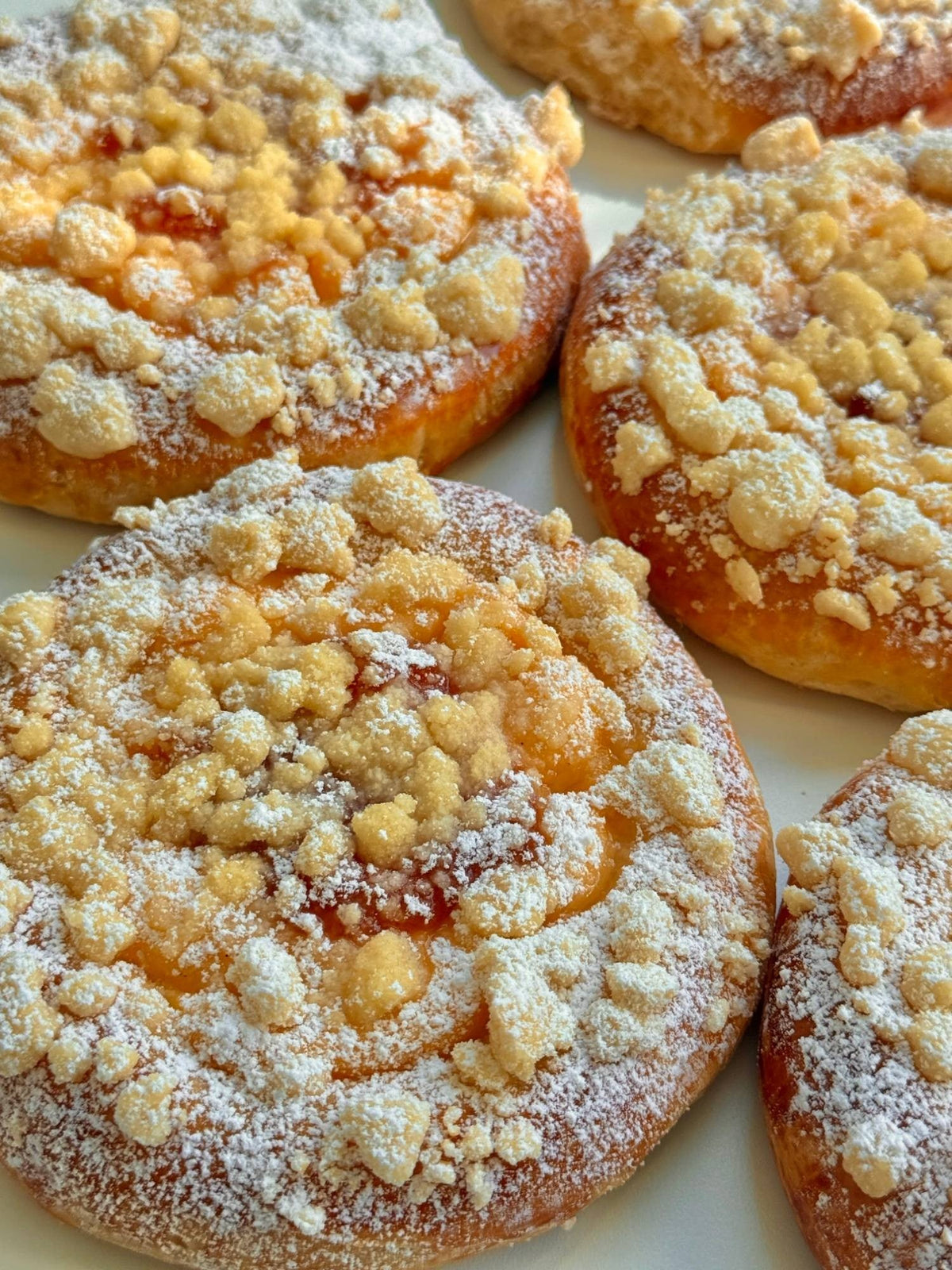
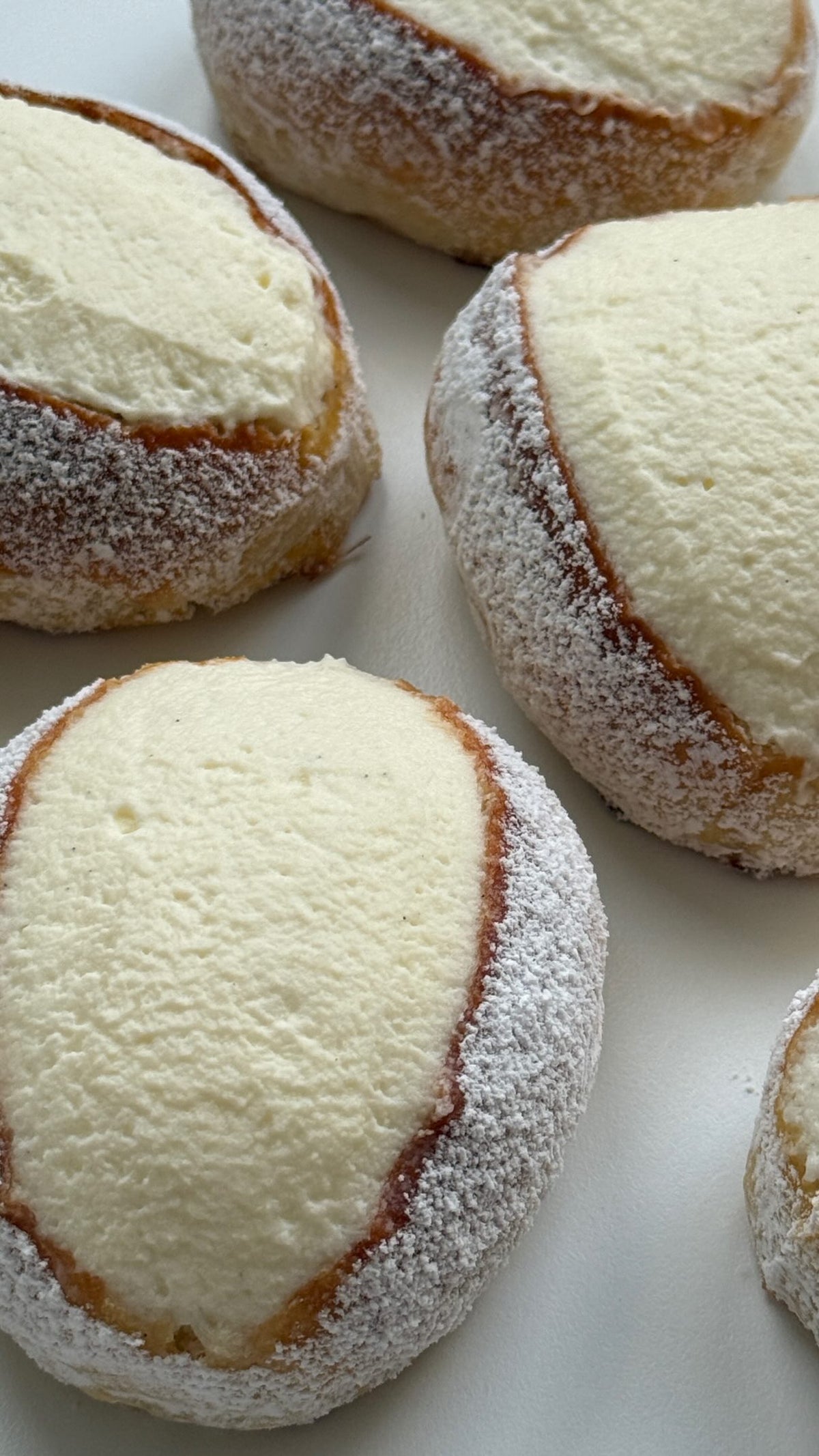
Eigelb und Milch verquirlen, die Teilchen damit bestreichen und bei 180 °C / 350 °F 18-22 Minuten goldbraun backen. Kurz abkühlen lassen und mit Puderzucker bestäuben. Weiche, zarte Hefeteilchen mit feiner Vanillefüllung - luftig, elegant und einfach unwiderstehlich.

Video

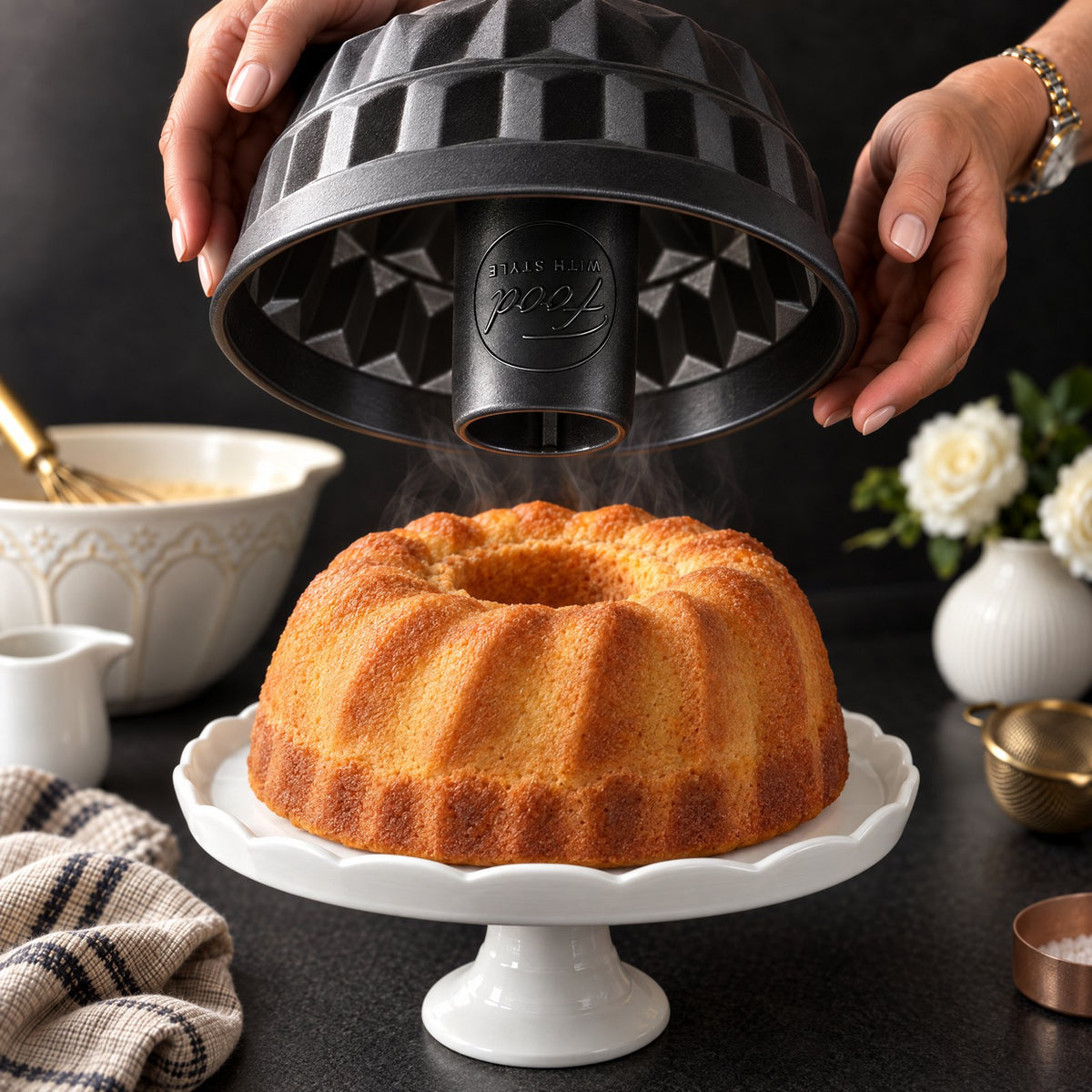
Nichts klebt. Alles löst sich.
Dein Kuchen kommt sauber aus der Form, jedes Mal.
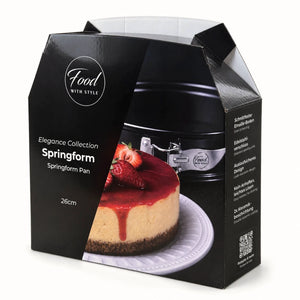
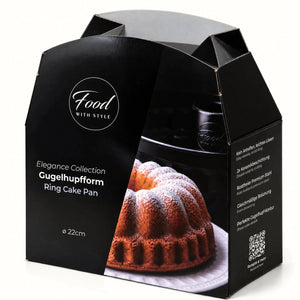
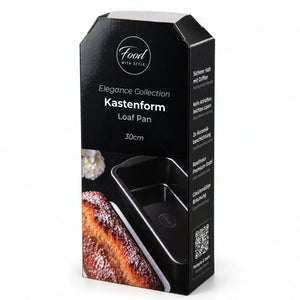
- Doppelte Keramik-Antihaft, PFAS-frei
- Aluminierter Stahl mit 10 Jahren Garantie
- 1 Jahr Backkurs + E‑Book inklusive
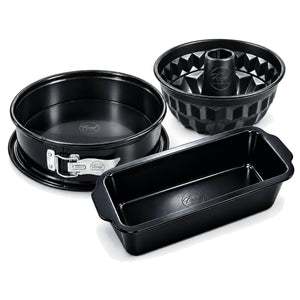
Backset + Backkurs & E-Book · 89,90 €
Zum Backset

Food with Style Baking Club
Back es Schritt für Schritt mit Video
- Backkurs mit 9 Modulen und 34 Video-Lektionen
- 1:1 Chat mit der Food with Style Baking Chefin
- Community-Chat und E-Book mit 100 Rezepten
Ab 14,90 € im Monat, monatlich kündbar
FAQ
Fragen zum Vanillegebäck
lecker, getestet und voller Ideen