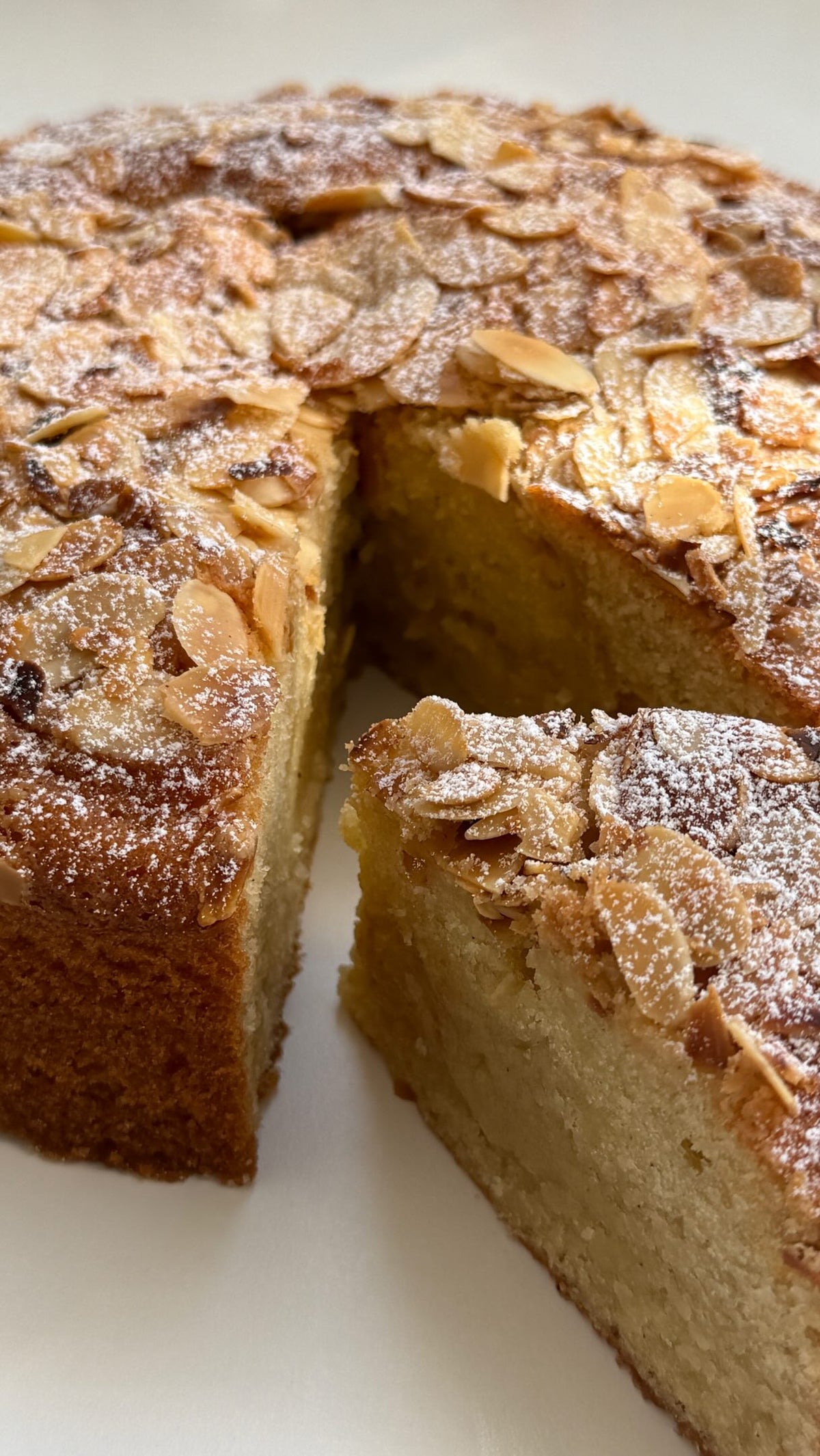
Galettes aux pommes von Food with Style, fertig angerichtet
Galette

Galettes aux pommes

Zart, goldbraun und wunderschön glänzend - ein elegantes Apfelgebäck, das mit schlichter Raffinesse begeistert. Perfekt zum Kaffee oder als feines Dessert.

Teilen
Backzeit 25 Minuten

Zutaten

  • Für den Teig
  • Für die Füllung
  • Zum Bestreichen & Verzieren

Zubereitung

  1. 1
    Mehl, Zucker und Salz mischen. Die kalten Butterwürfel dazugeben und mit den Fingerspitzen oder einem Teigmischer zu Streuseln verreiben. Joghurt zugeben und alles nur kurz zu einem glatten Teig zusammenkneten. In Frischhaltefolie wickeln und mindestens 30 Minuten kalt stellen.
  2. 2
    Die Äpfel schälen, entkernen und in dünne Scheiben schneiden. Mit etwas Zitronensaft vermengen, damit sie nicht braun werden. Den Ofen auf 350°F (180°C) vorheizen.
  3. 3
    Den Teig auf einer leicht bemehlten Arbeitsfläche ausrollen und 6 gleich große Kreise ausstechen (etwa 5 inches / 12 cm Durchmesser). Die Kreise auf ein mit Backpapier belegtes Blech legen und jeweils etwa 1 teaspoon Aprikosenkonfitüre in die Mitte streichen - dabei ringsum einen Rand von ¾ inch (2 cm) frei lassen.
  4. 4
    Die Apfelscheiben fächerförmig auflegen (drei kleine Fächer, leicht überlappend) und dünn mit braunem Zucker bestreuen.
  5. 5
    Den Teigrand etwa ½ inch (1 cm) über die Äpfel einschlagen. Den Rand dünn mit dem Apfel-Zitronen-Saft bestreichen und mit Mandelblättchen bestreuen.
  6. 6
    25-30 Minuten backen, bis die Galettes goldbraun sind.
  7. 7
    Die Äpfel noch warm mit etwas Aprikosenkonfitüre bestreichen, damit sie schön glänzen. Vor dem Servieren die Ränder mit Puderzucker bestäuben. Ein feines Gebäck, das aussieht wie aus der Patisserie - und genauso köstlich schmeckt.

Video

Galettes aux pommes Questions

The most common cause is overworking the dough after adding the yogurt - knead only until it just comes together, as the recipe says, so the butter stays in visible pieces. Those cold butter pockets are what create the flaky layers, so if the butter softens while you rub it in, chill the dough before rolling. Warm hands and a heavy pastry cutter both work against you here.

Yes - the jam is used twice, once in the filling and once as a glaze after baking, and any smooth, light-colored jam will do the same job. Peach, quince, or apple jelly all glaze well and keep the apples glossy without overpowering them. If your jam has chunks, warm it briefly and press it through a sieve so it brushes on evenly.

Very juicy apples release liquid as they bake, which is why the recipe calls for slightly tart varieties like Elstar or Boskop - they hold their shape better than soft, watery apples. Slice the apples thinly and drain off most of the lemon-juice marinade before arranging them, keeping just a little for brushing the edges. A thin smear of apricot jam under the fruit also helps seal the dough.

The dough is the ideal make-ahead component: wrap it and refrigerate it for a day or two, or cut out the 12 cm circles and stack them between parchment. Slice and toss the apples with lemon juice only shortly before assembling, since they soften and darken as they sit. Assemble, then bake fresh at 180°C so the pastry edges stay crisp.

Keep them loosely covered at room temperature for a day or two rather than in the fridge, which makes buttery pastry limp. To bring back the crispness, warm them for a few minutes in the oven at the same 180°C, then dust with powdered sugar just before serving. Add the powdered sugar only at the end, since it dissolves on the warm apricot glaze.

köstlich, erprobt und bereit zu inspirieren

Entdecke 400+ leckere Gerichte