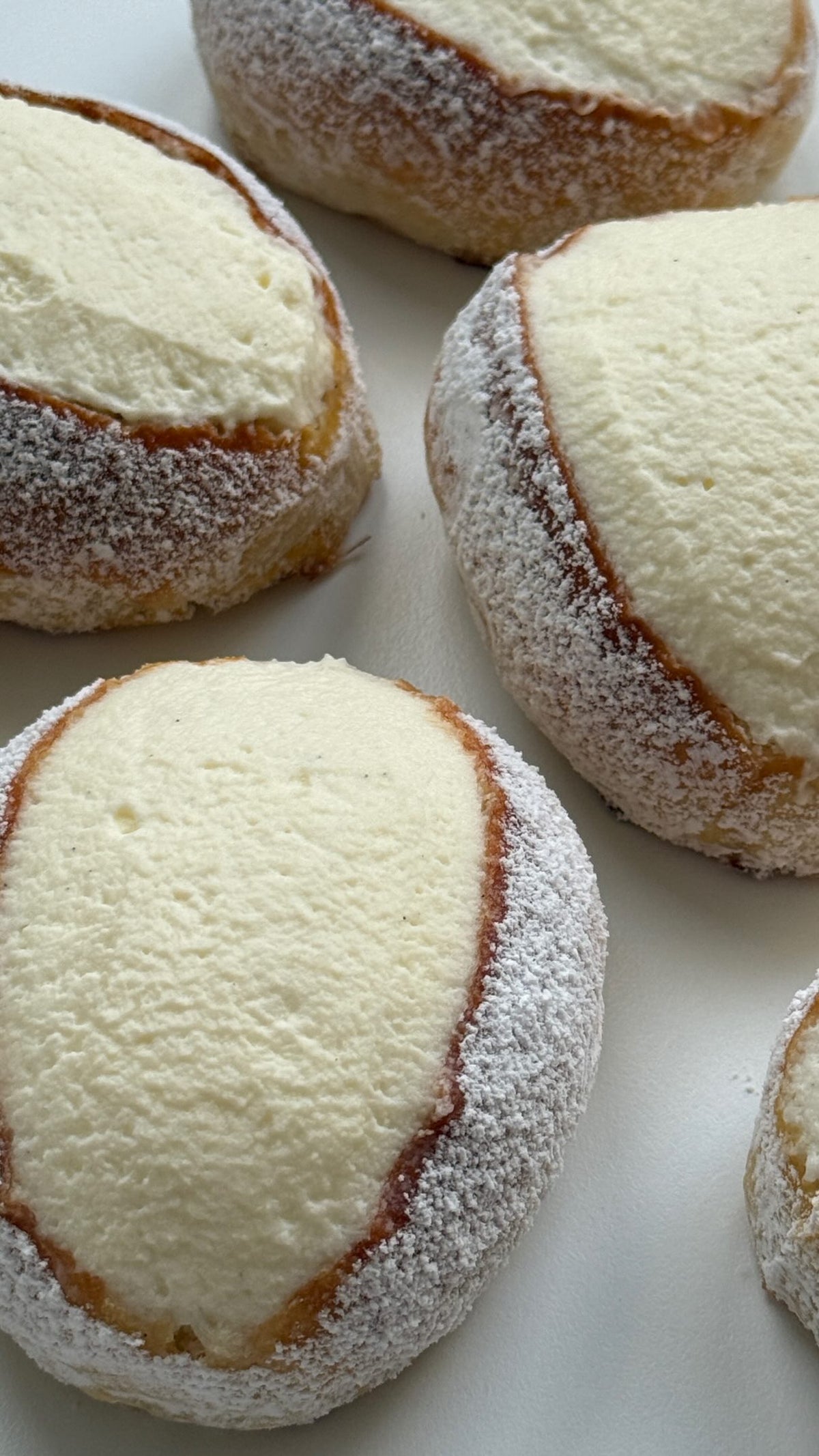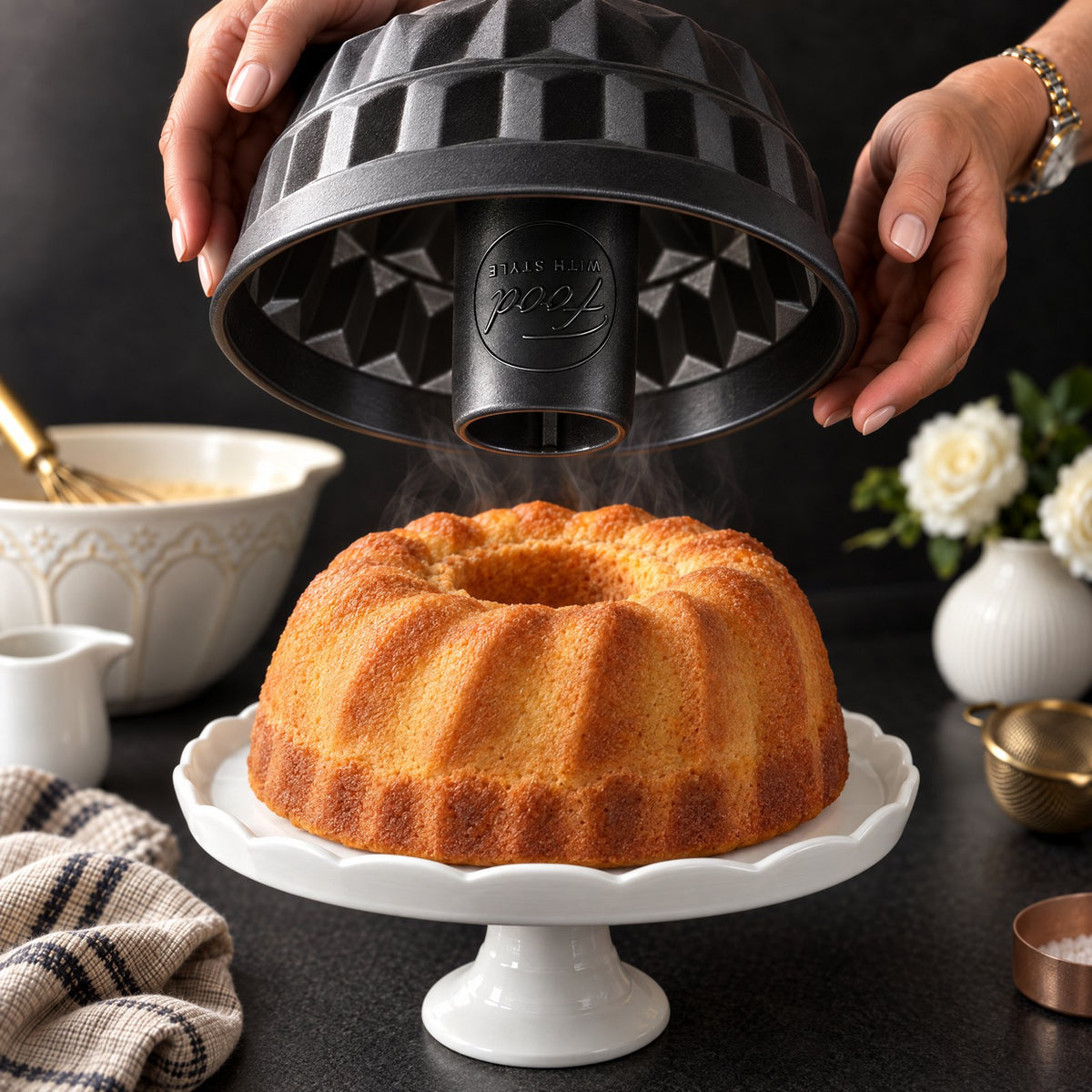

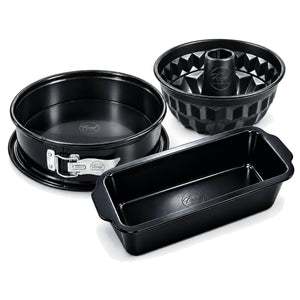
Crème Caramel von Food with Style, fertig angerichtet
Pastry

Crème Caramel

Ein zeitloser Klassiker mit seidiger Textur und feiner Karamellschicht - diese Crème Caramel gelingt zu Hause ganz einfach.

Teilen
Backzeit 55 Minuten

Zutaten

  • Für das Karamell
  • Für die Creme

Zubereitung

  1. 1
    Den Backofen auf 160 °C / 320 °F Ober-/Unterhitze vorheizen. Eine große Fettpfanne für das Wasserbad bereitstellen.
  2. 2
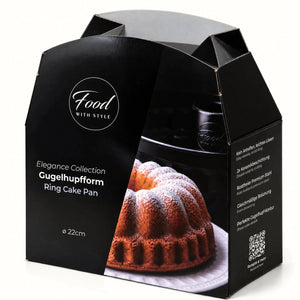
    Zucker und Wasser in einem kleinen Topf ohne Rühren erhitzen, bis ein goldenes Karamell entsteht. Sofort in die 16 cm Form gießen und durch leichtes Schwenken gleichmäßig auf dem Boden verteilen. Fest werden lassen.
  3. 3
    Die Milch heiß werden lassen, aber nicht kochen. Vom Herd nehmen und etwas abkühlen lassen.
  4. 4
    Eier, Zucker, Vanille und Salz in einer Schüssel nur kurz verrühren, bis alles verbunden ist. Dabei keine Luft einschlagen.
  5. 5
    Die warme Milch langsam unter sanftem Rühren in die Eimasse gießen.
  6. 6
    Die Masse durch ein feines Sieb in eine saubere Schüssel gießen. Für ein besonders seidiges Ergebnis die Masse 2-3 Mal durch das Sieb passieren, bis sie völlig glatt ist, ohne Bläschen oder Stückchen.
  7. 7
    Die Creme vorsichtig auf das feste Karamell gießen.
  8. 8
    Die Form in die größere Fettpfanne stellen und so viel heißes Wasser angießen, dass es etwa zur Hälfte an der Form hochsteht.
  9. 9
    55-65 Minuten backen. Der Rand sollte fest sein, die Mitte darf noch leicht wackeln.
  10. 10
    Aus dem Ofen nehmen und 10 Minuten im Wasserbad ruhen lassen, dann herausnehmen und vollständig auskühlen lassen.
  11. 11
    Mindestens 4 Stunden kalt stellen, am besten über Nacht.
  12. 12
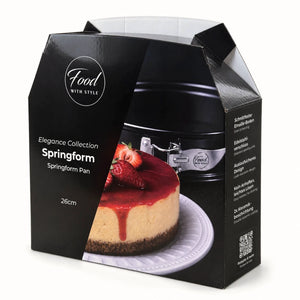
    Zum Servieren den Rand lösen und die Creme auf einen Teller stürzen. Das Karamell läuft von selbst über die Creme. Restliches Karamell aus der Form kann darüber gegossen werden. Praktischer Hinweis: Am besten gelingt es in einer Form ohne herausnehmbaren Boden, da sie vollständig dicht ist. Bei einer Springform den Boden sehr gut mit 2-3 Lagen Alufolie abdichten und die Folie an den Seiten hochziehen, damit beim Backen kein Wasser eindringt.

Video

Crème Caramel Questions

Judge it by movement, not by a clean skewer: after 55-65 minutes the outer edges should be firmly set while the middle still wobbles gently as one soft mass when you nudge the pan. If the centre still ripples like liquid milk, give it another 5-10 minutes in the water bath and check again. Ovens differ, and a colder milk-egg mixture or a deeper pan of water will both stretch the baking time.

Whole milk is what gives this flan its creamy set, so low-fat milk will work but the result tastes thinner and less rich; if anything, swap a small part of the 600 ml for cream rather than going leaner. Vanilla extract can be replaced with the seeds of a vanilla pod - add them to the milk while it heats so the flavour infuses. Keep the 4 eggs and 95 g sugar unchanged, since they are what set the custard and balance the bitter caramel.

Let it cool to room temperature, then chill it in the pan, covered, in the fridge - it keeps well for about two to three days. Chilling is not optional if you want clean slices and a proper caramel sauce: the hard caramel layer slowly dissolves into syrup as it rests. Unmould it only just before serving, by running a thin knife around the edge and inverting it onto a rimmed plate that can catch the sauce.

Yes, and it is actually better that way - bake it a day ahead and leave it in its pan in the fridge overnight so the caramel has time to turn into liquid sauce. What you should not do in advance is pour the caramel and let it sit empty for days; caramel poured into the 16 cm pan is meant to be topped with the custard the same day. Unmould straight from the fridge onto a deep plate right before it goes to the table.

Three things go wrong most often: stirring the sugar and water while it caramelises, which makes it crystallise; whipping air into the eggs instead of gently whisking them, which leaves foam and bubbles in the baked flan; and pouring hot milk into the eggs too fast, which scrambles them. The fourth is skipping the sieve - passing the mixture through it 2-3 times is what makes the texture silky rather than grainy. Also make sure the water bath reaches about halfway up the pan, since too little water lets the custard heat too fast and turn rubbery.

köstlich, erprobt und bereit zu inspirieren

Entdecke 400+ leckere Gerichte