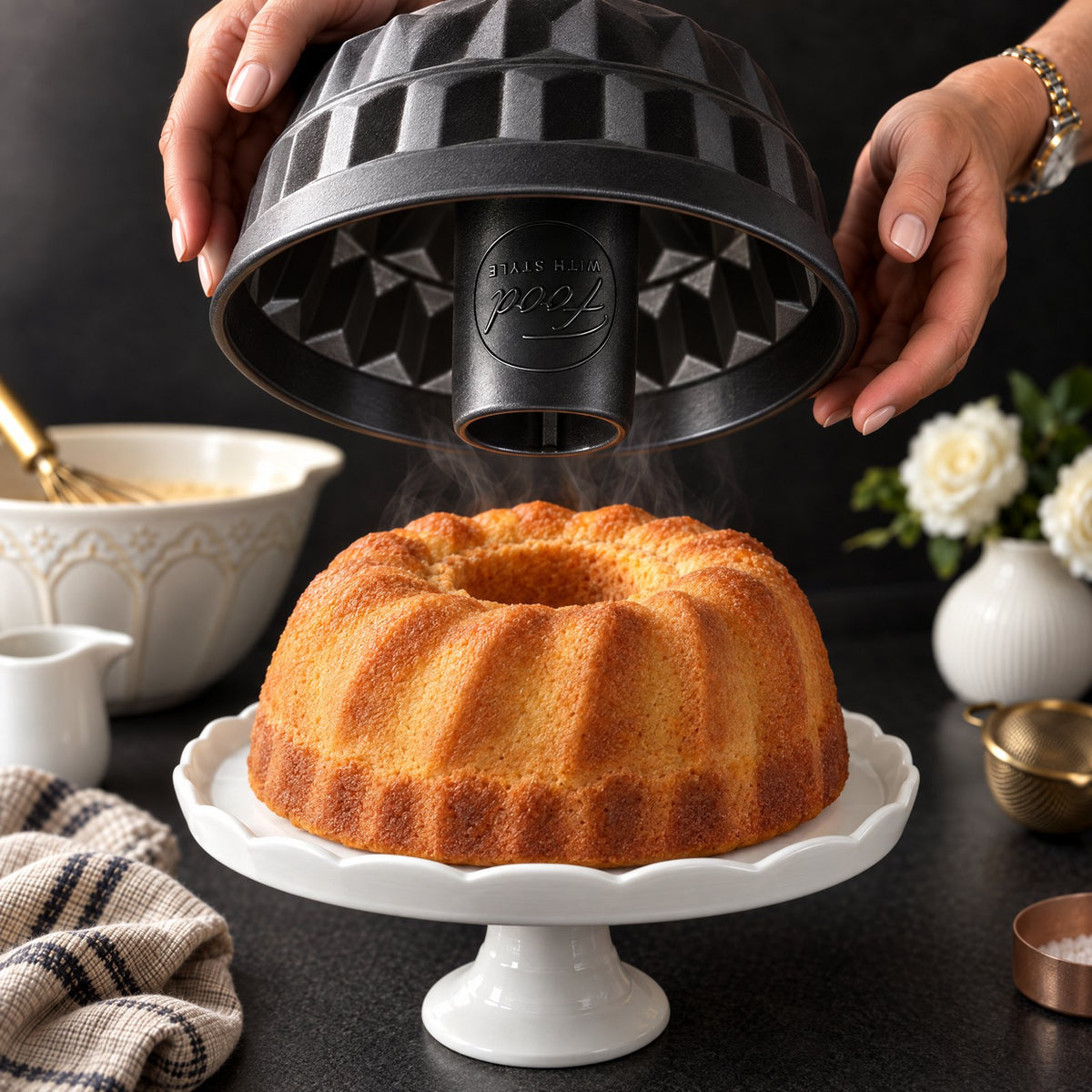
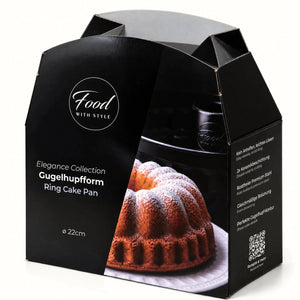
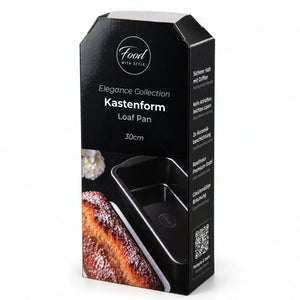
Baumstriezel (Kürtőskalács) von Food with Style, fertig angerichtet
Pastry

Kürtőskalács

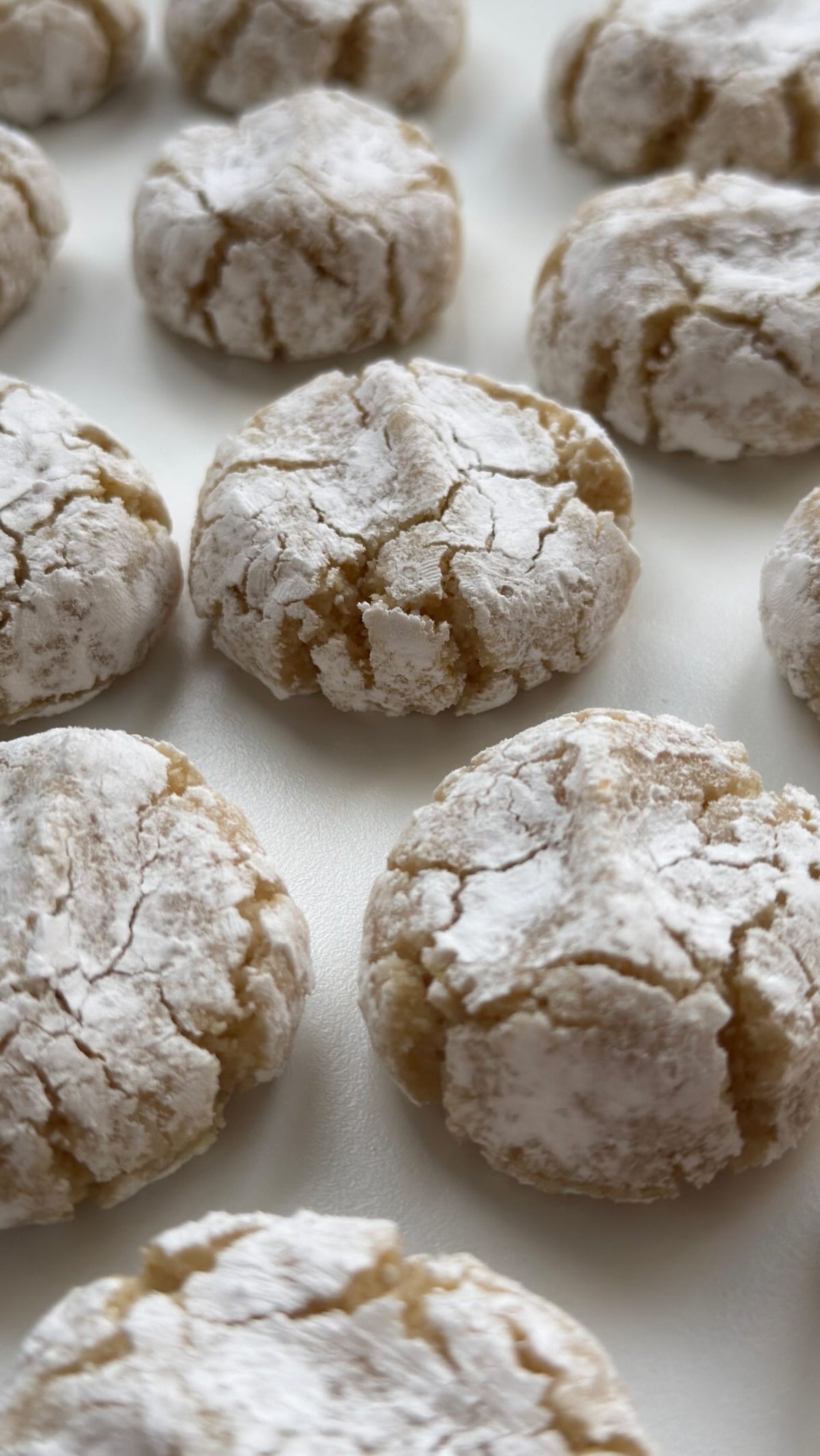
Perfecto para llevar a casa el sabor del kürtőskalács de feria en versión mini: tierno por dentro, caramelizado por fuera y con un aroma...

Compartir
Preparación 1 hora
Cocción 20 minutos

Ingredientes

  • Para la masa de levadura
  • Para el rebozado de azúcar y canela

Preparación

  1. 1
    Tamiza la harina y haz un volcán en el centro. Pon en el hueco la levadura, 1 tsp de azúcar y un poco de leche tibia. Deja activar 10 minutos.
  2. 2
    Añade el resto de la leche, el azúcar, la mantequilla, el huevo y la sal, y amasa hasta obtener una masa blanda y lisa. Tapa y deja levar 1 hora.
  3. 3
    Estira la masa sobre una superficie ligeramente enharinada hasta un grosor de 3-4 mm. Corta tiras largas de aproximadamente 1,5 cm de ancho.
  4. 4
    Engrasa bien los moldes de cannoli. Enrolla las tiras de masa alrededor de cada molde, bien ajustadas y montando ligeramente unas sobre otras.
  5. 5
    Pincela los mini kürtőskalács con mantequilla derretida y rebózalos en el azúcar con canela o espolvoréalos generosamente.
  6. 6
    Hornea a 180 °C (350 °F) unos 20-25 minutos, hasta que estén dorados y caramelizados.
  7. 7
    Deja templar y desmolda con cuidado deslizándolos. Si quieres, vuelve a rebozarlos en azúcar con canela. Unos mini kürtőskalács pequeños, caramelizados y crujientes de canela: perfectos para el café, para las visitas o simplemente para picar entre horas.

Video

Baumstriezel (Kürtőskalács) Questions

After the 1 hour rise, the dough should have visibly grown and feel soft and airy, springing back slowly when you press it with a finger. If your kitchen is cool it may need longer - go by the look and feel, not strictly by the clock. A dough that is still dense and firm will be hard to roll to 3-4 mm and the strips will shrink back as you wrap them.

Yes. Instant yeast can be mixed straight into the flour with the sugar and salt, so you can skip the 10-minute activation step in the well and just add the lukewarm milk with the other ingredients. For fresh yeast, crumble roughly three times the weight of the 1 tsp dry yeast into the well with a little sugar and milk and let it foam as described.

Any heatproof cylinder works as long as you grease it well, since the recipe relies on being able to slide the baked cake off. Thick wooden dowels or metal cream-horn moulds are the classic substitutes; you can also wrap sturdy aluminium foil tightly into a cylinder around a wooden spoon handle. Keep the diameter small so the 20-25 minutes at 180 °C still bake the dough through.

They are best on the day they are baked, while the caramelized cinnamon sugar is still crisp; keep them loosely covered at room temperature rather than in an airtight box, which softens the crust. The yeast dough is the part to prepare ahead - after kneading you can let it rise slowly in the fridge overnight, then bring it to room temperature before rolling. A quick few minutes in a warm oven revives leftovers before serving.

Unravelling usually means the strips were not wrapped tightly and overlapping enough, or the ends were not pressed firmly against the dough underneath before baking. Sticking almost always comes down to greasing: the molds need a generous coat, and the cakes should cool only slightly before you slide them off - fully cooled caramelized sugar glues them in place. Also press the strip ends down well so the cinnamon sugar does not run under the dough and weld it to the mold.

deliciosas, probadas y listas para inspirar
Explora Más de 400 Recetas Deliciosas