






Molde
cm
cm
Unidades
Cocción
50 minutos
Ingredientes
- Para la base
- Para el relleno

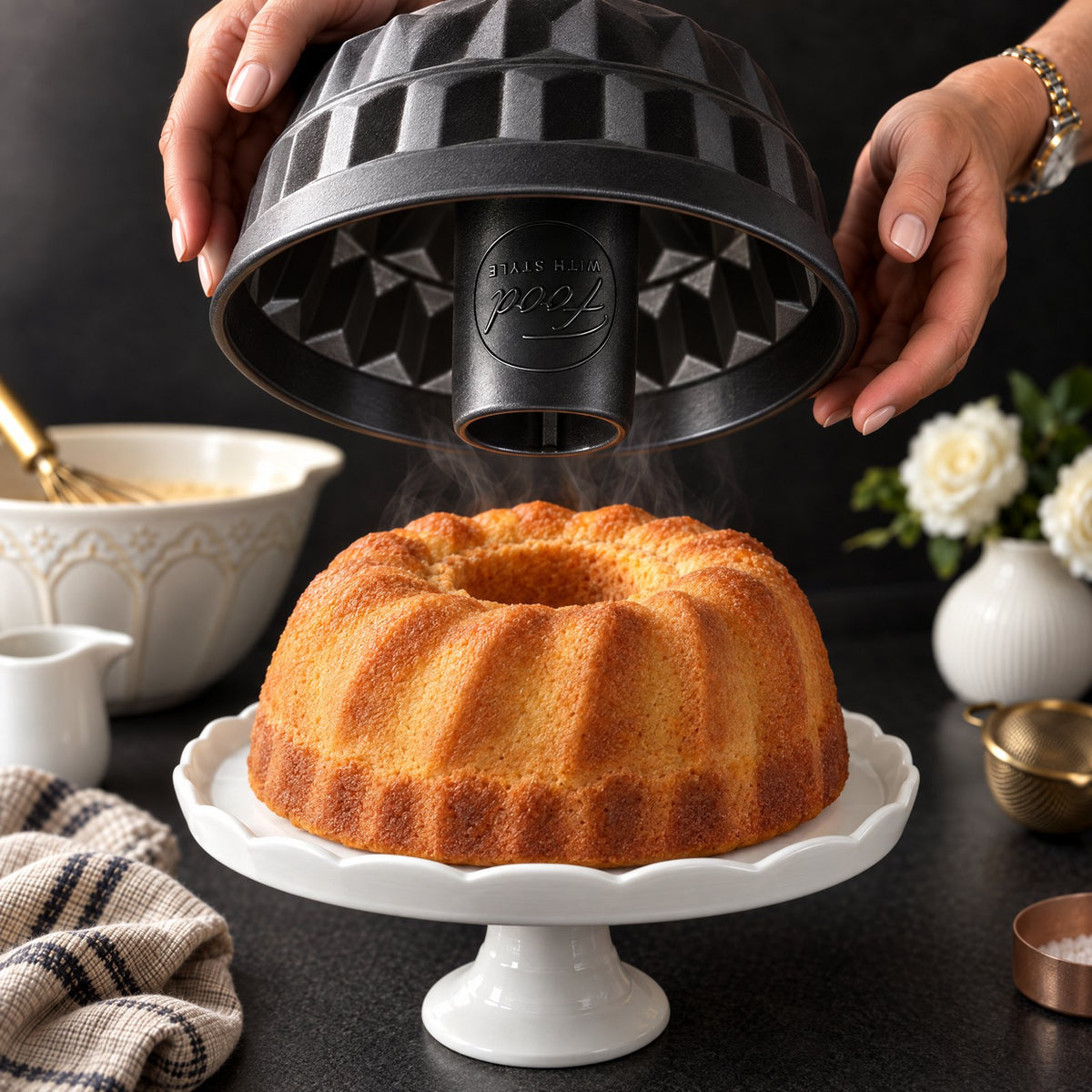
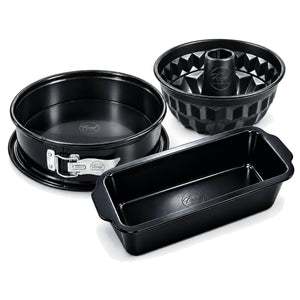
Esta receta sale perfecta en nuestro
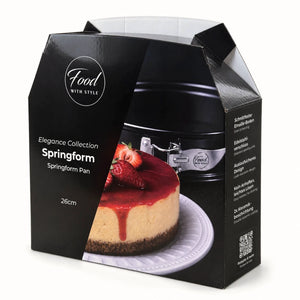
Molde desmontable Ø 26 cm 49,90 €o como Set de repostería + curso & E-book por 89,90 €Preparación
-
1
Precalienta el horno a 160°C (320°F). Engrasa un molde de 20 cm de diámetro y espolvoréalo con harina.

-
2
Para la base: amasa la harina, la mantequilla, el azúcar, el huevo y una pizca de sal hasta obtener una masa lisa. Presiona la masa en el molde, formando un borde (de unos 4,5 cm de alto). Pincha el fondo con un tenedor. Deja reposar en la nevera unos 30 minutos.

-
3
Para el relleno: en un bol, mezcla el quark, el azúcar, los huevos, el preparado para natillas, el zumo y la ralladura de limón hasta que quede homogéneo. En otro bol, monta la nata a punto de nieve y luego incorpórala con movimientos envolventes a la mezcla de quark.

-
4
Trucos para evitar que la tarta se agriete en el centro: no batas el relleno en exceso, así mantendrás una consistencia ligera y uniforme. Hornea la tarta despacio y a baja temperatura para evitar grietas en el centro.

-
5
Reparte la mezcla de quark de manera uniforme sobre la base.

-
6
Hornea la tarta en el horno precalentado durante unos 50-60 minutos, hasta que la superficie esté dorada y el relleno haya cuajado.

-
7
Saca la tarta del horno y déjala enfriar por completo antes de desmoldarla.

-
8
Deja enfriar la tarta en la nevera toda la noche antes de servir. Si lo deseas, espolvoréala con azúcar glas antes de servir.

Video

Nada se pega. Todo se desmolda.
Tu bizcocho sale limpio del molde, siempre.
- Doble antiadherente cerámico, sin PFAS
- Acero aluminizado con 10 años de garantía
- 1 año de curso de repostería + e‑book incluido
Set de repostería + curso & E-book · 89,90 €
Ver el set

Food with Style Baking Club
Hazlo paso a paso con vídeo
El módulo del curso que encaja: Bizcocho de mantequilla
- Curso de repostería con 9 módulos y 34 videolecciones
- Chat 1:1 con la Baking Chef de Food with Style
- Chat de la Community y e-book con 100 recetas
Desde 14,90 € al mes, te das de baja mes a mes
FAQ
Preguntas sobre el Käsekuchen
deliciosas, probadas y listas para inspirar