








Raciones
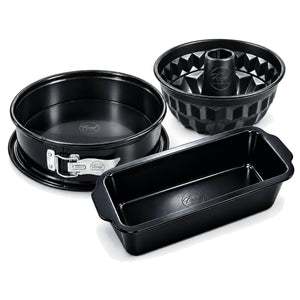
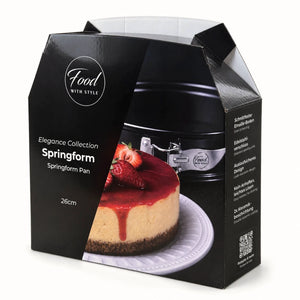
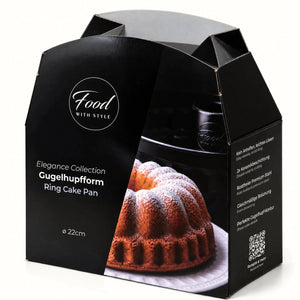
Molde
cm
cm
Unidades
Preparación
1 hora
Cocción
30 minutos
Ingredientes
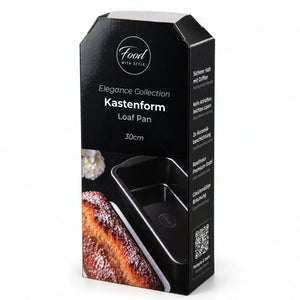
- Para un molde de plum cake
- Para la masa
- Para el relleno de canela (visible después del horneado)
- Para pincelar
Preparación
-
1
Templa la leche y disuelve en ella la levadura seca. En un bol, mezcla la harina, el azúcar, la sal y el extracto de vainilla. Añade la mezcla de levadura, el huevo y la mantequilla blanda. Amasa unos 8-10 minutos hasta obtener una masa lisa. Tapa y deja levar en un lugar cálido alrededor de 1 hora, o hasta que doble su volumen.

-
2
Para el relleno, mezcla la mantequilla blanda con el azúcar moreno, la canela, la harina y la sal hasta formar una pasta homogénea.

-
3
Estira la masa levada sobre una superficie ligeramente enharinada formando un rectángulo (de unos 30 x 40 cm). Reparte el relleno de forma uniforme hasta los bordes.

-
4
Enrolla la masa bien apretada empezando por el lado largo. Corta el rollo a lo largo por completo, de modo que queden dos tiras largas. Mantén las caras cortadas hacia arriba.

-
5
Trenza las dos tiras entre sí como una cuerda, procurando que las caras cortadas queden a la vista para lograr ese bonito remolino.

-
6
Coloca con cuidado la masa trenzada en un molde rectangular engrasado o forrado con papel de horno. Tapa y deja levar de nuevo unos 30 minutos.

-
7
Precalienta el horno a 180 °C (350 °F). Pincela la superficie con la yema de huevo y hornea 30-35 minutos hasta que esté dorada.

-
8
Deja enfriar por completo y espolvorea con azúcar glas antes de servir. Un capricho acogedor y lleno de canela, tan bonito como delicioso, ideal para compartir templado.

Video

Food with Style Baking Club
Hazlo paso a paso con vídeo
El módulo del curso que encaja: Masa de levadura
- Curso de repostería con 9 módulos y 34 videolecciones
- Chat 1:1 con la Baking Chef de Food with Style
- Chat de la Community y e-book con 100 recetas
Desde 14,90 € al mes, te das de baja mes a mes
1 año incluido con el Set de repostería + curso & Baking Club
FAQ
Preguntas sobre la trenza de canela en molde
deliciosas, probadas y listas para inspirar