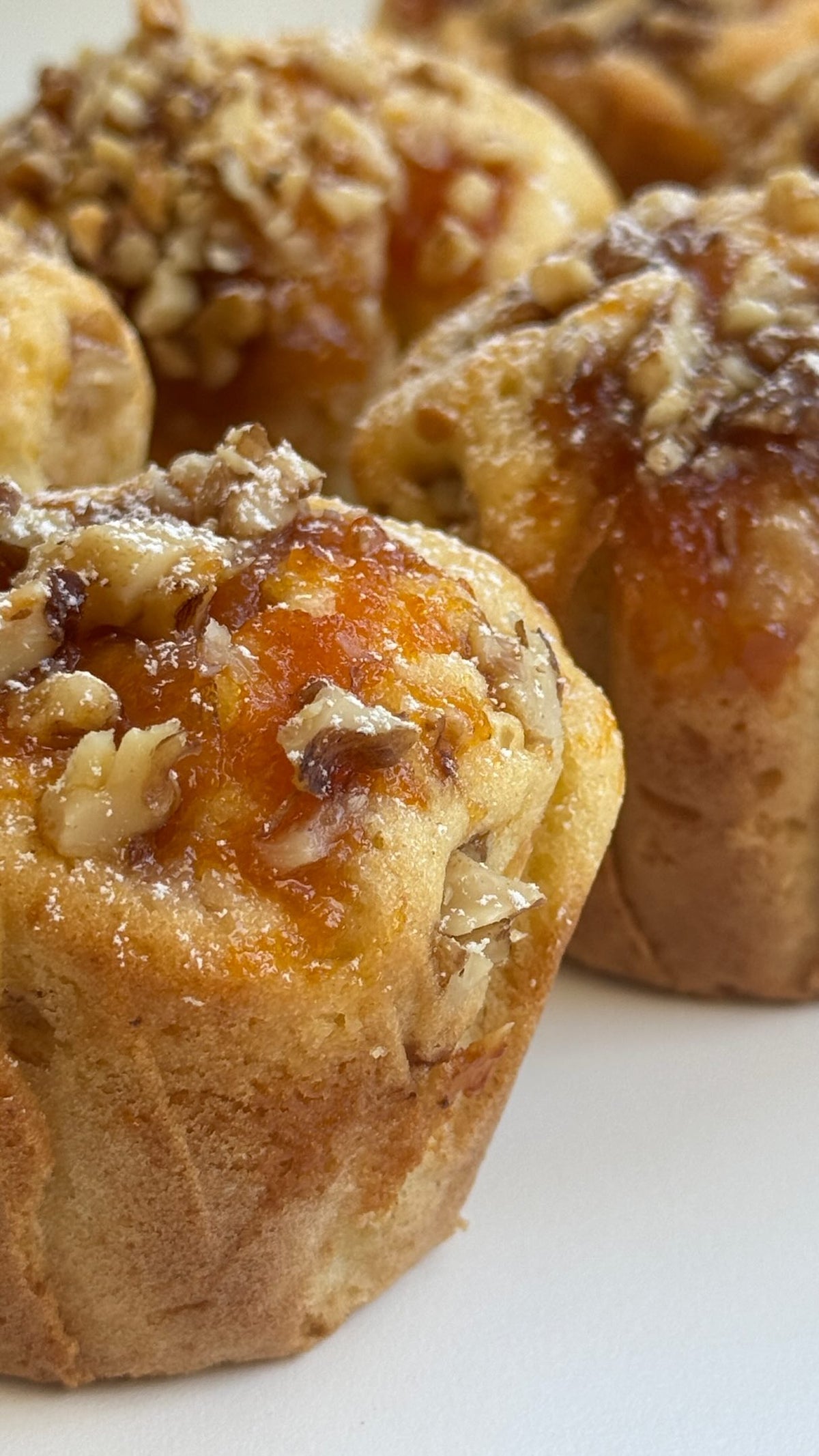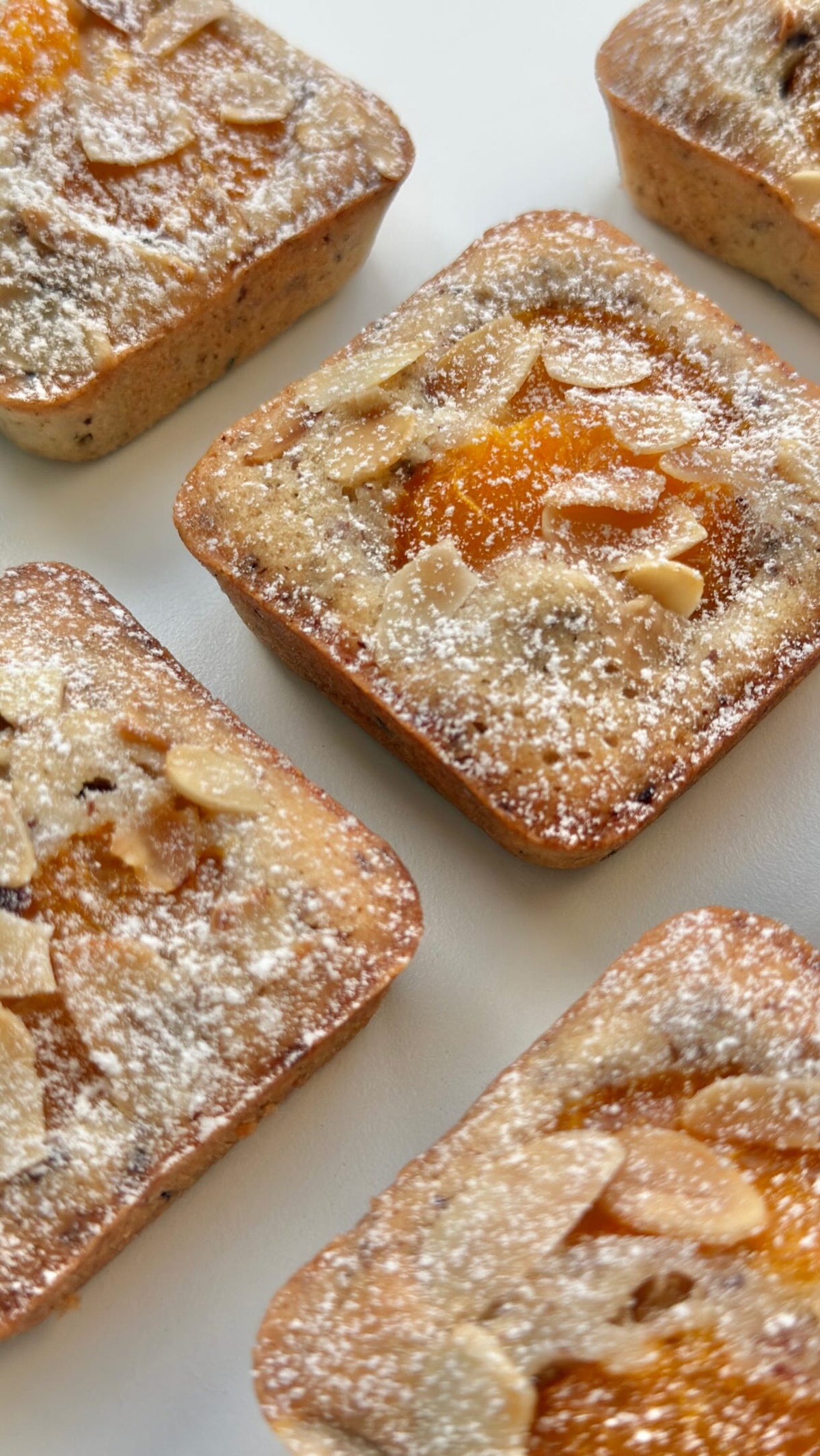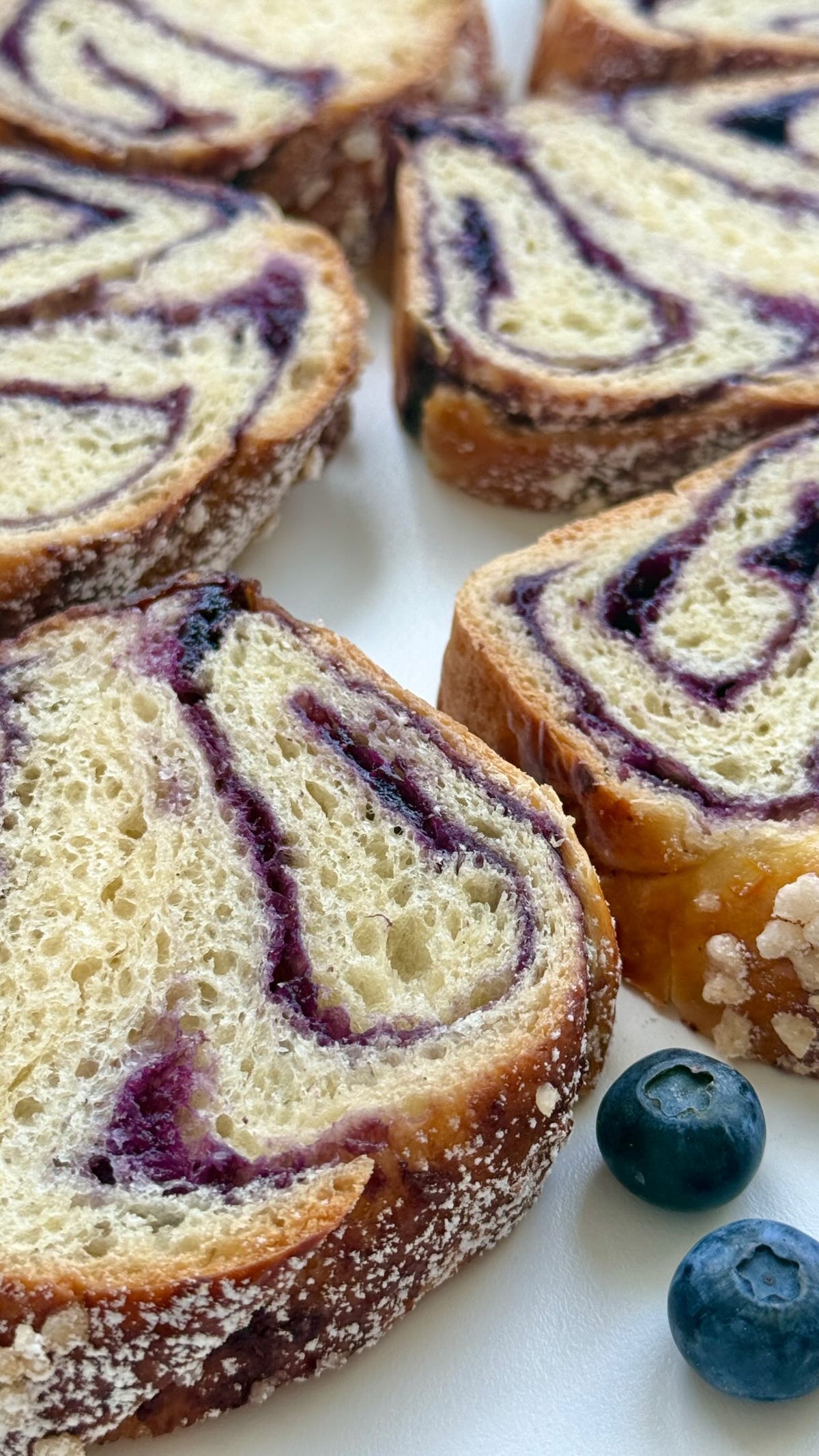

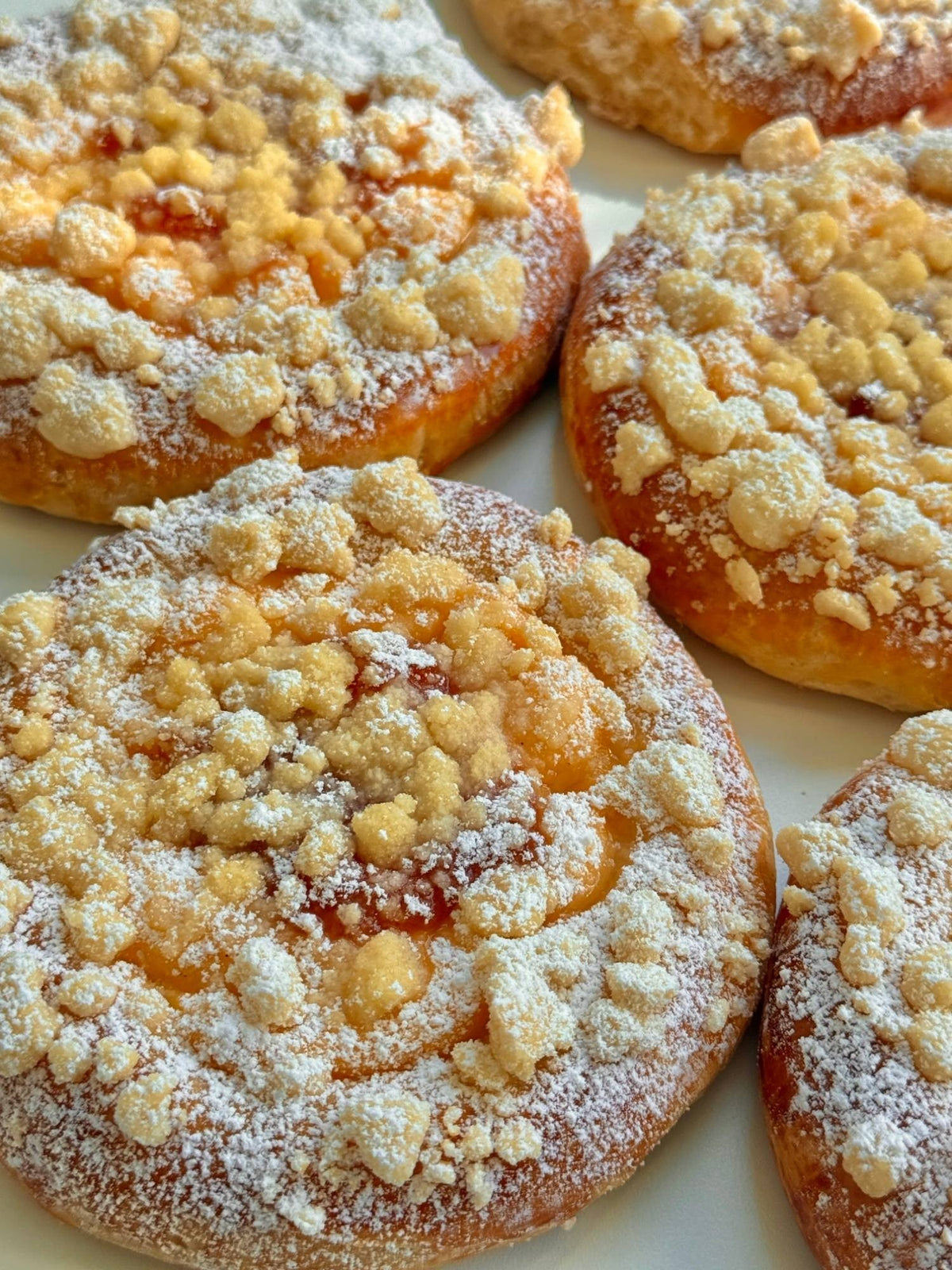
Franzbrötchen von Food with Style, fertig angerichtet
Pastry

Franzbrötchen

Estos Franzbrötchen quedan increíblemente tiernos y huelen de maravilla. ¡Perfectos para los golosos!

Compartir
Raciones
6 piezas
Preparación 1 hora
Cocción 15 minutos

Ingredientes

  • Para la masa
  • Para el relleno

Preparación

  1. 1
    Tamiza la harina en un bol y haz un hueco en el centro. Pon en el hueco la levadura, 1 tsp de azúcar y 2-3 tbsp de leche tibia. Remueve con cuidado y deja reposar 10 minutos, hasta que espume.
  2. 2
    Añade al bol el resto de la leche, el azúcar, el huevo y la sal. Amasa hasta obtener una masa lisa. Incorpora la mantequilla blanda en trozos y sigue amasando hasta que la masa quede elástica. Tapa y deja levar en un lugar cálido alrededor de 1 hora, hasta que doble su volumen.
  3. 3
    En otro bol, mezcla el azúcar moreno, la canela y la mantequilla blanda hasta conseguir una pasta fácil de untar.
  4. 4
    Estira la masa sobre una superficie ligeramente enharinada formando un rectángulo de unos 20 x 30 cm (8 x 12 inches).
  5. 5
    Reparte la mezcla de mantequilla, azúcar y canela por toda la masa de manera uniforme.
  6. 6
    Enrolla la masa bien apretada por el lado largo y córtala en trozos de unos 5 cm ( 2 inches) de ancho.
  7. 7
    Coloca los trozos con el corte hacia abajo sobre una bandeja forrada con papel de hornear. Con un palito, presiona con fuerza en el centro de cada uno para darles la forma típica de los Franzbrötchen.
  8. 8
    Tapa y deja levar otros 30 minutos.
  9. 9
    Precalienta el horno a 180°C (350°F) con calor arriba y abajo (160°C con ventilador). Hornea los Franzbrötchen 15-18 minutos, hasta que estén dorados.
  10. 10
    Pinta los Franzbrötchen aún calientes con mantequilla derretida y déjalos enfriar tapados con un paño. Si quieres, espolvoréalos con azúcar y canela o con azúcar glas.

Video

Franzbrötchen Questions

After stirring the yeast with 1 tsp sugar and 2-3 tbsp lukewarm milk in the well, let it sit for 10 minutes as the recipe directs. You should see foam or bubbles on the surface - that means the yeast is alive and the dough will rise. If the mixture stays flat and smooth after 10 minutes, discard it and start again with fresh yeast, since the whole dough depends on this step.

Yes. The recipe already starts the yeast in lukewarm milk with a little sugar, so active dry yeast works in the same amount and simply needs the full 10 minutes to foam. Fresh yeast also works - crumble it into the milk in the well and stir until dissolved. Whichever you use, keep the milk lukewarm, not hot, or you will kill the yeast.

This usually happens when the butter in the filling is too soft or the dough is rolled too loosely. Mix the brown sugar, cinnamon, and butter into a spreadable paste rather than a runny one, and spread it evenly so no thick pockets form. Roll the dough tightly from the long side, and always bake on parchment paper as the recipe says - some caramel escaping is normal and lifts right off the paper.

Yes. Knead the dough through the butter stage, then cover it and let it rise slowly in the fridge overnight instead of at room temperature. The next morning, let it come back to room temperature before rolling it into the 20 x 30 cm rectangle, otherwise the cold dough will crack and the butter filling won't spread. Then continue with shaping, the 30-minute rise, and baking as written.

Let them cool completely, then keep them in an airtight container at room temperature - the butter in both the dough and the filling keeps them tender for a couple of days. To refresh them, warm them briefly in the oven at the same 180°C (350°F) until the filling softens again. They also freeze well once cooled; thaw and reheat the same way.

deliciosas, probadas y listas para inspirar
Explora Más de 400 Recetas Deliciosas