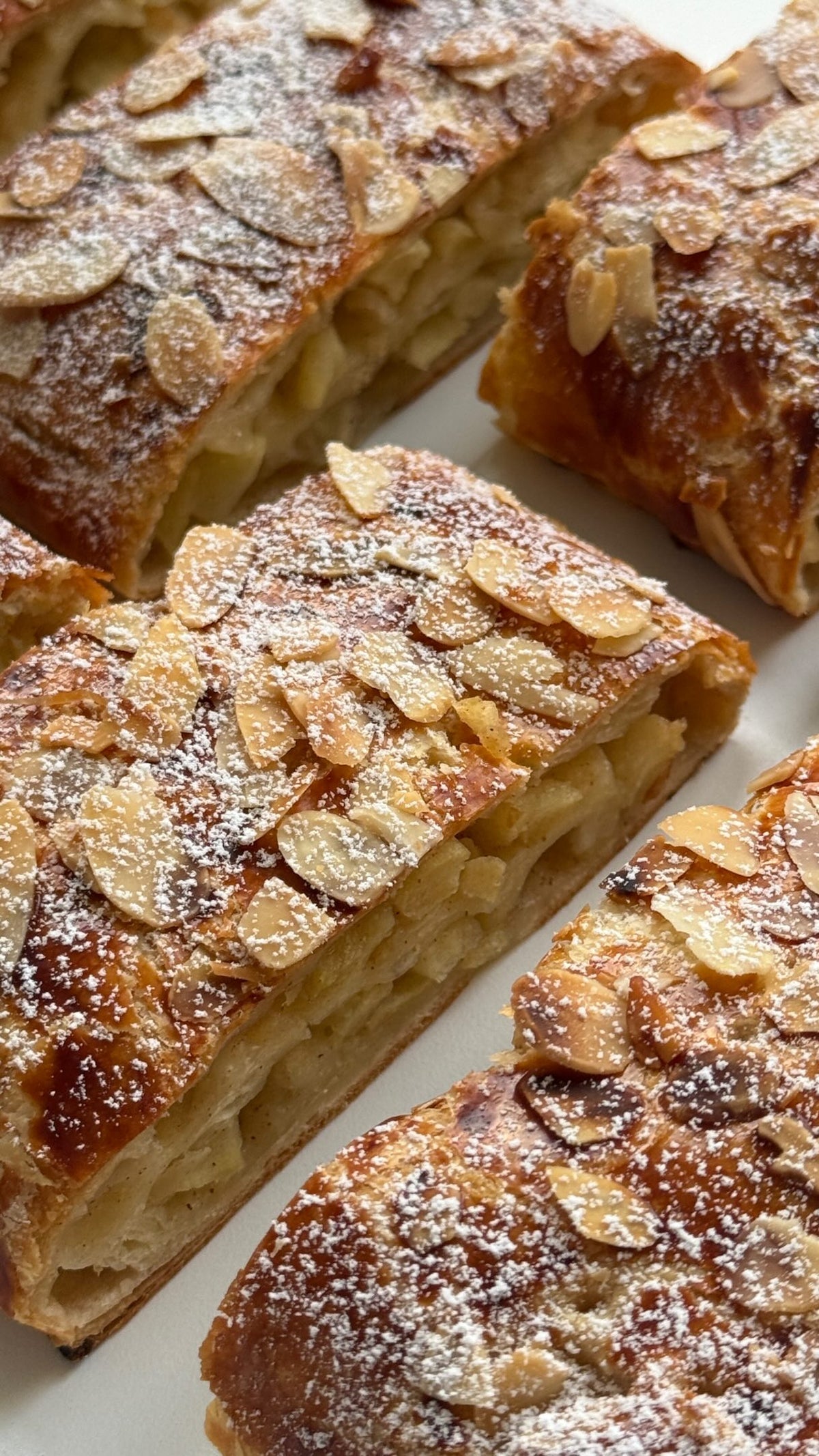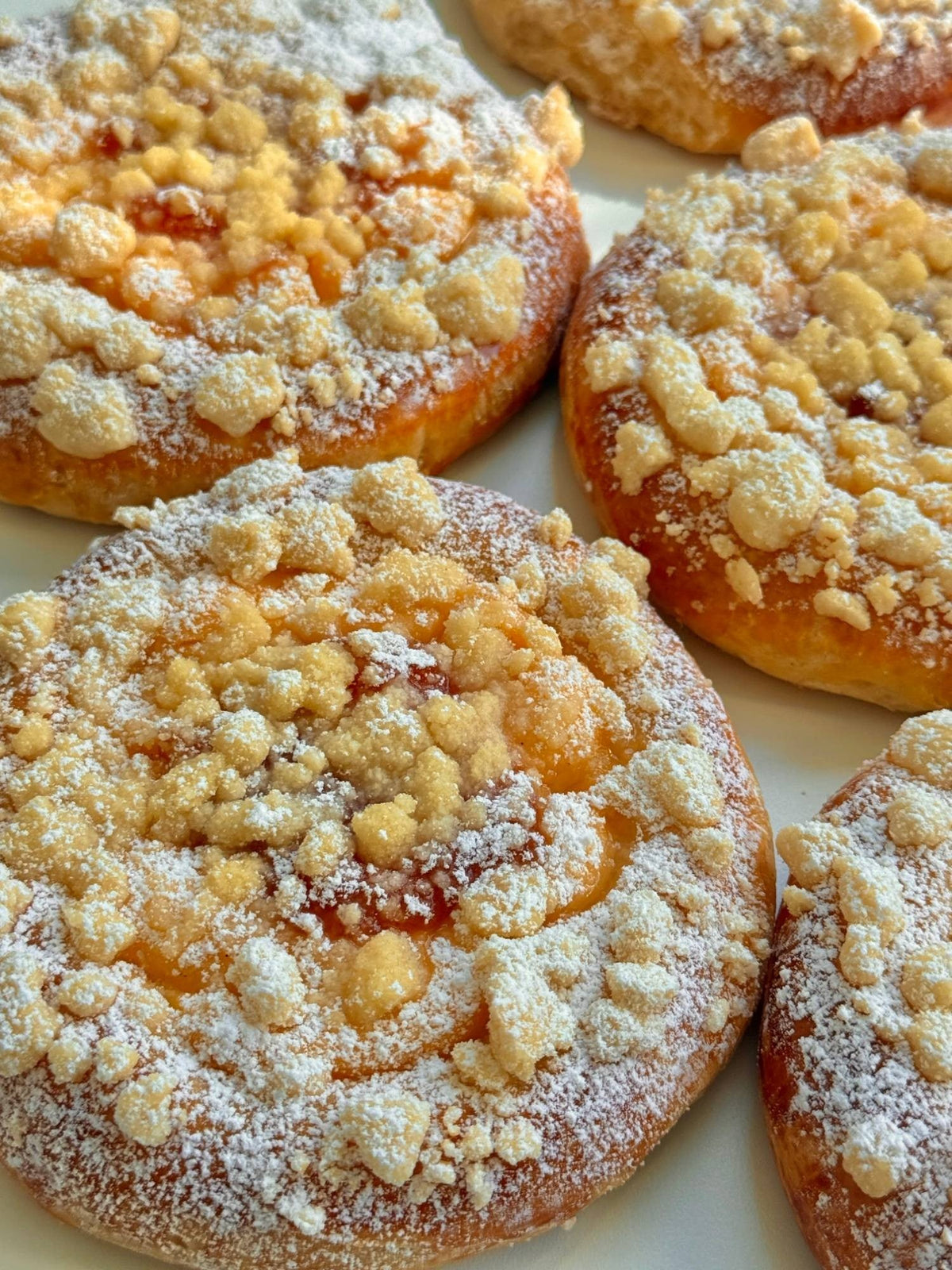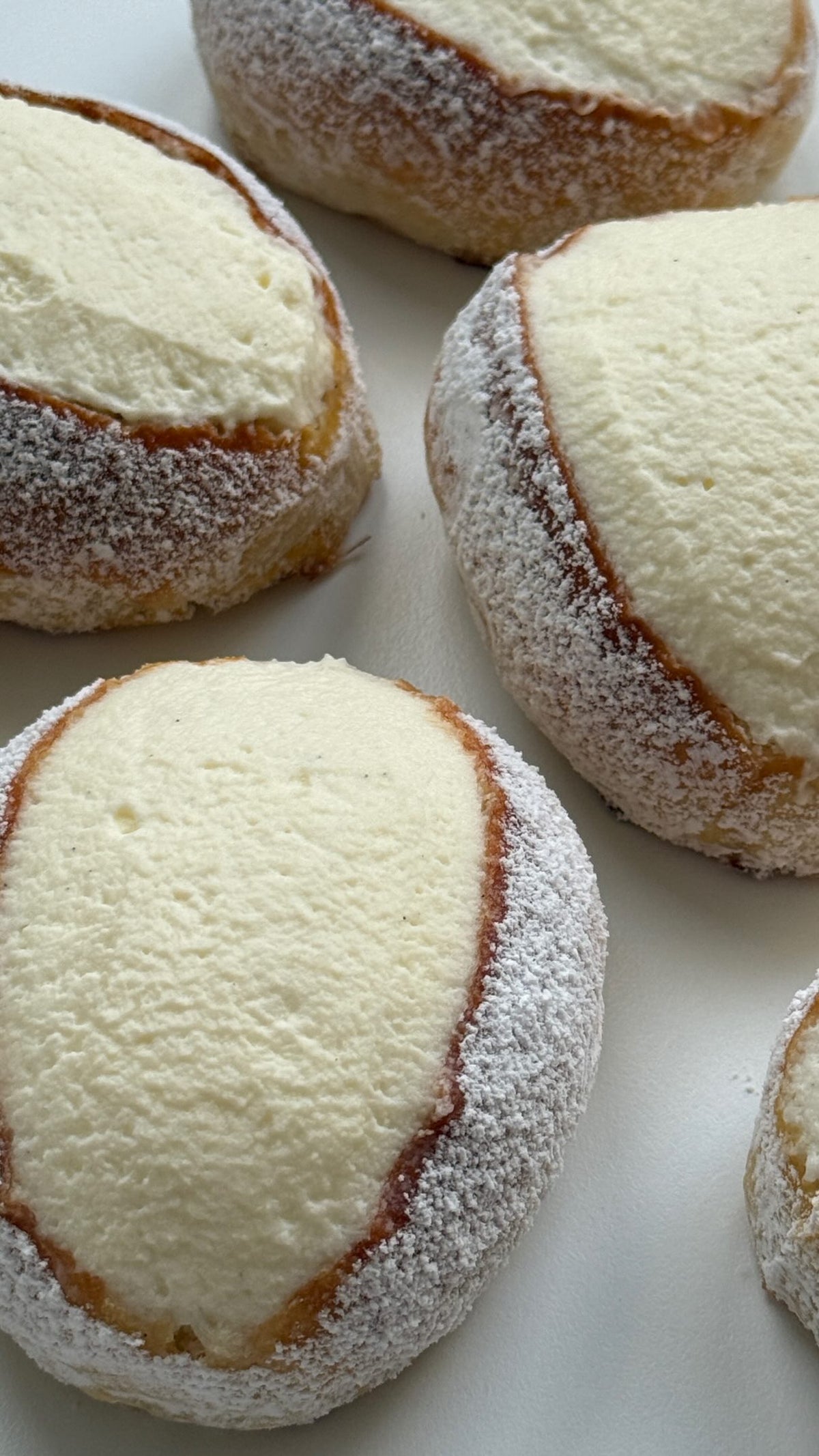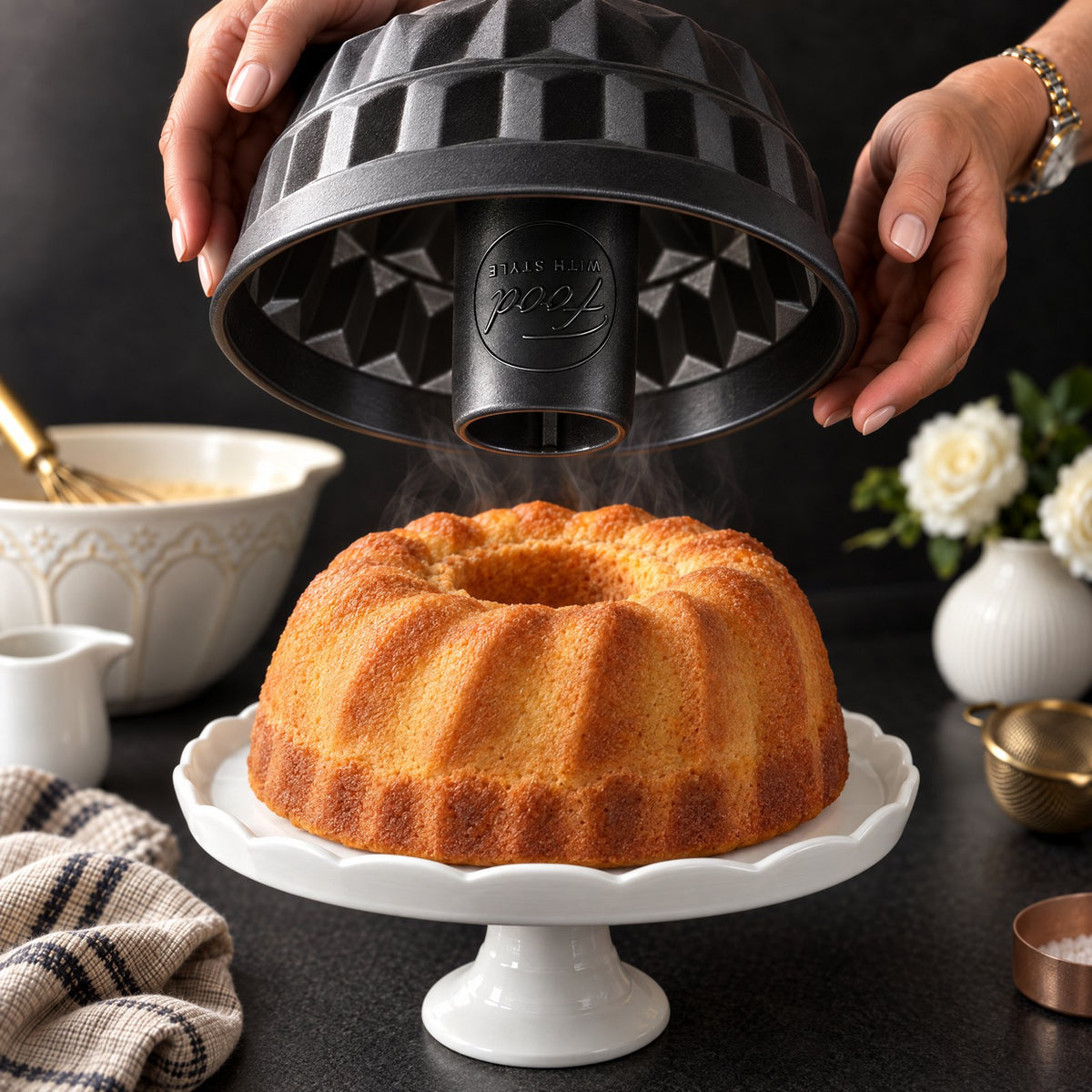


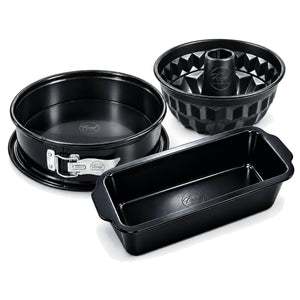
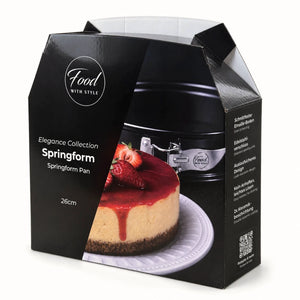
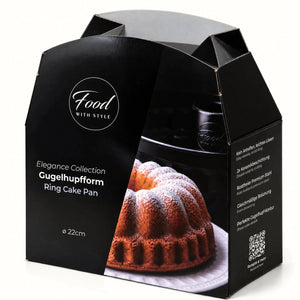
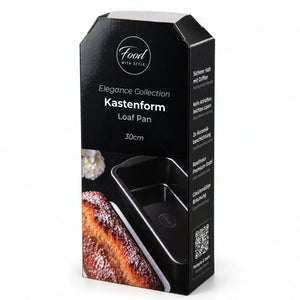
Cevizli Kesme von Food with Style, fertig angerichtet
Pastry

Cevizli Kesme

Un clásico postre turco de sémola como el de una pastane tradicional: jugoso, aromático y perfecto para el Bayram

Compartir
Cocción 35 minutos

Ingredientes

  • Para el almíbar
  • Para la masa
  • Para el relleno

Preparación

  1. 1
    Lleva a ebullición el azúcar con el agua y deja que hierva suavemente 8-10 minutos. Añade el zumo de limón y deja enfriar el almíbar por completo.
  2. 2
    Precalienta el horno a 180°C (350°F) con calor arriba y abajo.
  3. 3
    Mezcla la mantequilla derretida con el azúcar y añade después la leche y la vainilla.
  4. 4
    Incorpora la sémola y mezcla hasta obtener una masa blanda y manejable.
  5. 5
    Pesa la masa, toma la mitad y extiéndela de forma uniforme en el molde presionando con las manos ligeramente untadas de aceite.
  6. 6
    Reparte las nueces picadas por encima de manera uniforme.
  7. 7
    No pongas el resto de la masa de una sola pieza: ve colocando porciones pequeñas repartidas por toda la superficie. Después, con las manos ligeramente untadas de aceite, únelas y alísalas con cuidado hasta formar una capa uniforme.
  8. 8
    Marca la superficie en cuadrados o rombos.
  9. 9
    Hornea 35-40 minutos hasta que esté dorado.
  10. 10
    Deja reposar 10 minutos y vierte después el almíbar frío de forma uniforme sobre el postre caliente.
  11. 11
    Déjalo empapar al menos 2-3 horas para que absorba todo el almíbar.
  12. 12
    Espolvorea con nueces picadas. Un postre que no puede faltar en la mesa del Bayram: tradicional, sencillo y hecho para disfrutar en familia con un té.

Video

Cevizli Kesme Questions

The most common reason is pouring warm syrup over the bake. The syrup is boiled and then cooled completely for a reason: it should meet the hot squares cold, so the semolina absorbs it slowly instead of sealing up. Also give the dough a few minutes after mixing so the semolina can drink up the butter and milk - if it still feels sandy rather than moldable, it will bake dry.

Coarse semolina works but gives a grainier, more open crumb and drinks more syrup, so expect a wetter, chewier square. Flour is not a good substitute here: with only 90 ml milk and 200 g melted butter, the dough is built around semolina's absorbency and would turn into a stiff shortbread. If coarse is all you have, let the dough rest a little longer before pressing it into the pan.

Keep it at room temperature in a covered tin or under foil, not in the fridge - cold makes the butter firm and dulls the syrup. Syrup-soaked semolina bakes hold well for several days and many people find the flavor better on day two, once the syrup has settled evenly through the layers. Don't cover it while still warm, or condensation will soften the golden top.

Yes - the syrup is the ideal make-ahead step, since it has to cool completely anyway and can be boiled hours earlier or the day before. You can also chop the walnuts, both the 160-180 g for the filling and the topping, ahead of time. The dough itself is best mixed and pressed right before baking, as the melted butter firms up on standing and makes it hard to press evenly.

The top layer. Never lay the second half of the dough on as one sheet - it drags the walnut filling around and tears. Instead place small portions evenly across the surface and press them together with lightly oiled hands, which also keeps the dough from sticking to you. Weighing the dough so both halves are truly equal makes this much easier, and score the squares before baking, not after.

deliciosas, probadas y listas para inspirar
Explora Más de 400 Recetas Deliciosas