






Porzioni
Unità
Cottura
20 minuti

Preparazione
-
1
Stendi la pasta sfoglia sul piano di lavoro. Dal lato più corto ritaglia sei strisce uguali (larghe circa 6 cm).

-
2
Spalma uno strato sottile di confettura di albicocche su ogni striscia. Sgocciola le albicocche e taglia ogni metà in due fettine più piccole. Disponi le fettine di albicocca lungo il bordo superiore delle strisce, in modo che sporgano leggermente oltre il bordo.

-
3
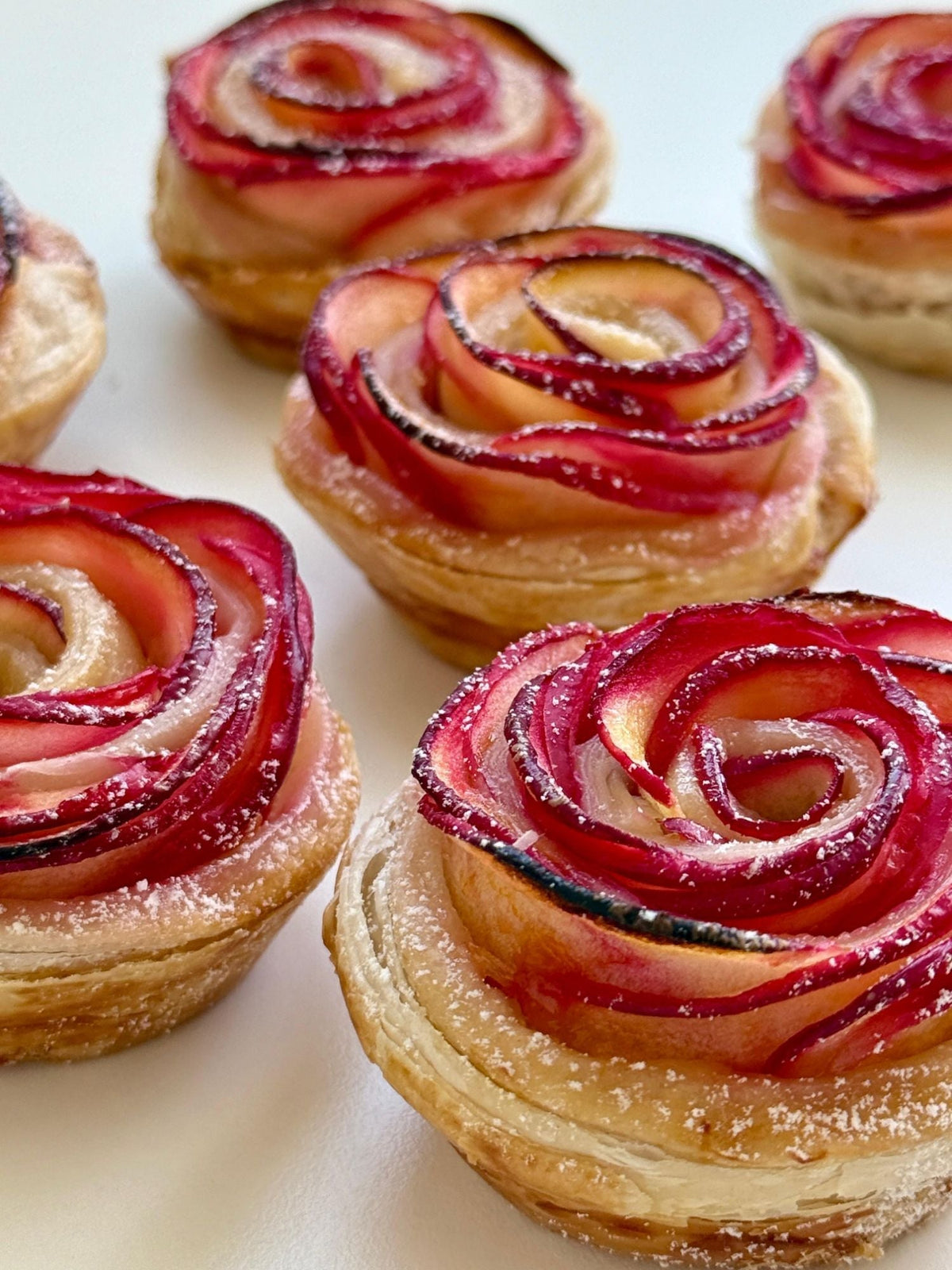
Ripiega la metà inferiore di ogni striscia sulle albicocche, lasciando in vista la parte superiore delle fettine. Arrotola delicatamente ogni striscia da un’estremità all’altra, così da formare una rosa.


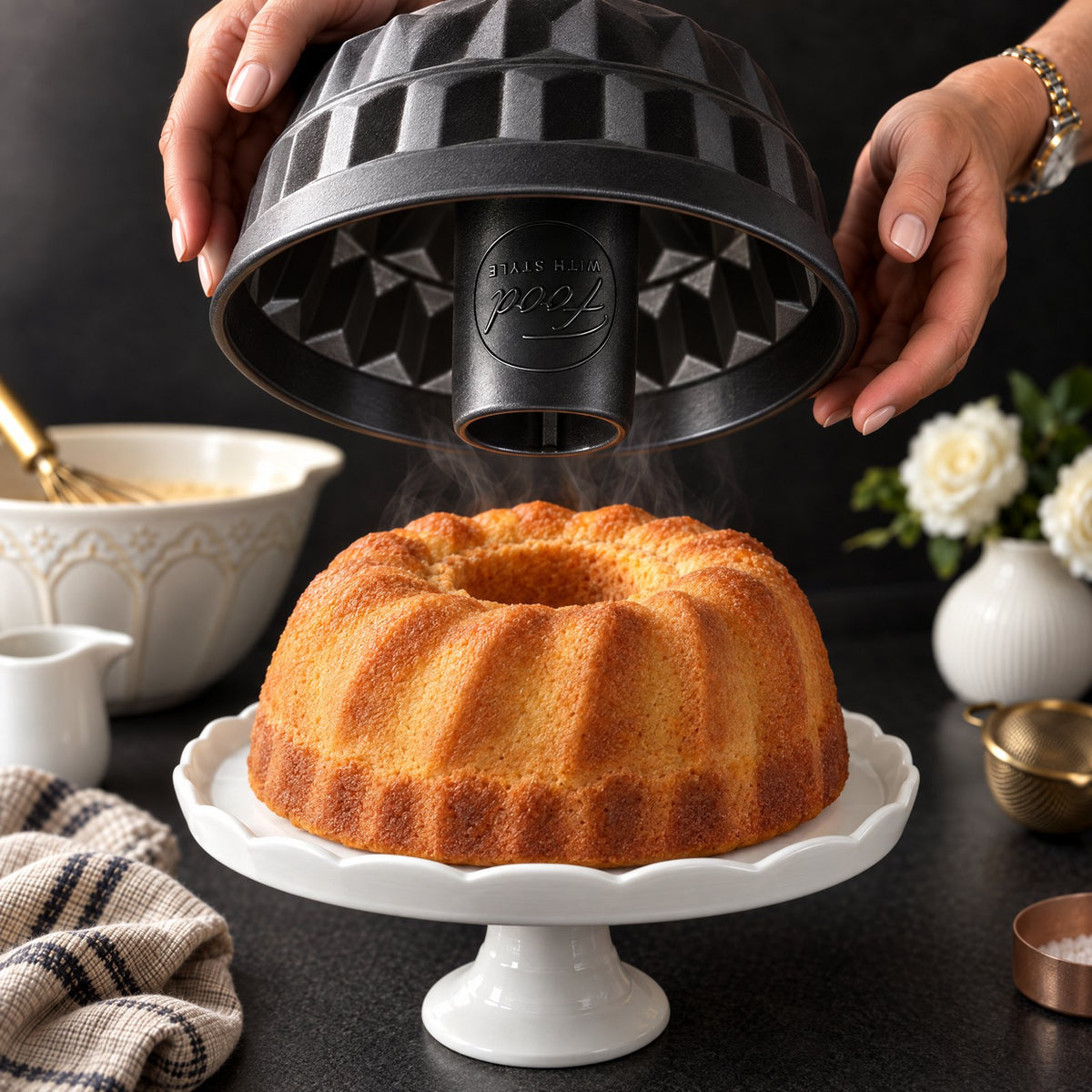
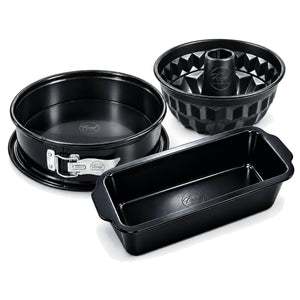
Niente si attacca. Tutto si sforma.
La tua torta esce pulita dallo stampo, ogni volta.
- Doppio antiaderente in ceramica, senza PFAS
- Acciaio alluminato con 10 anni di garanzia
- 1 anno di corso di pasticceria + e‑book incluso
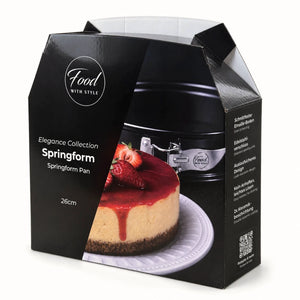
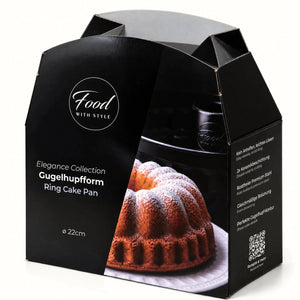
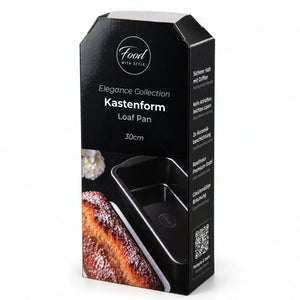
Set per dolci + corso & E-book · 89,90 €
Scopri il set-
4
Metti le rose arrotolate nei pirottini di carta, così non si attaccano in cottura. Spennella con il tuorlo i bordi di pasta che restano in vista.

-
5
Inforna le rose in forno già caldo a 200°C (400°F) per circa 20-25 minuti, sul ripiano centrale, finché sono ben dorate e cotte al punto giusto.

-
6
Lascia raffreddare completamente le rose e spolverizzale con zucchero a velo prima di servire.

Video


Food with Style Baking Club
Preparalo passo dopo passo in video
Il modulo del corso giusto: Impasto per torte
- Corso di pasticceria con 9 moduli e 34 videolezioni
- Chat 1:1 con la Baking Chef di Food with Style
- Chat della Community ed e-book con 100 ricette
Da 8,33 € al mese (99,90 € all’anno)
FAQ
Domande sulle rose di albicocca
delizioso, testato e pronto a ispirare