
Lemon Drizzle Loaf Cake von Food with Style, fertig angerichtet
Cake

Plumcake al limone glassato

Un plumcake al limone incredibilmente umido dal gusto agrumato intenso - perfetto da preparare in anticipo e ancora più buono il giorno dopo.

Condividi
Cottura 45 minuti

Ingredienti

Preparazione

  1. 1
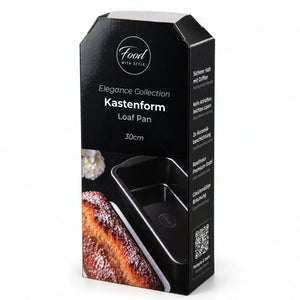
    Scaldare il forno a 175°C (350°F), statico. Imburrare e infarinare lo stampo da plumcake oppure foderarlo con carta forno.
  2. 2
    Lavorare il burro con lo zucchero e la vaniglia per 2-3 minuti fino a ottenere un composto cremoso. Unire le uova una alla volta, poi incorporare la scorza di limone.
  3. 3
    Mescolare la farina 00 con il lievito e il sale. Incorporare gli ingredienti secchi all'impasto alternandoli con il latte e il succo di limone.
  4. 4
    Versare l'impasto nello stampo preparato e cuocere per 45-55 minuti, finché uno stecchino infilato al centro esce con qualche briciola umida.
  5. 5
    Quando il dolce è ancora caldo, bucherellarlo più volte con uno spiedino. Per la bagna al limone, mescolare il succo di limone con lo zucchero a velo e distribuirlo lentamente sul dolce a cucchiaiate.
  6. 6
    Lasciare raffreddare completamente il dolce.
  7. 7
    Per la glassa al limone, mescolare lo zucchero a velo con il succo di limone fino a ottenere una glassa densa ma colante. Trasferire la glassa in una sac à poche e distribuirla sul dolce in righe sottili. Lasciare rapprendere completamente la glassa.

Video

Lemon Drizzle Loaf Cake Questions

You can, but it noticeably flattens the result, since lemon juice appears three times here: in the batter, in the syrup, and in the glaze. Bottled juice tends to taste dull and slightly bitter, so the cake loses the bright note that carries it. If you only have bottled juice, at least use a fresh organic lemon for the zest, which is where much of the aroma sits.

Usually the cake was underbaked or the oven door was opened too early. Bake for the full 45-55 minutes and only test at the end: a toothpick should come out with a few moist crumbs, not wet batter. A second cause is over-beating after adding the flour, so mix the dry ingredients alternately with the milk and lemon juice only until just combined.

The lemon syrup soaked into the hot cake keeps it moist for several days, so store it well wrapped or in an airtight tin at room temperature rather than in the fridge, where it dries out and firms up. Keep the glaze intact and cut slices only as needed, since cut surfaces dry fastest. The loaf also freezes well without the glaze; glaze it after thawing.

Yes, and it often tastes better on day two once the syrup has fully spread through the crumb. Bake the cake, poke it while hot, and spoon over the syrup as described, then let it cool completely and leave it wrapped overnight. Mix the powdered sugar and lemon juice for the glaze fresh the next day and pipe it on shortly before serving, so the lines stay crisp and white.

For a dairy-free version, a firm plant-based block butter and any unsweetened plant milk both work, as the 80 ml of milk mainly loosens the batter. Avoid liquid margarine or oil in place of the 180 g butter: the recipe relies on beating butter and sugar for 2-3 minutes to whip in air, and a liquid fat will not hold it. Whatever you use, it should be genuinely soft but not melted before you start creaming.

delizioso, testato e pronto a ispirare
Esplora oltre 400 Ricette Gustose