






Porzioni
Unità
Preparazione
1 ora
Cottura
15 minuti

Preparazione
-
1
Versa la farina in una ciotola e forma una fontana al centro. Nell'incavo metti il lievito di birra secco, 1 cucchiaino di zucchero e 2-3 cucchiai del latte tiepido. Mescola leggermente e lascia riposare circa 10 minuti, finché non inizia a fare le bollicine.

-
2
Unisci il latte rimanente, lo zucchero, il sale, il burro morbido e l'uovo. Impasta fino a ottenere un impasto liscio che si stacchi dalle pareti della ciotola. Copri e fai lievitare in un luogo tiepido per circa 1 ora, o finché non raddoppia di volume.

-
3
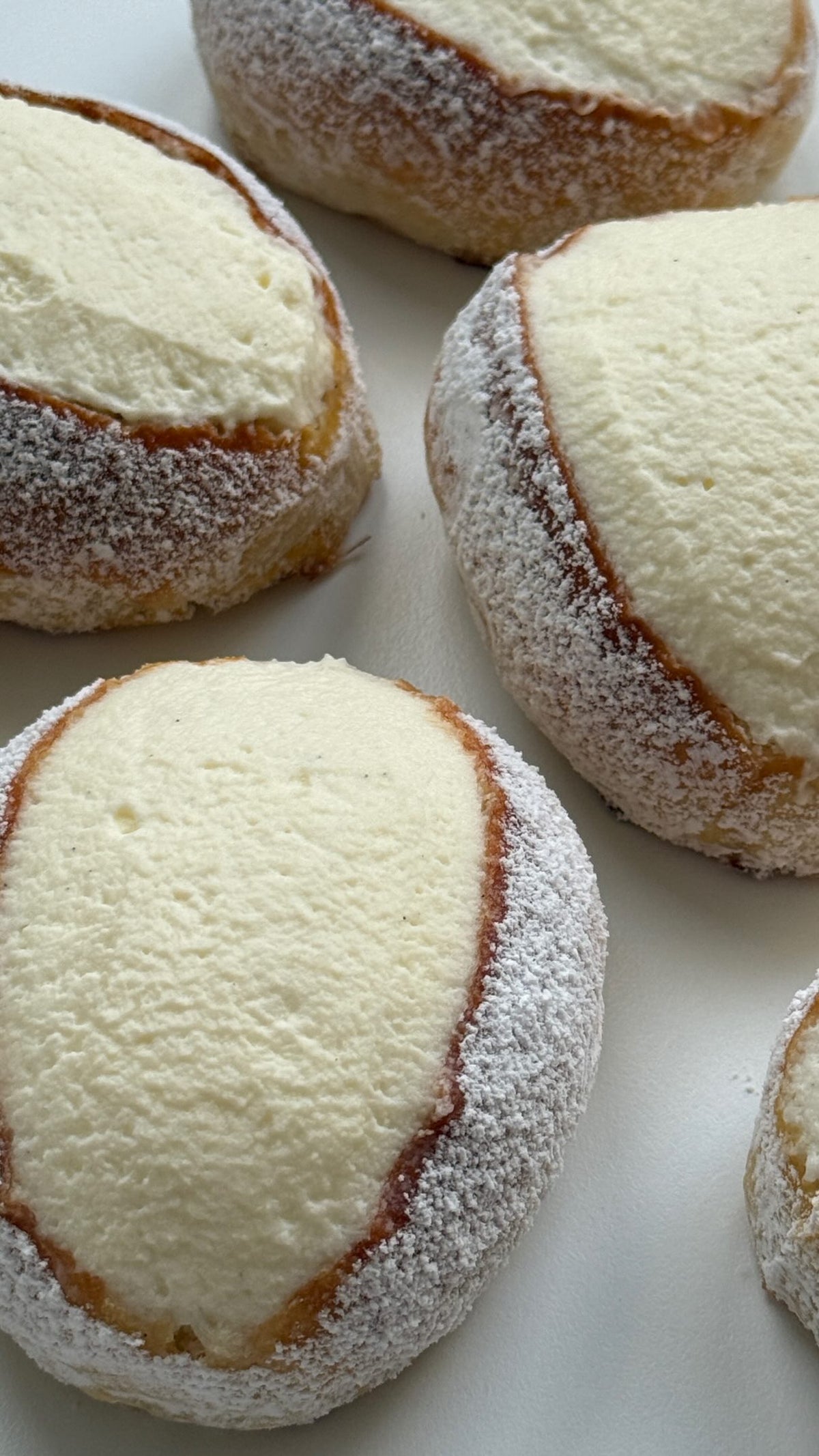
Per il ripieno, lavora il burro morbido con l'estratto di vaniglia e lo zucchero semolato fino a ottenere una crema liscia.

-
4
Quando l'impasto è lievitato, stendilo su un piano infarinato formando un grande rettangolo. Distribuisci il ripieno al burro e vaniglia in modo uniforme su tutta la superficie.
-
5
Piega l'impasto: porta un lato verso il centro, poi ripiega sopra l'altro lato. Ricava delle strisce regolari.

-
6
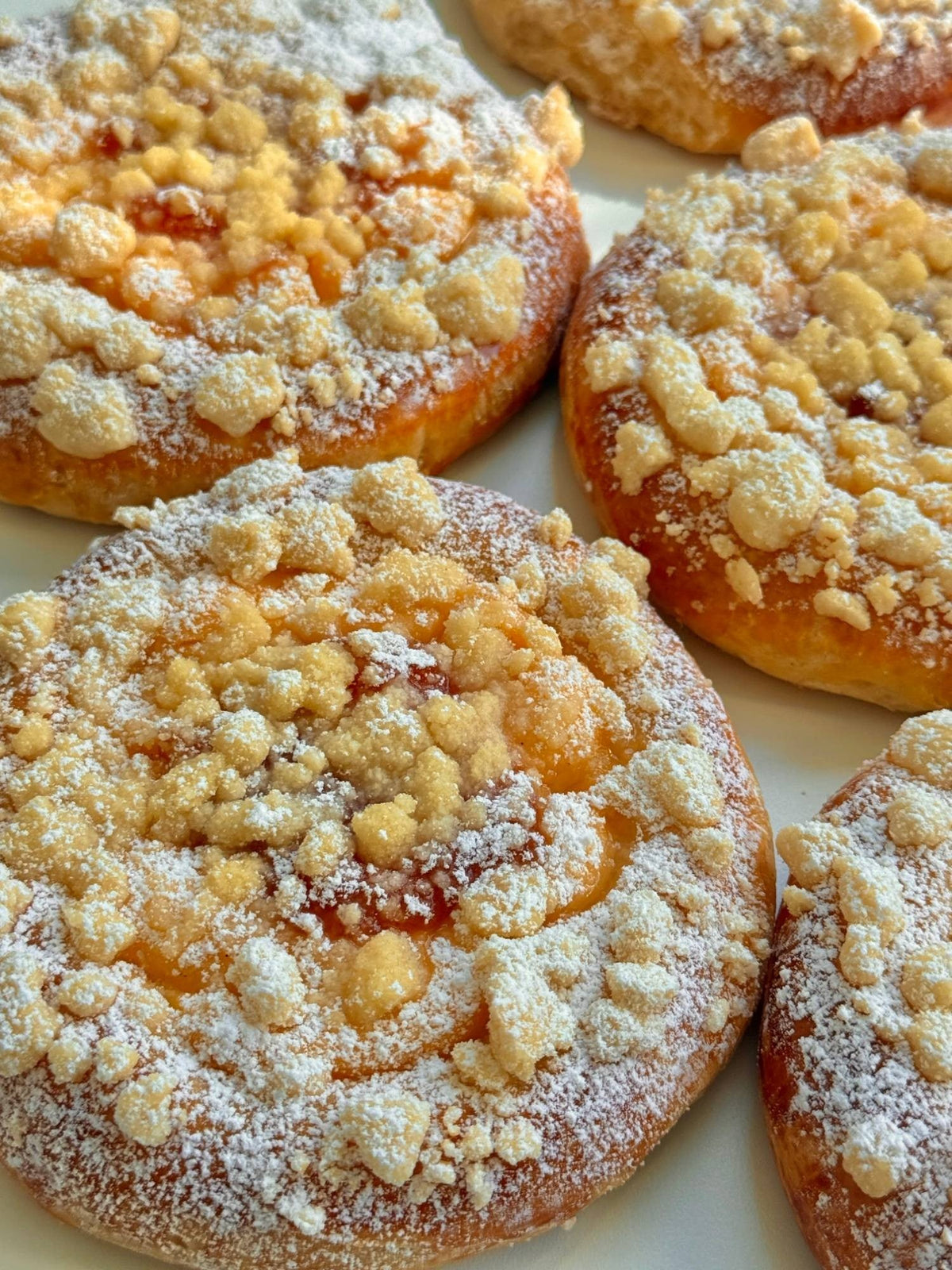
Incidi ogni striscia per il lungo in tre parti, senza arrivare fino in fondo. Intrecciale e attorcigliale a formare dei nodini.

-
7
Sistema i nodini in uno stampo da muffin imburrato oppure su una teglia foderata con carta da forno. Fai lievitare ancora per 20-30 minuti. Nel frattempo scalda il forno a 180°C (350°F).

-
8
Cospargi con la granella di zucchero.

-
9
Cuoci per 15-18 minuti, finché non sono leggermente dorati. Spennella i nodini con il burro fuso e lasciali intiepidire prima di servire.

Video

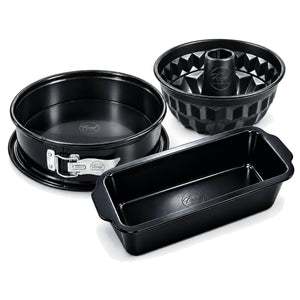
Niente si attacca. Tutto si sforma.
La tua torta esce pulita dallo stampo, ogni volta.
- Doppio antiaderente in ceramica, senza PFAS
- Acciaio alluminato con 10 anni di garanzia
- 1 anno di corso di pasticceria + e‑book incluso
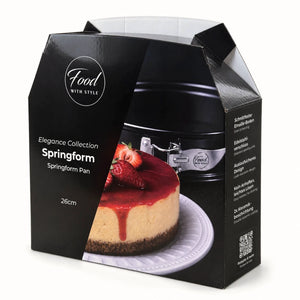
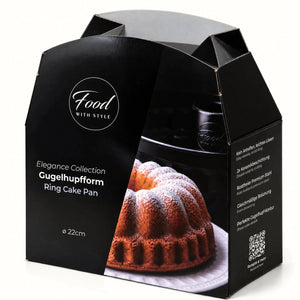
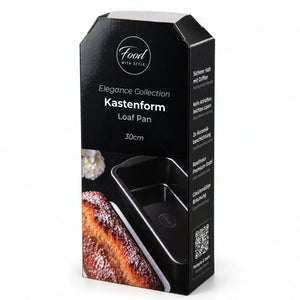
Set per dolci + corso & E-book · 89,90 €
Scopri il set

Food with Style Baking Club
Preparalo passo dopo passo in video
Il modulo del corso giusto: Impasto lievitato dolce
- Corso di pasticceria con 9 moduli e 34 videolezioni
- Chat 1:1 con la Baking Chef di Food with Style
- Chat della Community ed e-book con 100 ricette
Da 14,90 € al mese, disdici quando vuoi ogni mese
FAQ
Domande sui nodini alla vaniglia
delizioso, testato e pronto a ispirare