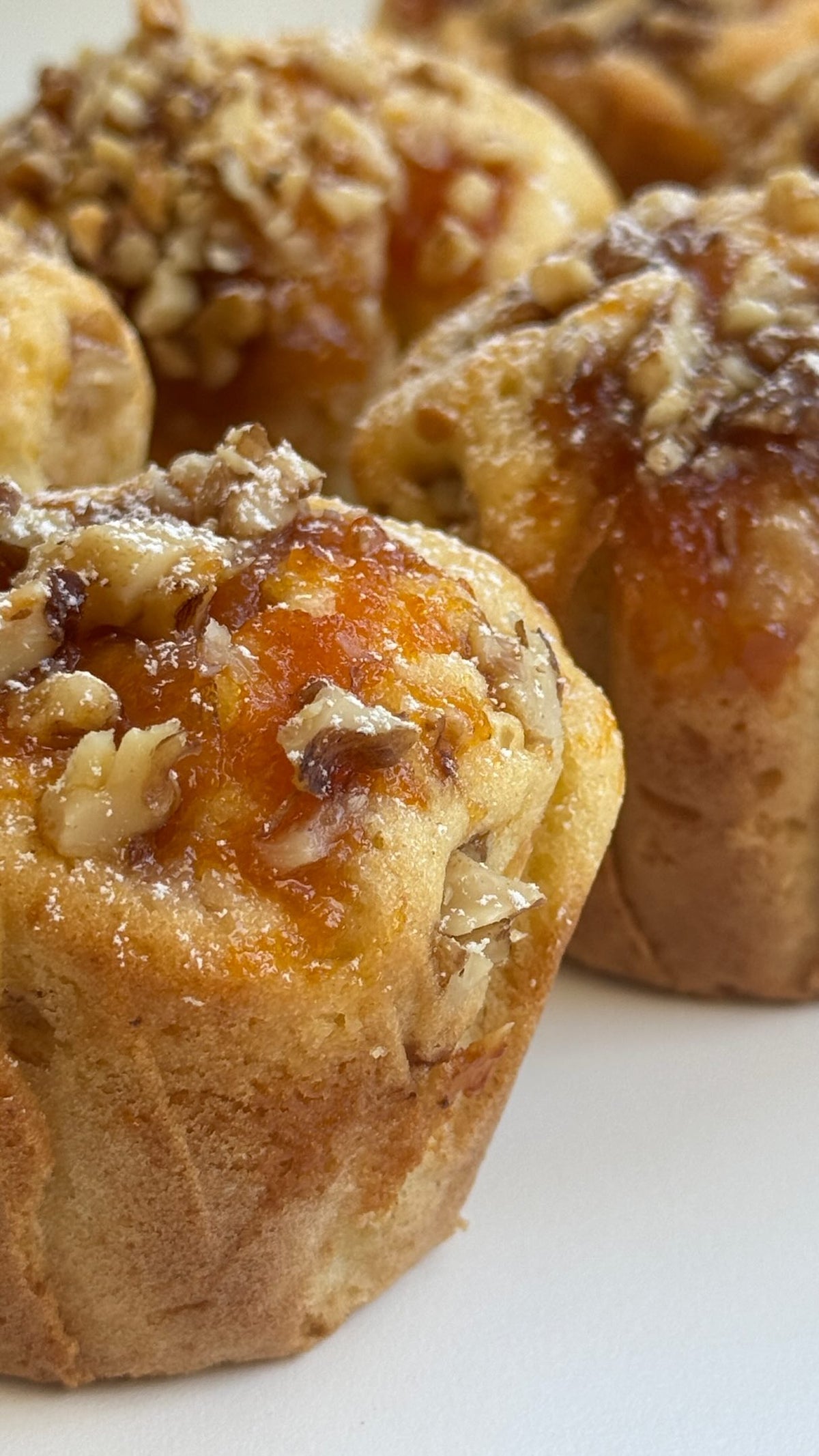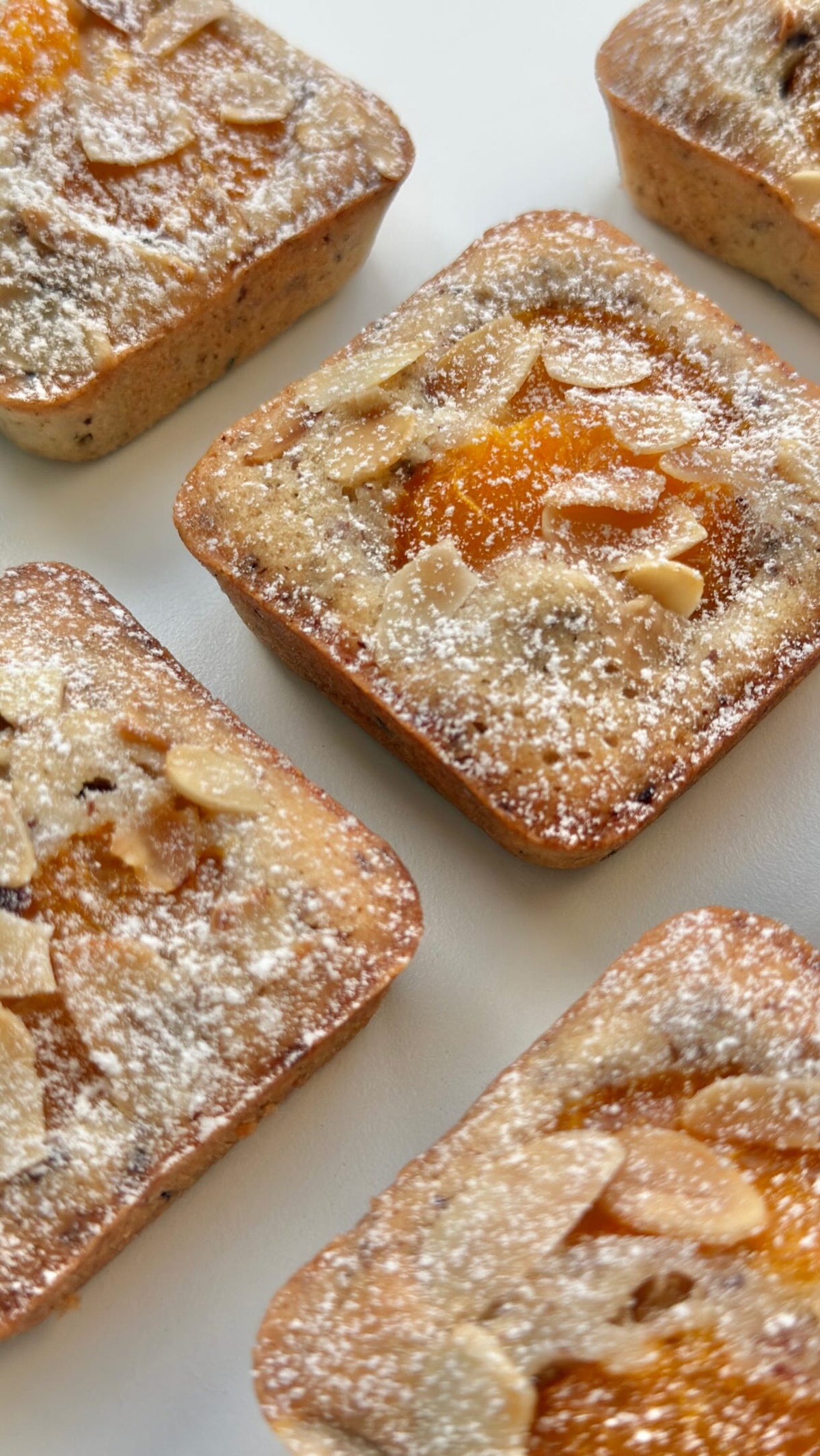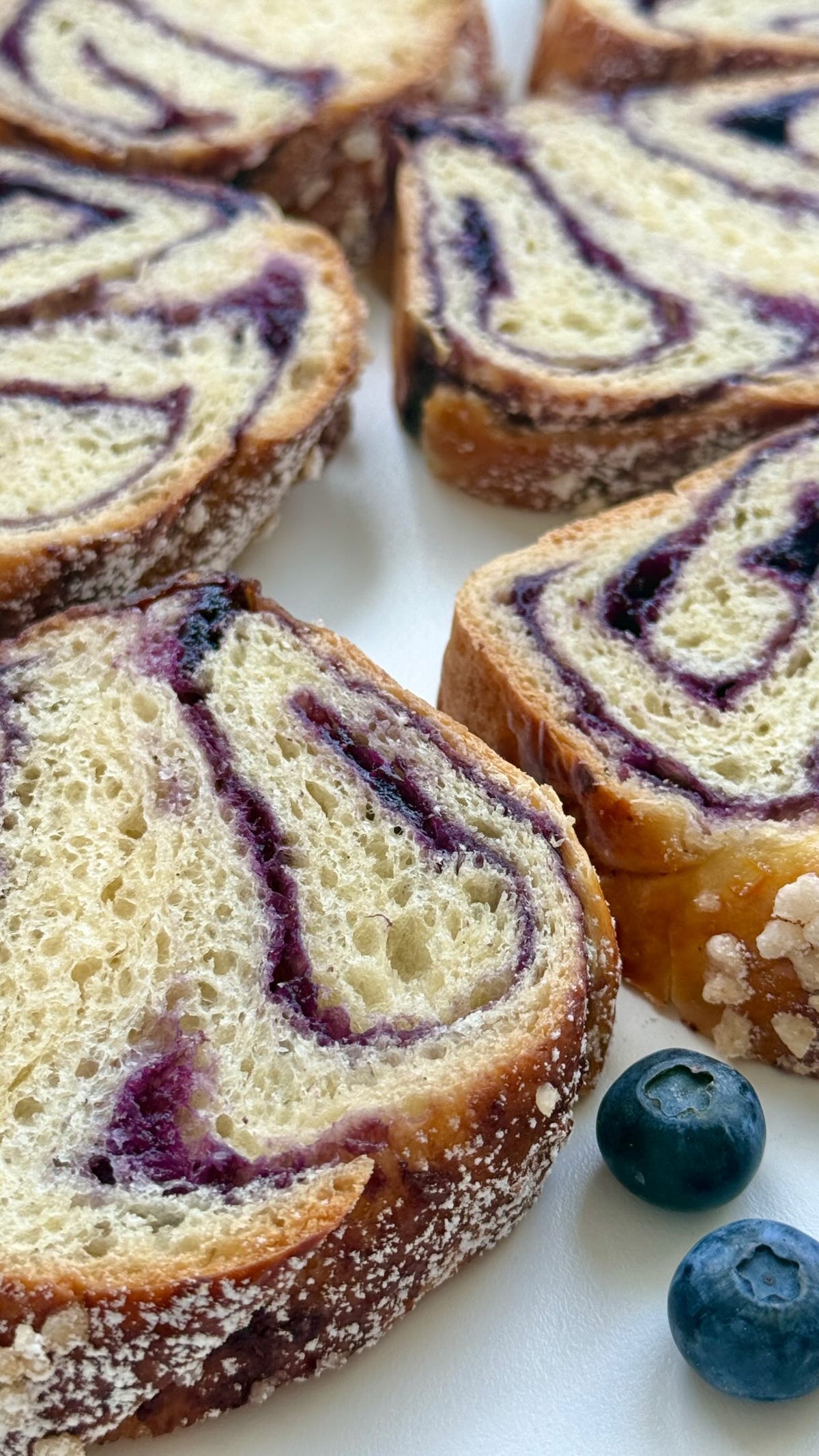
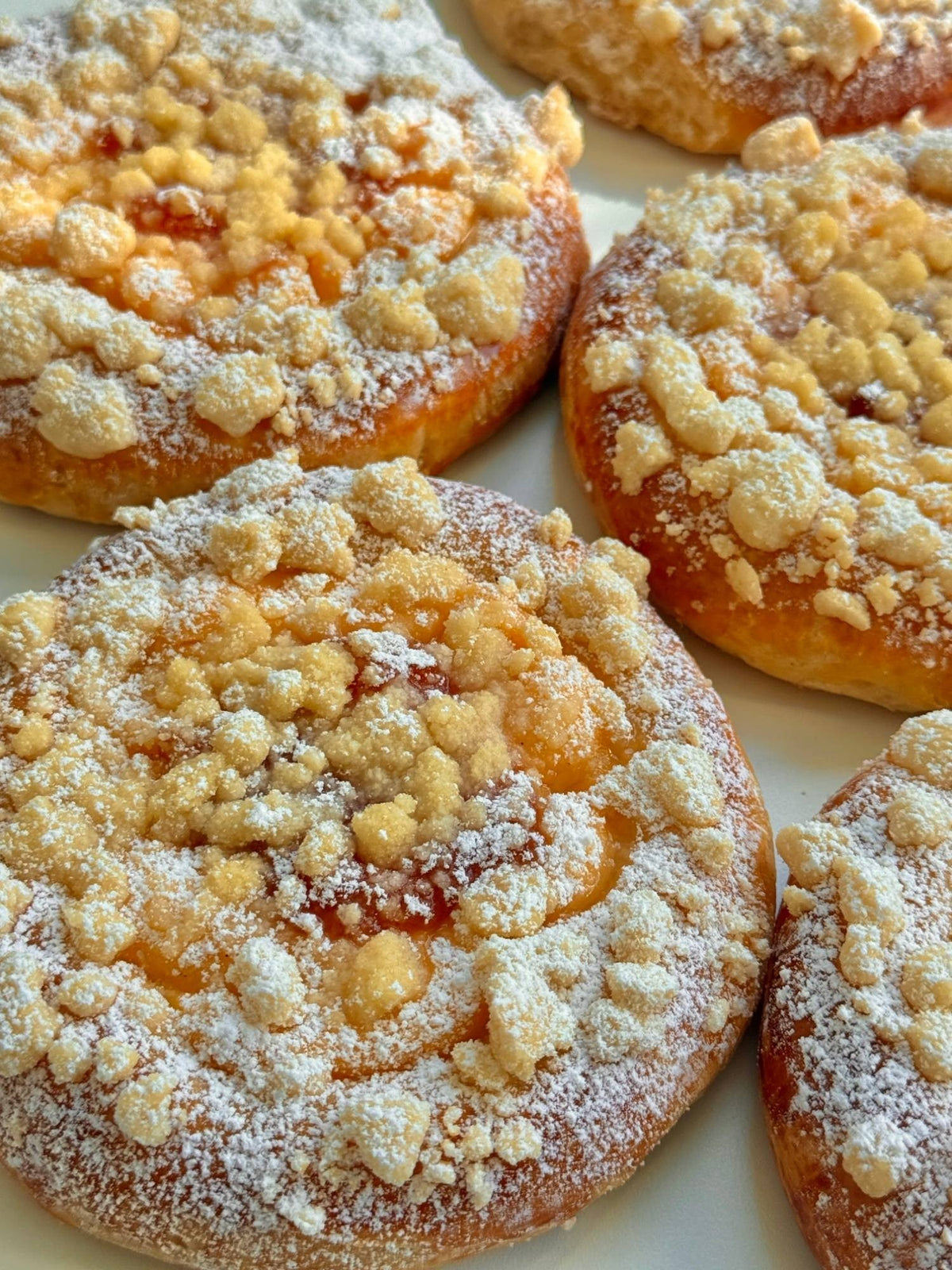
Franzbrötchen von Food with Style, fertig angerichtet
Pastry

Franzbrötchen

Questi Franzbrötchen sono di una morbidezza divina e profumano in modo irresistibile. Perfetti per chi ama i dolci!

Condividi
Porzioni
6 pezzi
Preparazione 1 ora
Cottura 15 minuti

Ingredienti

  • Per l'impasto
  • Per il ripieno

Preparazione

  1. 1
    Setacciate la farina in una ciotola e formate una fontana al centro. Mettete nell'incavo il lievito, 1 tsp di zucchero e 2-3 tbsp di latte tiepido. Mescolate delicatamente e lasciate riposare per 10 minuti, finché non si forma la schiuma.
  2. 2
    Unite nella ciotola il latte rimasto, lo zucchero, l'uovo e il sale. Impastate fino a ottenere un impasto liscio. Aggiungete il burro morbido a pezzetti e continuate a impastare finché l'impasto non diventa elastico. Coprite e fate lievitare in un luogo tiepido per circa 1 ora, o finché non raddoppia di volume.
  3. 3
    In un'altra ciotola mescolate lo zucchero di canna, la cannella e il burro morbido fino a ottenere una crema spalmabile.
  4. 4
    Stendete l'impasto su un piano leggermente infarinato formando un rettangolo di circa 20 x 30 cm (8 x 12 inches).
  5. 5
    Distribuite il composto di burro, zucchero e cannella in modo uniforme sull'impasto.
  6. 6
    Arrotolate l'impasto ben stretto partendo dal lato lungo e tagliatelo a pezzi larghi circa 5 cm ( 2 inches).
  7. 7
    Disponete i pezzi con il taglio verso il basso su una teglia rivestita di carta da forno. Con un bastoncino premete con decisione al centro di ogni pezzo, per dare la tipica forma dei Franzbrötchen.
  8. 8
    Coprite e lasciate lievitare per altri 30 minuti.
  9. 9
    Preriscaldate il forno a 180°C (350°F) statico (160°C ventilato). Cuocete i Franzbrötchen per 15-18 minuti, finché non sono ben dorati.
  10. 10
    Spennellate i Franzbrötchen ancora caldi con burro fuso e lasciateli raffreddare sotto un canovaccio. Se volete, spolverizzateli con zucchero alla cannella o zucchero a velo.

Video

Franzbrötchen Questions

After stirring the yeast with 1 tsp sugar and 2-3 tbsp lukewarm milk in the well, let it sit for 10 minutes as the recipe directs. You should see foam or bubbles on the surface - that means the yeast is alive and the dough will rise. If the mixture stays flat and smooth after 10 minutes, discard it and start again with fresh yeast, since the whole dough depends on this step.

Yes. The recipe already starts the yeast in lukewarm milk with a little sugar, so active dry yeast works in the same amount and simply needs the full 10 minutes to foam. Fresh yeast also works - crumble it into the milk in the well and stir until dissolved. Whichever you use, keep the milk lukewarm, not hot, or you will kill the yeast.

This usually happens when the butter in the filling is too soft or the dough is rolled too loosely. Mix the brown sugar, cinnamon, and butter into a spreadable paste rather than a runny one, and spread it evenly so no thick pockets form. Roll the dough tightly from the long side, and always bake on parchment paper as the recipe says - some caramel escaping is normal and lifts right off the paper.

Yes. Knead the dough through the butter stage, then cover it and let it rise slowly in the fridge overnight instead of at room temperature. The next morning, let it come back to room temperature before rolling it into the 20 x 30 cm rectangle, otherwise the cold dough will crack and the butter filling won't spread. Then continue with shaping, the 30-minute rise, and baking as written.

Let them cool completely, then keep them in an airtight container at room temperature - the butter in both the dough and the filling keeps them tender for a couple of days. To refresh them, warm them briefly in the oven at the same 180°C (350°F) until the filling softens again. They also freeze well once cooled; thaw and reheat the same way.

delizioso, testato e pronto a ispirare
Esplora oltre 400 Ricette Gustose