






Porzioni
Unità
Preparazione
1 ora 20 minuti
Cottura
20 minuti

Preparazione
-
1
Setaccia la farina in una ciotola, forma una fontana al centro e unisci il lievito, un po' di zucchero e un po' di latte. Lascia riposare 5-10 min finché non si forma la schiuma. Aggiungi il latte rimanente, lo zucchero, il sale e metà dell'uovo, poi impasta. Infine incorpora il burro impastando fino ad avere un impasto liscio (8-10 min). Copri e fai lievitare 1 h fino al raddoppio.

-
2
Per la crema, versa in un pentolino il latte, lo zucchero, l'amido di mais, i tuorli e la vaniglia e mescola con una frusta. Porta a bollore mescolando, finché la crema non si addensa. Togli dal fuoco, copri con pellicola a contatto, fai raffreddare e trasferisci in una sac à poche.

-
3
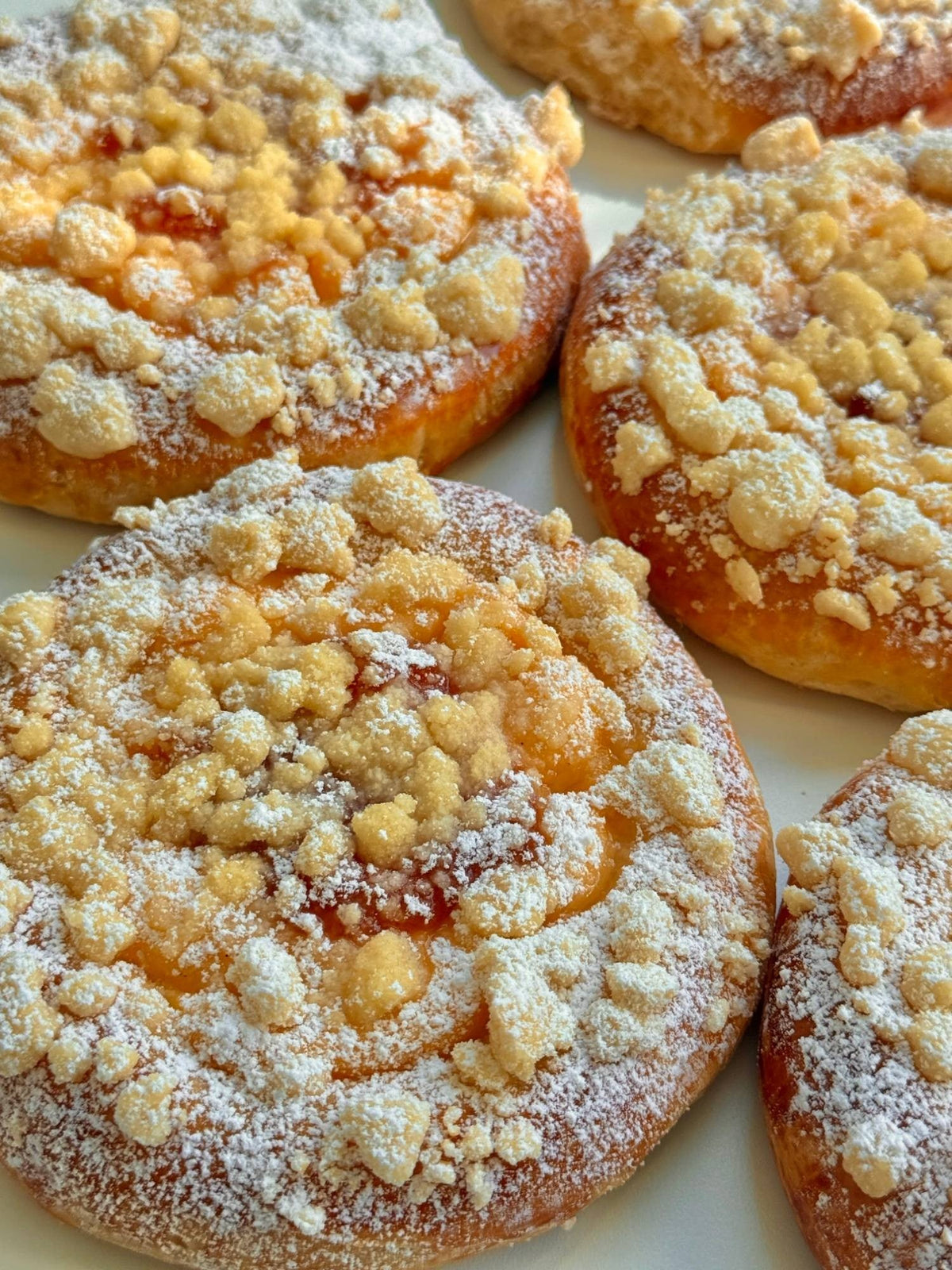
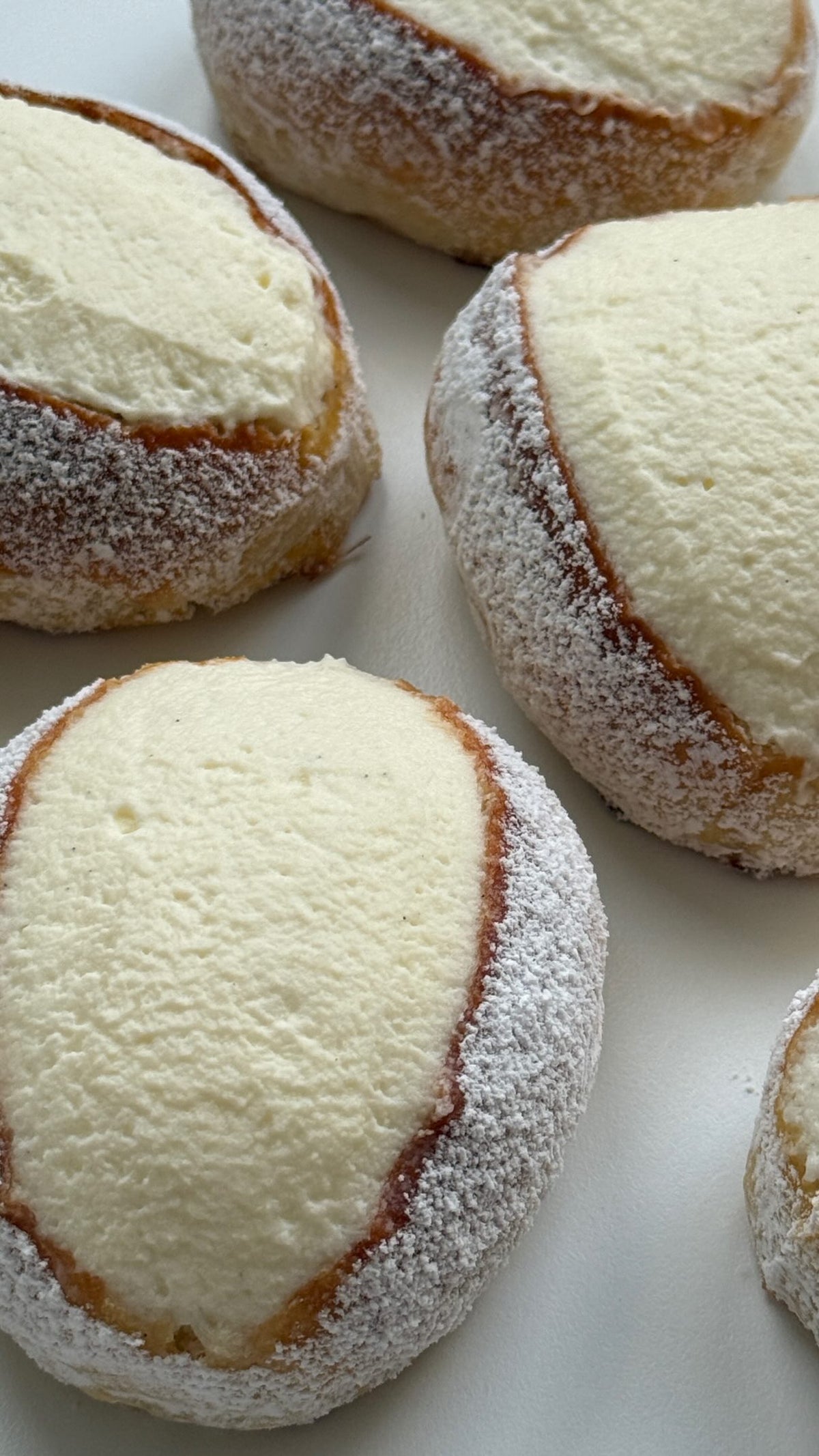
Dividi l'impasto in 8 palline e stendi ciascuna in un rettangolo. Con la sac à poche forma una striscia di crema lungo il lato lungo e aggiungi 4-5 mirtilli. Ripiega e sigilla bene il bordo. Sul lato opposto pratica 5-6 tagli, arrotola e chiudi a ciambella, premendo bene le estremità.

-
4
Disponi le ciambelline sulla teglia, copri e lascia riposare 15-20 min. Spennella con il tuorlo e cuoci a 180 °C / 350 °F (statico) per 20-25 min, finché non sono dorate. Fai raffreddare su una gratella e spolvera con zucchero a velo. La crema avanzata è ottima come dessert al bicchiere con frutta fresca. Le tue ciambelline ai mirtilli e crema sono pronte: dorate fuori, cremose dentro, con una sorpresa fruttata.

Video

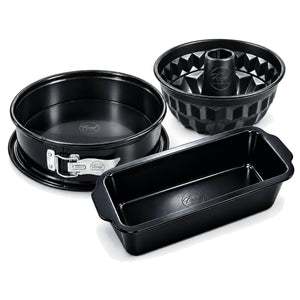
Niente si attacca. Tutto si sforma.
La tua torta esce pulita dallo stampo, ogni volta.
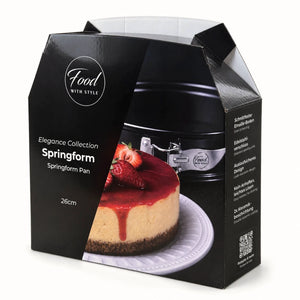
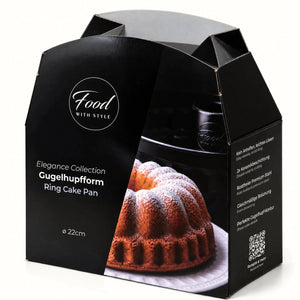
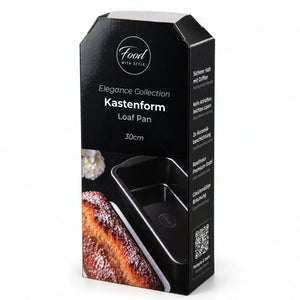
- Doppio antiaderente in ceramica, senza PFAS
- Acciaio alluminato con 10 anni di garanzia
- 1 anno di corso di pasticceria + e‑book incluso
Set per dolci + corso & E-book · 89,90 €
Scopri il set

Food with Style Baking Club
Preparalo passo dopo passo in video
- Corso di pasticceria con 9 moduli e 34 videolezioni
- Chat 1:1 con la Baking Chef di Food with Style
- Chat della Community ed e-book con 100 ricette
Da 14,90 € al mese, disdici quando vuoi ogni mese
FAQ
Domande sugli anelli ai mirtilli con crema
delizioso, testato e pronto a ispirare