
Galettes aux pommes von Food with Style, fertig angerichtet
Galette

Galettes aux pommes

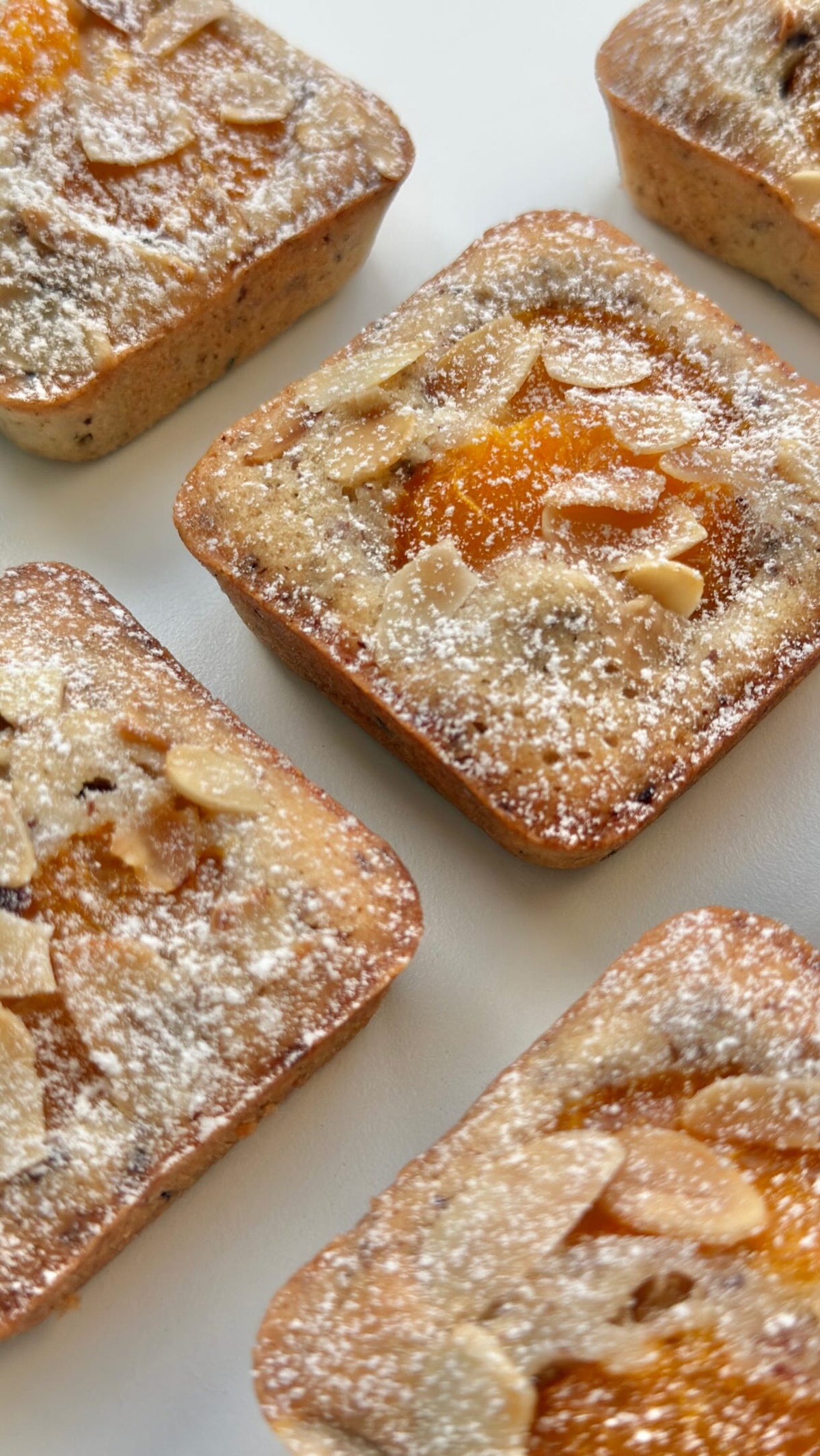
Fines, dorées et joliment brillantes - une élégante pâtisserie aux pommes qui séduit par sa simplicité raffinée. Parfaite pour l'heure du café ou comme...

Partager
Cuisson 25 minutes

Ingrédients

  • Pour la pâte
  • Pour la garniture
  • Pour la dorure et la décoration

Préparation

  1. 1
    Mélangez la farine, le sucre et le sel. Ajoutez les dés de beurre froid et sablez du bout des doigts ou au coupe-pâte jusqu'à obtenir une texture sableuse. Ajoutez le yaourt et pétrissez délicatement, juste assez pour que la pâte s'amalgame. Filmez et laissez reposer au réfrigérateur au moins 30 minutes.
  2. 2
    Épluchez les pommes, retirez le trognon et coupez-les en fines lamelles. Citronnez-les légèrement pour éviter qu'elles ne noircissent. Préchauffez le four à 350°F (180°C).
  3. 3
    Étalez la pâte sur un plan de travail légèrement fariné et découpez 6 disques réguliers (environ 5 inches / 12 cm de diamètre). Déposez chaque disque sur une plaque garnie de papier cuisson et étalez au centre environ 1 teaspoon de confiture d'abricot, en laissant une bordure de ¾-inch (2 cm) tout autour.
  4. 4
    Disposez les lamelles de pommes en éventail (trois petits éventails légèrement superposés) et saupoudrez d'un peu de sucre roux.
  5. 5
    Rabattez les bords de la pâte sur environ ½ inch (1 cm) vers l'intérieur, sur les pommes. Badigeonnez légèrement les bords avec le jus de pomme citronné et parsemez d'amandes effilées.
  6. 6
    Enfournez 25-30 minutes, jusqu'à ce que les galettes soient bien dorées.
  7. 7
    Encore tièdes, badigeonnez les pommes d'un peu de confiture d'abricot pour un joli brillant. Saupoudrez les bords de sucre glace avant de servir. Une pâtisserie raffinée, digne d'une vitrine de pâtissier - et tout aussi délicieuse.

Video

Galettes aux pommes Questions

The most common cause is overworking the dough after adding the yogurt - knead only until it just comes together, as the recipe says, so the butter stays in visible pieces. Those cold butter pockets are what create the flaky layers, so if the butter softens while you rub it in, chill the dough before rolling. Warm hands and a heavy pastry cutter both work against you here.

Yes - the jam is used twice, once in the filling and once as a glaze after baking, and any smooth, light-colored jam will do the same job. Peach, quince, or apple jelly all glaze well and keep the apples glossy without overpowering them. If your jam has chunks, warm it briefly and press it through a sieve so it brushes on evenly.

Very juicy apples release liquid as they bake, which is why the recipe calls for slightly tart varieties like Elstar or Boskop - they hold their shape better than soft, watery apples. Slice the apples thinly and drain off most of the lemon-juice marinade before arranging them, keeping just a little for brushing the edges. A thin smear of apricot jam under the fruit also helps seal the dough.

The dough is the ideal make-ahead component: wrap it and refrigerate it for a day or two, or cut out the 12 cm circles and stack them between parchment. Slice and toss the apples with lemon juice only shortly before assembling, since they soften and darken as they sit. Assemble, then bake fresh at 180°C so the pastry edges stay crisp.

Keep them loosely covered at room temperature for a day or two rather than in the fridge, which makes buttery pastry limp. To bring back the crispness, warm them for a few minutes in the oven at the same 180°C, then dust with powdered sugar just before serving. Add the powdered sugar only at the end, since it dissolves on the warm apricot glaze.

délicieux, testé et prêt à inspirer
Explorez plus de 400 Recettes Savoureuses