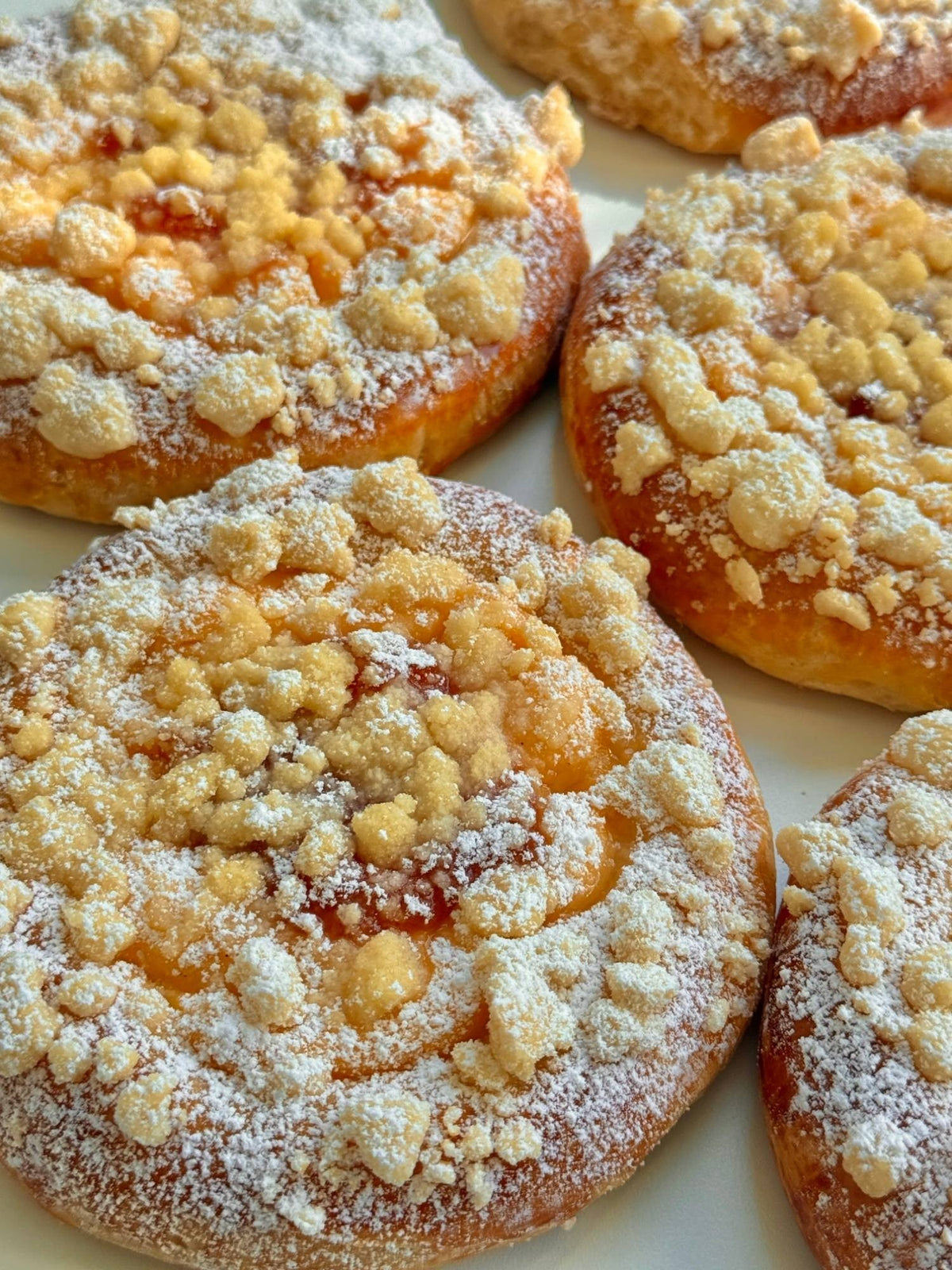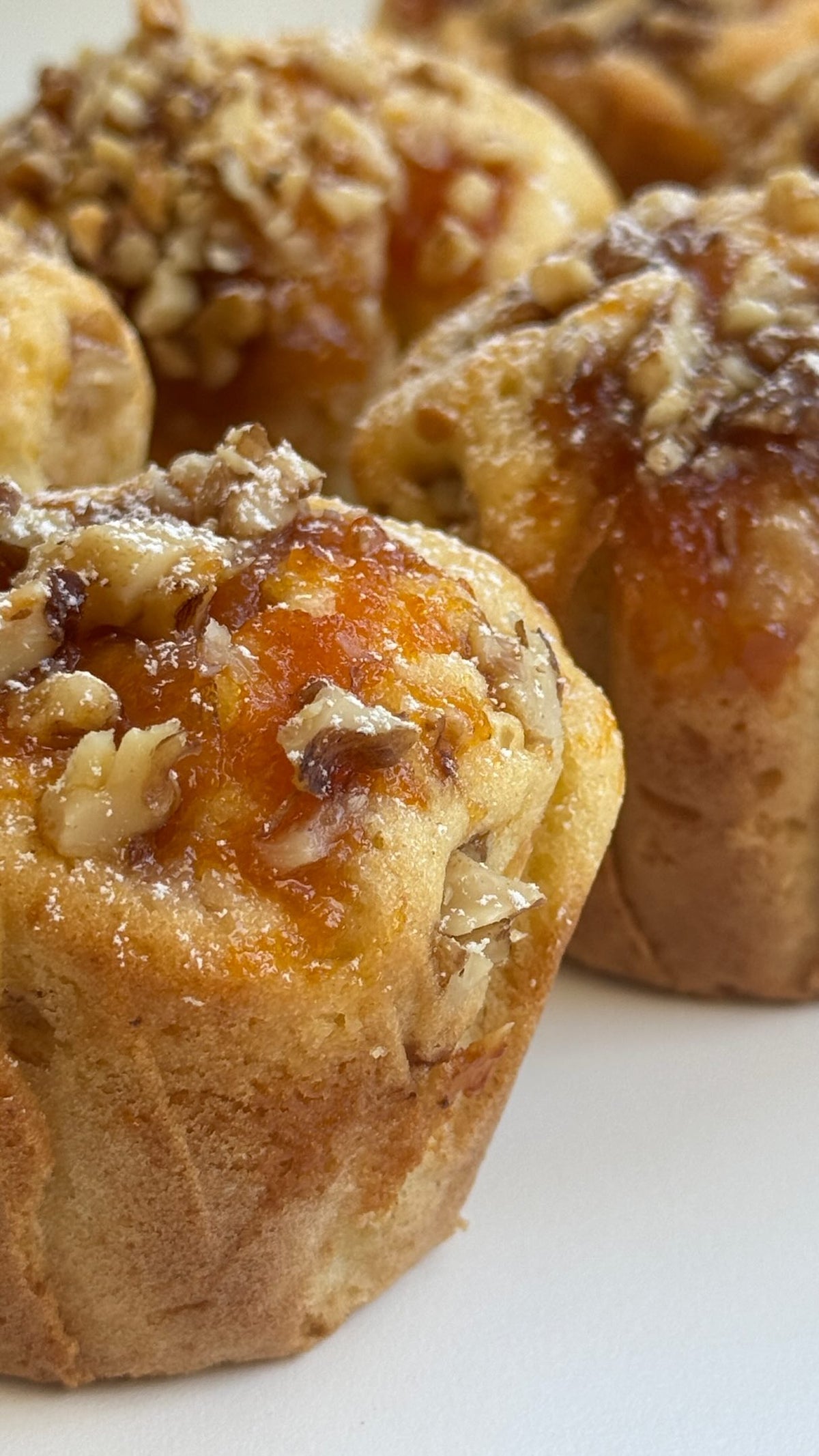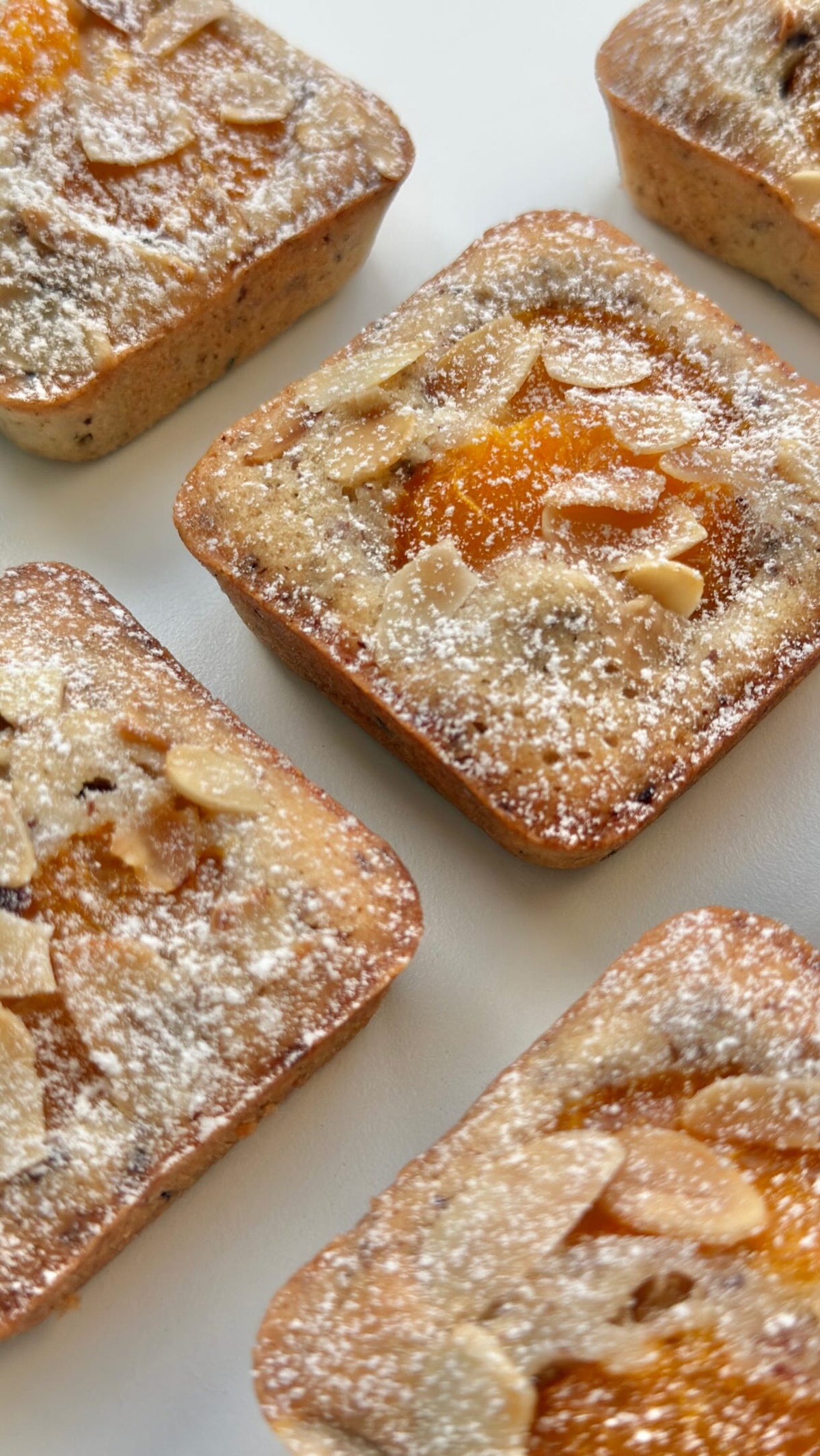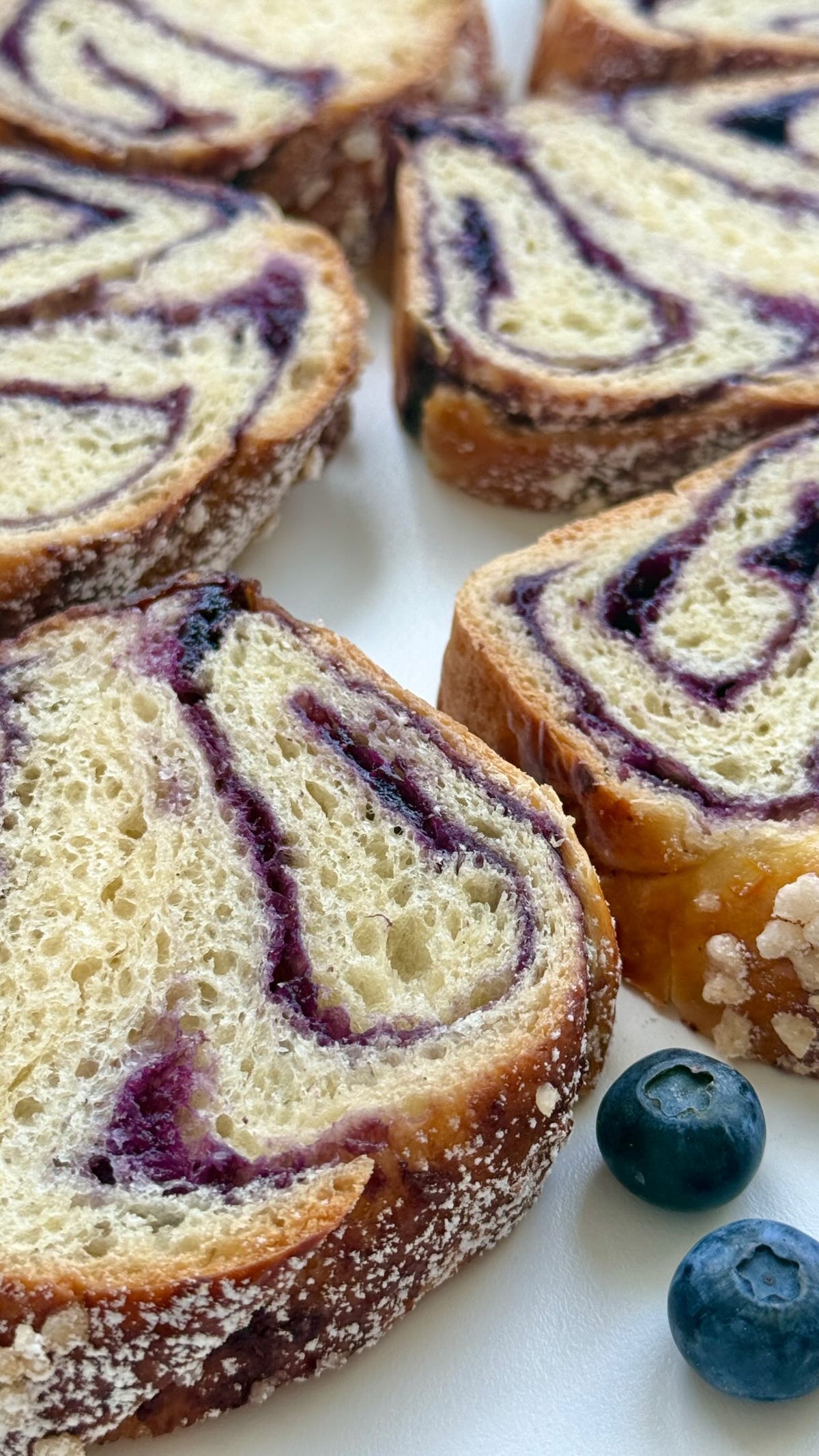
Franzbrötchen von Food with Style, fertig angerichtet
Pastry

Franzbrötchen

Ces Franzbrötchen sont divinement moelleux et dégagent un parfum irrésistible. Parfaits pour tous les gourmands !

Partager
Portions
6 pièces
Préparation 1 heure
Cuisson 15 minutes

Ingrédients

  • Pour la pâte
  • Pour la garniture

Préparation

  1. 1
    Tamisez la farine dans un saladier et creusez un puits au centre. Versez-y la levure, 1 tsp de sucre et 2 à 3 tbsp de lait tiède. Mélangez délicatement et laissez reposer 10 minutes, jusqu'à ce que le mélange mousse.
  2. 2
    Ajoutez le reste du lait, le sucre, l'œuf et le sel dans le saladier. Pétrissez jusqu'à obtenir une pâte lisse. Incorporez le beurre mou en morceaux et continuez à pétrir jusqu'à ce que la pâte devienne élastique. Couvrez et laissez pousser dans un endroit tiède pendant environ 1 heure, jusqu'à ce qu'elle double de volume.
  3. 3
    Dans un autre bol, mélangez la cassonade, la cannelle et le beurre mou jusqu'à obtenir une pâte à tartiner.
  4. 4
    Étalez la pâte sur un plan de travail légèrement fariné en un rectangle d'environ 20 x 30 cm (8 x 12 inches).
  5. 5
    Répartissez uniformément le mélange beurre-cannelle-sucre sur la pâte.
  6. 6
    Roulez la pâte bien serrée en partant du grand côté, puis coupez des tronçons d'environ 5 cm ( 2 inches) de large.
  7. 7
    Posez les tronçons à plat, face coupée vers le bas, sur une plaque recouverte de papier cuisson. À l'aide d'un manche de cuillère en bois, appuyez fermement au centre de chaque pièce pour obtenir la forme traditionnelle des Franzbrötchen.
  8. 8
    Couvrez et laissez pousser encore 30 minutes.
  9. 9
    Préchauffez le four à 180°C (350°F) en chaleur traditionnelle (160°C en chaleur tournante). Enfournez les Franzbrötchen 15 à 18 minutes, jusqu'à ce qu'ils soient bien dorés.
  10. 10
    Badigeonnez les Franzbrötchen tièdes de beurre fondu et laissez-les refroidir sous un torchon. Saupoudrez de sucre à la cannelle ou de sucre glace selon votre goût.

Video

Franzbrötchen Questions

After stirring the yeast with 1 tsp sugar and 2-3 tbsp lukewarm milk in the well, let it sit for 10 minutes as the recipe directs. You should see foam or bubbles on the surface - that means the yeast is alive and the dough will rise. If the mixture stays flat and smooth after 10 minutes, discard it and start again with fresh yeast, since the whole dough depends on this step.

Yes. The recipe already starts the yeast in lukewarm milk with a little sugar, so active dry yeast works in the same amount and simply needs the full 10 minutes to foam. Fresh yeast also works - crumble it into the milk in the well and stir until dissolved. Whichever you use, keep the milk lukewarm, not hot, or you will kill the yeast.

This usually happens when the butter in the filling is too soft or the dough is rolled too loosely. Mix the brown sugar, cinnamon, and butter into a spreadable paste rather than a runny one, and spread it evenly so no thick pockets form. Roll the dough tightly from the long side, and always bake on parchment paper as the recipe says - some caramel escaping is normal and lifts right off the paper.

Yes. Knead the dough through the butter stage, then cover it and let it rise slowly in the fridge overnight instead of at room temperature. The next morning, let it come back to room temperature before rolling it into the 20 x 30 cm rectangle, otherwise the cold dough will crack and the butter filling won't spread. Then continue with shaping, the 30-minute rise, and baking as written.

Let them cool completely, then keep them in an airtight container at room temperature - the butter in both the dough and the filling keeps them tender for a couple of days. To refresh them, warm them briefly in the oven at the same 180°C (350°F) until the filling softens again. They also freeze well once cooled; thaw and reheat the same way.

délicieux, testé et prêt à inspirer
Explorez plus de 400 Recettes Savoureuses