



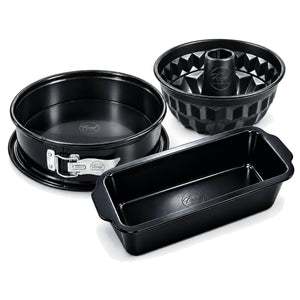

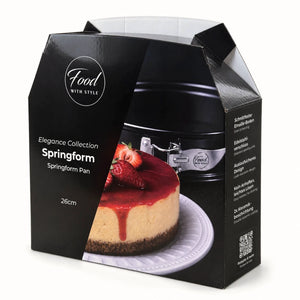

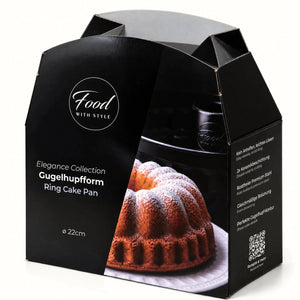

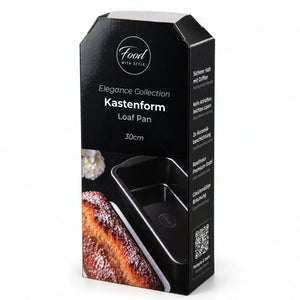


Moule
cm
cm
Unités
Cuisson
55 minutes
Ingrédients
- Pour le caramel
- Pour l'appareil à crème
Préparation
-
1
Préchauffer le four à 160 °C / 320 °F (chaleur voûte/sole). Préparer un grand plat à rôtir pour le bain-marie.

-
2
Faire chauffer le sucre et l'eau dans une petite casserole sans remuer, jusqu'à obtenir un caramel doré. Le verser aussitôt dans le moule de 16 cm et l'incliner doucement pour en napper le fond de façon régulière. Laisser figer.

-
3
Faire chauffer le lait jusqu'à ce qu'il soit bien chaud, sans le porter à ébullition. Retirer du feu et laisser tiédir légèrement.

-
4
Dans un saladier, fouetter délicatement les œufs, le sucre, la vanille et le sel juste pour les mélanger. Ne pas incorporer d'air.

-
5
Verser lentement le lait tiède sur le mélange aux œufs tout en remuant doucement.

-
6
Passer l'appareil au chinois ou à la passoire fine dans un saladier propre. Pour une texture particulièrement soyeuse, filtrer l'appareil 2 à 3 fois, jusqu'à ce qu'il soit parfaitement lisse, sans bulles ni particules.

-
7
Verser délicatement l'appareil à crème sur le caramel figé.

-
8
Poser le moule dans le grand plat à rôtir et verser de l'eau chaude jusqu'à mi-hauteur du moule.

-
9
Enfourner 55 à 65 minutes. Les bords doivent être pris, tandis que le centre tremblote encore légèrement.

-
10
Sortir du four et laisser reposer 10 minutes dans le bain-marie, puis retirer le moule et laisser refroidir complètement.

-
11
Réserver au réfrigérateur au moins 4 heures, idéalement une nuit entière.

-
12
Au moment de servir, décoller les bords et démouler sur une assiette. Le caramel coule naturellement sur la crème. Le caramel restant dans le moule peut être versé par-dessus. Astuce pratique : privilégier un moule d'une seule pièce, sans fond amovible, parfaitement étanche. Avec un moule à charnière, bien isoler le fond avec 2 à 3 couches de papier aluminium remontant sur les bords, afin d'empêcher l'eau de s'infiltrer pendant la cuisson.

Video

Food with Style Baking Club
Fais-le pas à pas en vidéo
- Cours de pâtisserie : 9 modules et 34 leçons vidéo
- Tête-à-tête avec la Baking Chef de Food with Style
- Chat de la Community et e-book de 100 recettes
Dès 14,90 € par mois, résiliable chaque mois
1 an inclus avec le Coffret pâtisserie + cours & Baking Club
FAQ
Questions sur la crème caramel
délicieux, testé et prêt à inspirer