






Portions
Unités
Cuisson
12 minutes

Préparation
-
1
Dans un saladier, mélange soigneusement le sucre et le zeste de citron jusqu'à ce que les arômes soient bien répartis.

-
2
Ajoute la poudre d'amandes et mélange de nouveau jusqu'à obtenir un ensemble homogène.

-
3
Incorpore peu à peu les blancs d'œufs légèrement battus et le jus de citron, jusqu'à obtenir une pâte souple et légèrement collante. Si l'appareil te semble trop mou, ajoute progressivement un peu de poudre d'amandes jusqu'à ce qu'il puisse être façonné.

-
4
Les mains légèrement humides, façonne de petites portions de pâte (environ 25 g chacune) en rectangles légèrement allongés.

-
5
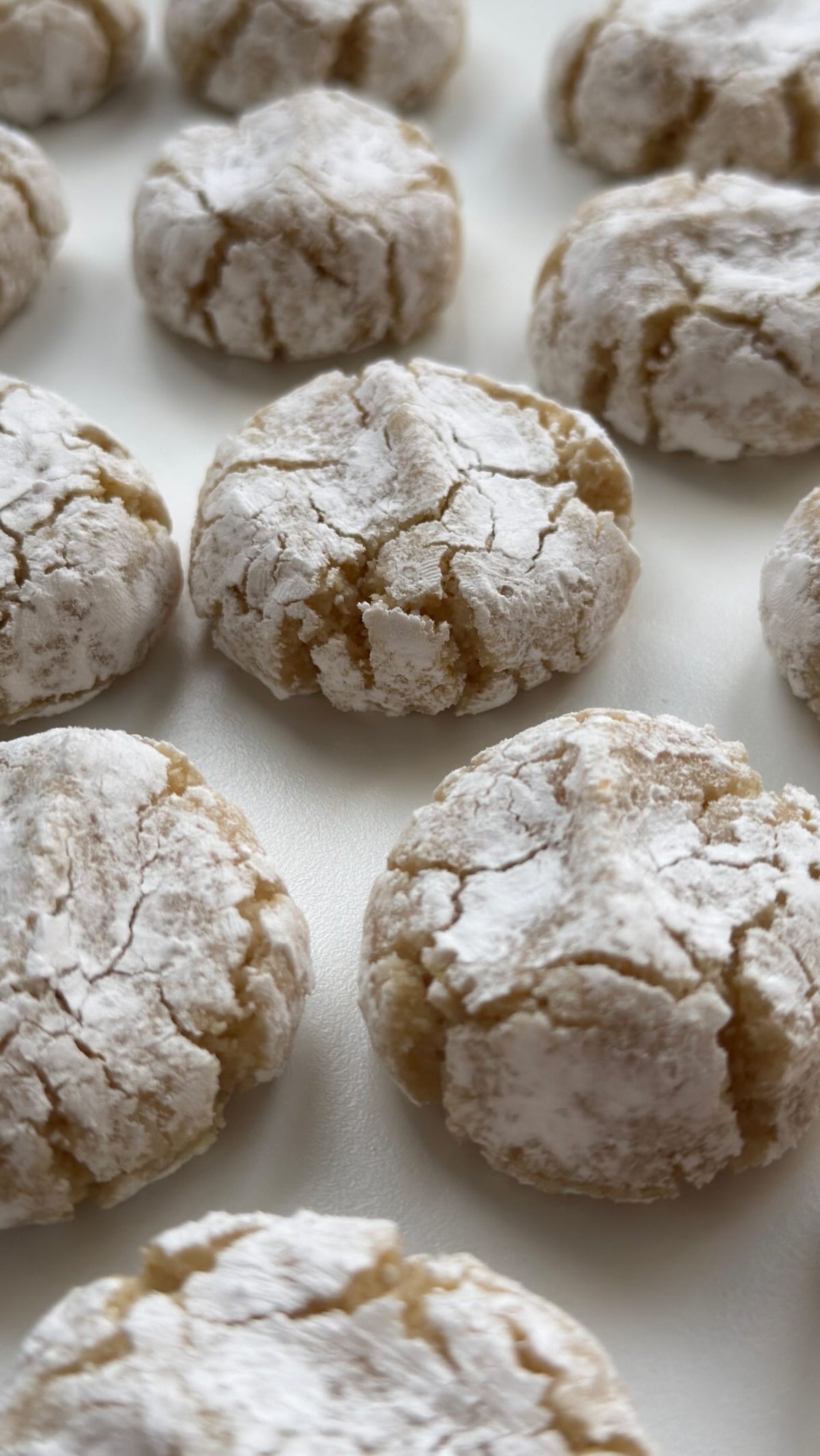
Roule chaque portion rapidement dans le sucre glace, puis dépose-les sur une plaque recouverte de papier cuisson. Avec trois doigts, appuie délicatement au centre pour former la marque caractéristique des Caprilù.

-
6
Enfourne dans un four préchauffé à 170 °C (340 °F) pendant 12-15 minutes. Les biscuits doivent rester clairs et ne pas trop colorer.

-
7
Laisse les biscuits refroidir complètement avant de les manipuler : à la sortie du four ils sont très fragiles et ils se raffermissent en refroidissant. Finement croustillants à l'extérieur, tendres et moelleux à cœur, avec un parfum de citron bien frais - c'est ainsi que sont les Caprilù en Italie.

Video

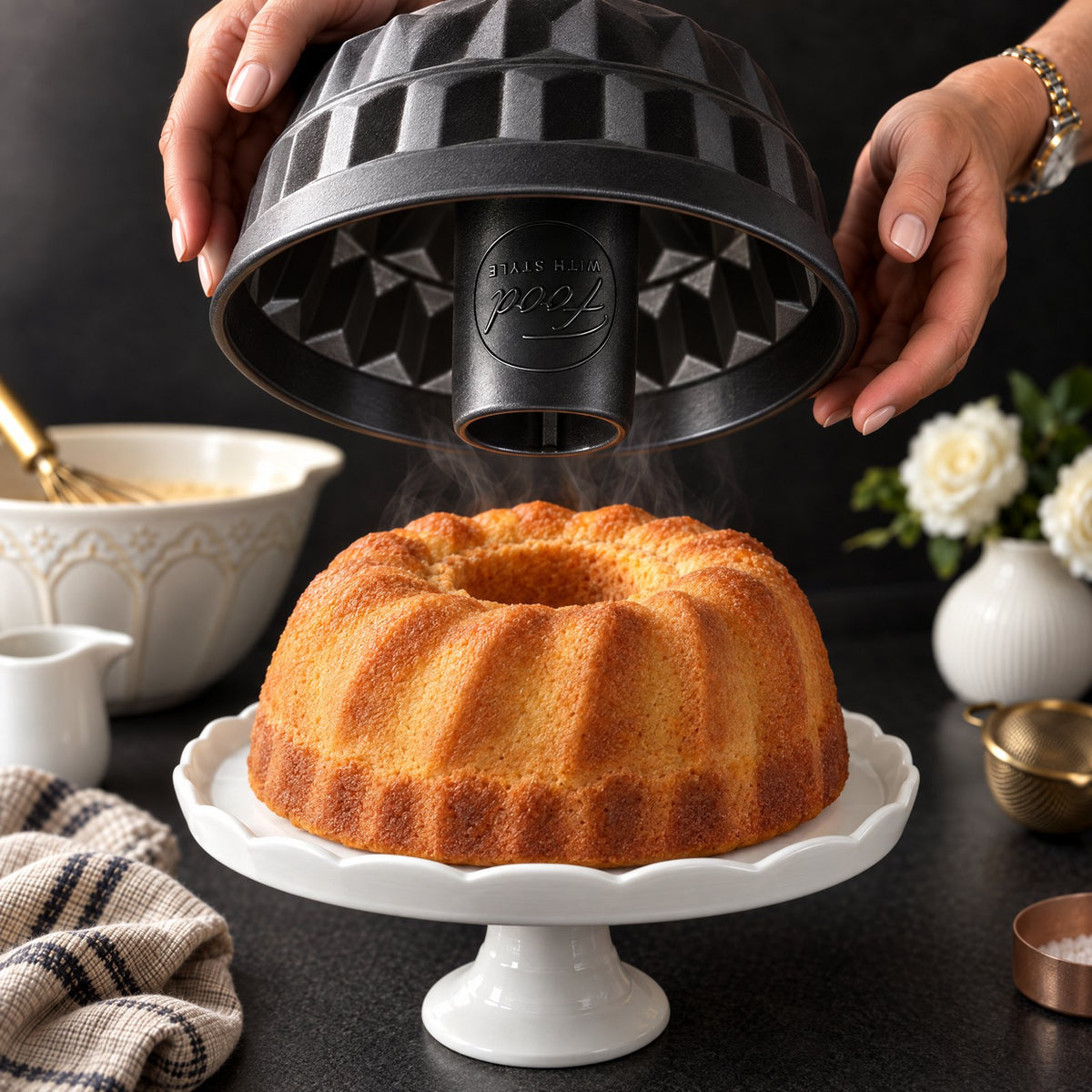
Rien n'accroche. Tout se démoule.
Ton gâteau sort proprement du moule, à chaque fois.
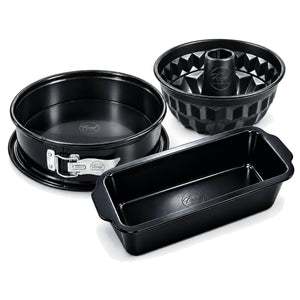
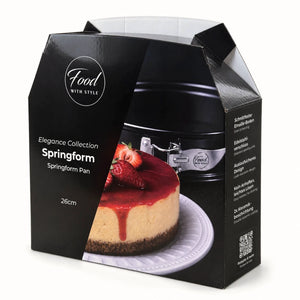
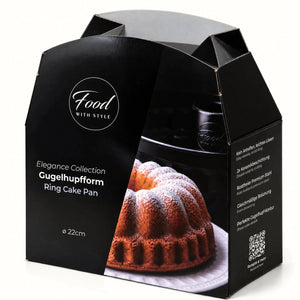
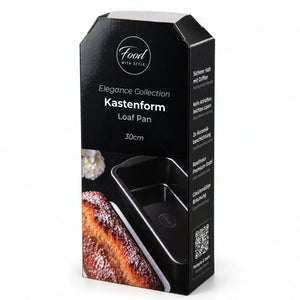
- Double revêtement céramique antiadhésif, sans PFAS
- Acier aluminié, garanti 10 ans
- 1 an de cours de pâtisserie + e‑book inclus
Coffret pâtisserie + cours & E-book · 89,90 €
Voir le coffret

Food with Style Baking Club
Fais-le pas à pas en vidéo
Le module du cours qui va avec : Pâte à cookies
- Cours de pâtisserie : 9 modules et 34 leçons vidéo
- Tête-à-tête avec la Baking Chef de Food with Style
- Chat de la Community et e-book de 100 recettes
Dès 14,90 € par mois, résiliable chaque mois
FAQ
Questions sur les Caprilù al Limone
délicieux, testé et prêt à inspirer