






Portions
Unités
Cuisson
18 minutes

Préparation
-
1
Préchauffe le four à 150 °C (300 °F), chaleur traditionnelle (voûte/sole). Recouvre une plaque de cuisson de papier sulfurisé.

-
2
Torréfie les noisettes sur la plaque pendant 8-10 minutes à 160 °C (320 °F). Concasse-les grossièrement - garde de petits morceaux pour la texture.

-
3
Monte les blancs en neige ferme. Ajoute le sel et continue de battre, puis incorpore le sucre petit à petit jusqu'à obtenir une meringue brillante et bien tenue. Ajoute la vanille.

-
4
Incorpore délicatement les noisettes à la maryse. L'appareil sera épais et collant - c'est exactement ce qu'il faut.

-
5
Chauffe légèrement l'appareil (méthode traditionnelle) Verse-le dans une casserole et remue sur feu doux pendant 2-3 minutes, jusqu'à ce qu'il épaississe un peu. Ne le laisse pas bouillir.

-
6
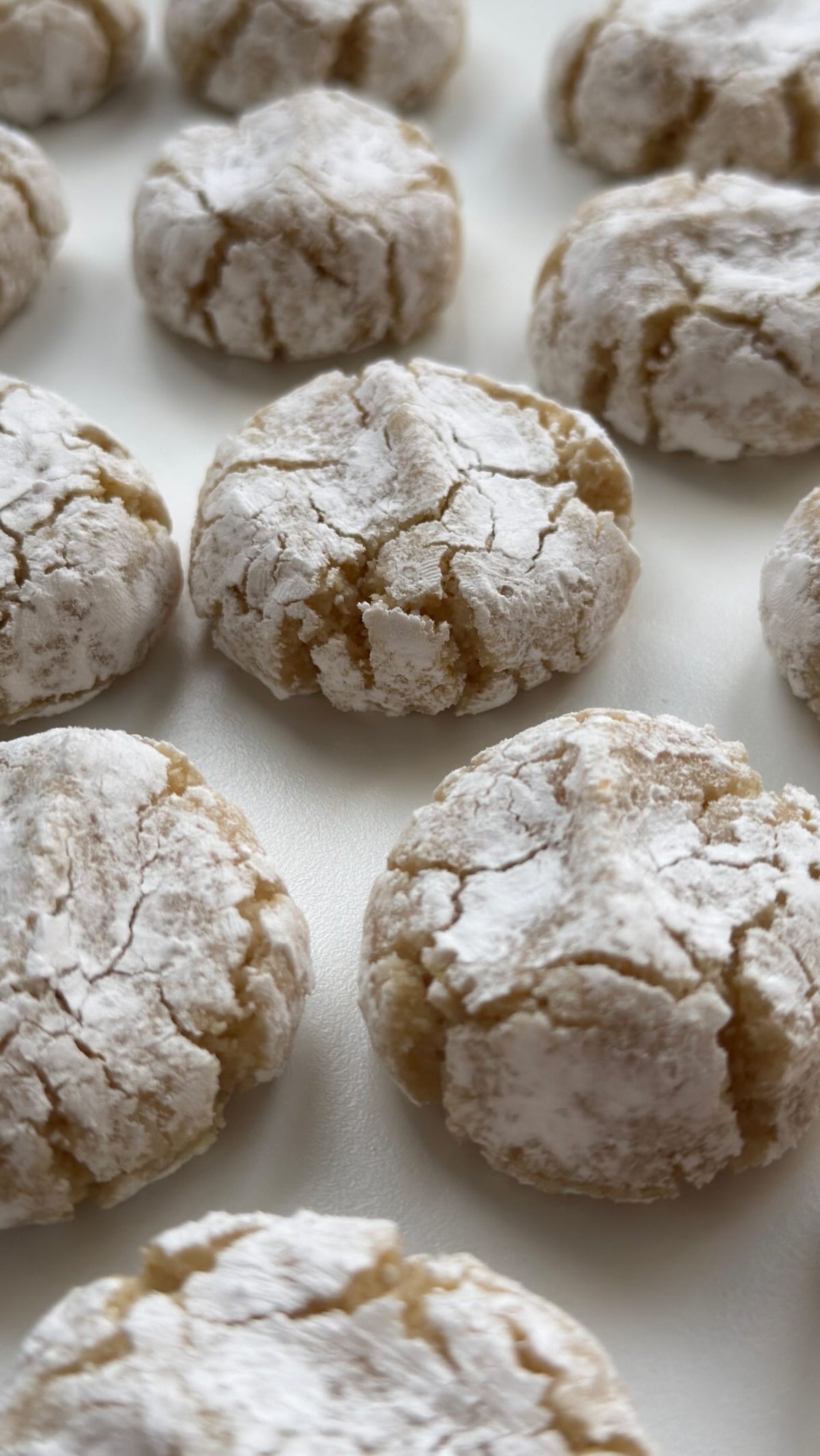
Forme les biscuits À l'aide de deux cuillères à café, dépose des petits tas rustiques et irréguliers sur la plaque - la forme irrégulière fait partie de la tradition.

-
7
Enfourne 18-22 minutes, jusqu'à ce qu'ils soient légèrement dorés à l'extérieur mais encore moelleux à cœur. Ils ne raffermiront que très peu en refroidissant.

-
8
Laisse-les refroidir complètement. Moelleux, bien parfumés à la noisette, rustiques et pleins de charme italien - la petite douceur parfaite avec un café ou un thé.

Video

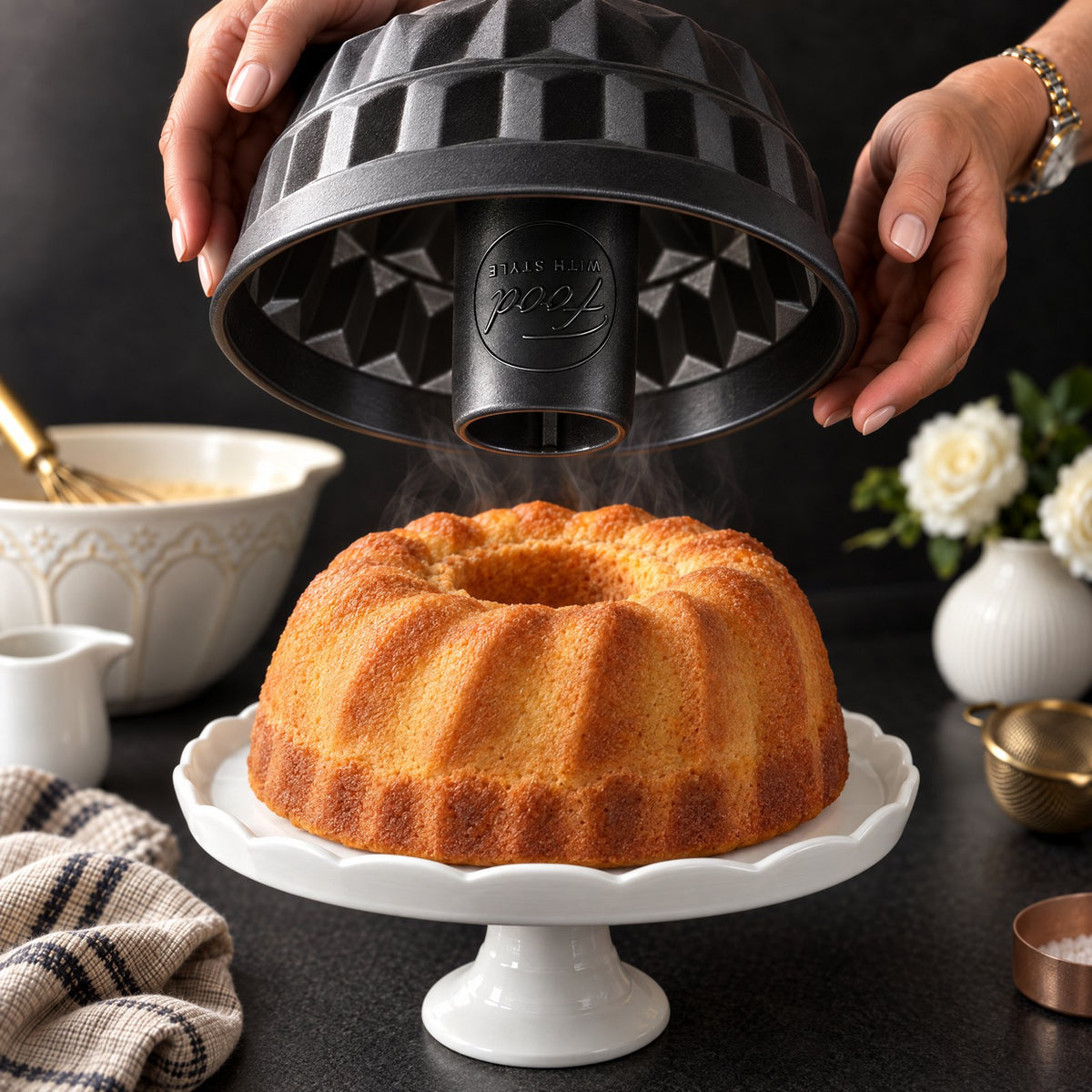
Rien n'accroche. Tout se démoule.
Ton gâteau sort proprement du moule, à chaque fois.
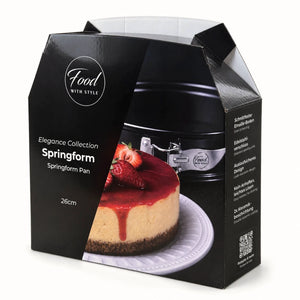
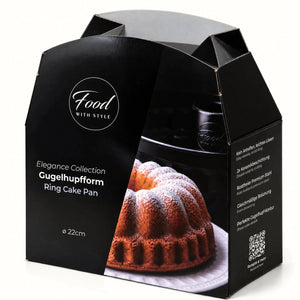
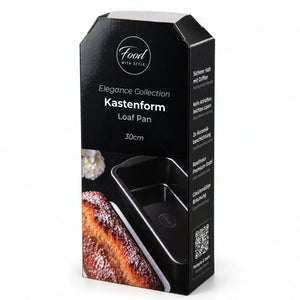
- Double revêtement céramique antiadhésif, sans PFAS
- Acier aluminié, garanti 10 ans
- 1 an de cours de pâtisserie + e‑book inclus
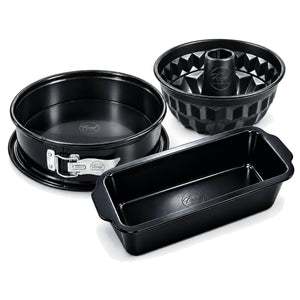
Coffret pâtisserie + cours & E-book · 89,90 €
Voir le coffret

Food with Style Baking Club
Fais-le pas à pas en vidéo
Le module du cours qui va avec : Pâte à cookies
- Cours de pâtisserie : 9 modules et 34 leçons vidéo
- Tête-à-tête avec la Baking Chef de Food with Style
- Chat de la Community et e-book de 100 recettes
Dès 14,90 € par mois, résiliable chaque mois
FAQ
Questions sur les Brutti ma Buoni
délicieux, testé et prêt à inspirer