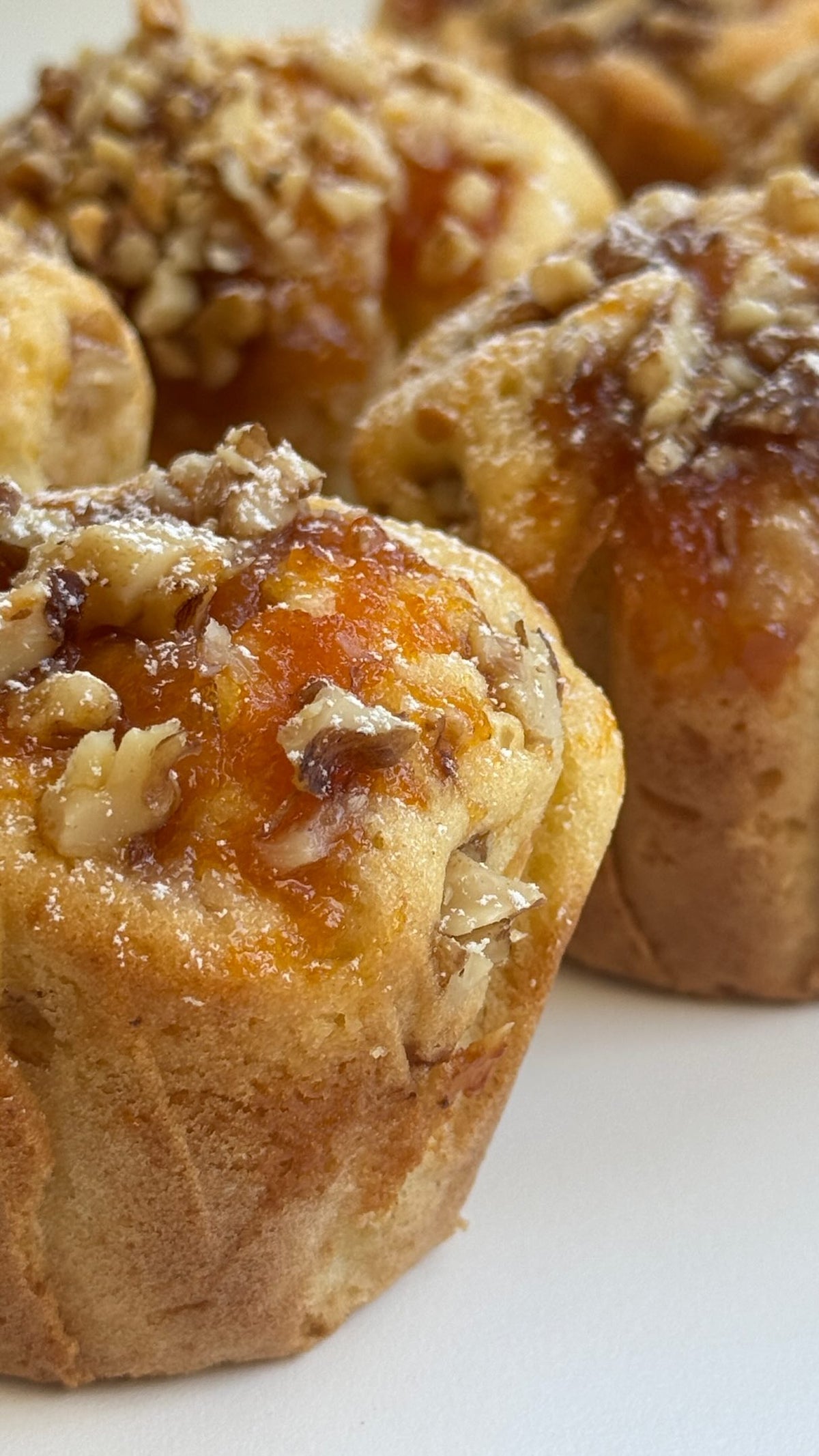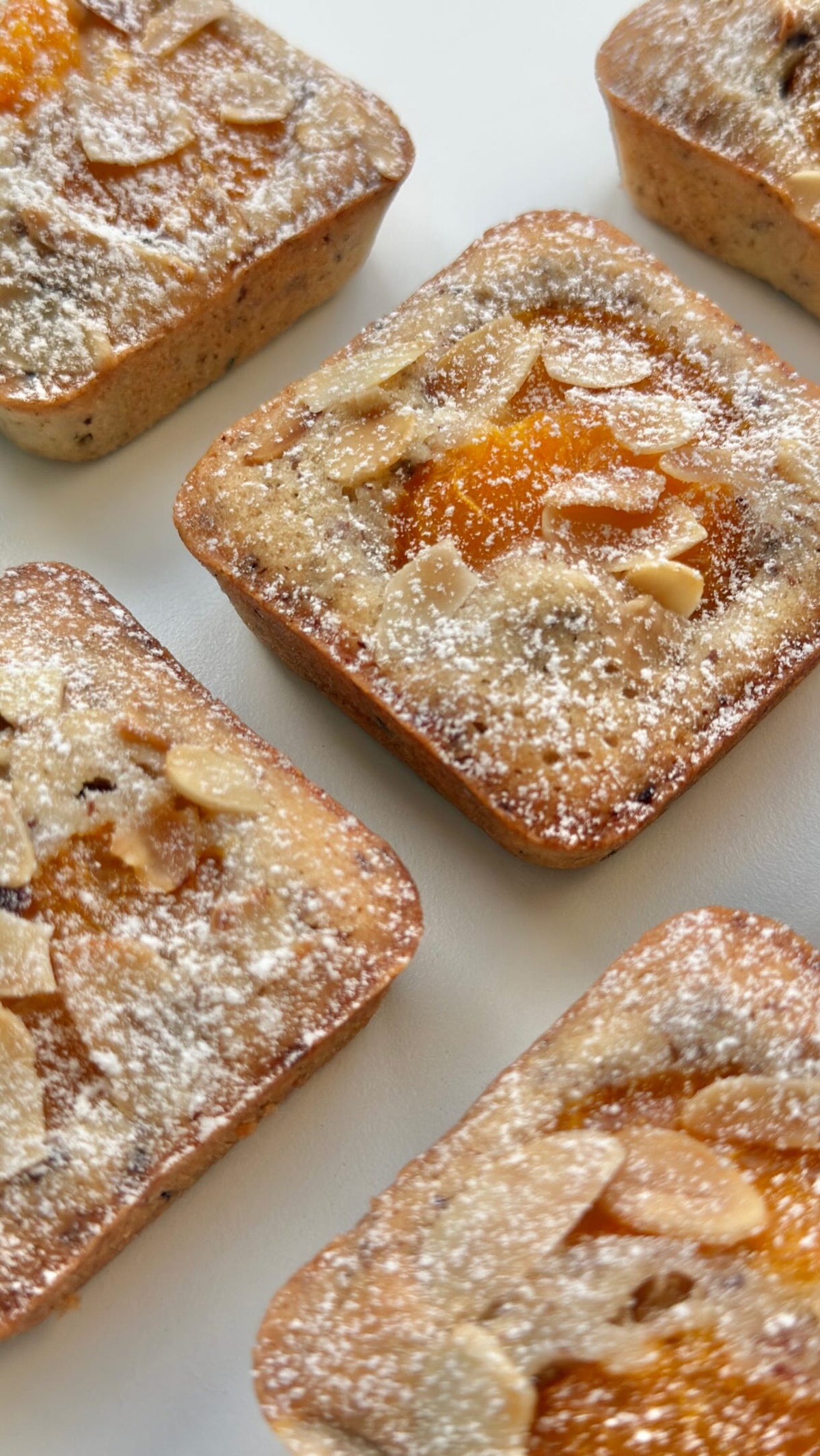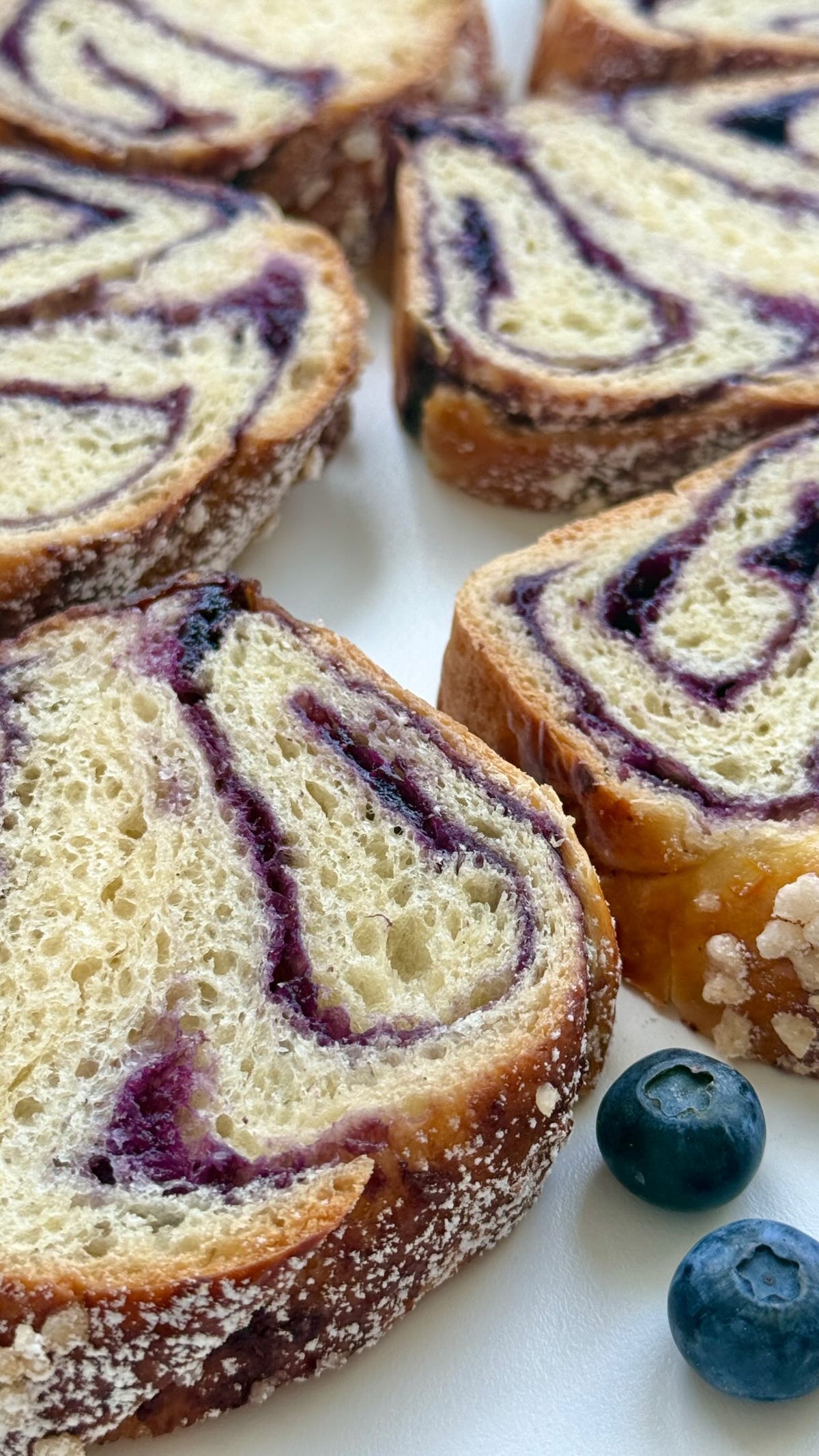

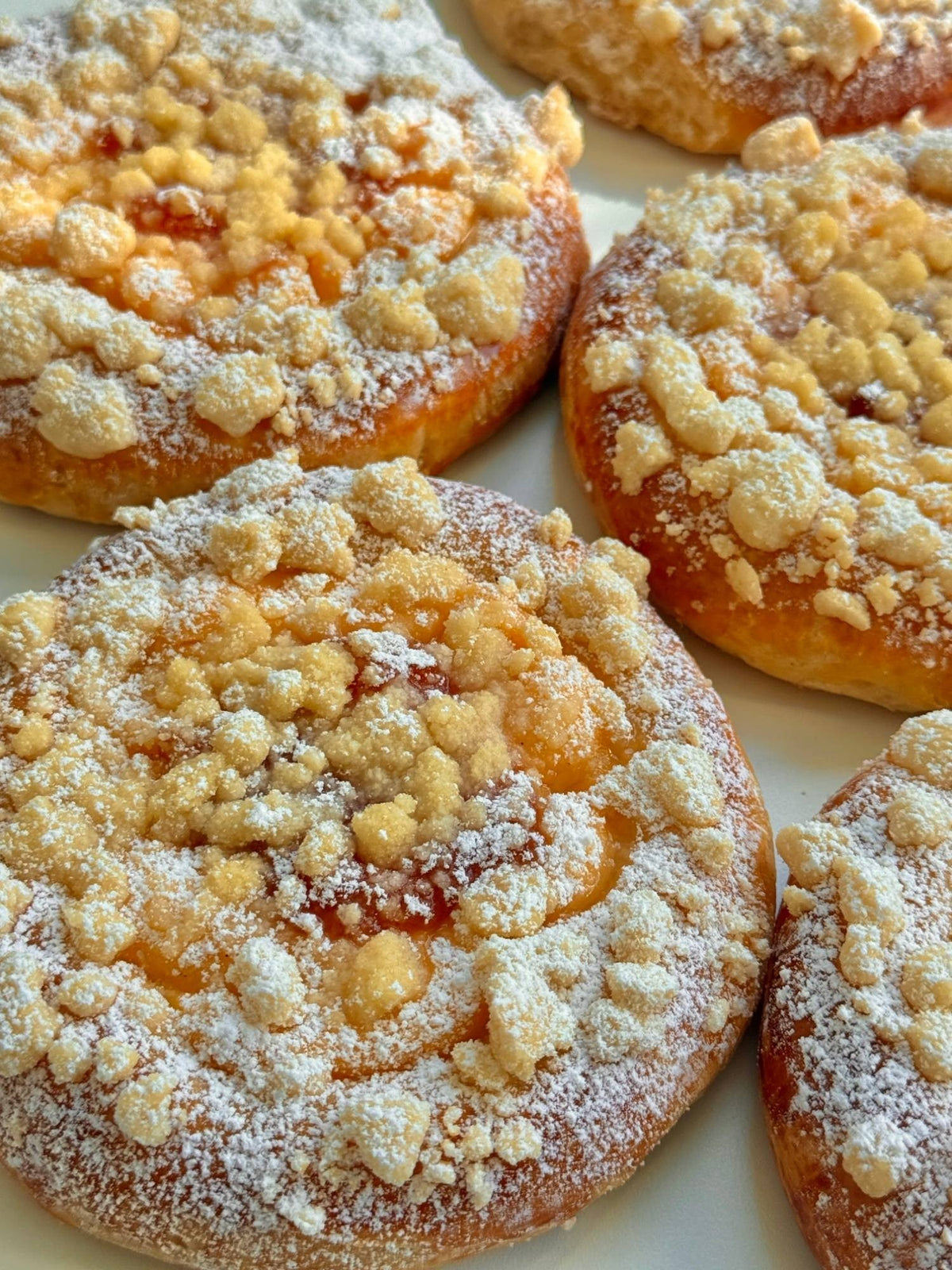
Franzbrötchen von Food with Style, fertig angerichtet
Pastry

Franzbrötchen

Dessa Franzbrötchen är himmelskt mjuka och doftar oemotståndligt. Perfekt för alla som älskar något sött till kaffet!

Dela
Portioner
6 stycken
Förberedelse 1 timme
Tillagning 15 minuter

Ingredienser

  • Till degen
  • Till fyllningen

Gör så här

  1. 1
    Sikta mjölet i en bunke och gör en grop i mitten. Tillsätt jästen, 1 tsp socker och 2-3 tbsp fingervarm mjölk i gropen. Rör om försiktigt och låt stå i 10 minuter tills det skummar.
  2. 2
    Tillsätt resten av mjölken, sockret, ägget och saltet i bunken. Arbeta ihop till en smidig deg. Tillsätt det rumsvarma smöret i bitar och fortsätt knåda tills degen blir elastisk. Täck över och låt jäsa på varm plats i cirka 1 timme, eller tills degen har dubblerats i storlek.
  3. 3
    Blanda farinsocker, kanel och rumsvarmt smör i en separat skål till en smetig, bredbar fyllning.
  4. 4
    Kavla ut degen på lätt mjölad arbetsyta till en rektangel på cirka 20 x 30 cm (8 x 12 inches).
  5. 5
    Bred ut kanelsmöret jämnt över degen.
  6. 6
    Rulla ihop degen hårt från långsidan och skär i bitar på cirka 5 cm ( 2 inches).
  7. 7
    Lägg bitarna med snittytan nedåt på en plåt med bakplåtspapper. Tryck bestämt ner mitten på varje bit med ett smalt trähandtag, så att de får sin typiska Franzbrötchen-form.
  8. 8
    Täck över och låt jäsa ytterligare 30 minuter.
  9. 9
    Sätt ugnen på 180°C (350°F) över- och undervärme (160°C varmluft). Grädda dina Franzbrötchen i 15-18 minuter tills de är gyllenbruna.
  10. 10
    Pensla de varma bullarna med smält smör och låt dem svalna under en bakduk. Strö över kanelsocker eller florsocker om du vill.

Video

Franzbrötchen Questions

After stirring the yeast with 1 tsp sugar and 2-3 tbsp lukewarm milk in the well, let it sit for 10 minutes as the recipe directs. You should see foam or bubbles on the surface - that means the yeast is alive and the dough will rise. If the mixture stays flat and smooth after 10 minutes, discard it and start again with fresh yeast, since the whole dough depends on this step.

Yes. The recipe already starts the yeast in lukewarm milk with a little sugar, so active dry yeast works in the same amount and simply needs the full 10 minutes to foam. Fresh yeast also works - crumble it into the milk in the well and stir until dissolved. Whichever you use, keep the milk lukewarm, not hot, or you will kill the yeast.

This usually happens when the butter in the filling is too soft or the dough is rolled too loosely. Mix the brown sugar, cinnamon, and butter into a spreadable paste rather than a runny one, and spread it evenly so no thick pockets form. Roll the dough tightly from the long side, and always bake on parchment paper as the recipe says - some caramel escaping is normal and lifts right off the paper.

Yes. Knead the dough through the butter stage, then cover it and let it rise slowly in the fridge overnight instead of at room temperature. The next morning, let it come back to room temperature before rolling it into the 20 x 30 cm rectangle, otherwise the cold dough will crack and the butter filling won't spread. Then continue with shaping, the 30-minute rise, and baking as written.

Let them cool completely, then keep them in an airtight container at room temperature - the butter in both the dough and the filling keeps them tender for a couple of days. To refresh them, warm them briefly in the oven at the same 180°C (350°F) until the filling softens again. They also freeze well once cooled; thaw and reheat the same way.

läckra, testade och redo att inspirera
Utforska 400+ Smakfulla Idéer