

Olive Oil Cake Recipe
Cake

Olive Oil Cake Recipe

Discover the delightful world of desserts with our easy Olive Oil Cake recipe! This moist and flavorful treat features a wonderful blend of olive...

Share
Servings
6 servings
Prep Time 20 minutes
Cook Time 40 minutes

Ingredients

  • For the Olive Oil Cake
  • For the Crunchy Top (optional)

Directions

  1. 1
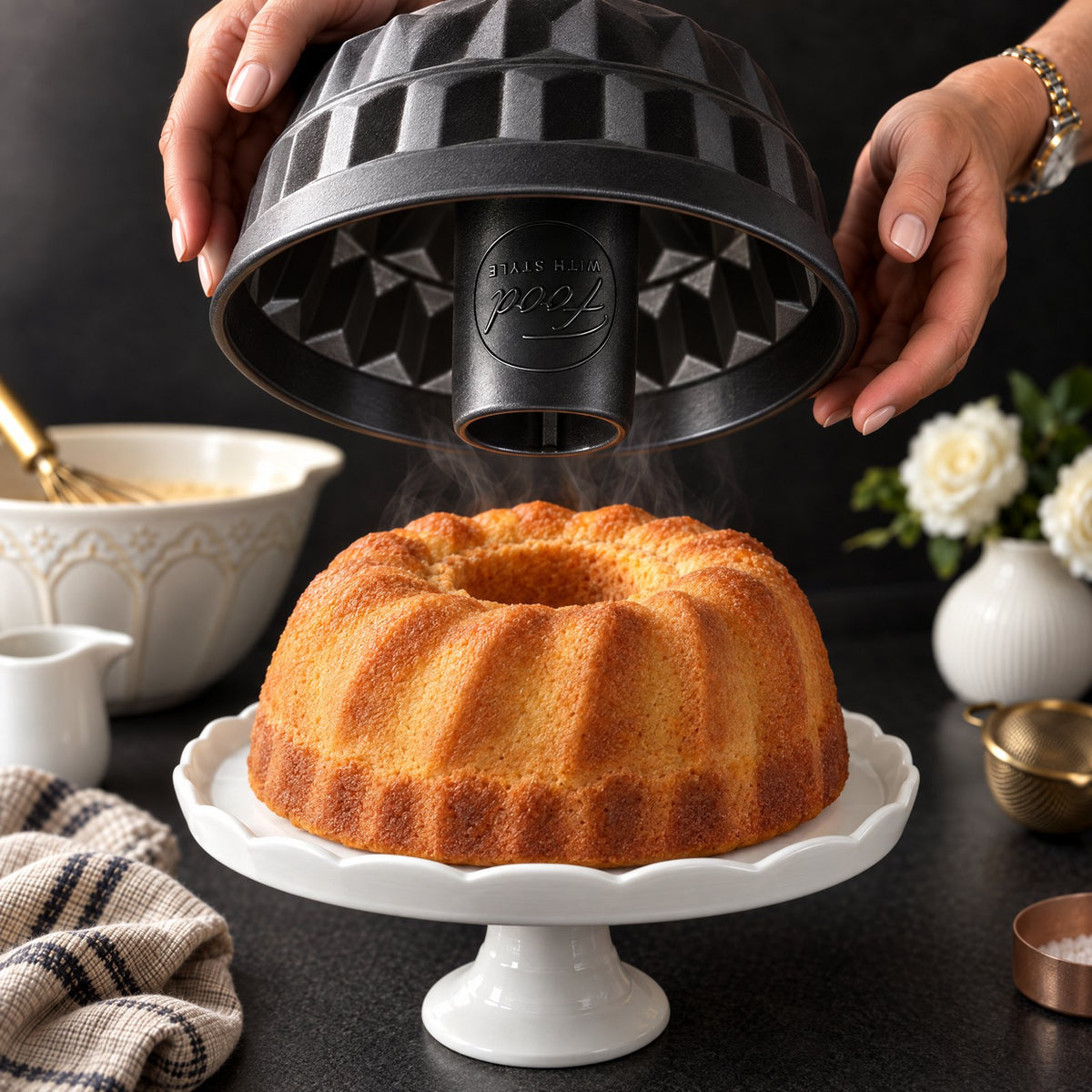
    Preheat your oven to 170°C (Umluft) and grease an 20cm round baking pan.
  2. 2
    In a mixing bowl, beat the eggs and granulated sugar until creamy using a kitchen machine or a hand mixer.
  3. 3
    Slowly incorporate the olive oil in about 4 steps, mixing well after each addition.
  4. 4
    Add the lemon zest and juice, then gradually pour in the milk while continuing to mix.
  5. 5
    Sift in the all-purpose flour and baking powder. Mix until all the ingredients are well combined.
  6. 6
    Pour the batter into the prepared baking pan.
  7. 7
    Optional: Sprinkle 2 tablespoons of granulated sugar on top to create a crunchy texture.
  8. 8
    Bake the cake for approximately 40 minutes or until a toothpick inserted into the center comes out clean.
  9. 9
    Let the cake cool in the pan for a few minutes before transferring it to a wire rack to cool completely.

Video

Olive Oil Cake Questions

Olive oil cake is distinct from traditional cakes primarily due to its use of olive oil as the fat source instead of butter. This substitution not only enhances the cake's moistness but also imparts a rich flavor that is complemented by the subtle notes of lemon and other citrus elements. The use of olive oil can create a denser but tender crumb, providing a unique texture that contrasts with lighter, airier cakes made with butter. Additionally, olive oil offers a healthier fat alternative, containing monounsaturated fats and antioxidants, making it a more wholesome choice for cake lovers seeking indulgence without compromising their health.

To achieve a perfectly moist and flavorful olive oil cake, consider the quality of your ingredients as they play a pivotal role in the outcome. Using high-quality extra virgin olive oil not only contributes to flavor depth but can also impact the texture of the cake. Additionally, be mindful of not overmixing the batter once the flour is added, as this can lead to a tougher texture. Another key tip is to measure your ingredients accurately: using a kitchen scale ensures you're getting the right quantities, which is crucial for achieving the right consistency. Lastly, incorporating fresh lemon zest and juice not only brightens the flavor but also adds moisture, enhancing the overall taste of the cake.

Absolutely! One of the wonderful aspects of olive oil cake is its versatility. While this recipe features lemon, you can easily swap in other citrus fruits like orange or lime for a different flavor profile. Adding fresh herbs like rosemary or thyme can also create an aromatic twist. For a sweeter touch, consider folding in ingredients like chocolate chips, nuts, or dried fruits such as cranberries or raisins. To experiment with spices, try incorporating a dash of cinnamon or nutmeg to add complexity. These small adjustments can significantly elevate your cake, allowing you to tailor it to suit your personal preferences or thematic occasions.

To keep your leftover olive oil cake fresh and delicious, it’s important to store it properly. Allow the cake to cool completely after baking before storing it. If you plan to enjoy it within a few days, wrap the cake tightly in plastic wrap or foil and place it in an airtight container at room temperature. This method helps retain the cake's moisture and prevents it from drying out. For longer storage, consider refrigerating the cake, especially in warmer climates, which can prolong its freshness. If you have a large quantity of leftovers, you can also freeze slices of the cake. Just make sure to wrap them individually in plastic wrap and then place them in a freezer-safe bag, ensuring you can enjoy a delightful slice at a future date.

Olive oil cake can be adapted to meet various dietary needs with some simple modifications. For those following a dairy-free diet, you can substitute the milk with almond milk, soy milk, or coconut milk, ensuring a similar texture and moisture level. For gluten-free options, using a gluten-free all-purpose flour blend can yield satisfying results while accommodating those with gluten sensitivities. Additionally, if you prefer a lower sugar version, you can reduce the granulated sugar or replace it with a natural sweetener like maple syrup or agave nectar, keeping in mind to adjust the liquid content accordingly. These adjustments make olive oil cake an inclusive choice that can cater to a wide variety of dietary preferences without sacrificing flavor or enjoyment.