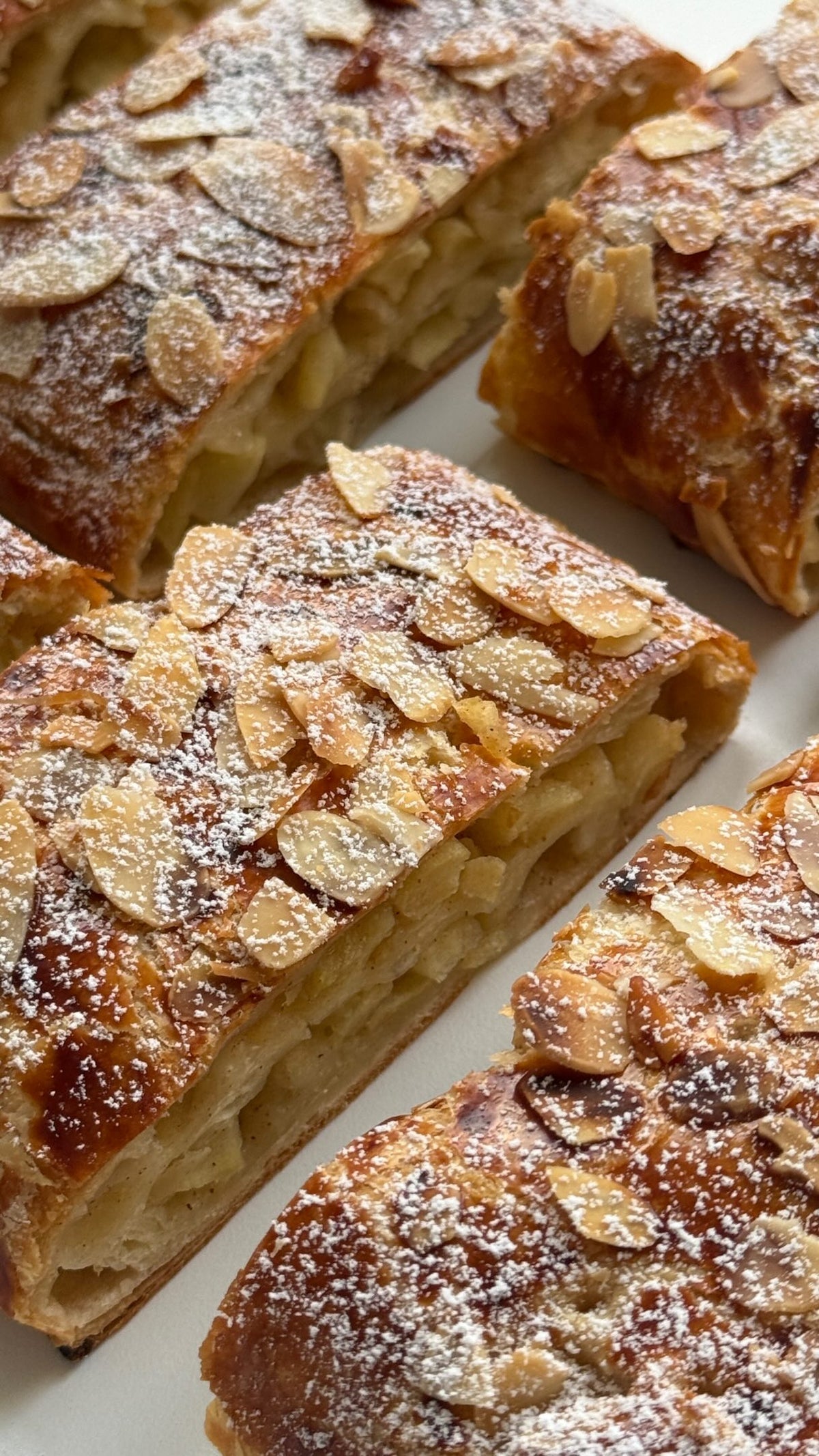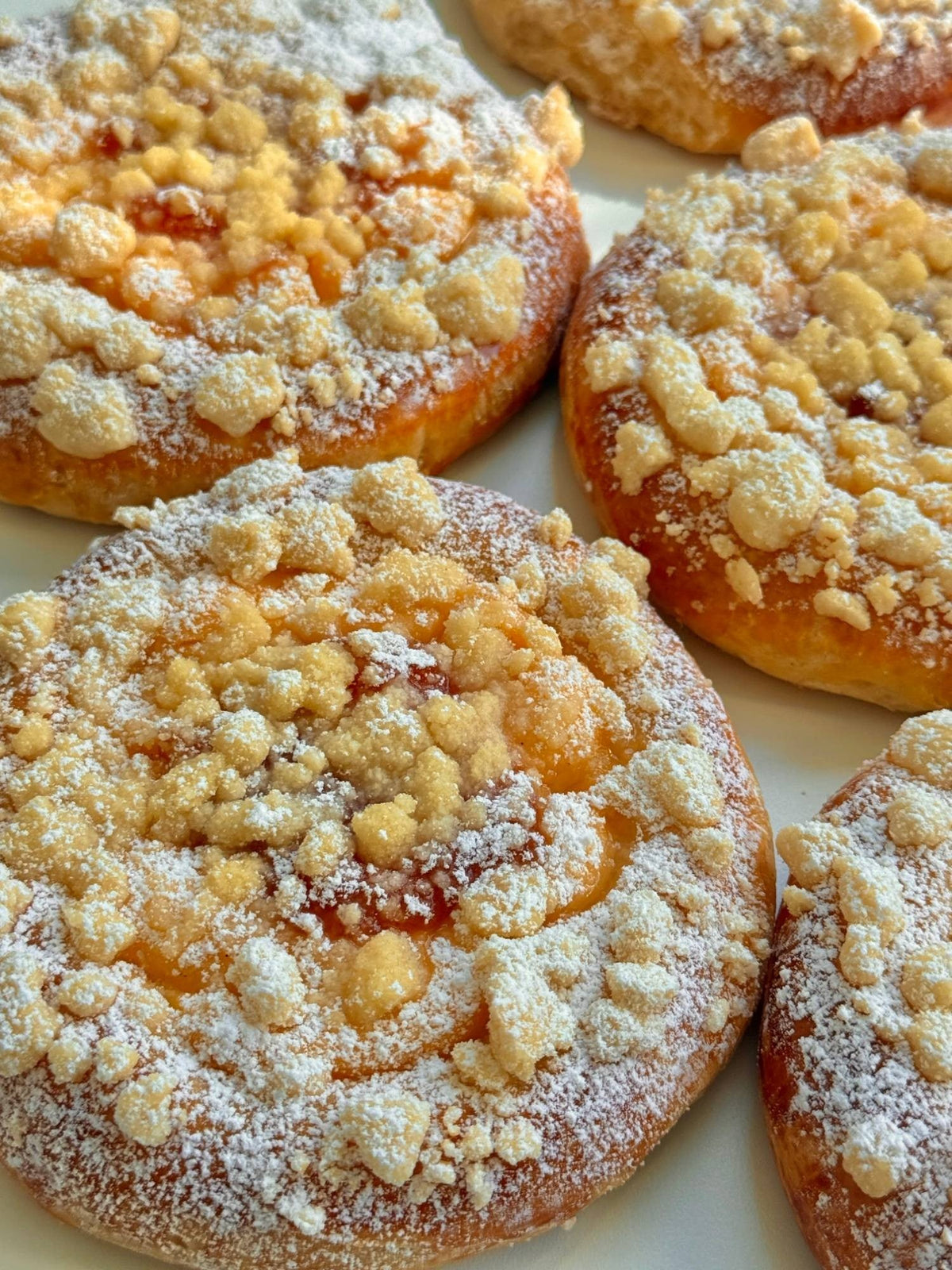


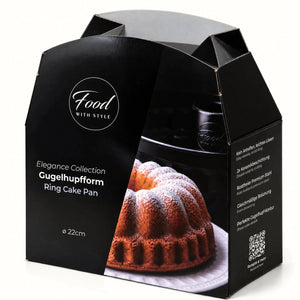
Cinnamon Roll Cake von Food with Style, fertig angerichtet
Brioche

Cinnamon Roll Cake

Cinnamon rolls baked as a cake - moist, buttery, and full of fine cinnamon flavor in every layer.

Share
Pan
cm
Prep Time 1 hour
Cook Time 30 minutes

Ingredients

Directions

  1. 1
    Put the flour in a bowl and press a well into the center. Add the yeast, along with 1 tsp of the sugar and 2-3 tbsp of the lukewarm milk. Stir briefly and wait until it foams nicely.
  2. 2
    Add the remaining sugar and milk, the egg, salt, and vanilla, and knead into a dough. Once the dough comes together, work in the soft butter last, piece by piece, and keep kneading until smooth. Cover and let rise about 45-60 min, until doubled.
  3. 3
    For the filling, stir the butter, sugar, cinnamon, flour, and cocoa into a smooth paste.
  4. 4
    Roll out the dough into a rectangle (approx. 28 x 38 cm / 11 x 15 in). Spread the cinnamon paste evenly, leaving about 1 cm free at the edges.
  5. 5
    Cut into lengthwise strips (approx. 4-5 cm / 2 in wide). Roll up the first strip loosely and place it in the center of the springform pan. Add the other strips one by one around it, until the pan is filled.
  6. 6
    Cover and let rise about half an hour. Preheat the oven to 175 °C (350 °F), top/bottom heat.
  7. 7
    Before baking, lightly dab the surface with a little milk or cream.
  8. 8
    Bake about 30-35 min, until golden brown.
  9. 9
    Let cool a little. For the glaze, stir the powdered sugar with milk spoon by spoon until creamy. Drizzle over the lukewarm cake in stripes.

Video

Food with Style Baking Club

Food with Style Baking Club

Bake it step by step on video

Matching course module: Sweet Yeast Dough

  • Baking course with 9 modules and 34 video lessons
  • 1:1 chat with the Food with Style Baking Chef
  • Community chat and E-Book with 100 recipes
Discover the Baking Club

From 14,90 € a month, cancel any month

7 days free with the Starter Baking Set

FAQ

Cinnamon Roll Cake Questions

Yes, you can! After kneading, cover the dough and let it rest in the fridge overnight instead of rising at room temperature. Next day, let it warm up a bit, then continue with the filling and shaping. Just give it enough time to puff up again before baking, since cold dough rises more slowly.

Stick with dry yeast for this recipe, since the amounts are made for it. If you need a dairy-free version, a plant-based milk with a similar consistency usually works, and you can use a plant-based butter for the soft butter. The dough may turn out a touch different in flavor and softness, but it should still come together nicely.

A soft, slightly tacky dough is normal here because of the egg and the butter. Don't add lots of extra flour, or the cake can turn dry. Keep kneading until the dough turns smooth, and use only a light dusting of flour on your work surface when rolling it out.

Make sure the filling is a smooth, spreadable paste and keep the small border free at the edges, so it stays inside when you roll. Roll the strips up loosely and not too tight, so the swirls have room to expand as they rise. The tablespoon of flour in the filling helps it stay put instead of running.

Cover the cake well and keep it at room temperature, ideally for a day or two, so the crumb stays soft. If it feels a little firm, warm single pieces briefly in the oven or microwave to bring back that cozy, fresh-baked feel. You can also freeze unglazed pieces and add the glaze after thawing and warming.