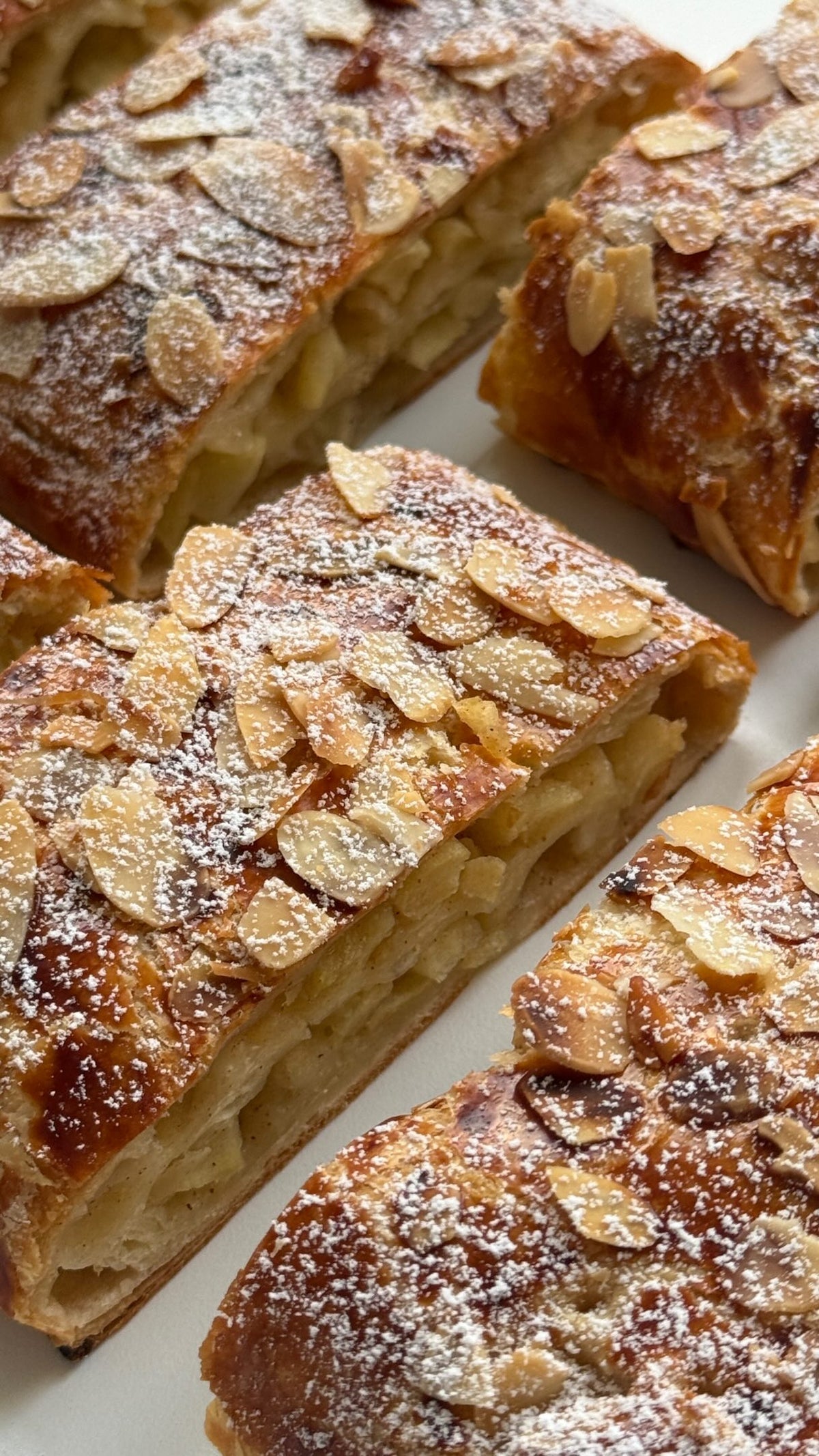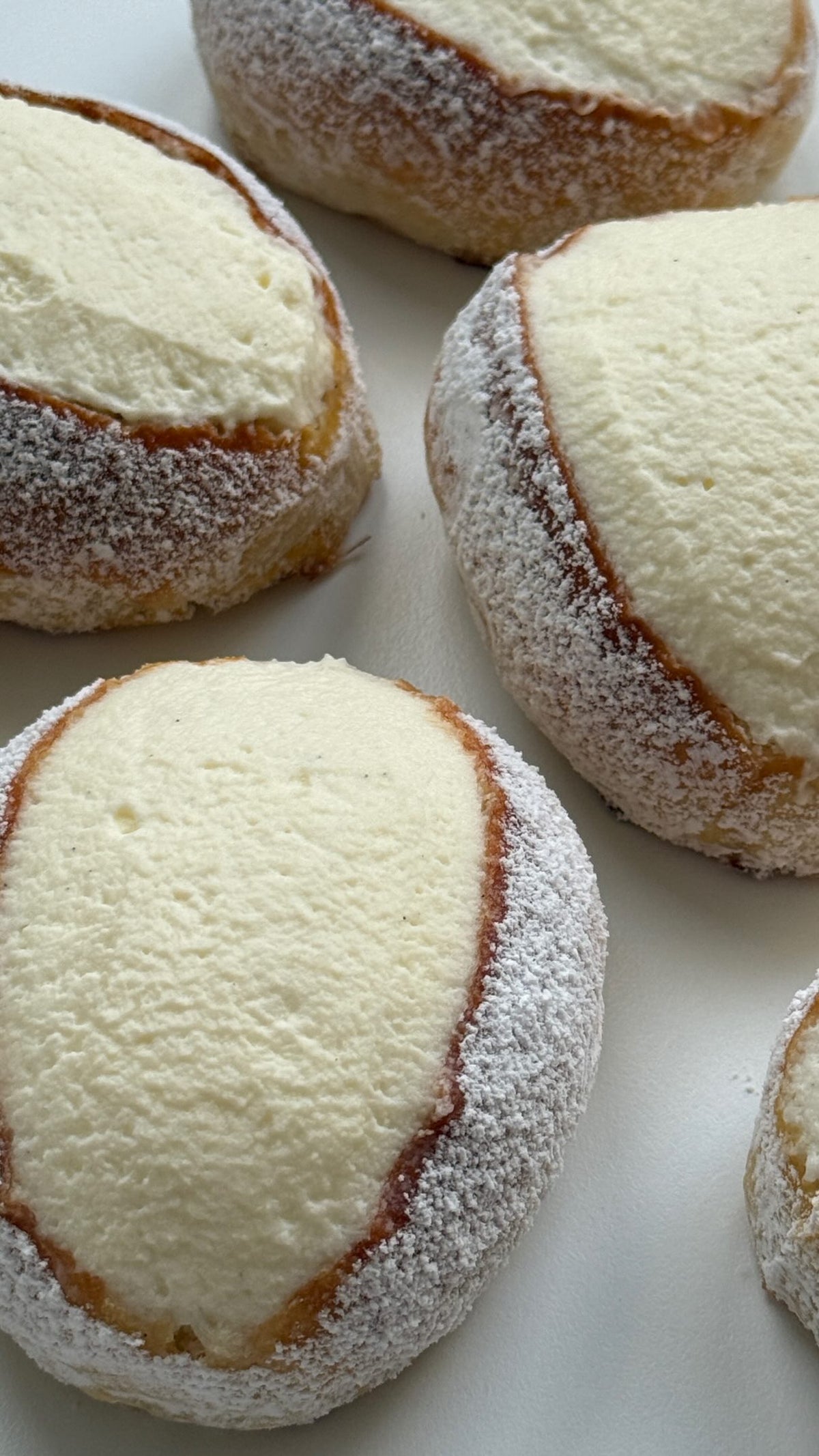




Vanilla Sugar Knots von Food with Style, fertig angerichtet
Brioche

Vanilla Sugar Knots Recipe

These fluffy vanilla knots are perfect for a cozy afternoon or as a sweet treat for any time of day. Ideal for vanilla lovers!

Share
Prep Time 1 hour
Cook Time 15 minutes

Ingredients

  • For the Vanilla Filling
  • For Brushing
  • For Topping

Directions

  1. 1
    Put the flour into a bowl and create a well in the center. Add the dry yeast, 1 tsp of sugar, and 2–3 tbsp of the lukewarm milk into the well. Stir lightly and let it rest for about 10 minutes until it starts to bubble.
  2. 2
    Add the remaining milk, sugar, salt, soft butter, and egg. Knead into a smooth dough that pulls away from the sides of the bowl. Cover and let rise in a warm place for about 1 hour or until doubled in size.
  3. 3
    For the filling, mix the soft butter with vanilla extract and regular sugar until smooth.
  4. 4
    Once the dough has risen, roll it out into a large rectangle on a floured surface. Spread the vanilla butter filling evenly over the dough.
  5. 5
    Fold the dough: bring one side to the center, then fold the other side on top. Cut into even strips.
  6. 6
    Slice each strip lengthwise into three parts without cutting all the way through. Braid them and twist into knots.
  7. 7
    Place the knots into a greased muffin tin or on a baking sheet lined with parchment paper. Let rise again for 20–30 minutes. Meanwhile, preheat the oven to 180°C (350°F).
  8. 8
    Sprinkle with pearl sugar.
  9. 9
    Bake for 15–18 minutes until lightly golden. Brush the knots with melted butter and let cool slightly before serving.

Video

Vanilla Sugar Knots Questions

The most common cause is milk that was too hot, which kills the yeast, so keep it lukewarm rather than steaming. A cold kitchen is the other culprit: this dough needs a genuinely warm spot to rise, and a cold egg straight from the fridge slows things down further, which is why the recipe calls for a room-temperature egg. If the pre-ferment in the well doesn't get foamy after resting, start over with fresh yeast rather than kneading on.

Yes - swap the 3.5 g of dry yeast for about 10 g of fresh yeast, crumbled into the well with the sugar and lukewarm milk the same way. Plant-based milk works too; just warm it to lukewarm as you would dairy milk. You can also replace the vanilla extract in the filling with the seeds of a vanilla bean or vanilla sugar, though with vanilla sugar you may want to cut back the 30 g of sugar slightly.

These are at their best the day they're baked, since the butter filling and soft crumb dry out quickly. Keep leftovers in an airtight container at room temperature for a day or two - not the fridge, which makes yeast pastries stale faster. To revive them, warm them briefly in a 180°C (350°F) oven; freezing the baked knots and reheating from frozen also works well.

Yes - after kneading, let the dough rise slowly in the fridge overnight instead of in a warm place, then bring it back to room temperature before rolling it out. You can also mix the vanilla butter filling a day ahead, but let it soften again so it spreads evenly over the dough. Shaped knots can go into the muffin tin and do their second 20-30 minute rise while the oven preheats to 180°C (350°F).

Filling escapes when the butter mixture is too soft or spread too thickly right up to the edges - leave a small border bare so the folded dough can seal. Rolling the rectangle too thin is the other issue: the strips then tear as you braid and twist them, and the filling runs out. Baking in a greased muffin tin, as the recipe suggests, contains any leakage and keeps the knots tall rather than spreading flat.

delicious, tested, and ready to inspire
Explore 400+ Tasty Recipes