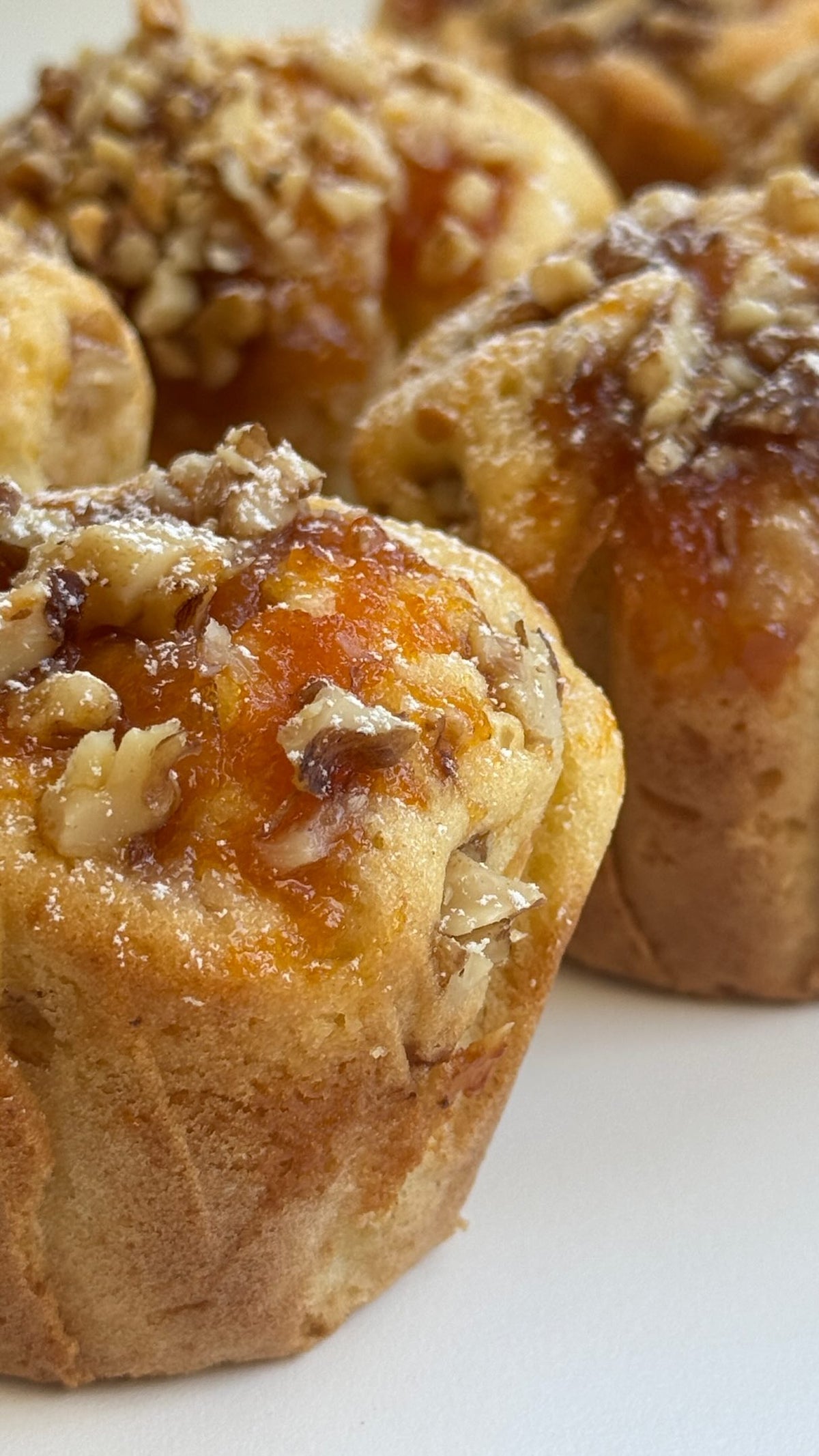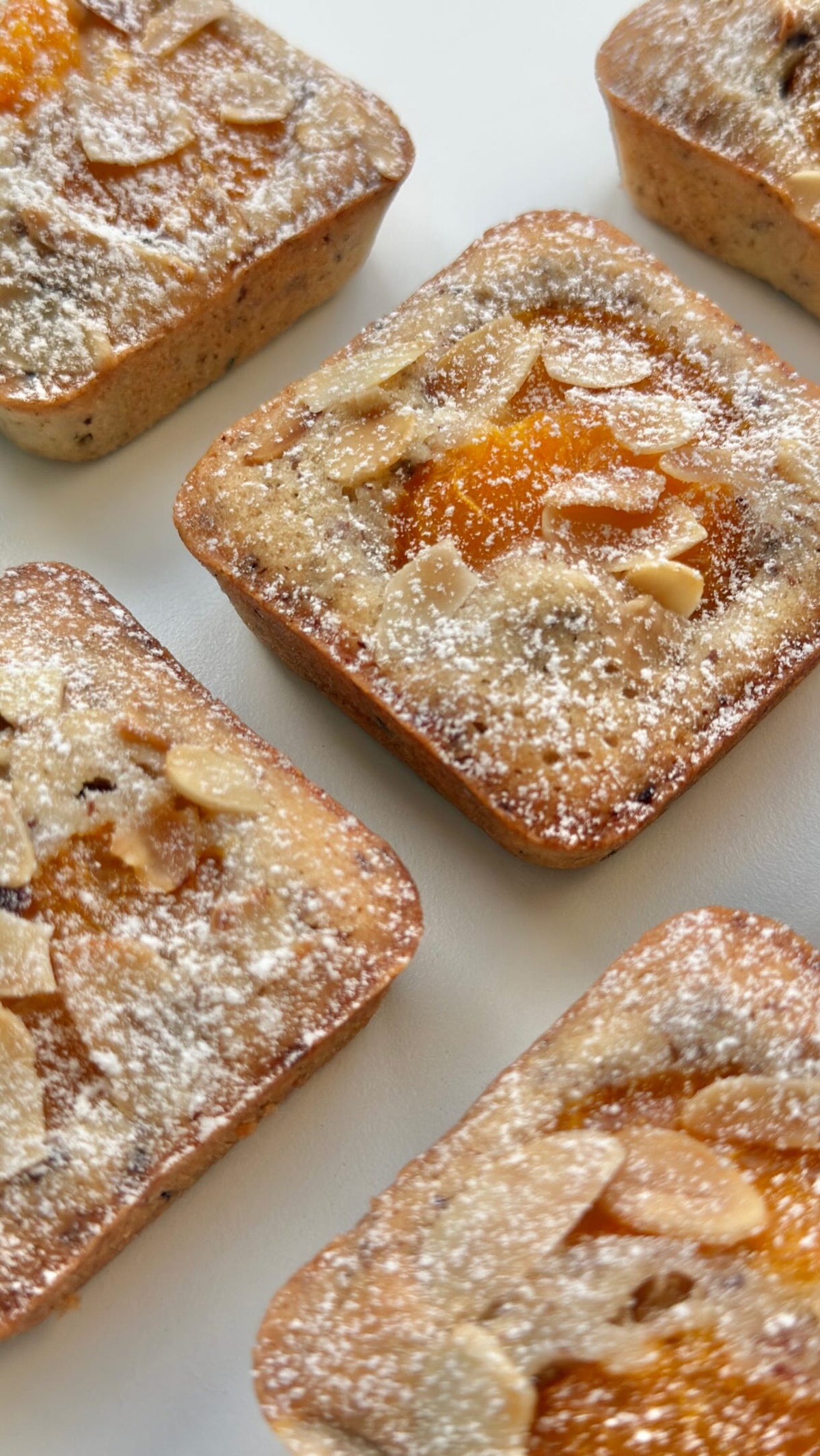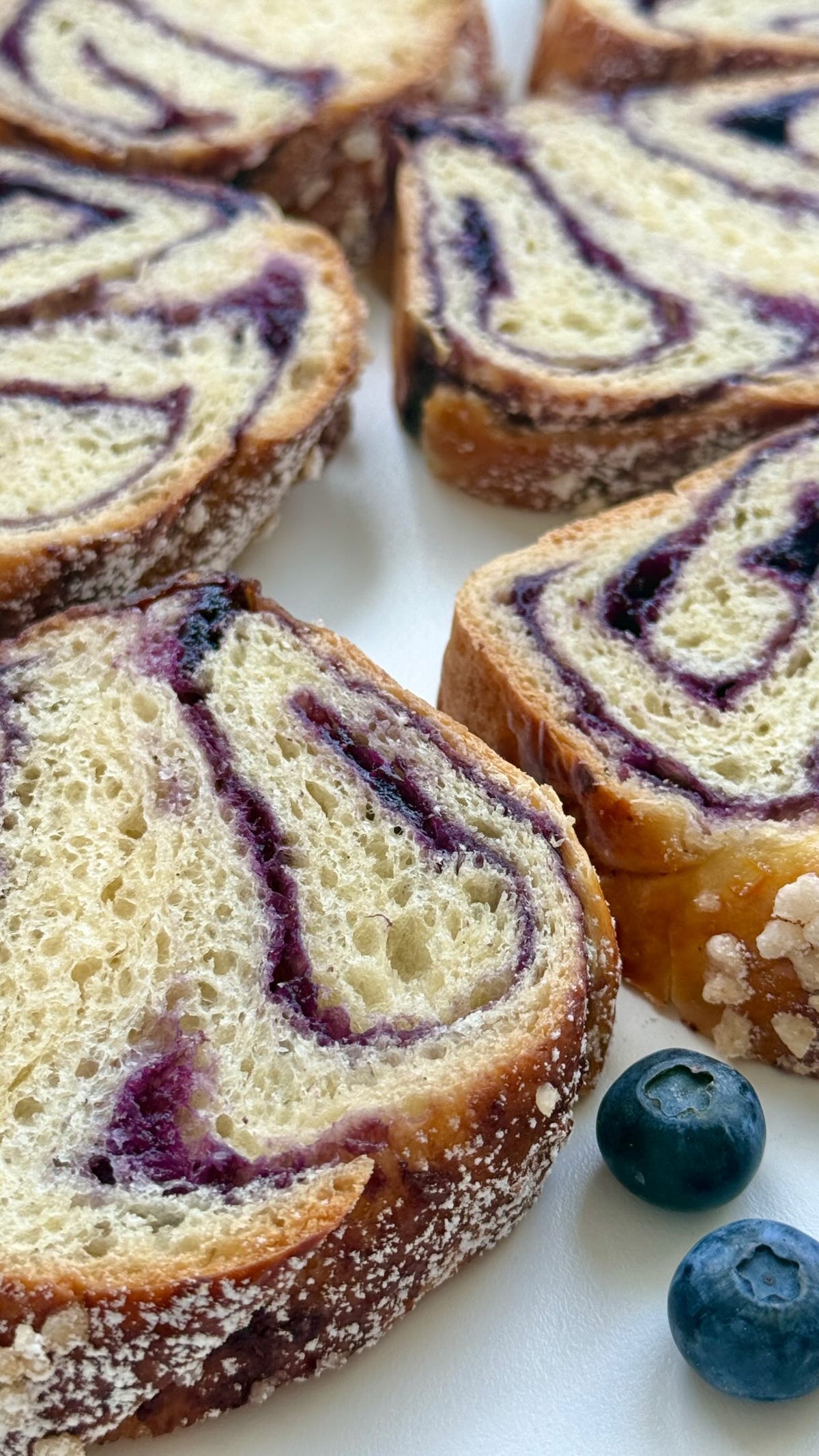


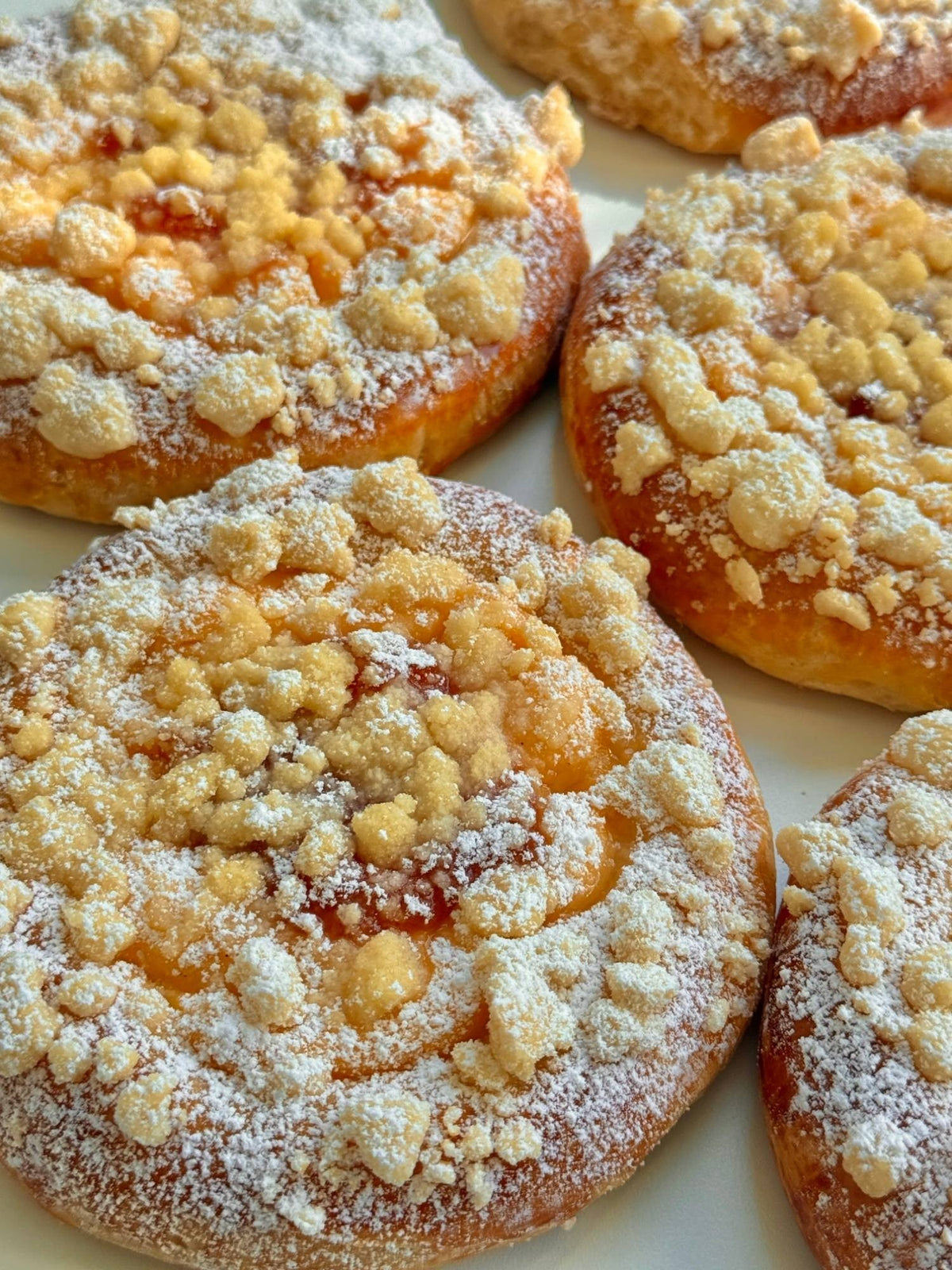
Franzbrötchen von Food with Style, fertig angerichtet
Pastry

Franzbrötchen Recipe

These Franzbrötchen are heavenly soft and smell irresistible. Perfect for anyone who loves a sweet treat!

5.0 (1)
Share
Servings
6 pieces
Prep Time 1 hour
Cook Time 15 minutes

Ingredients

  • For the Dough
  • For the Filling

Directions

  1. 1
    Sift the flour into a bowl and make a well in the center. Add the yeast, 1 tsp sugar, and 2–3 tbsp lukewarm milk to the well. Stir gently and let sit for 10 minutes until foamy.
  2. 2
    Add the remaining milk, sugar, egg, and salt to the bowl. Knead until a smooth dough forms. Add the soft butter in pieces and continue kneading until the dough becomes elastic. Cover and let rise in a warm place for about 1 hour or until doubled in size.
  3. 3
    In a separate bowl, mix the brown sugar, cinnamon, and soft butter until it forms a spreadable paste.
  4. 4
    Roll the dough out on a lightly floured surface into a rectangle about 20 x 30 cm (8 x 12 inches).
  5. 5
    Spread the cinnamon-sugar butter mixture evenly over the dough.
  6. 6
    Tightly roll the dough from the long side and cut into pieces about 5 cm ( 2 inches) wide.
  7. 7
    Place the pieces cut side down on a baking sheet lined with parchment paper. Use sticks to press firmly in the center of each piece, creating the traditional Franzbrötchen shape.
  8. 8
    Cover and let rise for another 30 minutes.
  9. 9
    Preheat the oven to 180°C (350°F) top/bottom heat (160°C fan). Bake the Franzbrötchen for 15–18 minutes until golden brown.
  10. 10
    Brush the warm Franzbrötchen with melted butter and let them cool under a cloth. Sprinkle with cinnamon sugar or powdered sugar if desired.

Video

Franzbrötchen Questions

After stirring the yeast with 1 tsp sugar and 2-3 tbsp lukewarm milk in the well, let it sit for 10 minutes as the recipe directs. You should see foam or bubbles on the surface - that means the yeast is alive and the dough will rise. If the mixture stays flat and smooth after 10 minutes, discard it and start again with fresh yeast, since the whole dough depends on this step.

Yes. The recipe already starts the yeast in lukewarm milk with a little sugar, so active dry yeast works in the same amount and simply needs the full 10 minutes to foam. Fresh yeast also works - crumble it into the milk in the well and stir until dissolved. Whichever you use, keep the milk lukewarm, not hot, or you will kill the yeast.

This usually happens when the butter in the filling is too soft or the dough is rolled too loosely. Mix the brown sugar, cinnamon, and butter into a spreadable paste rather than a runny one, and spread it evenly so no thick pockets form. Roll the dough tightly from the long side, and always bake on parchment paper as the recipe says - some caramel escaping is normal and lifts right off the paper.

Yes. Knead the dough through the butter stage, then cover it and let it rise slowly in the fridge overnight instead of at room temperature. The next morning, let it come back to room temperature before rolling it into the 20 x 30 cm rectangle, otherwise the cold dough will crack and the butter filling won't spread. Then continue with shaping, the 30-minute rise, and baking as written.

Let them cool completely, then keep them in an airtight container at room temperature - the butter in both the dough and the filling keeps them tender for a couple of days. To refresh them, warm them briefly in the oven at the same 180°C (350°F) until the filling softens again. They also freeze well once cooled; thaw and reheat the same way.

delicious, tested, and ready to inspire
Explore 400+ Tasty Recipes