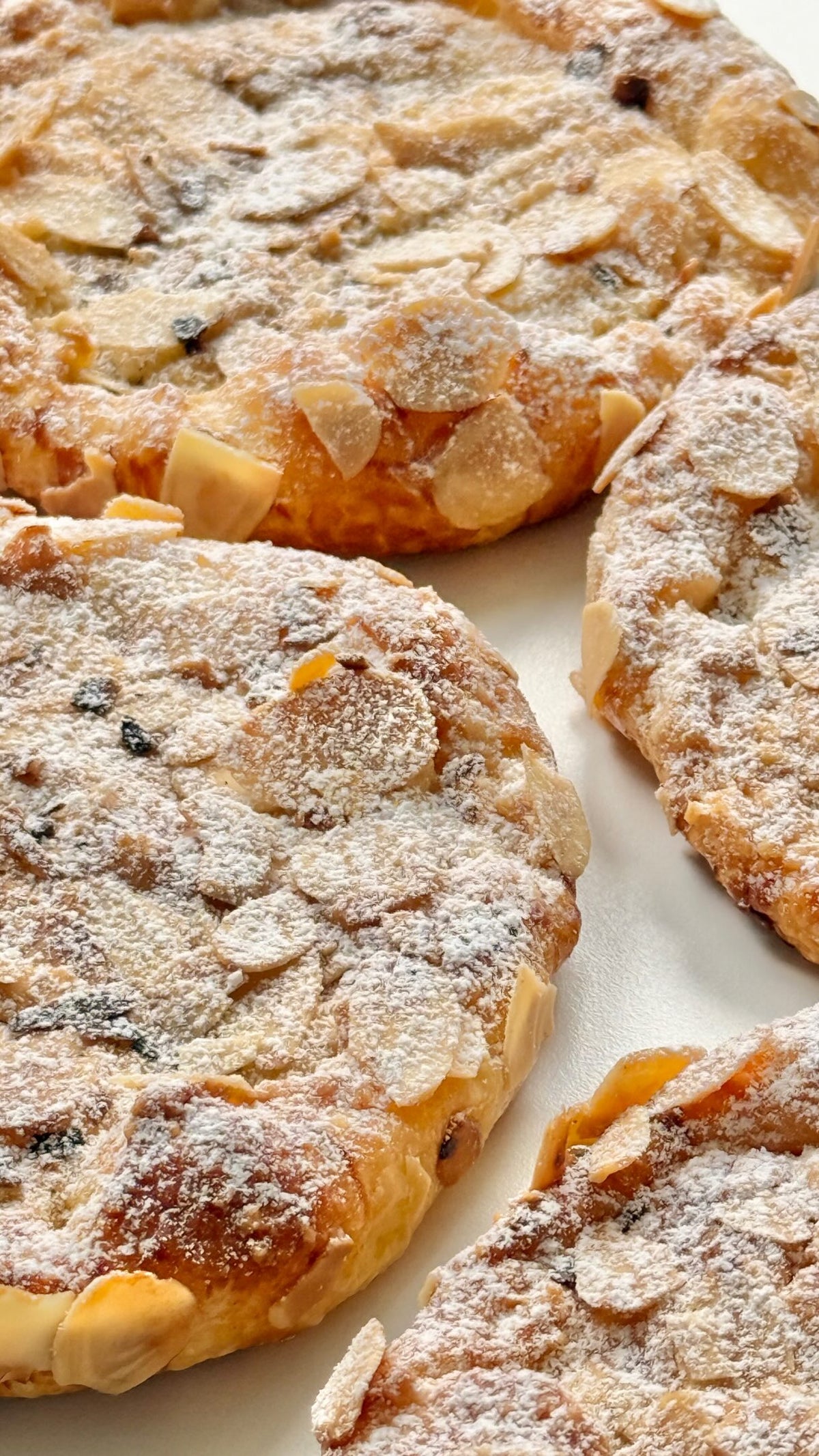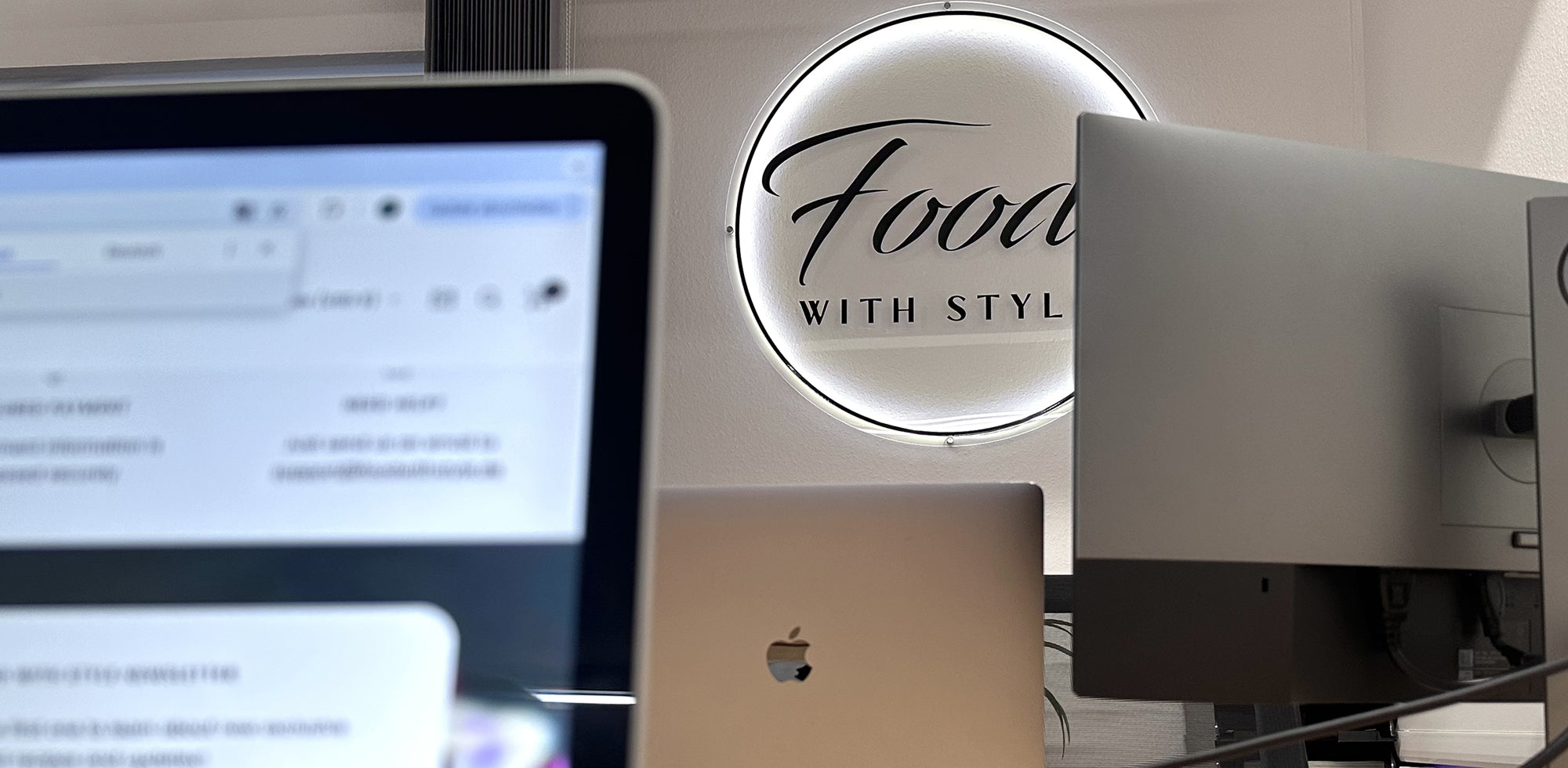
Delicious Brioche au Citron von Food with Style, fertig angerichtet
Brioche

Brioche au Citron

Brioșe pufoase și fragede, umplute cu o cremă fină de lămâie - proaspete, delicate și elegante.

Distribuie
Porții
10 chifle
Coacere 18 minute

Ingrediente

  • Pentru uns

Preparare

  1. 1
    Amestecă făina, zahărul, drojdia și sarea. Adaugă laptele, oul și untul, apoi frământă până obții un aluat neted și elastic (8-10 minute). Acoperă și lasă la crescut 60-90 de minute.
  2. 2
    Împarte aluatul în 10 bucăți (aproximativ 50 g fiecare), modelează bile, apoi turtește-le ușor, dându-le formă ovală.
  3. 3
    Așază-le în tava tapetată cu hârtie de copt, mai lasă-le la crescut 15-20 de minute, apoi unge-le cu amestecul de gălbenuș și lapte.
  4. 4
    Coace la 180°C (350°F) timp de 18-22 de minute, până se rumenesc frumos. Lasă-le să se răcească complet.
  5. 5
    Pentru cremă, încălzește laptele. Freacă gălbenușul cu zahărul și amidonul, toarnă laptele fierbinte în fir subțire și fierbe amestecul până se îngroașă.
  6. 6
    Adaugă zeama de lămâie, coaja și untul și amestecă bine. Acoperă crema cu folie alimentară la suprafață, las-o să se răcească, apoi mixeaz-o până devine fină.
  7. 7
    Fă o gaură mică în partea laterală a fiecărei brioșe și umple-le cu crema de lămâie.
  8. 8
    Amestecă zahărul pudră cu zeama de lămâie până obții o glazură groasă, toarn-o în dungi peste brioșe și pudrează ușor cu zahăr pudră. Brioșe extrem de pufoase, cu miez cremos de lămâie și un finish curat și elegant

Video

Brioche au Citron Questions
A slightly tacky dough is normal here, because 40 g of soft butter and a whole egg go into only 250 g of flour. Keep kneading rather than adding flour; the dough should pull away from the bowl and feel smooth and elastic. Add extra flour by the teaspoon only if it is still soupy after the full 10 minutes, since too much flour will cost you the ultra-soft crumb.

You need at least one fresh lemon, because the recipe calls for the zest of a whole lemon and that is where most of the aroma sits. The juice itself can be bottled in a pinch, but the 1-2 tbsp in the cream and the 1½ - 2 tbsp in the glaze taste noticeably brighter when fresh. Since you already have a lemon for the zest, juicing it usually covers both.

Once filled, the buns contain an egg-yolk-and-milk cream, so keep them in the fridge in a covered container rather than at room temperature. Take them out 20-30 minutes before serving so the brioche softens again, as the crumb firms up when chilled. Unfilled baked buns keep better in an airtight container at room temperature.

Yes - the lemon cream is the best make-ahead component, since it has to be covered directly with plastic wrap and cooled completely anyway. Make it a day ahead, refrigerate it, then whisk it smooth before filling. You can also bake the buns in advance and fill and glaze them shortly before serving, which keeps the glaze crisp and the brioche from going soggy.

Lumps usually come from pouring the hot milk into the yolk, sugar and cornstarch mixture too fast - add it gradually while whisking, then cook until thick. A thin cream means it did not cook long enough for the 15 g of cornstarch to set; keep stirring over heat until it visibly thickens. Also stir in the lemon juice, zest and butter at the end, and cover the surface directly with plastic wrap so no skin forms.

delicios, testat și gata să inspire

Explorează peste 400 de Rețete Delicioase