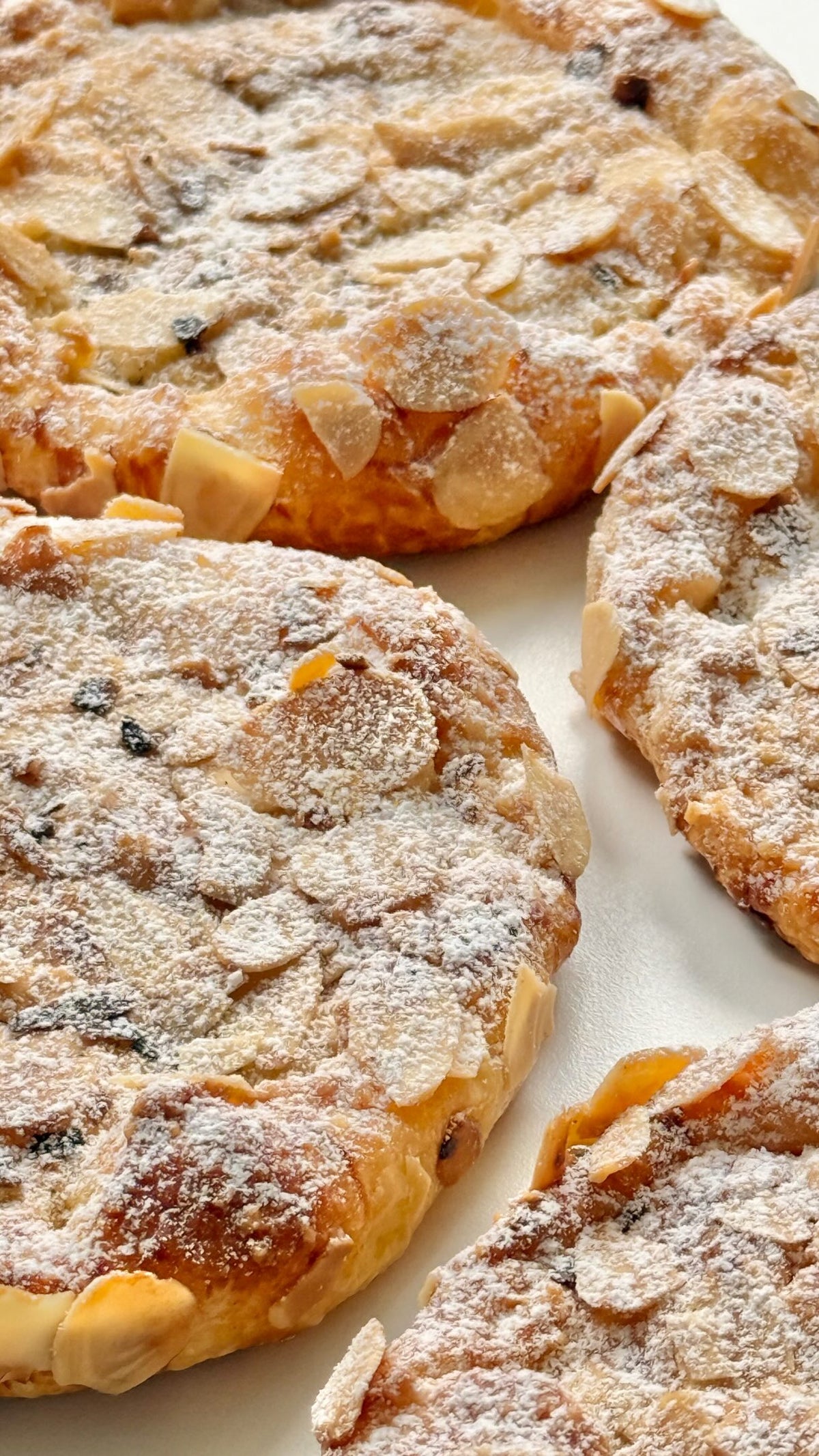
Blueberry Rings von Food with Style, fertig angerichtet
Pastry

Rosquinhas de Mirtilo

Estas rosquinhas de massa fermentada não são só lindas de ver, como também uma delícia de comer. Uma receita que agrada a todo mundo...

Compartilhar
Porções
8 peças
Preparo 1 hora 20 minutos
Cozimento 20 minutos

Ingredientes

Modo de preparo

  1. 1
    Peneire a farinha em uma tigela, faça um buraco no meio e coloque o fermento, um pouco do açúcar e um pouco do leite. Deixe descansar de 5 a 10 min, até espumar. Junte o restante do leite, o açúcar, o sal e metade do ovo e sove. Por último, sove a manteiga até a massa ficar lisinha (8-10 min). Cubra e deixe crescer por 1 h, até dobrar de volume.
  2. 2
    Para o creme, misture com um fouet o leite, o açúcar, o amido de milho, as gemas e a baunilha em uma panela. Leve ao fogo, mexendo sempre, até ferver e engrossar. Tire do fogo, cubra com filme plástico em contato com o creme, deixe esfriar e transfira para um saco de confeitar.
  3. 3
    Divida a massa em 8 bolinhas e abra cada uma em formato retangular. Faça uma tira de creme ao longo do lado maior e coloque de 4 a 5 mirtilos. Dobre e feche bem a borda. Faça de 5 a 6 cortes no outro lado, enrole e una as pontas para formar a rosquinha.
  4. 4
    Coloque as rosquinhas na assadeira, cubra e deixe descansar de 15 a 20 min. Pincele com a gema e asse a 180 °C / 350 °F (forno com calor em cima e embaixo) por 20-25 min, até dourarem. Deixe esfriar sobre uma grade e polvilhe açúcar de confeiteiro. O creme que sobrar vira uma sobremesa gostosa servida na taça com frutas frescas. Prontinho: suas rosquinhas de creme e mirtilo, douradas por fora, cremosas por dentro e com uma surpresa frutada no recheio.

Video

Blueberry Rings Questions
The most common cause is milk that was too hot: the 125 ml should be lukewarm, not warm to the touch, or it will kill the yeast. Check the foam test at the start - if the yeast, sugar and milk in the well don't bubble within 5-10 minutes, the yeast is dead or expired and it's worth starting over rather than continuing. A cool kitchen also slows things down, so give the dough a warm, draft-free spot.

Yes, but don't thaw them - add the 4-5 berries per ring straight from the freezer, otherwise they release juice that soaks the dough and makes the seam pop open during baking. Frozen berries hold more moisture, so seal the folded edge especially firmly. Expect a slightly longer bake within the 20-25 minute window since the cold fruit cools the pastry.

The custard is the ideal make-ahead component: cook it, press the plastic wrap directly onto the surface so no skin forms, and refrigerate it overnight. Whisk it smooth before piping, as it firms up considerably when chilled. The dough can also rest in the fridge overnight after kneading - just let it come back to room temperature before you divide it into the 8 balls.

Usually the filling line was piped too close to the edge or too generously, leaving nothing to seal against. Keep the custard line along the long side with a clear border of bare dough, then press the folded seam together firmly. It also helps to use the custard fully chilled and thick - warm or runny custard spreads as soon as the dough hits the 180 °C oven.

Because of the milk-and-egg-yolk custard, keep leftovers covered in the fridge rather than at room temperature, and eat them within a couple of days. They are best on baking day, since the yeast dough goes dry faster than the filling does. Freezing is not ideal - the custard tends to separate and turn watery on thawing - so freeze unfilled baked dough only if you must, and reheat briefly to freshen the crumb.

delicioso, testado e pronto para inspirar

Explore 400+ Receitas Saborosas