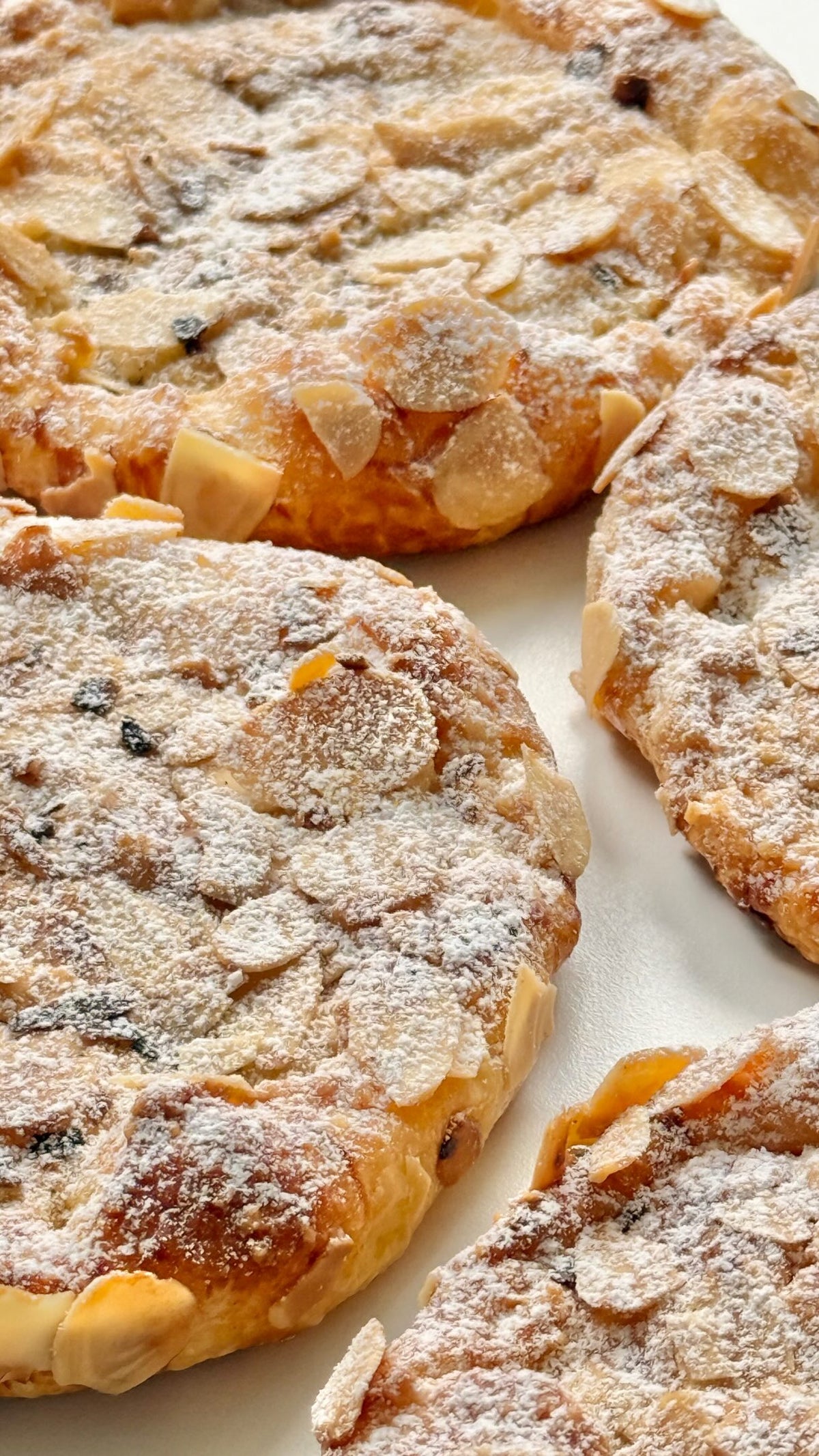
Vanilla Pastry von Food with Style, fertig angerichtet
Pastry

Vaniljapullat

Pehmeitä, mureita hiivataikinapullia, joiden täytteenä on hienostunut vaniljakreemi. Kaunis leivonnainen, joka maistuu aivan taivaalliselta niin lämpimänä kuin kylmänäkin.

Jaa
Annosta
10 kappaletta
Paistoaika 18 minuuttia

Ainekset

  • Voiteluun ja viimeistelyyn

Valmistus

  1. 1
    Siivilöi jauhot kulhoon ja tee keskelle kuoppa. Lisää hiiva, 1 tsp sokeria ja hieman kädenlämpöistä maitoa. Anna seistä 8-10 minuuttia, kunnes pinta kuohuu.
  2. 2
    Lisää loput sokerista, kananmuna, maito, suola ja vanilja. Alusta sileäksi taikinaksi, lisää sitten voi ja vaivaa 8-10 minuuttia, kunnes taikina on pehmeää, kimmoisaa ja hieman kiiltävää.
  3. 3
    Peitä ja kohota 60-90 minuuttia, kunnes taikina on kaksinkertaistunut.
  4. 4
    Kuumenna maito vaniljan kanssa (älä keitä). Vatkaa keltuaiset, sokeri ja maissitärkkelys, vatkaa joukkoon kuuma maito ja kaada seos takaisin kattilaan.
  5. 5
    Keitä koko ajan sekoittaen, kunnes seos paksuuntuu vanukasmaiseksi. Kaada kulhoon, peitä kelmulla suoraan pinnalle ja anna jäähtyä täysin.
  6. 6
    Vatkaa kylmä kreemi tasaiseksi ja siirrä pursotinpussiin, jossa on pyöreä tylla.
  7. 7
    Jaa taikina noin 10 osaan (50 g), pyörittele palloiksi, kauli kukin pyöreäksi levyksi ja painele keskelle kevyt merkki pienellä muotilla.
  8. 8
    Leikkaa reuna-alue ohuiksi suikaleiksi niin, että keskusta jää ehjäksi.
  9. 9
    Pursota keskelle matala rengas vaniljakreemiä ja taita suikaleet varovasti keskelle päällekkäin lomittain.
  10. 10
    Aseta keskelle mustikka, peitä ja anna levätä 20-30 minuuttia.
  11. 11
    Vatkaa keltuainen ja maito, voitele pullat ja paista 180 °C / 350 °F 18-22 minuuttia kauniin kullanruskeiksi. Anna jäähtyä hetki ja ripottele päälle tomusokeria. Pehmeitä, mureita hiivapullia hienolla vaniljatäytteellä - ilmavia, tyylikkäitä ja yksinkertaisesti vastustamattomia.

Video

Vanilla Pastry Questions
The vanilla cream is ideal for making ahead, since it has to cool completely anyway before it can be whisked smooth and piped. Cook it a day in advance, cover it directly on the surface so no skin forms, and chill it. The yeast dough is best shaped and baked the same day, but you can slow the 60-90 minute rise by letting it proof in the fridge and bringing it back to room temperature before dividing.

No, if nothing happens within the 8-10 minutes the yeast is either dead or the milk was too hot. The milk should be lukewarm, not hot, because heat above body temperature kills active dry yeast. Start that step again with fresh yeast and properly lukewarm milk, otherwise the dough will never double.

Yes, the 60 g soft butter can be swapped for a firm plant-based block butter, and both the 110 ml dough milk and the 250 ml milk for the cream can be replaced with a neutral, full-fat plant milk such as oat or soy. Keep the substitute butter genuinely soft, since it has to be kneaded into the already-smooth dough. The pastry cream still sets, because the thickening comes from the 25 g cornstarch and the 2 egg yolks, not the milk fat.

Lumps usually mean the hot milk went into the yolk mixture too fast, or the cream was not stirred constantly while cooking - pour the hot milk in gradually while whisking, and keep stirring the whole time in the saucepan. A runny cream means it did not cook long enough; the cornstarch needs to come up to a boil to thicken fully into a pudding-like consistency. If lumps appear anyway, pass the finished cream through a sieve before covering and cooling it.

Because they contain an egg-yolk-based cream, store them covered in the fridge rather than at room temperature. They taste best on the day they are baked, when the yeast dough is still soft. Let them sit out briefly before serving so the dough loses its chill, and dust with the powdered sugar only just before serving so it does not dissolve.

herkullisia, testattuja ja inspiroivia

Tutustu 400+ Herkulliseen Reseptiin