Danish Dream Cake von Food with Style, fertig angerichtet
Cake

Gâteau danois Drømmekage

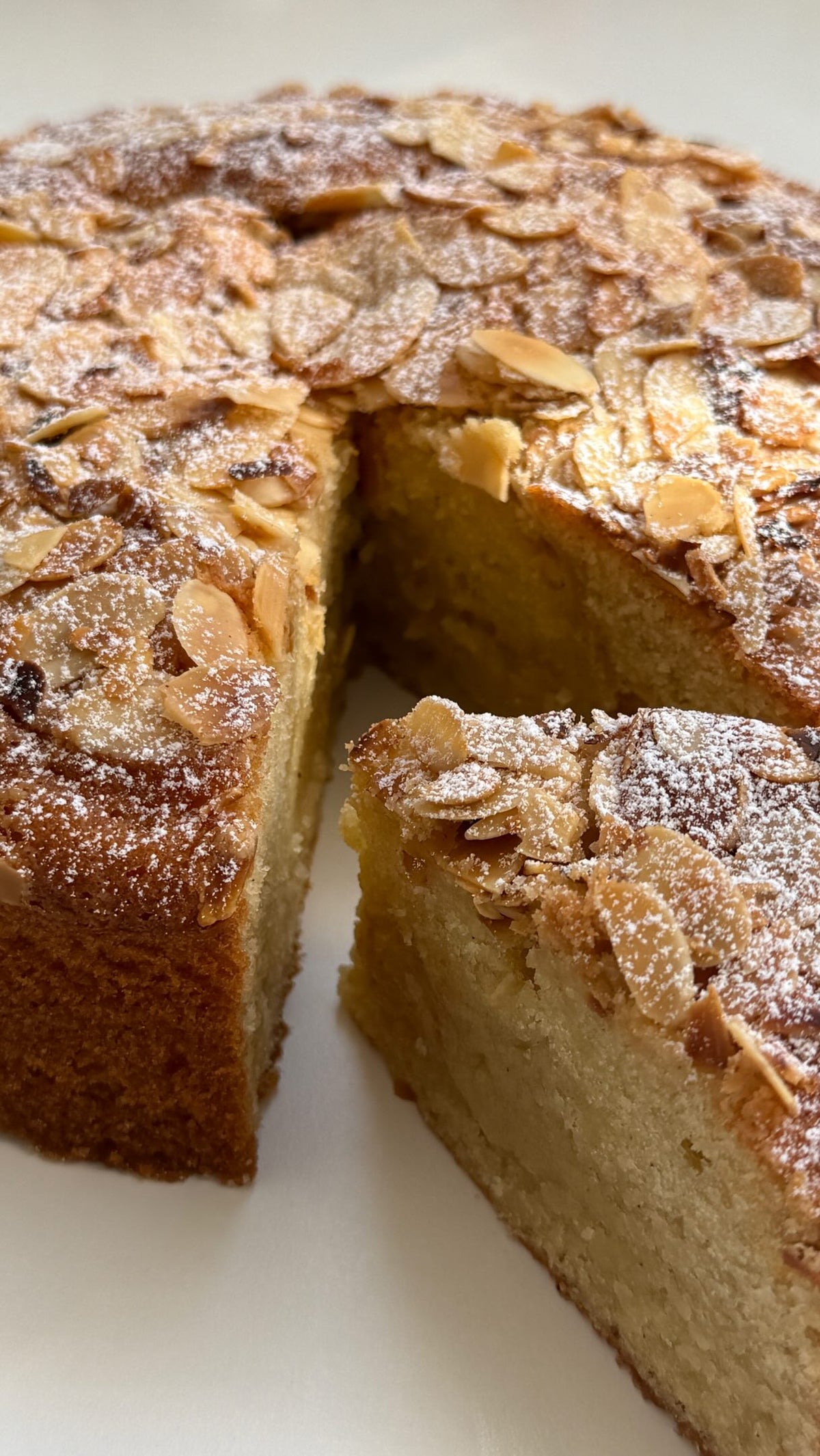
Un gâteau moelleux et aérien recouvert d'un nappage caramélisé à la noix de coco - fondant, bien beurré, tout simplement irrésistible.

Partager
Cuisson 20 minutes

Ingrédients

Préparation

  1. 1
    Préchauffer le four à 180°C (350°F), chaleur traditionnelle (voûte et sole). Chemiser le moule de papier cuisson.
  2. 2
    Fouetter les œufs, le sucre et la vanille pendant 4-5 minutes, jusqu'à ce que le mélange blanchisse et devienne mousseux.
  3. 3
    Dans un autre saladier, mélanger la farine, la levure chimique et le sel. Incorporer délicatement les ingrédients secs au mélange aux œufs.
  4. 4
    Faire chauffer le lait et le beurre jusqu'à ce que le beurre soit complètement fondu, puis incorporer à la pâte.
  5. 5
    Verser la pâte dans le moule préparé et enfourner 20-25 minutes.
  6. 6
    Pour le nappage à la noix de coco, faire chauffer le beurre, la cassonade et le lait dans une casserole. Pour un nappage plus clair et plus doux, il suffit de faire fondre les ingrédients ensemble. Pour un goût de caramel plus prononcé, laisser frémir doucement 2-4 minutes.
  7. 7
    Ajouter la noix de coco râpée, mélanger, puis répartir le nappage uniformément sur le gâteau à moitié cuit.
  8. 8
    Remettre le gâteau au four et poursuivre la cuisson 10-15 minutes, jusqu'à ce que le nappage soit bien doré.
  9. 9
    Laisser tiédir le gâteau avant de le découper en carrés.

Video

Danish Dream Cake Questions
The lift in this cake comes almost entirely from air beaten into the eggs and sugar, so the full 4-5 minutes of whisking until pale and fluffy is not optional. Once the flour goes in, fold gently rather than stir, and add the milk-butter mixture warm but not hot, since heat and vigorous mixing both knock the air back out. If you deflate the batter at either step, the baking powder alone cannot rescue the texture.

Shredded coconut is what gives the topping its structure and chew, so desiccated or flaked coconut works, but a coconut-free version will not set the same way. Brown sugar can be replaced with white sugar if that is all you have, though you will lose some of the caramel depth the topping is known for. Keep the butter-sugar-milk ratio as written, otherwise the topping runs off the cake or stiffens too much to spread.

Let it cool completely before storing, or trapped steam will soften the golden topping. Keep it covered at room temperature rather than in the fridge, since cold firms up the butter in both the sponge and the coconut layer and dulls the flavour. Cut squares stay best when the cut sides are pressed together or covered.

You can weigh out the dry mix of flour, baking powder, and salt ahead and keep it covered, and line the pan in advance. Do not mix the batter ahead - the beaten eggs lose volume on standing and the baking powder starts working as soon as it meets the milk. The coconut topping can be cooked ahead too, but it will thicken as it cools, so warm it gently before spreading.

The cake bakes 20-25 minutes first so the surface is set enough to carry the topping; adding it too early lets it sink into a still-wet batter. Spread it evenly and quickly with a light hand so you do not tear the surface, then return it to the oven for the final 10-15 minutes. Watch it closely at the end, because the sugar in the topping goes from golden to burnt faster than the sponge browns.

délicieux, testé et prêt à inspirer

Explorez plus de 400 Recettes Savoureuses